The Impact of Protein on Metabolism and Energy Levels
You’ve likely noticed that protein-rich foods and high-protein diets are everywhere these days. It’s true! Americans from all walks of life…
The Impact of Protein on Metabolism and Energy Levels
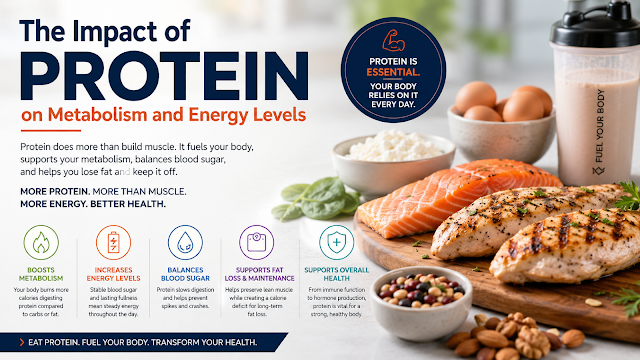
You’ve likely noticed that protein-rich foods and high-protein diets are everywhere these days. It’s true! Americans from all walks of life are trading in yo-yo diets and calorie crazes for a more informed, science-driven approach to nutrition that prioritizes protein. Fitness enthusiasts and professionals alike, as well as older adults who want to stay healthy, are learning that by simply eating more protein, they can transform how their body looks, feels and performs. But increasing your protein intake is about more than building bigger muscles. Protein is critical to your metabolism, energy, blood sugar control, fat-loss, and more. Let’s dive into why protein is so powerful by first understanding what protein does in the body.
Protein’s Impact on Energy Levels
Increase energy throughout the day Increased protein intake will lead to this and is one of the first benefits that most people notice. Rather than the peaks and valleys you get from carbs, protein gives you sustained and reliable energy. Protein helps fuel the production of neurotransmitters (such as dopamine and serotonin) in your brain, which affect your mood, attention span, and ability to focus. Simply increasing protein intake can give you more energy throughout the day and keep you from feeling drained after that 2 pm lunch. Swap out some of those easily burned-off carbs for protein and watch your energy stabilize.
The Role of Protein in Metabolism
Metabolism is the process by which your body converts food into energy and uses this energy to stay alive. It allows your body to repair, reproduce cellular material and run every bodily function you can imagine. Protein is one of your body’s most important sources of fuel for metabolism. It has a higher thermic effect than carbs or fat. Your body expends more energy processing protein than it does with other nutrients and burns calories while doing so. Approximately 20–30 percent of calories in protein are used during digestion. Carbs are only 5–10 percent and fats 0–3 percent. Eating more protein naturally boosts your daily calorie burn without any additional effort from you. It also builds and preserves lean muscle mass. The more muscle tissue you have, the faster your metabolism will be, since muscle burns calories throughout the day.
The Benefits of a High-Protein Diet
Let’s take a look at why protein is so important beyond just the weight room. Studies have found that individuals who consume higher amounts of protein feel fuller and have less cravings. Subjects have been shown to eat less total calories and feel less deprived when protein is increased. Protein promotes the release of hormones that make you feel fuller like peptide YY and GLP-1. It also suppresses the hunger hormone ghrelin. One benefit of protein that people may notice is better body composition. Instead of just “losing weight” on a high-protein diet people tend to lose fat while maintaining or even gaining muscle. This means a leaner, more muscular, and healthier body long-term with a higher metabolic rate. Protein also helps with immune health, hormone regulation, enzymatic reactions, and tissue repair.
The Connection Between Protein and Fat Loss
When trying to lose fat, protein is probably your single best friend. Here’s why protein intake helps with fat loss, at several levels at once. For one, protein has a higher thermic effect than any other macronutrient. Secondly, protein has been shown to reduce appetite and increase satiety, so if you eat enough protein you’ll likely consume fewer calories overall without feeling like you’re being deprived. Third, protein helps you maintain lean muscle tissue when dieting, which is important because the more muscle you lose along with your fat, the slower your metabolism will be, which will make maintaining your weight loss more difficult. Research has shown that people eating a high-protein diet lose significantly more body fat, especially around the mid-section, than those on a normal protein diet containing the same number of calories. Protein also promotes the secretion of glucagon, a hormone that signals the body to burn stored fat for energy. So there you have it. Protein should definitely be a part of everyone’s fat loss diet.
Protein and its Effects on Blood Sugar Levels
Blood Sugar Regulation Is Another Unsung Benefit Of Protein Protein has very little effect on your blood sugar. Consuming high-glycemic carbs like refined bread or cereal will send your blood sugar skyrocketing. Your pancreas responds by releasing insulin to restore your blood sugar levels to normal. Chronically elevated insulin and blood sugar can cause insulin resistance, excess weight gain, fatigue and type 2 diabetes. Protein digests slowly and won’t cause your blood sugar to spike. Consuming protein with carbs can actually slow the release of sugar into your bloodstream and help prevent blood sugar spikes. Multiple studies found that when participants consumed protein prior to or with high-carbohydrate meals their blood sugar response was significantly blunted.
Protein as a Tool for Improving Metabolic Health
Metabolic health describes how well your body is functioning with regards to energy levels, blood sugar, cholesterol, blood pressure, and weight management. Metabolic syndrome encompasses a range of issues and increases your risk of heart disease, type 2 diabetes, obesity, cognitive decline, and more. Protein intake has a positive impact on nearly every metric that factors into metabolic health. Protein supports lean muscle mass which keeps your resting metabolic rate higher. Protein helps stabilize blood sugar which keeps you from developing insulin resistance. Protein promotes feelings of fullness which can prevent overeating and aid with weight management. And protein is used to build the hormones and enzymes responsible for your body’s metabolism. If you’ve been tired of feeling tired, frustrated with stubborn weight, or concerned about blood sugar, increasing your protein intake (and moving your body) may be one of the first places to start improving your metabolic health.
Conclusion
Protein isn’t just a trend- and it’s not just for athletes. Protein is one of three macronutrients that your body needs hundreds of reasons to function properly — and most Americans aren’t eating enough of it. Whether you want to lose fat, gain energy, balance your blood sugar, or just feel better in your body, science shows that increasing your protein intake is one of the easiest and most sustainable things you can change about your diet. Protein trends may come and go, but as we move away from fad diets and metabolic health becomes the focal point of wellness conversations across the country, protein will continue to be front and centre. Take notice of how much protein you’re eating each day. You’ll be glad you did.
메타데이터
- post_id
- 8a7a5ea76aed
- slug
- the-impact-of-protein-on-metabolism-and-energy-levels-8a7a5ea76aed
- url
- https://medium.com/@healthtop04/the-impact-of-protein-on-metabolism-and-energy-levels-8a7a5ea76aed
- canonical_url
- https://medium.com/@healthtop04/the-impact-of-protein-on-metabolism-and-energy-levels-8a7a5ea76aed
- author_url
- https://medium.com/@healthtop04
- status
- ok
- fetched_at
- 2026-07-26 19:44:40