Community-Led Solar Projects: How Filipinos Are Taking Charge of Energy
In the rolling hills of South Cotabato, the T’boli-Manobo community had lived without electricity for generations. Children studied by…
Community-Led Solar Projects: How Filipinos Are Taking Charge of Energy
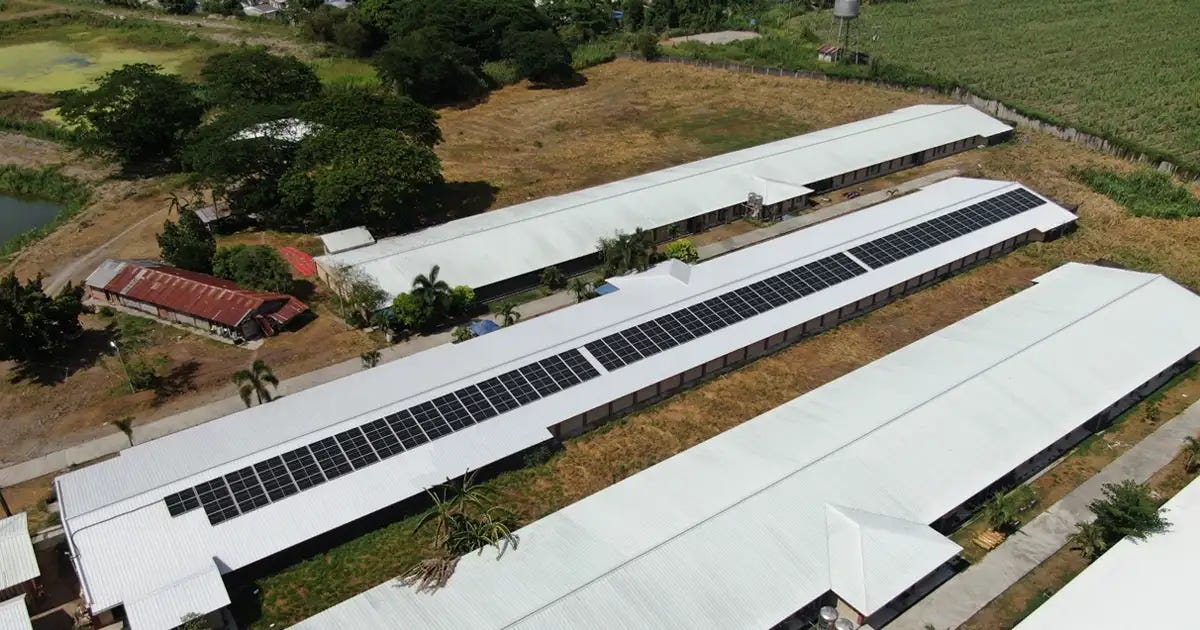
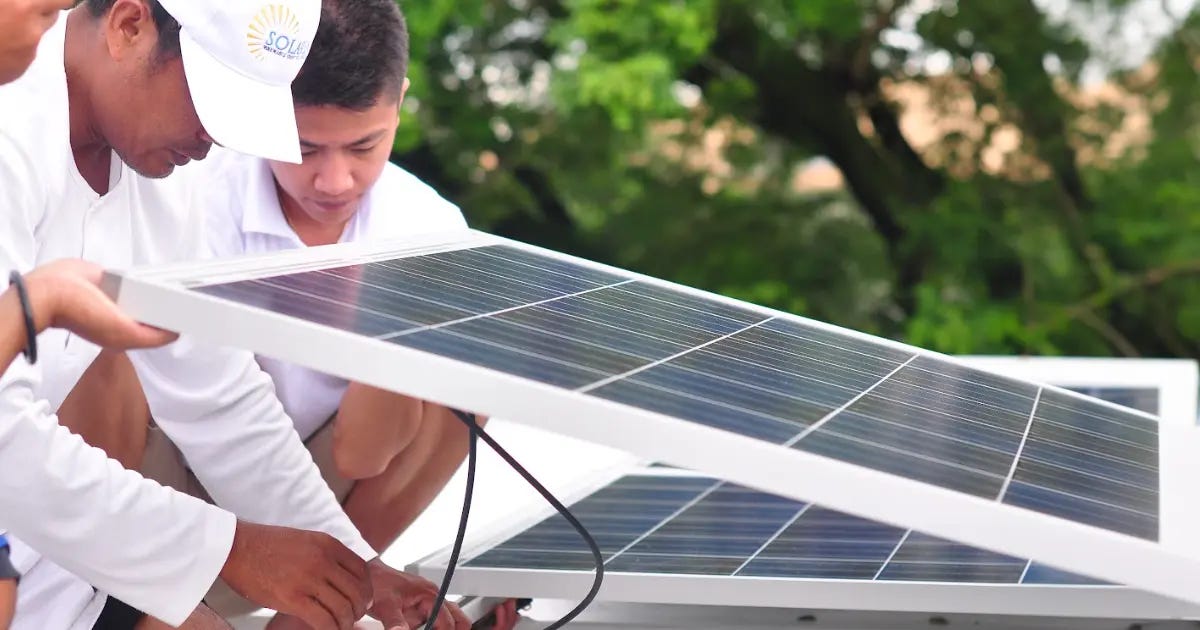
In the rolling hills of South Cotabato, the T’boli-Manobo community had lived without electricity for generations. Children studied by candlelight, businesses closed at sunset, and medical emergencies in the dark were a constant fear. Then, something remarkable happened. Instead of waiting for the government or large corporations to bring power lines to their remote village, this indigenous community decided to take matters into their own hands. Today, thanks to their micro off-grid **solar power system installation**, their homes glow with clean energy, children attend evening classes, and small enterprises thrive well into the night.
This story isn’t unique anymore. Across the Philippines, communities are increasingly becoming the driving force behind solar energy adoption, creating a grassroots revolution that’s transforming how Filipinos access and think about electricity.
The Numbers Tell an Inspiring Story
The Philippines is experiencing unprecedented growth in solar energy adoption. The country commissioned nearly 2 GW of solar capacity in 2024, with projections showing the market will reach 5,229.62 megawatts within five years, reflecting a remarkable 25.2% growth rate. But here’s what most energy reports don’t highlight: a significant portion of this growth is driven by community-led initiatives rather than massive corporate projects.
The Philippines Solar Energy Market is projected to register a CAGR of greater than 25.2% during the forecast period (2025–2030), and local communities are becoming key players in this expansion. Unlike traditional top-down energy development, Filipino communities are embracing **residential solar installation and commercial solar installation** as pathways to energy independence.
Beyond Individual Rooftops: The Community Solar Movement
While most discussions focus on individual home solar installation projects, the real innovation is happening at the community level. Community solar projects, also known as shared solar, allow multiple participants to share the benefits of a single solar facility, enabling individuals and businesses who may not have the ability to install solar panels on their property — due to financial constraints.
This approach is particularly brilliant in the Philippines, where many families live in apartments, condominiums, or houses with unsuitable roofs for solar power systems for home installations. Instead of being left out of the solar revolution, these Filipinos can now participate through community-owned solar gardens and shared installations.
The Barangay-Level Revolution
What makes the Philippine model unique is how it leverages the country’s existing barangay system. Local government units are partnering with residents to develop solar installation philippines projects that serve entire neighborhoods. These aren’t just energy projects — they’re community-building initiatives that strengthen social bonds while reducing electricity costs.
In many barangays, leaders are organizing bulk purchasing programs for **solar power system for homes**, creating economies of scale that make individual installations more affordable. Groups of 20–30 households band together to negotiate better prices with solar installers, reducing costs by up to 30% compared to individual purchases.
The Hidden Financial Innovation
Here’s something most solar articles miss: Filipino communities are developing innovative financing mechanisms that don’t rely on traditional banks. Community savings groups, or “paluwagan,” are being adapted to fund solar projects. Members contribute monthly amounts that go toward purchasing and installing solar systems for the group.
Project internal rates of return can run between 14–16% over 20–25-year production terms, which is attractive, making these community investments financially sound. Families that couldn’t qualify for individual solar loans can now access clean energy through collective action.
Overcoming the Grid Challenge
The Philippines faces significant grid infrastructure challenges, particularly in remote areas. Instead of waiting for expensive grid extensions, communities are leapfrogging traditional infrastructure with standalone **solar power systems for home** and mini-grid solutions.
This transformation shows how the T’boli-Manobo community in Mindanao went from complete energy poverty to energy independence through their community-owned solar system. This transformation demonstrates how community-led solar can address energy access issues that centralized solutions have struggled to solve.
The Ripple Effects
These community solar initiatives create benefits that extend far beyond reduced electricity bills. Local entrepreneurs are emerging as solar installers and maintenance technicians, creating jobs within the community. Children can study longer hours, extending their educational opportunities. Small businesses can operate evening hours, increasing household incomes.
Women, in particular, benefit significantly from these projects. With reliable lighting, many start home-based businesses like sewing or food preparation that can continue after dark, contributing to family income and economic empowerment.
Looking Forward
The commercial solar installation sector is taking notice of this grassroots movement. Companies are developing products and services specifically designed for community-scale projects, from modular systems that can grow with demand to financing products that work with collective ownership models.
As more Filipino communities witness the success of their neighbors’ solar projects, this bottom-up approach to renewable energy adoption is likely to accelerate. The combination of abundant sunshine, strong community bonds, and innovative local financing makes the Philippines a perfect laboratory for community-led energy transformation.
The story of the T’boli-Manobo community and thousands of others like them across the archipelago proves that Filipinos don’t need to wait for someone else to bring them clean, affordable energy. They’re taking charge themselves, one community at a time, lighting up the path toward a more sustainable and equitable energy future.
메타데이터
- post_id
- 8a7fee49d60f
- slug
- community-led-solar-projects-how-filipinos-are-taking-charge-of-energy-8a7fee49d60f
- url
- https://medium.com/@kartikpareek1115/community-led-solar-projects-how-filipinos-are-taking-charge-of-energy-8a7fee49d60f
- canonical_url
- https://medium.com/@kartikpareek1115/community-led-solar-projects-how-filipinos-are-taking-charge-of-energy-8a7fee49d60f
- author_url
- https://medium.com/@kartikpareek1115
- status
- ok
- fetched_at
- 2026-07-18 05:41:04