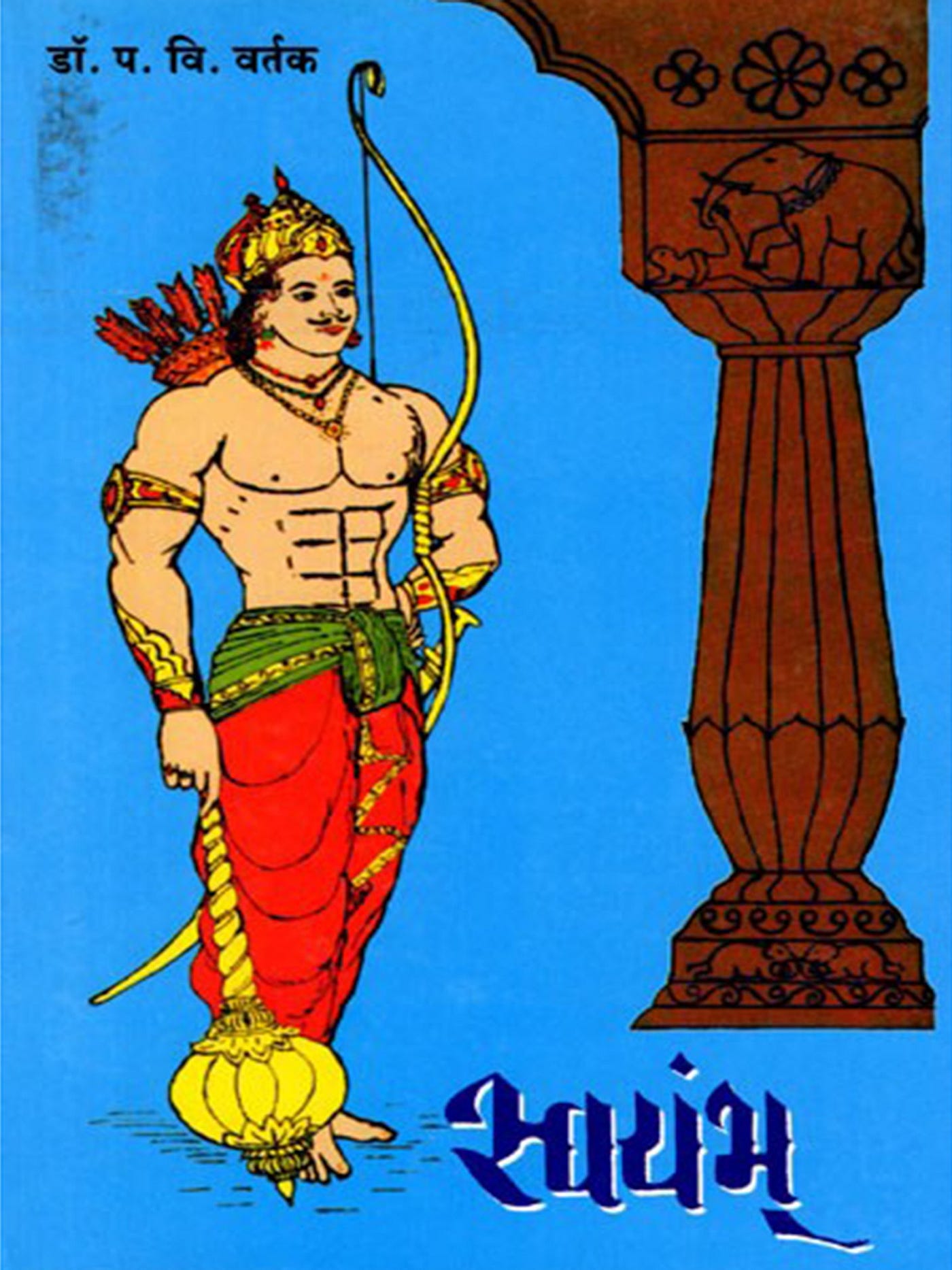
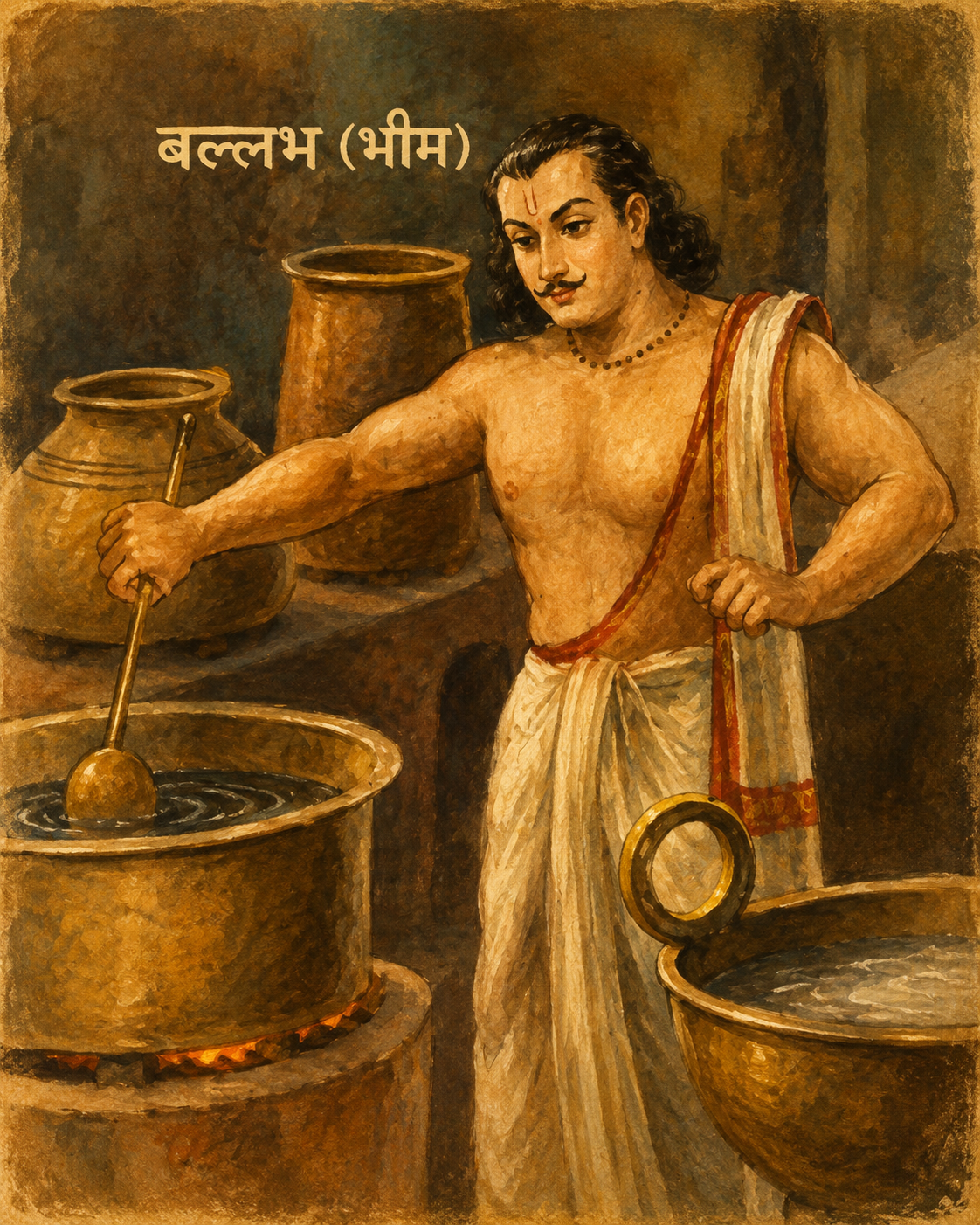
Forgotten Narottama: Rediscovering Bhima, the True Hero of the Mahābhārata’s Jaya
When we think of the Mahābhārata, names like Krishna, Arjuna, and Yudhisthira often come to the forefront. The divine strategist, the…
Forgotten Narottama: Rediscovering Bhima, the True Hero of the Mahābhārata’s Jaya
When we think of the Mahābhārata, names like Krishna, Arjuna, and Yudhisthira often come to the forefront. The divine strategist, the skilled archer, the righteous king-each occupies a celebrated role. Yet, buried in the depths of the epic’s verses lies a figure often overshadowed but undeniably the real heroic force: Bhimasena, the mighty Bhima.
This blog is an exploration into an overlooked truth hidden in one of the Mahābhārata’s opening verses — the shloka that invokes the lineage of the war’s epic narration, the Jaya. Through a close reading and grammatical analysis, we reveal how the word “Narottama” (the best among men) can only fittingly apply to Bhima — the true human hero of Kurukshetra.
The Shloka That Starts It All
The verse in question is:
नारायणं नमस्कृत्य नरं चैव नरोत्तमम् । देवीं सरस्वतीं व्यासं ततो जयमुदीरयेत् ॥
Let’s translate this word-by-word:
- नारायणं (Nārāyaṇam) — Bow to Sage Narayana (the divine, often identified as the incarnation of Lord Vishnu).
- नरं (naram) — Bow to the Sage Nara (accomplice of Narayana).
- चैव (cha eva) — And indeed/also.
- नरोत्तमम् (narottamam) — The best among men.
- देवीं सरस्वतीं (devīṃ Sarasvatīṃ) — The goddess Saraswati (goddess of knowledge).
- व्यासं (Vyāsam) — Sage Vyasa.
- ततो जयमुदीरयेत् (tato jayam udīrayet) — Then begin the recitation of the Jaya (the war chronicle).
Why “Nara” and “Narottama” Are Distinct
Notice the particles चैव (cha eva) connecting naram and narottamam. This is a conjunctive emphatic particle, which — in classical Sanskrit grammar — indicates two separate entities rather than a compound or appositional phrase.
This means the verse asks the reader or reciter to bow first to the divine (Narayana), then to the man (nara), and also to the best among men (narottama) — two distinct human entities.
If narottama were just a qualifying epithet for nara, the grammar would reflect a compound or appositional structure, not a coordinated pair. Thus, the verse clearly honors two separate beings: nara and narottama.
So Who Is Narottama?
Within the Mahābhārata’s human landscape, several candidates could fit “the best among men.” But a close literary and ethical reading narrows the choice considerably.
- Arjuna, often called the greatest archer, is a brilliant warrior but riddled with hesitation and doubt, needing Krishna’s guidance to overcome his paralysis.
- Yudhiṣṭhira, the eldest, is morally upright but often indecisive and reluctant to engage fully in battle.
- Krishna, revered as divine, transcends human limitations — making him more than human, not “the best among men” in a literal human sense.
Enter Bhimasena — the mighty Bhima.
Bhima: The True Narottama of the Jaya
Bhima exemplifies the classical hero in the epic sense:
- Strength and Courage: The colossal warrior who kills all the Kauravas as vowed.
- Unwavering Resolve: Acts decisively and without hesitation to uphold dharma.
- Moral Clarity: Unlike Arjuna’s philosophical doubts, Bhima never wavers from his sense of justice and duty.
- Fulfiller of Oaths: The only Pandava who faithfully carries out every vow related to vengeance and justice.
In these qualities, Bhima matches perfectly with the meaning of Narottama — the best among men.
The Jaya — A War Record Centered on Bhima’s Heroism
The Jaya is the earliest narrative record of the Kurukshetra war — an epic of human courage, struggle, and victory.
The Jaya begins with a profound invocation that honors the cosmic sage-duo: Nara and Narayana. It first salutes Narayana, the divine principle, and then Nara, the human aspirant — together representing the ideal union of the divine and human. This invocation sets the spiritual foundation before honoring Narottama, the best among men, followed by the goddess Saraswati and sage Vyasa, culminating in the commencement of the war chronicle, the Jaya.
The structure implicitly sets Narottama as the key human hero of this epic recounting — and that can only be Bhima.
Why Has Bhima Been Forgotten as Narottama?
Over centuries, devotional traditions have understandably elevated Krishna and Arjuna as divine and heroic figures. The theological overlay often eclipses the very human heroism of Bhima.
But a fresh and unprejudiced reading, focusing on the literal grammar, context, and narrative ethics, reveals Bhima’s rightful place as the forgotten Narottama — the true human hero whose strength and action shaped the victory at Kurukshetra.
Conclusion
The shloka’s grammar and structure clearly distinguish nara and narottama as separate honors. The literary and ethical reading of the Mahābhārata, free from devotional bias, points unmistakably to Bhima as the real Narottama — the best among men and the true hero of the Jaya.
Remembering Bhima as Narottama restores the epic’s human core and recognizes the might, courage, and dharma embodied in the mighty Bhimasena — the warrior who carried the battle on his broad shoulders and ensured victory through his indomitable spirit.
If you’re intrigued by this perspective and want to dive deeper into Bhima’s heroic role or explore the grammar and philosophy behind these verses, stay tuned for more posts!
메타데이터
- post_id
- 8a90bad46028
- slug
- forgotten-narottama-rediscovering-bhima-the-true-hero-of-the-mahābhāratas-jaya-8a90bad46028
- url
- https://medium.com/@vajravak/forgotten-narottama-rediscovering-bhima-the-true-hero-of-the-mah%C4%81bh%C4%81ratas-jaya-8a90bad46028
- canonical_url
- https://medium.com/@vajravak/forgotten-narottama-rediscovering-bhima-the-true-hero-of-the-mah%C4%81bh%C4%81ratas-jaya-8a90bad46028
- author_url
- https://medium.com/@vajravak
- status
- ok
- fetched_at
- 2026-06-24 11:06:28