Korean Medicine 101 #15: Sasang and Herbal Formulas — Why “Type-Based Prescriptions” Can Help (and…
One of the biggest reasons Sasang became popular online is also one of its biggest risks.
Korean Medicine 101 #15: Sasang and Herbal Formulas — Why “Type-Based Prescriptions” Can Help (and Why Self-Prescribing Can Backfire)
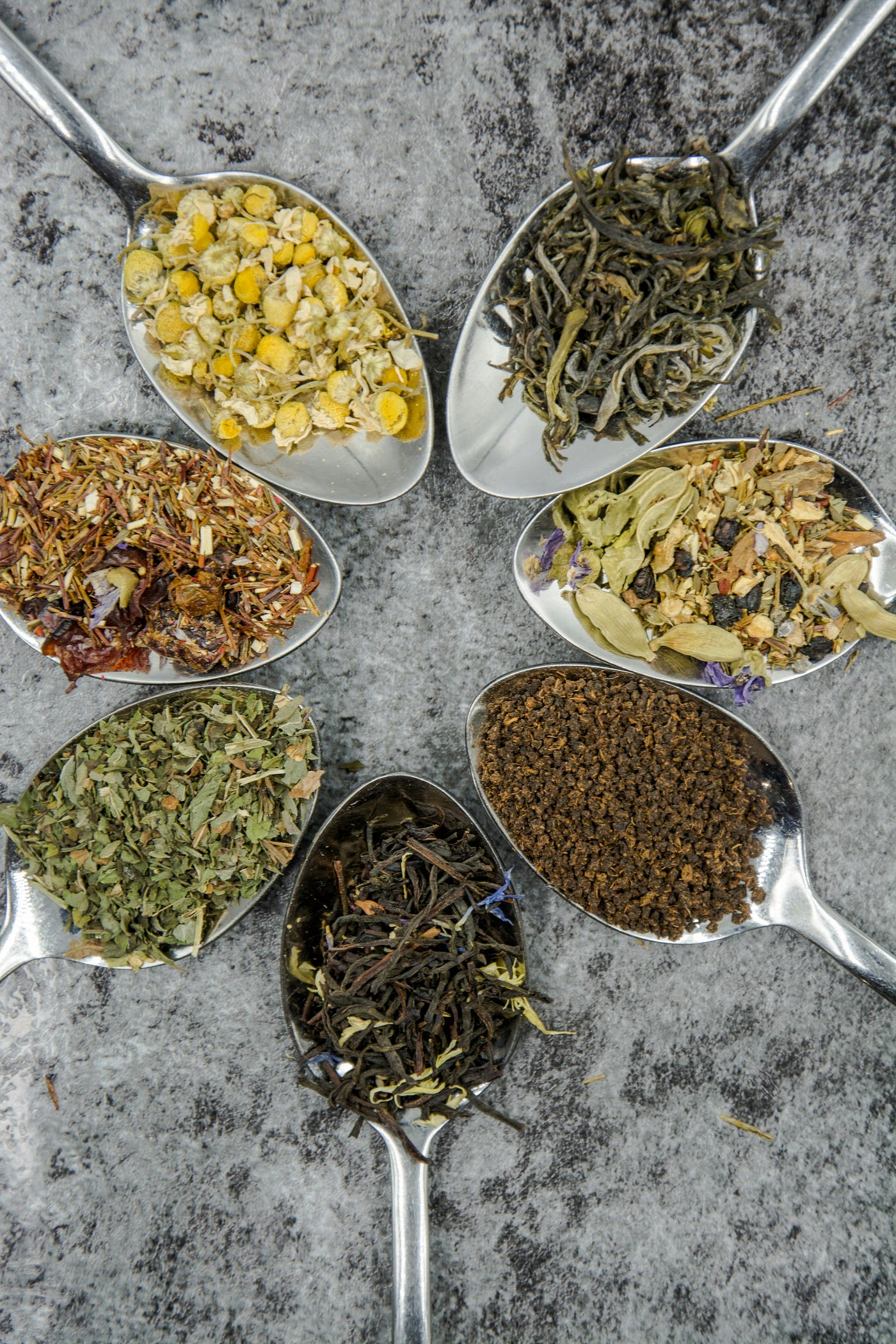
One of the biggest reasons Sasang became popular online is also one of its biggest risks.
It offers a tempting shortcut: “If I know my constitution, I’ll know which herbs I should take.”
Clinically, Sasang constitutional thinking can guide herbal strategy. But it is not a vending machine for “type-based pills.” In real practice, prescriptions still depend on the current pattern, the person’s medical context, and ongoing reassessment.
This episode explains how Sasang intersects with herbal medicine, why type-based prescriptions can be helpful, where they go wrong, and what responsible practice looks like.
First: Sasang is a constitutional layer, not the whole prescription
A simple way to hold this correctly is:
- Constitution (Sasang): your baseline tendencies
- Current pattern (state): what is happening right now
- Herbal formula: chosen to match the current pattern, within the constitutional terrain
If you skip the “current pattern” step, you can select a formula that is directionally wrong — even if your constitution guess is correct.
Why type-based prescriptions can be helpful (when done well)
1) They can increase “fit” and reduce trial-and-error
Constitutional thinking can help anticipate:
- whether a strongly warming approach is likely to overstimulate
- whether dispersing formulas may deplete someone with low reserves
- whether tonifying formulas may cause heaviness/retention in someone prone to congestion
In other words, Sasang can help avoid predictable mismatches.
2) They support long-term stability, not just symptom suppression
When used responsibly, Sasang-guided herbal strategy often aims to:
- stabilize digestion baseline
- improve recovery capacity
- reduce relapse patterns under stress or seasonal triggers
- support regulation rather than chasing every symptom
3) They can clarify why the “same formula” affects people differently
Two people may take the same formula. One improves, one gets side effects. Sasang helps explain why baseline terrain matters.
Where it goes wrong: the three common failure modes
1) Mis-typing (wrong constitution)
Online quizzes and simplified charts often misclassify people — especially when their current state is extreme (stress, insomnia, dieting, postpartum, illness recovery).
If constitution is wrong, “type-based prescription” becomes random.
2) Ignoring the current pattern
Even with correct constitution, the current pattern can demand the opposite strategy.
Example (conceptual):
- someone with a baseline cold tendency may currently be in a heat-reactive flare
- someone with a baseline robust constitution may currently be depleted after illness
If you prescribe only by baseline, you may worsen the current state.
3) Treating “natural” as automatically safe
Herbal formulas can interact with medications, affect blood pressure, sleep, bleeding risk, glucose control, and more. “Natural” does not remove pharmacology.
This is the core reason self-prescribing based on Sasang content is risky.
What a responsible Sasang-informed herbal process looks like
In real clinic practice, it usually follows a sequence like this:
Step 1) Clarify constitution as a working hypothesis
Not identity — working hypothesis. Often refined over time.
Step 2) Determine the current pattern
Cold/heat, deficiency/excess, stagnation, dryness/dampness, and symptom timing.
Step 3) Choose a base formula that matches the current pattern
Then adjust it to fit the person’s constitution, digestion tolerance, and sensitivity.
Step 4) Screen for safety
- current medications
- pregnancy/breastfeeding
- chronic diseases (liver, kidney, heart, thyroid)
- allergy history
- sleep and anxiety sensitivity
Step 5) Reassess and adjust
Formula-based herbal care is iterative. A responsible clinician expects to adjust based on response.
Why “one formula for my type” is a red flag
If a product or post says:
- “If you are Taeeumin, take this daily.”
- “Soeumin must take this to fix digestion.”
- “Soyangin should detox with this formula.”
…treat it as marketing, not medicine.
Because it bypasses:
- current state evaluation
- contraindications
- medication interactions
- dosing and duration decisions
- monitoring side effects
Type can guide. Type cannot replace clinical reasoning.
Practical safety: what you should never do with type-based herbal content
Avoid self-prescribing if any of the following apply:
- you take prescription medications (especially anticoagulants, antiplatelets, cardiac drugs, thyroid meds, psychiatric meds)
- you are pregnant, trying to conceive, or breastfeeding
- you have chronic liver/kidney/heart disease
- you have severe insomnia, panic symptoms, or are sensitive to stimulants
- you have abnormal labs that require medical management
If you still want to explore, do it through:
- professional supervision
- reputable sourcing and clear dosing
- careful observation and reassessment
A reader’s checklist: how to spot responsible Sasang-herb content
Good content usually includes:
- “Constitution is not enough; current pattern matters.”
- Clear safety boundaries and “do not self-prescribe” statements.
- Mention of medication interactions and special populations.
- Realistic outcomes and reassessment.
- No miracle claims and no fear-based marketing.
If those are missing, assume the content is optimized for selling, not for clinical safety.
Next episode
Korean Medicine 101 #16: Sasang in Real Life — How to Use Constitution for Prevention Without Becoming Rigid We’ll translate Sasang into a practical lifestyle framework (sleep, pacing, stress response, seasonal strategy) that supports stability without identity-labeling.
About the author
Jayoun Cho is a licensed Korean medicine doctor (KMD) practicing in Seoul, Korea, with 15 years of clinical experience. She studied Computer Science at Seoul National University and Korean Medicine at Kyung Hee University, and later trained in Counseling Psychology at Kyung Hee Cyber University.
[embed]조자연의 현대과학과 한의학 연구노트 : 네이버 블로그 Edit descriptionblog.naver.com
[embed]조자연의 브런치스토리 에세이스트 | 한의사, 그리고 글쓰는 사람. 진료실에서 시작된 이야기를 글로 옮기며 삶을 고치는 시간을 기록합니다.brunch.co.kr
메타데이터
- post_id
- 8a96eb31aa6c
- slug
- korean-medicine-101-15-sasang-and-herbal-formulas-why-type-based-prescriptions-can-help-and-8a96eb31aa6c
- url
- https://medium.com/@balanceorigin/korean-medicine-101-15-sasang-and-herbal-formulas-why-type-based-prescriptions-can-help-and-8a96eb31aa6c
- canonical_url
- https://medium.com/@balanceorigin/korean-medicine-101-15-sasang-and-herbal-formulas-why-type-based-prescriptions-can-help-and-8a96eb31aa6c
- author_url
- https://medium.com/@balanceorigin
- status
- ok
- fetched_at
- 2026-07-31 14:10:08