Part V — Regret
Part five of a series chronicling Hurricane Helene recovery from the perspective of a homeowner, disaster recovery volunteer, and community…
Part V — Regret
Part five of a series chronicling Hurricane Helene recovery from the perspective of a homeowner, disaster recovery volunteer, and community advocate.
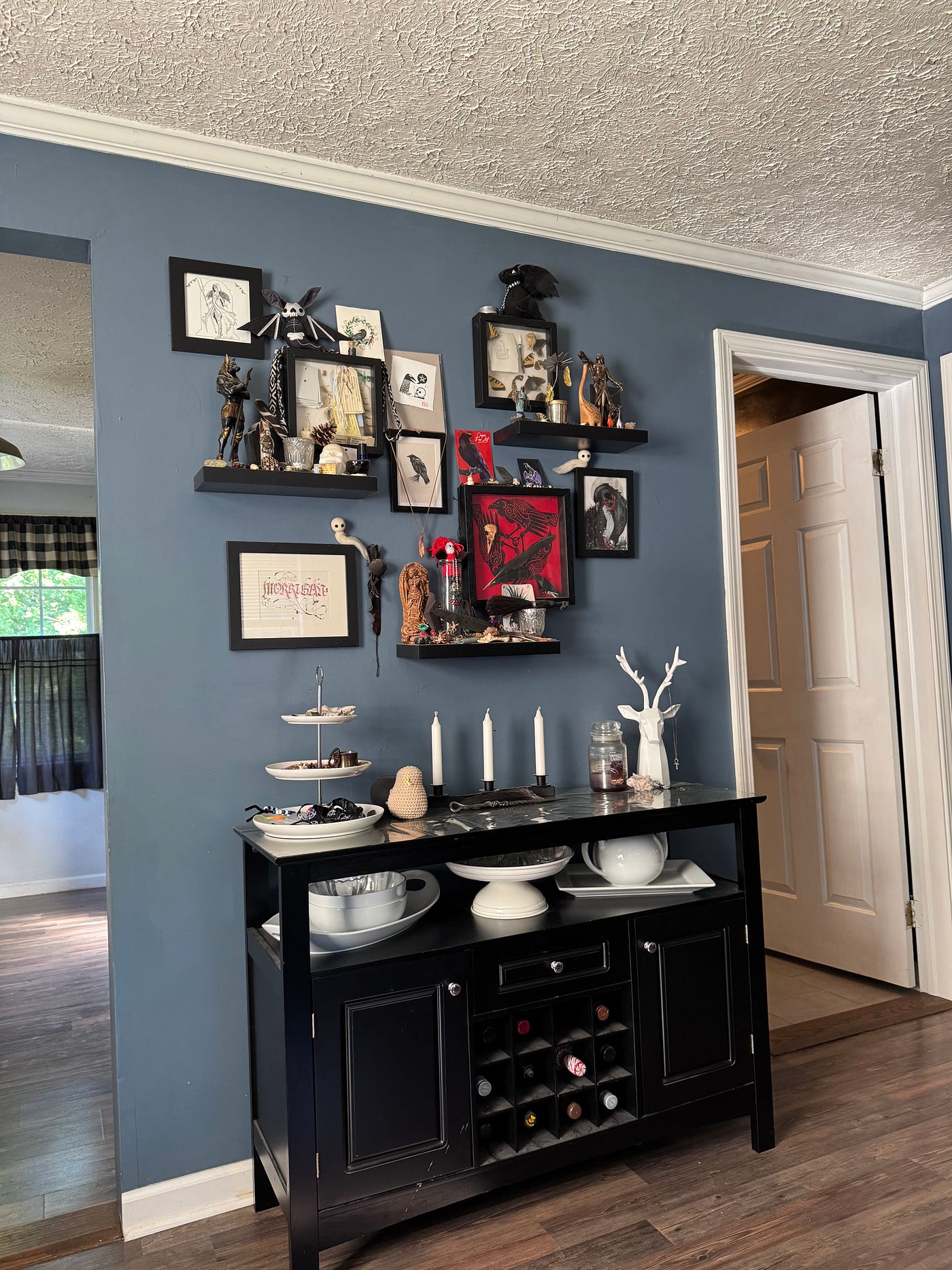
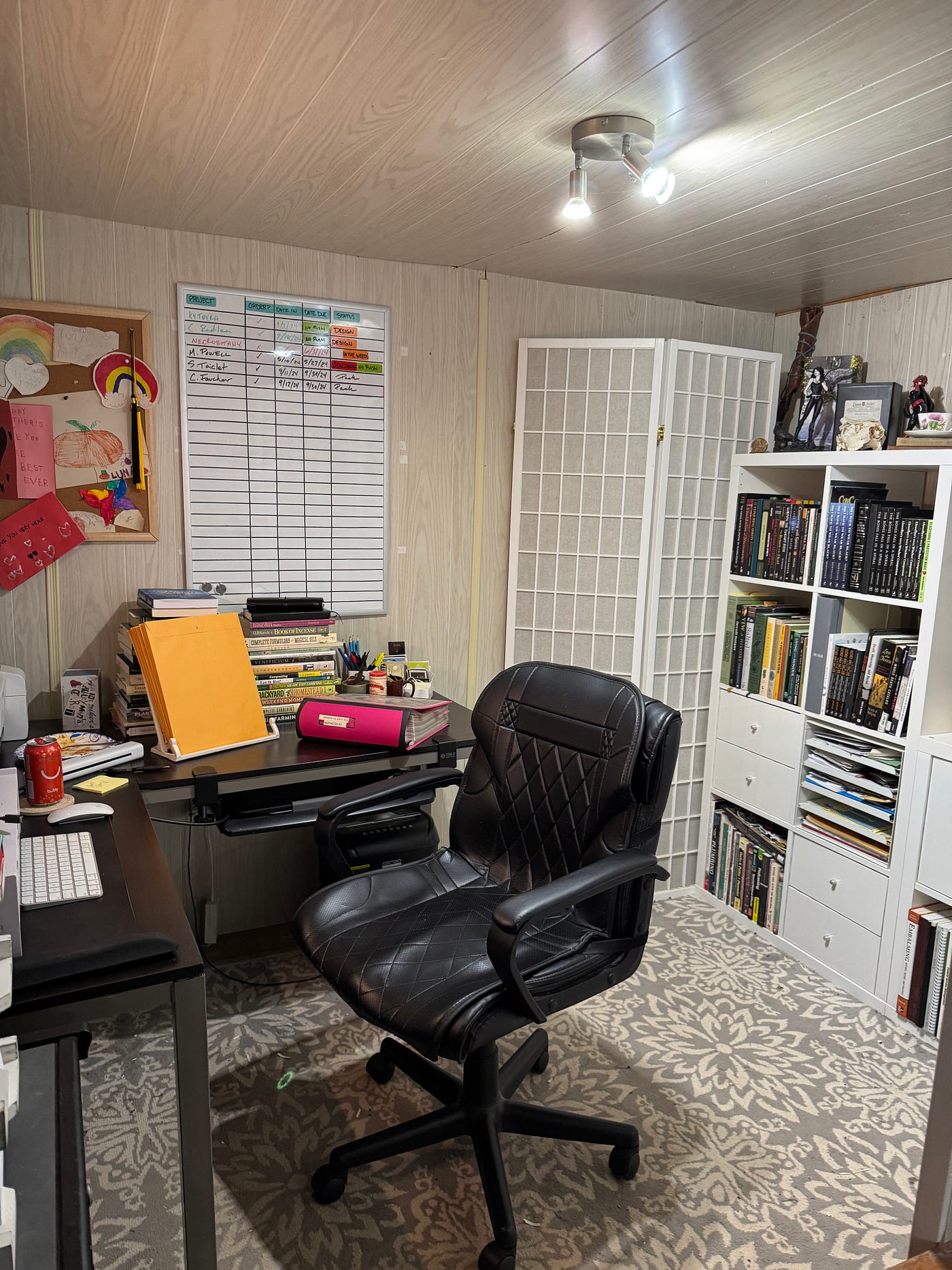
When I was a child that spot was where my grandmothers wood-burning stove sat, today, it’s where I pray.
We tend to look back on younger versions of ourselves with a kind of pitying warmth. We cringe at the haircuts and the clothes, the relationships we stayed in too long. We think about jobs we should have taken, cities we should have moved to, opportunities we were unable to see, arguments that now seem impossibly small, and convictions we once held with absolute certainty. Time has a way of sanding the sharp edges off our mistakes until they become stories we’re almost fond of telling.
We laugh a little and forgive a lot, understanding that we could have only made the decisions we did, given what we knew at the time.
I’ve always said that I don’t believe in regrets.
Mistakes have always taught me something worth learning, and most of my wrong turns eventually became roads I was grateful to have traveled. It’s always seemed unfair to judge an earlier version of myself by knowledge they couldn’t possibly have possessed.
Then I think about September 6, 2024.
I remember with absolute clarity sitting at my computer that day, comparing deductibles and reading policy language I could barely comprehend, trying to balance the protection we needed against what we could actually afford each month. It felt as though I compared every insurance company on the planet before finally settling on Geico, who I would later learn outsourced homeowners insurance in our area to a company called Homesite. Then I went through every option with meticulous care.
Flood insurance was optional, and it also cost a not insignificant amount more each month, so I did what I have always done when faced with an important decision: I researched.
I looked at floodplain maps and searched the history of flooding in Rutherford County and read rainfall records and compared deductibles and coverage limits and looked for previous hurricanes and searched for photographs and tried to understand the difference between surface water and wind-driven rain. I wanted certainty, and like so many people who have been poor for most of their lives, I wasn’t trying to answer the question, What is the best coverage? I was trying to answer the question, What protection can we realistically afford?
After all of that work and careful research — after convincing myself I had been thorough and responsible — I confidently clicked “No” next to flood insurance twenty-one days before Hurricane Helene made landfall.
When I think back to that afternoon now, what haunts me isn’t that I made the wrong decision — it’s that I remember feeling so certain I had made the right one.
There is a particular cruelty to hindsight.
The person I was that afternoon wasn’t reckless. I wasn’t careless. I wasn’t gambling. I was trying to make the best decision I could, with the information available to me and the money we actually had. Had I known what was coming? Of course I would have paid the higher premium. Of course I would have chosen the lower deductible. Of course I would have insured against the unimaginable.
But the unimaginable has a way of remaining unimaginable until it isn’t.
When I think back on that afternoon now, I don’t feel nostalgia or embarrassment. I feel responsible. As though every hurt and harm inflicted on the people I love rests somehow on my shoulders.
When Hurricane Helene made landfall, I hadn’t even closed the browser tabs. The floodplain maps and insurance comparisons and all that careful research I’d done to reassure myself that we’d made the responsible choice were still open, waiting for me to come back to them, as though the decision hadn’t already become irreversible.
I can still see myself zooming in on those maps, reading article after article, comparing policies, feeling quietly satisfied that I’d done my homework, and I want to reach through time and stop myself. I want to tell that version of me to spend the money. To ignore the maps. To distrust the confidence that comes from careful research when the world itself is changing faster than the data we use to understand it.
But I can’t.
Instead, I have to live with the knowledge that I wasn’t wrong because I failed to prepare — I was wrong because I prepared for the world as it had always been instead of the world it was becoming.
That, I think, is the hardest kind of regret.
For those of you considering flood insurance of your own, please know that FEMA administers the National Flood Insurance Program to help make flood insurance more accessible throughout the United States. I hope you’ll never need it, and that you never have to wonder what would have happened if you’d clicked “Yes.”
메타데이터
- post_id
- 8b74ff33996a
- slug
- part-v-regret-8b74ff33996a
- url
- https://medium.com/building-sanctuary/part-v-regret-8b74ff33996a
- canonical_url
- https://medium.com/building-sanctuary/part-v-regret-8b74ff33996a
- author_url
- https://medium.com/@acrowandthedead
- status
- ok
- fetched_at
- 2026-07-14 12:07:13