Illankam: “From Martial Legacy to Sacred Heritage”
The Nair Illankams played a crucial role as a primary supplier of soldiers to the Venad Kingdom. These Illankams functioned as training…
Illankam: “From Martial Legacy to Sacred Heritage”
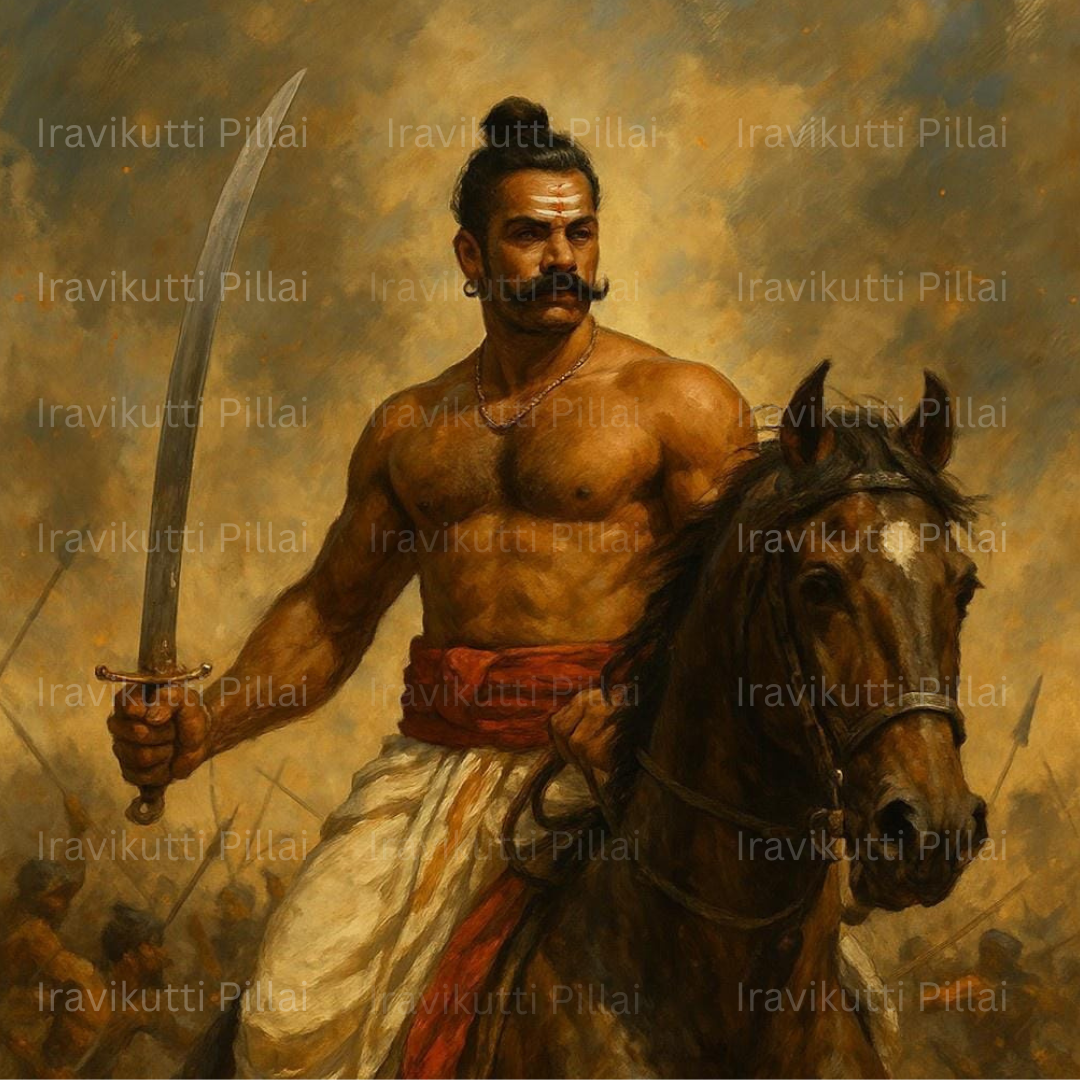
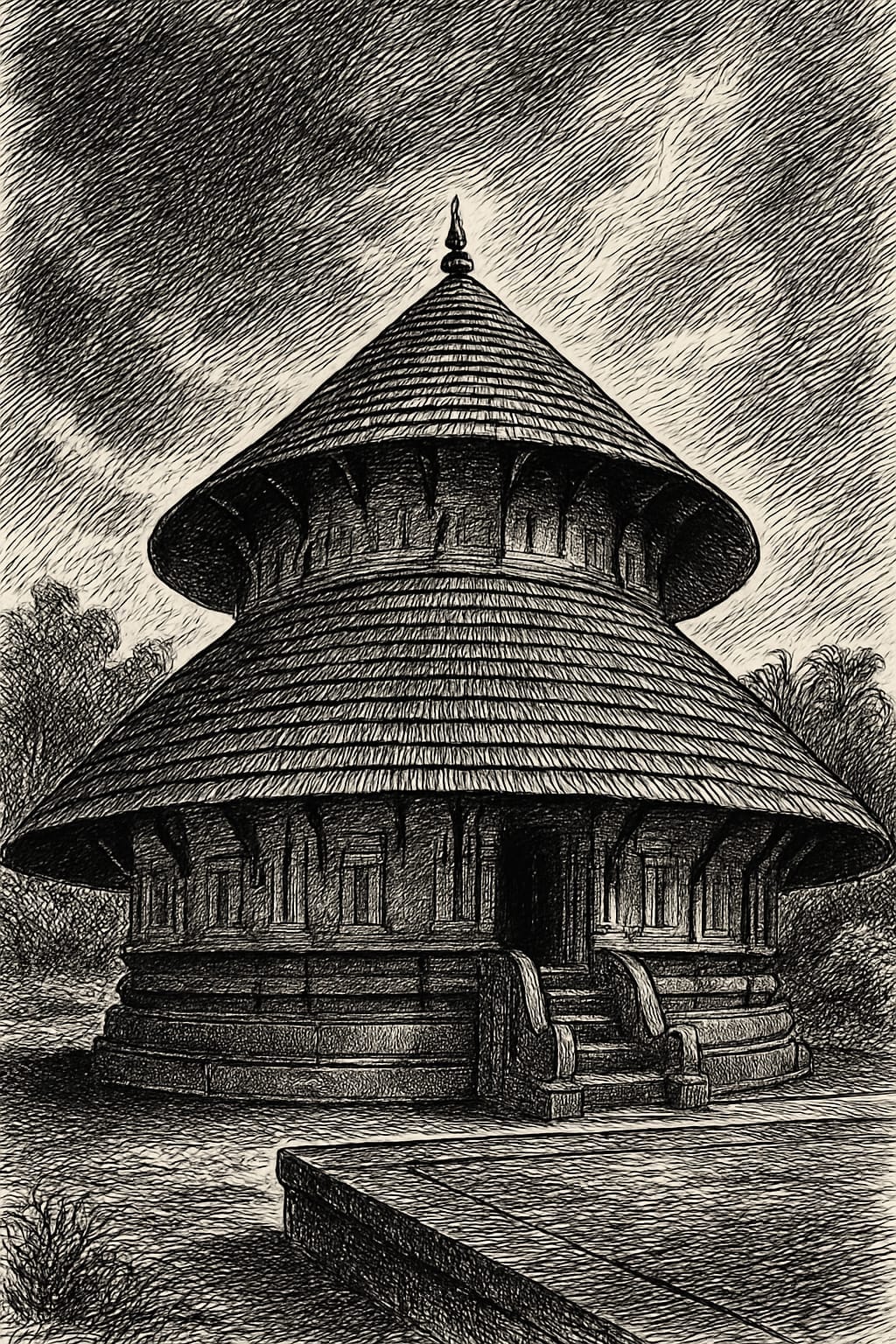
The Nair Illankams played a crucial role as a primary supplier of soldiers to the Venad Kingdom. These Illankams functioned as training centers where Nairs practiced the martial art of Kalaripayattu. Governed by the Nair aristocracy, those who bore the title “Pillai” in South Kerala, these institutions held great military and cultural significance. It is important to distinguish these Nair Pillais, prominent in the history of Travancore, from the Vellala Pillais. The former played a key role in the administration and military affairs while the latter are related to land related occupations. References to Illankams can be found in southern ballads. Historical accounts describe Iravikutty Pillai, a renowned warrior, visiting his Illankam and paying homage to his Kula Devata before embarking on military campaigns. Numerous households and temples in the past bore the name Illankam, reflecting their importance in Kerala’s military department. The primary deity worshipped in these centers was Bhadrakali, revered as a martial goddess. The association between the Nairs and Bhadrakali is evident throughout Kerala. Ritualistic performances such as Padayani, a war dance of the Nair battalions, and Bhadrakali Kalapattu, a devotional offering in Nair aristocratic households (Tharavads), underscore this connection. Bhadrakali, also venerated as Porkali and Kalari Bhagavathi, epitomized the warrior spirit deeply ingrained in Nair traditions.
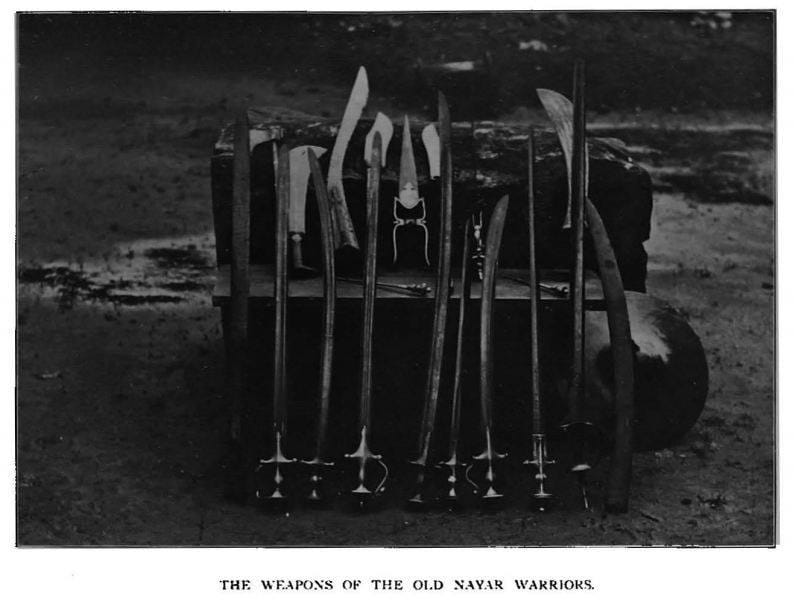
The conflict between the Pillamars and the kings played a pivotal role in centralizing Kerala’s power structure. Throughout history, there were instances when military Nairs and warlords wielded significant influence over rulers such as the Samoothiri (Zamorin) and Marthanda Varma, owing to the formidable army units under their command. In South Kerala, these military organizations were known as Illankams, while in North Kerala, similar units were referred to as Kalaris. It is speculated that the system of kalaris and Illankam emerged after the demise of Cheraman Perumal. Prior to this period, Kerala’s military framework was structured around units known as Hundreds and Six Hundreds, which might have evolved into independent military organizations called Illankams. Dutch sources from the colonial era indicate that the Pillamars held considerable power, even influencing the selection of the next Kulasekhara Perumal. This influence likely stemmed from the autonomy of the military units commanded by these Nair soldiers. The Pillamars had the ability to dethrone a ruler and install a king from a different Swaroopam (royal house), highlighting their role as a powerful force in Kerala’s political landscape. This demonstrates that the Nair aristocracy, through the institution of Illankams, functioned as a significant counterbalance to the monarchy, reinforcing the notion that kingship in Kerala was not an absolute or independent authority.

Muriyathhotam Tharavad is one such an Illanklam which provides soldiers to Venad. This Illanlam is 50 feet long. The Illnakma also have shrine for bagavathy. When the King Anizham Thirunal Marthand Varma faced problems from Ettiveetil Pillais and his own cousins he used to hide in the Muriyathotam tharavad. Once the enemies came to know about this sodies surrounded the tharavad and a heavy fight got started. During the skirmish, the Tharawad was set on fire, but Marthanda Varma managed to escape through a secret tunnel. Though the Tharawad was reduced to ashes, the Illankam miraculously remained unscathed. The prince, considering this a divine intervention, later offered prayers at the temple after ascending the throne. In recognition of the Karanavar’s loyalty, the king granted the family tax exemptions. On one occasion, while visiting the Tharawad, the king was introduced to another family deity — a Sastha temple near Chovvara. In Kollam Year 1101, following the Nair Regulation Act, the temple lands were divided, with portions allocated to the Devi temple and the Chovvara Sastha temple. Elders from the family were entrusted with temple management. However, when maintaining the temple became increasingly difficult, the family handed over its administration to the Akhilabharatiya Ayyappa Seva Trust, ensuring its continued preservation.
In 1980, the Arapura Sakha, Thekke Veedu, Mumthottam Sakha, and Keezhae Veedu Sakha — branches of the main Tharawad — came together to form a trust and undertook the renovation of the temple. Following a Deva Prashna (a traditional astrological consultation for divine guidance), it was decided that the Devi temple would be reconstructed in 1987 according to the Dakshinachara Sampradaya (a right-hand path tradition of worship). The temple continues to house an ancient idol of Lord Ganesha, which is over a century old. On January 1, 1987, the newly renovated temple was consecrated (Pratishta), and during the ceremonies, several divine signs were reportedly witnessed by the local residents.
This transformation reflects a broader historical trend, where several Illankams across Travancore evolved into temples following the decline of the Nair aristocracy’s military tradition. These sacred spaces now serve as enduring legacies of Kerala’s martial and spiritual heritage.
Information creidts: Annandhu Kannan
메타데이터
- post_id
- 8b9a9ecfce9b
- slug
- illankam-from-martial-legacy-to-sacred-heritage-8b9a9ecfce9b
- url
- https://medium.com/@nairsofkerala/illankam-from-martial-legacy-to-sacred-heritage-8b9a9ecfce9b
- canonical_url
- https://medium.com/@nairsofkerala/illankam-from-martial-legacy-to-sacred-heritage-8b9a9ecfce9b
- author_url
- https://medium.com/@nairsofkerala
- status
- ok
- fetched_at
- 2026-06-11 10:13:20