How Should People With Obesity Eat Every Day? A Practical Healthy Eating Guide for Weight Loss
For people living with obesity, deciding what to eat every day can feel confusing. There is no shortage of diet plans, weight loss…
How Should People With Obesity Eat Every Day? A Practical Healthy Eating Guide for Weight Loss
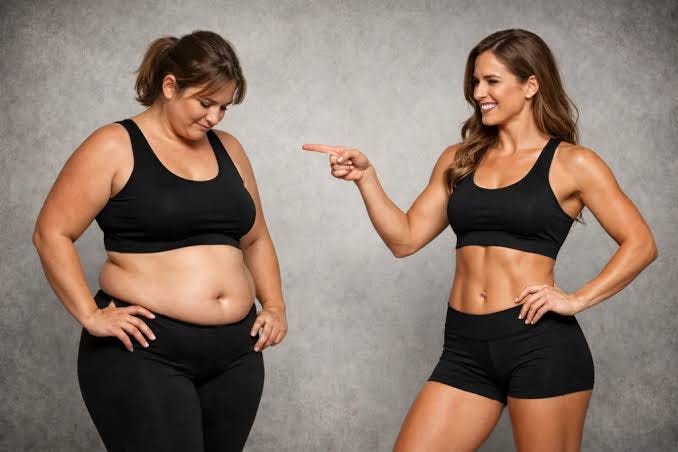
For people living with obesity, deciding what to eat every day can feel confusing. There is no shortage of diet plans, weight loss programs, low-carb diets, fasting methods, and online advice. However, successful weight management usually does not depend on following an extreme diet.
A healthier approach is to build a realistic eating pattern that reduces excess calories while providing enough protein, fiber, vitamins, minerals, and other nutrients. A sustainable diet can help support gradual weight loss and make it easier to maintain a healthier weight over time. The National Institute of Diabetes and Digestive and Kidney Diseases (NIDDK) recommends healthy eating and regular physical activity as important parts of long-term weight management.
How should people with obesity eat every day?
The answer is simple: focus on nutrient-dense foods, reasonable portions, plenty of vegetables and fiber, adequate protein, fewer sugary drinks and highly processed foods, and eating habits that can realistically be maintained for months and years.
1. Build Meals Around Vegetables
Vegetables should have an important place on the plate when you are trying to lose weight.
Vegetables such as broccoli, spinach, cabbage, carrots, tomatoes, peppers, green beans, cauliflower, zucchini, mushrooms, and leafy greens provide important nutrients while many are relatively low in calories.
A simple strategy is to make vegetables one of the largest parts of lunch and dinner. For example, instead of having a large serving of pasta with a small amount of vegetables, try a smaller serving of whole-grain pasta with grilled chicken and a generous portion of mixed vegetables.
Vegetables also add volume and fiber to meals, which can make a reduced-calorie eating plan easier to follow.
NIDDK recommends eating a variety of colorful vegetables as part of a healthy eating pattern.
Easy ways to eat more vegetables
· Add spinach or tomatoes to eggs.
· Put sliced vegetables in sandwiches.
· Eat a side salad with lunch.
· Add broccoli, peppers, or mushrooms to dinner.
· Choose steamed vegetables instead of French fries.
· Keep washed carrots, cucumber, and peppers available for snacks.
The goal is not to make every meal perfect. The goal is to make vegetables a normal part of everyday eating.
2. Choose Protein at Every Main Meal
Protein is another important part of a weight loss diet.
Good protein choices include chicken breast, turkey, fish, eggs, Greek yogurt, cottage cheese, tofu, beans, lentils, peas, and other lean protein foods.
Protein can make meals more satisfying and can help you maintain muscle while losing weight. The exact amount of protein a person needs varies according to body size, age, activity level, health status, and other factors.
Instead of building meals around highly processed carbohydrates, try making protein the center of the meal.
For example:
Breakfast: Eggs with vegetables and whole-grain toast.
Lunch: Grilled chicken salad with beans.
Dinner: Baked salmon, vegetables, and brown rice.
Snack: Plain Greek yogurt with berries.
NIDDK lists seafood, lean meats, poultry, eggs, beans, peas, nuts, and seeds among nutrient-rich food choices.
3. Eat More High-Fiber Foods
Fiber is especially useful when building a healthy diet for weight loss.
High-fiber foods include vegetables, fruits, beans, lentils, peas, oats, barley, brown rice, whole-grain bread, whole-grain pasta, nuts, and seeds.
Fiber-rich foods can help create satisfying meals without relying on large amounts of calorie-dense foods. Whole grains can also replace refined grains such as white bread, white rice, and regular pasta.
The Dietary Guidelines for Americans have emphasized increasing dietary fiber while reducing added sugars, saturated fat, and sodium.
High-fiber foods to include regularly
· Oatmeal
· Apples
· Pears
· Berries
· Beans
· Lentils
· Chickpeas
· Broccoli
· Brussels sprouts
· Sweet potatoes
· Brown rice
· Whole-grain bread
· Chia seeds
· Nuts
Increase fiber gradually and drink enough fluids, particularly if your current diet is low in fiber.
**Reference Book:The Encyclopedia of Power Foods- Latest 2025/6!**
4. Control Portion Sizes
Healthy foods can still contribute to weight gain when portions are consistently too large.
Portion control is therefore one of the most practical weight management strategies.
You do not necessarily need to weigh every ingredient or count every calorie for the rest of your life. Instead, start by paying attention to serving sizes.
A useful approach is to divide your plate into approximate sections:
· About half: vegetables and other non-starchy vegetables
· About one-quarter: lean protein
· About one-quarter: whole grains or another nutritious carbohydrate
· Add a small amount of healthy fat when appropriate
Your individual calorie requirements depend on factors such as age, sex, body size, metabolism, and physical activity level.
Restaurant portions can also be surprisingly large. Consider ordering a smaller meal, sharing an entrée, or taking half of the meal home.
5. Replace Sugary Drinks With Lower-Calorie Choices
One of the easiest ways to reduce unnecessary calories is to reconsider what you drink.
Soda, sweetened coffee, energy drinks, sweet tea, fruit drinks, and other sugar-sweetened beverages can contribute substantial calories without providing the same fullness as solid food.
For everyday hydration, water is usually the simplest choice.
Other options may include:
· Sparkling water without added sugar
· Unsweetened tea
· Black coffee
· Water with lemon or lime
· Low- or no-calorie beverages
NIDDK specifically notes that soda, juice, alcohol, and other sweet drinks can contain significant amounts of sugar and calories.
If you drink several sugary beverages every day, you do not necessarily have to eliminate them overnight. Gradually replacing them with water or unsweetened alternatives can be a more realistic starting point.
6. Choose Healthy Fats, But Watch the Amount
Fat is not automatically bad for weight loss. The important issue is the type and quantity.
Foods containing healthier unsaturated fats include:
· Avocado
· Olive oil
· Nuts
· Seeds
· Fatty fish
· Nut butters
However, healthy fats are still calorie-dense. Eating large amounts of olive oil, nuts, avocado, or other high-fat foods can make it difficult to maintain a calorie deficit.
Use reasonable portions rather than avoiding healthy fats completely.
For cooking, NIDDK suggests shifting from solid fats toward oils such as olive, canola, vegetable, or peanut oil.
7. Limit Highly Processed and High-Calorie Foods
You do not have to completely ban pizza, cookies, ice cream, chips, burgers, or other favorite foods.
A better long-term strategy is to make them occasional foods rather than everyday staples.
Foods that are high in added sugar, saturated fat, sodium, or calories can make weight management harder when consumed frequently.
Try simple substitutions:
Instead of: French fries Try: Roasted or steamed vegetables
Instead of: Sugary cereal Try: Oatmeal with berries
Instead of: Cookies every afternoon Try: Fruit and plain yogurt
Instead of: Sugary soda Try: Sparkling water
Instead of: Fried chicken Try: Grilled or baked chicken
NIDDK recommends limiting foods and drinks high in added sugars and solid fats and choosing whole grains, vegetables, fruits, lean proteins, and other nutrient-rich foods more often.
8. Do Not Skip Meals Just to Lose Weight
Some people believe that eating as little as possible is the fastest way to lose weight. In practice, extreme restriction can be difficult to maintain and may leave people excessively hungry later in the day.
Instead, establish a regular eating routine that fits your lifestyle.
Some people prefer three meals a day. Others do better with three smaller meals and one planned snack. The best pattern depends on individual hunger, schedule, medical conditions, and preferences.
The key is to avoid turning weight loss into a cycle of severe restriction followed by overeating.
A healthy weight loss plan should be realistic enough to continue long term.
9. Plan Healthy Snacks
Snacking is not necessarily a problem. The issue is what you eat and how much you eat.
Keeping nutritious snacks available can reduce the temptation to reach for high-calorie convenience foods when hunger appears.
Good options include:
· An apple with a small amount of peanut butter
· Greek yogurt
· Fresh berries
· Carrots with hummus
· A small handful of unsalted nuts
· A boiled egg
· Fresh fruit
· Low-fat cottage cheese
· Sliced cucumber and peppers
NIDDK recommends keeping healthier snacks available and choosing options lower in added sugar and salt.
**The Official Smoothie Diet™ 21-Day Weight Loss Program E-books**
10. Eat Slowly and Pay Attention to Hunger
Eating quickly can make it harder to notice when you are comfortably full.
Try putting down your fork between bites, eating at a table, and reducing distractions such as television or scrolling on your phone.
Pay attention to questions such as:
· Am I physically hungry?
· Am I eating because I am bored?
· Am I stressed?
· Am I eating because food is available?
· Am I already comfortably full?
NIDDK recommends eating at a table without distractions and paying attention to eating habits as part of weight-management efforts.
11. Read Nutrition Labels
Nutrition labels can help you compare products and understand what you are actually eating.
Pay attention to:
· Serving size
· Calories
· Protein
· Dietary fiber
· Added sugars
· Saturated fat
· Sodium
Remember that one package may contain multiple servings.
For example, if a package contains two servings and you eat the entire package, you may consume twice the calories, sugar, sodium, and other nutrients listed for one serving.
Learning to read food labels can make grocery shopping much easier.
12. A Simple One-Day Healthy Eating Example
Here is an example of what a balanced day might look like.
Breakfast
· Two eggs with spinach and tomatoes
· One slice of whole-grain toast
· A small serving of berries
· Unsweetened coffee or tea
Lunch
· Grilled chicken breast
· Large mixed vegetable salad
· Beans or chickpeas
· Small serving of brown rice
· Light olive-oil-based dressing
Afternoon Snack
· Plain Greek yogurt
· Fresh fruit
Dinner
· Baked salmon or tofu
· Steamed broccoli and other vegetables
· Small serving of quinoa or brown rice
· Water or unsweetened tea
Optional Treat
A small portion of chocolate, ice cream, or another favorite food can fit into an overall healthy eating pattern.
The important point is that a weight loss diet does not have to be boring or completely restrictive.
13. What Foods Should People With Obesity Limit?
There is no universal list of foods that every person with obesity must completely avoid. However, several categories are worth limiting because they can provide a lot of calories without making you feel satisfied for very long.
These include:
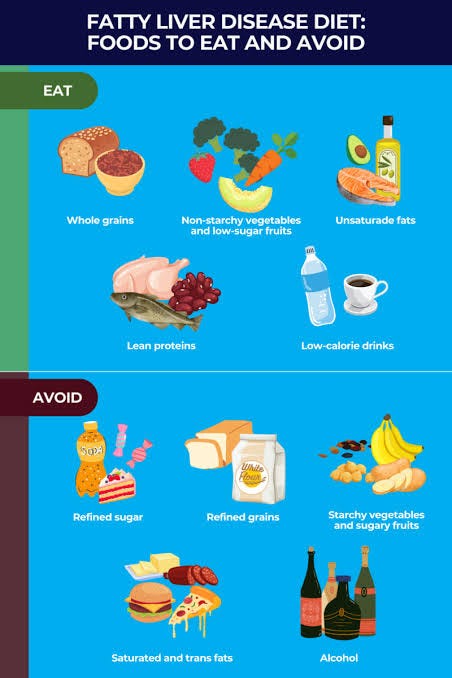
· Sugar-sweetened beverages
· Candy
· Cookies
· Cakes and pastries
· Deep-fried foods
· Large portions of fast food
· Highly processed snack foods
· Foods high in added sugar
· Foods high in saturated fat
· Excessive alcohol
· Large portions of refined carbohydrates
This does not mean these foods can never be eaten again.
For many people, a flexible approach is easier to maintain than an all-or-nothing diet.
14. Weight Loss Does Not Require a Perfect Diet
One high-calorie meal does not cause obesity, just as one healthy meal does not produce major weight loss.
Long-term habits matter more.
If you eat more than planned at a birthday party, restaurant, holiday dinner, or family gathering, simply return to your normal eating routine at the next meal.
Avoid the mindset of “I already ruined my diet, so I might as well keep eating.”
A setback is not failure. It is simply a reason to get back to the routine.
NIDDK recommends realistic goals and notes that setbacks can happen during weight loss.
15. Combine Healthy Eating With Physical Activity
Diet plays an important role in weight management, but physical activity also matters.
Walking, cycling, swimming, dancing, strength training, and other forms of movement can support overall health and help with maintaining weight loss.
NIDDK notes that adults may work toward at least 150 minutes of moderate-intensity aerobic activity per week, although individual exercise plans should take health status and physical ability into account.
If you are currently inactive, start with an amount that feels manageable. Even short periods of movement throughout the day can be a useful beginning.
16. Set Realistic Weight Loss Goals
People with obesity often feel pressure to lose weight quickly. Crash diets may promise dramatic results, but rapid and extreme approaches are often difficult to maintain.
A more practical goal is gradual, sustainable weight loss.
NIDDK notes that an initial goal of losing about 5% of starting body weight over six months can be appropriate for some people. Even modest weight loss can have meaningful health benefits.
For example, a person weighing 200 pounds might initially aim to lose around 10 pounds rather than expecting to lose 50 pounds immediately.
Your healthcare professional can help determine an appropriate goal based on your health and circumstances.
17. Should People With Obesity Follow a Special Diet?
Not necessarily.
There is no single “best diet for obesity” that works for everyone.
Some people may do well with a Mediterranean-style eating pattern. Others may prefer a DASH-style approach, a calorie-controlled higher-protein plan, or another balanced dietary pattern.
The most useful plan is one that:
· Provides adequate nutrition
· Creates an appropriate calorie deficit when weight loss is needed
· Fits your food preferences
· Works with your culture and lifestyle
· Is affordable
· Can be maintained long term
NIDDK emphasizes that a successful eating plan should be tailored to individual health needs, preferences, culture, and values.
18. When Should You Talk With a Healthcare Professional?
If you have obesity, especially if you also have high blood pressure, type 2 diabetes, sleep apnea, high cholesterol, kidney disease, or other health concerns, it is worth discussing weight management with a healthcare professional.
Certain medications and medical conditions can also affect body weight.
A doctor, registered dietitian, or qualified weight-management professional can help you develop an eating plan appropriate for your health needs.
For some people, lifestyle changes may be combined with prescription weight-loss medications or metabolic and bariatric surgery. These decisions should be made with a qualified healthcare professional rather than based on online diet advice.
Conclusion: What Should People With Obesity Eat Every Day?
A healthy diet for obesity does not need to be complicated.
Focus on vegetables, fruits, lean protein, whole grains, beans, and other high-fiber foods. Control portions, reduce sugary drinks, limit highly processed foods, choose healthier fats in moderate amounts, and create meals that are satisfying rather than extremely restrictive.
The goal is not to follow a perfect diet for two weeks. The goal is to create eating habits that you can continue for years.
If you are trying to lose weight, start with a few practical changes: replace sugary drinks with water, add vegetables to lunch and dinner, choose protein at every meal, reduce oversized portions, and keep healthier snacks available.
Small changes, repeated consistently, can become a meaningful part of long-term weight management. For people with obesity, working with a healthcare professional can also provide personalized guidance and help address medical factors that may affect weight loss.
메타데이터
- post_id
- 8ba96f84aedf
- slug
- how-should-people-with-obesity-eat-every-day-a-practical-healthy-eating-guide-for-weight-loss-8ba96f84aedf
- url
- https://medium.com/@zhz819/how-should-people-with-obesity-eat-every-day-a-practical-healthy-eating-guide-for-weight-loss-8ba96f84aedf
- canonical_url
- https://medium.com/@zhz819/how-should-people-with-obesity-eat-every-day-a-practical-healthy-eating-guide-for-weight-loss-8ba96f84aedf
- author_url
- https://medium.com/@zhz819
- status
- ok
- fetched_at
- 2026-08-15 05:31:41