How to Build Reward Systems That Keep Players Coming Back
In today’s competitive gaming landscape, creating a fun game is no longer enough. The real challenge lies in keeping players engaged long…
How to Build Reward Systems That Keep Players Coming Back
In today’s competitive gaming landscape, creating a fun game is no longer enough. The real challenge lies in keeping players engaged long after their first session.
This is where reward systems come into play. A well-designed reward system doesn’t just give players something, it gives them a reason to return.
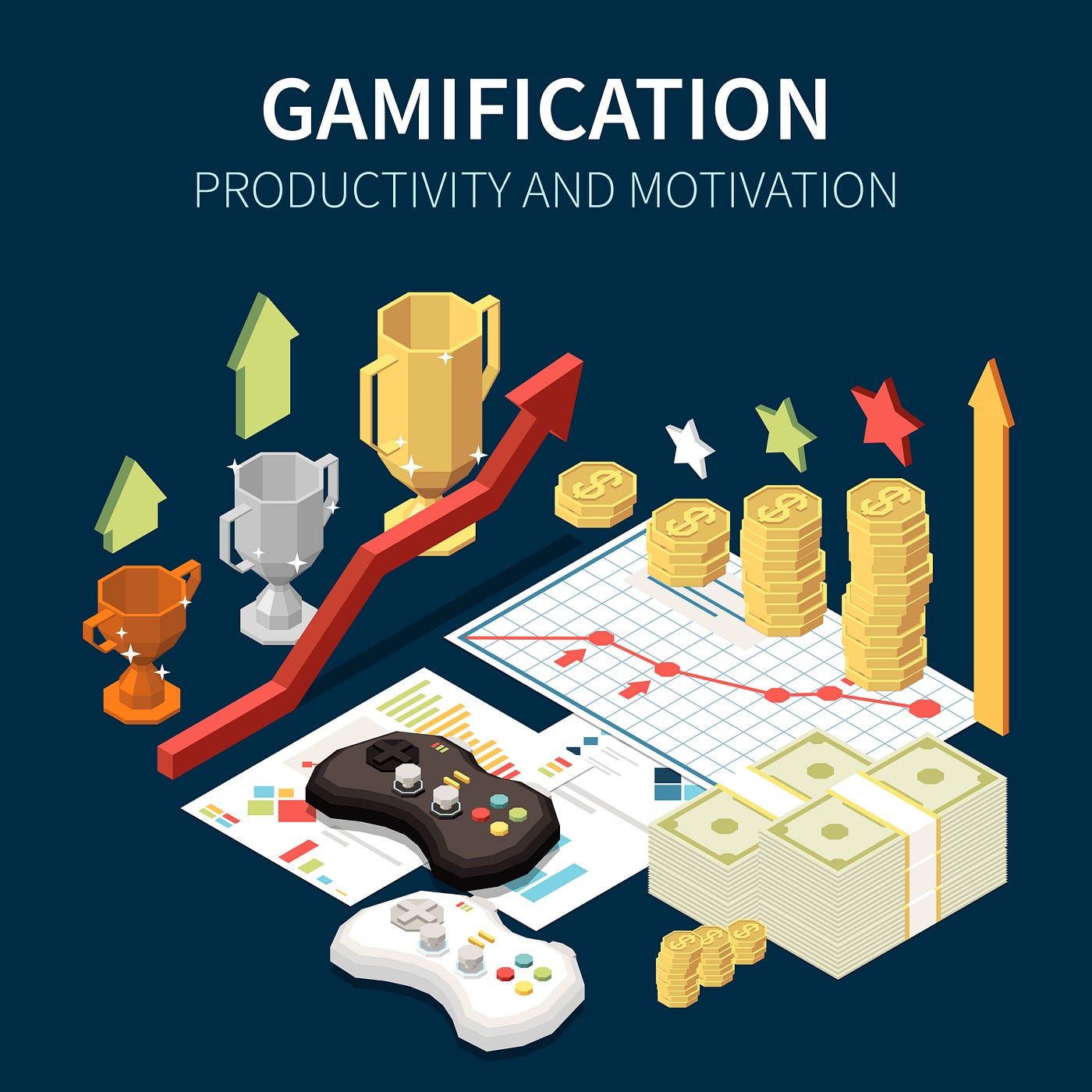
At code3x, we believe that the difference between a good game and a successful game often comes down to how effectively it motivates players to keep playing.
What Is a Reward System in Games?
A reward system is the structure through which players receive incentives for their actions, whether it’s completing a level, logging in daily, or achieving milestones.
These rewards can be:
- Coins or in-game currency
- Unlockable characters or skins
- Power-ups or upgrades
- Leaderboard rankings
- Achievements and badges

But more importantly, reward systems are about player psychology, not just prizes.
The Psychology Behind Player Retention
Players return to games because of how those games make them feel. Effective reward systems tap into core psychological drivers such as:
- Achievement: The satisfaction of completing goals
- Progression: Seeing growth over time
- Anticipation: Looking forward to the next reward
- Competition: Comparing with others
- Surprise: Unexpected rewards create excitement
When these elements are balanced correctly, players naturally develop a habit of coming back.
Types of Reward Systems That Work
1. Daily Rewards
Encourage players to log in every day by offering increasing rewards over time.
Example: Day 1 — Coins, Day 5 — Rare item, Day 7 — Exclusive reward
This builds routine and consistency.

2. Progression-Based Rewards
Reward players as they advance through levels or complete challenges.
This creates a sense of growth and accomplishment, making players feel invested in the game.

3. Achievement Systems
Badges, trophies, or milestones give players clear goals to chase.
These systems are especially powerful for completionists who enjoy unlocking everything.

4. Randomized Rewards (Loot Systems)
Adding an element of randomness increases excitement and anticipation.
However, balance is key, too much randomness can frustrate players.

5. Competitive Rewards
Leaderboards, rankings, and seasonal rewards motivate players to outperform others.
This works well in multiplayer and social games.

6. Time-Limited Events
Limited-time rewards create urgency and fear of missing out (FOMO).
This drives short-term spikes in engagement and keeps the game feeling fresh.

Balancing Rewards: The Key to Success
A reward system can easily fail if not balanced properly.
Here’s what to watch out for:
- Too Easy → Players lose interest quickly
- Too Hard → Players feel frustrated and quit
- Too Frequent → Rewards lose value
- Too Rare → Players feel unrewarded
The goal is to create a satisfying loop where effort feels worthwhile.
Creating a Compelling Gameplay Loop
At the core of every engaging game is a simple loop:
Play → Achieve → Reward → Progress → Repeat
When rewards are aligned with this loop:
- Players feel constant progress
- Each session feels meaningful
- Returning to the game becomes natural
Real-World Application at code3x
At code3x, we design reward systems with both player experience and scalability in mind.
Whether it’s a casual multiplayer game or a brand-driven gamified experience, our approach focuses on:
- Clear progression paths
- Meaningful rewards (not just filler content)
- Engagement-driven design decisions
- Performance-optimized systems for all devices
Because in the end, a great reward system doesn’t just retain players, it builds loyalty.
Final Thoughts
Reward systems are more than just game mechanics, they are the backbone of player retention.
By combining psychology, thoughtful design, and balanced progression, developers can create experiences that players don’t just enjoy but keep coming back to.
If you’re building a game or looking to integrate gamification into your product, investing in the right reward system can make all the difference.
✍️ Written by Prasanth 🔗 LinkedIn: https://www.linkedin.com/in/prasanthse1996
Written by one of the minds at code3x, this piece represents our team’s commitment to innovation, creativity, and shaping the future through technology.

Founded in 2022, reimagined to lead in AI, gaming, and digital solutions that transform ideas into real-world impact. We combine creativity, engineering, and data-driven innovation to build products that are engaging, reliable, and truly useful.
메타데이터
- post_id
- 8bae7d9d06ba
- slug
- how-to-build-reward-systems-that-keep-players-coming-back-8bae7d9d06ba
- url
- https://medium.com/@code3x.tech/how-to-build-reward-systems-that-keep-players-coming-back-8bae7d9d06ba
- canonical_url
- https://medium.com/@code3x.tech/how-to-build-reward-systems-that-keep-players-coming-back-8bae7d9d06ba
- author_url
- https://medium.com/@code3x.tech
- status
- ok
- fetched_at
- 2026-06-09 15:37:30