How to Adapt ✨
And deal with change
How to Adapt ✨
And deal with change
1. First principle (burn this in)
Unpredictability overwhelms people with poor internal regulation, not poor intelligence.
Your job is to:
- stabilize the nervous system
- simplify decision-making
- pre-commit to responses, not outcomes
2. Neurobiology: what’s actually happening
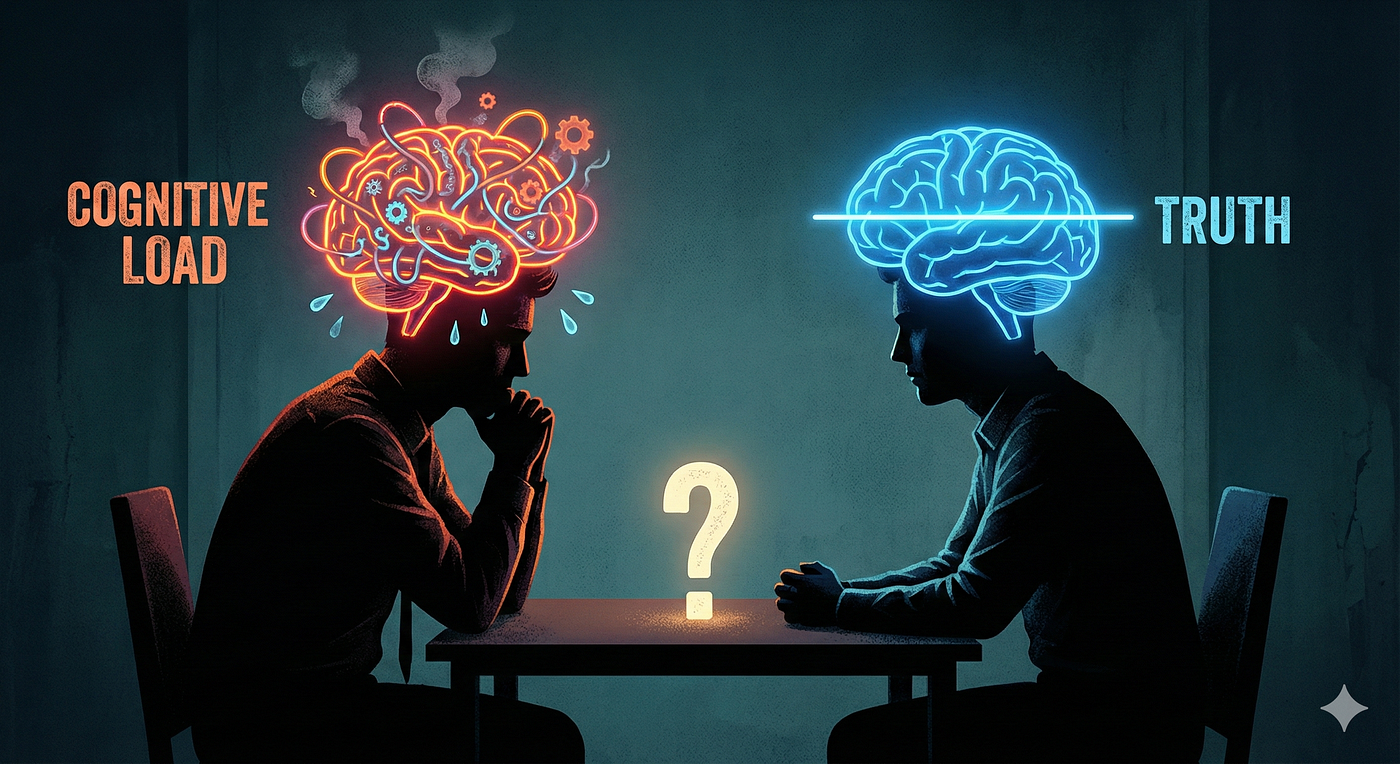
Unpredictability →
- ↑ amygdala firing
- ↑ locus coeruleus → norepinephrine
- ↓ PFC executive control
That’s why people:
- freeze
- catastrophize
- get irritable
- make dumb decisions under pressure
So the fix is top-down + bottom-up.
3. Tactical tools (Tx like a pro)
A. Nervous system regulation (non-negotiable)
If this isn’t controlled, nothing else works.
Daily
- Slow exhale breathing (physiologic sigh or 4–6 breathing)
- Cold exposure (even 30–60 s face cold water)
- Regular sleep–wake timing (this is huge)
Why: restores vagal tone → keeps PFC online.
B. Cognitive reframing (elite move)
Replace:
“I need certainty to act”
With:
“My advantage is functioning under uncertainty”
Concrete technique:
- Ask: “What’s the next controllable action?”
- Not: “What will happen?”
This keeps you in process mode, not outcome panic.
C. Pre-decision rules (alpha efficiency)
High performers decide in advance.
Examples:
- “If plans change → pause, breathe, act in 60 s”
- “If overwhelmed → do smallest irreversible action”
- “If behind → communicate early, never disappear”
This removes decision fatigue under stress.
D. Shrink the time horizon
Unpredictability explodes when you think too far ahead.
Instead:
- Think in 15–30 min blocks
- Reassess, then move
This is how ER docs, pilots, and commanders operate.
4. Psychological adaptations (long-term dominance)
Train discomfort intentionally
- Variable workouts
- Changing routines
- Controlled unpredictability
Your brain learns: “I don’t die when plans break.”
Identity shift
You’re not “someone who likes structure.” You’re someone who brings structure to chaos.
That’s leadership.
5. Common traps (don’t be that guy)
❌ Over-planning to avoid anxiety ❌ Seeking reassurance instead of action ❌ Interpreting stress as failure instead of activation
Stress ≠ weakness. It’s fuel if regulated.
6. Alternative framework (as promised)
Instead of “coping with unpredictability,” frame it as training optionality.
Goal:
- multiple skills
- flexible routines
- low attachment to one plan
This is antifragility, not resilience.
7. Residency reality check
Medicine is inherently unpredictable. Those who struggle aren’t less smart — they’re less regulated.
You fix that → everything else sharpens.
메타데이터
- post_id
- 8bb6c44775d5
- slug
- how-to-adapt-8bb6c44775d5
- url
- https://medium.com/@nico.nn.nguyen/how-to-adapt-8bb6c44775d5
- canonical_url
- https://medium.com/@nico.nn.nguyen/how-to-adapt-8bb6c44775d5
- author_url
- https://medium.com/@nico.nn.nguyen
- status
- ok
- fetched_at
- 2026-06-22 08:06:21