The Importance of Advanced Engineering Solutions in Modern Offshore Industries
INTRODUCTION
The Importance of Advanced Engineering Solutions in Modern Offshore Industries
INTRODUCTION
The offshore industry is one of the most demanding sectors in the world, supporting oil & gas exploration, marine operations, and large-scale industrial projects. The success of these operations depends on reliable engineering solutions, strict quality standards, and equipment capable of performing in challenging environmental conditions.
From design and manufacturing to inspection and quality assurance, every stage of an offshore project requires technical expertise and adherence to international safety regulations. With growing industrial demands, companies continue to invest in innovative technologies, advanced materials, and improved engineering practices to achieve greater efficiency and reliability.
The Role of Engineering Excellence in Offshore Operations
Offshore environments expose equipment and structures to extreme weather, heavy loads, corrosion, and continuous operational stress. Therefore, engineering solutions must be developed with a strong focus on durability, safety, and long-term performance.
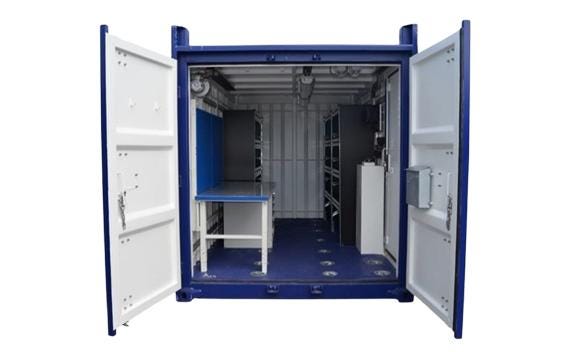
One important aspect of offshore infrastructure is the Fabrication of Offshore Container, which provides durable and dependable units for the safe transportation and storage of essential equipment and materials in marine environments.
Professional engineering organizations follow structured processes involving detailed planning, material selection, manufacturing accuracy, testing procedures, and quality control measures to ensure every solution meets required industry expectations.
Importance of Quality, Safety, and Compliance
Quality and compliance are essential factors in offshore and industrial projects. Equipment failures can result in operational delays, increased costs, environmental risks, and safety hazards. To avoid these challenges, companies implement strict inspection procedures, regular maintenance programs, and internationally recognized quality management systems.
Compliance with global engineering standards ensures that industrial solutions meet the required performance and safety requirements. Continuous monitoring, skilled professionals, and modern testing methods play a significant role in maintaining reliable operations throughout the lifecycle of equipment.
Technology and Innovation in Modern Engineering
The engineering industry has evolved significantly with the adoption of advanced software, automation, modern manufacturing methods, and improved testing technologies. These developments have enhanced accuracy, reduced errors, and improved overall project efficiency.
Innovations in materials engineering and production techniques also help organizations develop stronger, more sustainable, and cost-effective solutions. By integrating technology with engineering expertise, companies can address complex industrial challenges while maintaining the highest levels of safety and performance.
Choosing the Right Engineering Partner
Selecting a trusted engineering partner is critical for the success of offshore and industrial projects. A reliable company should possess extensive industry experience, skilled technical teams, strong quality control procedures, and knowledge of international standards.
The ideal engineering partner supports clients through every stage of the project, including planning, manufacturing, inspection, testing, certification, and ongoing technical support. This approach helps industries improve operational efficiency, minimize risks, and achieve long-term reliability.
The Future of Offshore Engineering
As global energy and industrial requirements continue to grow, offshore engineering will increasingly focus on innovation, sustainability, and improved safety standards. The use of advanced technologies, digital solutions, and enhanced quality practices will shape the future of the industry.
Organizations that prioritize research, continuous improvement, and compliance with evolving standards will be better prepared to deliver reliable solutions for future industrial challenges.
Frequently Asked Questions (FAQ)
1. Why are engineering standards important in offshore industries?
Engineering standards help ensure that equipment, structures, and processes meet established requirements for safety, quality, reliability, and performance in challenging offshore environments.
2. What challenges do offshore industries face?
Offshore industries face challenges such as harsh environmental conditions, corrosion, heavy operational loads, strict safety requirements, and the need for continuous equipment reliability.
3. How does advanced engineering improve industrial operations?
Advanced engineering improves precision, increases operational efficiency, enhances safety, reduces maintenance requirements, and supports the development of durable industrial solutions.
4. What should companies consider when selecting an engineering service provider?
Companies should evaluate technical expertise, industry experience, quality assurance systems, certifications, compliance with international standards, and the ability to deliver customized solutions
CONCLUSION
The advancement of offshore engineering depends on a combination of technical expertise, modern technology, rigorous quality control, and a commitment to international standards. Reliable engineering solutions contribute significantly to safer operations, improved productivity, and long-term industrial success.
By adopting innovative practices and working with experienced engineering professionals, industries can effectively manage complex challenges while maintaining high levels of safety, performance, and compliance.
About the Author — CS Jassi
CS Jassi is a seasoned engineering professional with 34 years of experience in the oil & gas and power sectors, specializing in EPC projects, manufacturing, quality assurance, and regulatory compliance. As the General Manager at HALEYS Group Middle East, he leads engineering, fabrication, and compliance operations, ensuring adherence to ISO, API, ASME, AWS, and DNV standards.
His expertise in offshore containers, pressure vessels, and advanced materials enables him to contribute valuable insights on engineering advancements, safety regulations, and industry best practices. A mechanical engineer with ASNT NDT Level III and IRCA Lead Auditor certifications, CS Jassi is dedicated to knowledge sharing, research, and technical writing, supporting industry professionals in understanding evolving industry standards and best engineering practices.
메타데이터
- post_id
- 8bc06ba88cc7
- slug
- the-importance-of-advanced-engineering-solutions-in-modern-offshore-industries-8bc06ba88cc7
- url
- https://medium.com/@csjassi0/the-importance-of-advanced-engineering-solutions-in-modern-offshore-industries-8bc06ba88cc7
- canonical_url
- https://medium.com/@csjassi0/the-importance-of-advanced-engineering-solutions-in-modern-offshore-industries-8bc06ba88cc7
- author_url
- https://medium.com/@csjassi0
- status
- ok
- fetched_at
- 2026-07-22 05:32:08