Solving a Bugforge Daily Challenge (Feb 28) — Exploiting Hidden API Endpoint in Ottergram
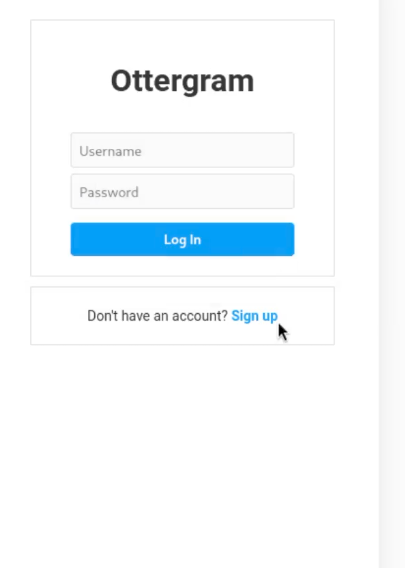
Today, I solved the February 28 daily challenge on Bugforge, targeting a social-style web application called Ottergram.
Solving a Bugforge Daily Challenge (Feb 28) — Exploiting Hidden API Endpoint in Ottergram
Today, I solved the February 28 daily challenge on Bugforge, targeting a social-style web application called Ottergram.
The application allowed users to:
- Create an account
- Post photos
- Like posts
- Comment on posts
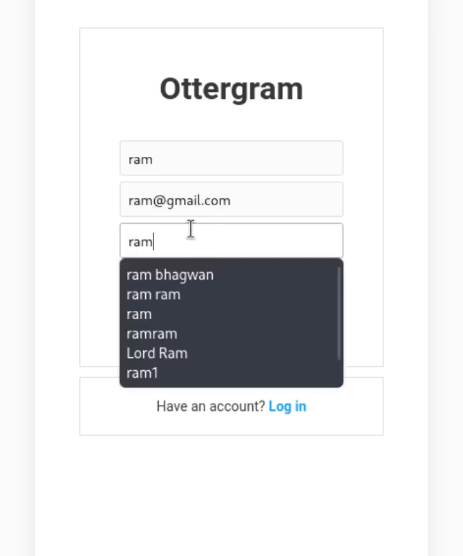
At first glance, it appeared to be a standard social media platform challenge. However, deeper exploration revealed a hidden API endpoint left exposed by the developer.


Initial Exploration
After registering and logging in, I tested:
- Posting images
- Liking posts
- Adding comments
- Viewing comment sections
Everything seemed properly functional from the UI perspective.
But in security testing, hidden functionality often exists beyond the frontend interface.
So I began inspecting network traffic and exploring possible API routes.
For this, I used:
- Caido

Discovering the Hidden Endpoint
While analyzing requests related to comments, I noticed a pattern in the API structure.
Although the UI did not provide an option to edit comments, I discovered an accessible endpoint structured like:
/api/post/{post_id}/comment/{comment_id}This endpoint was not linked anywhere in the frontend — it appeared to be a leftover developer route.
That was suspicious.
Testing the Endpoint
By sending a request to this endpoint manually, I confirmed it was accessible.
More importantly:
- It accepted the PUT method
- It allowed updating comment content
- It did not properly validate ownership

This meant I could modify any comment by simply knowing its comment_id.
Exploitation Process
Step 1: Identify Target Comment
Found a comment associated with a post by analysing the POST request and getting comment_id.
Step 2: Craft PUT Request
Sent a PUT request to:
/api/post/{post_id}/comment/{comment_id}With modified content in the request body.
Step 3: Forward Request
The server processed the update successfully.
The response returned the flag.
This confirmed a Broken Access Control vulnerability via hidden API endpoint exposure.
Why This Worked
The vulnerability existed because:
- A developer endpoint was left exposed
- The route was not protected by proper authorization checks
- Ownership validation was missing
- The frontend did not expose it — but the backend allowed it
Security through obscurity (hiding functionality in the UI) is not real security.
Security Lessons Learned
This challenge highlights important real-world lessons:
- Hidden endpoints must still enforce strict authorization
- Backend access control must not rely on frontend visibility
- Always validate resource ownership before allowing updates
- Remove unused or testing endpoints before deployment
APIs often expose more attack surface than the visible UI suggests.
Final Thoughts
This Bugforge daily challenge reinforced a powerful concept: If an endpoint exists, it must be secured — even if users cannot see it.
Hidden or undocumented API routes are common sources of vulnerabilities in real-world applications.
Careful API exploration and manual testing revealed what the UI tried to hide.
메타데이터
- post_id
- 8bcb2dd30b92
- slug
- solving-a-bugforge-daily-challenge-feb-28-exploiting-hidden-api-endpoint-in-ottergram-8bcb2dd30b92
- url
- https://medium.com/@sthapranaya890/solving-a-bugforge-daily-challenge-feb-28-exploiting-hidden-api-endpoint-in-ottergram-8bcb2dd30b92
- canonical_url
- https://medium.com/@sthapranaya890/solving-a-bugforge-daily-challenge-feb-28-exploiting-hidden-api-endpoint-in-ottergram-8bcb2dd30b92
- author_url
- https://medium.com/@sthapranaya890
- status
- ok
- fetched_at
- 2026-06-23 03:48:11