Jakarta Has a Chinatown Older Than Most Cities in America And It’s Still Alive Today
Jakarta’s Chinatown has been alive for centuries — hidden in plain sight.
Jakarta Has a Chinatown Older Than Most Cities in America And It’s Still Alive Today
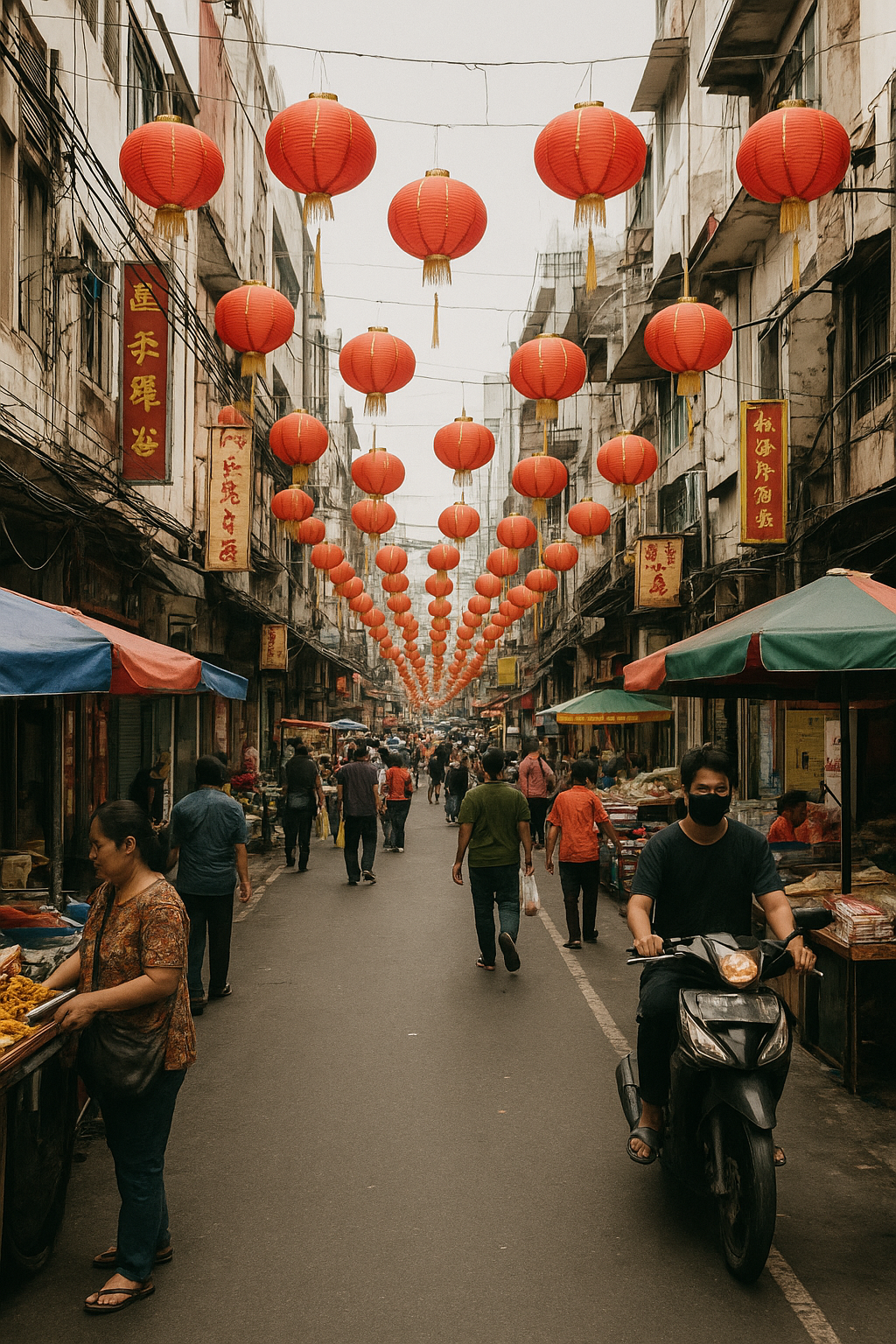
Jakarta’s Chinatown has been alive for centuries — hidden in plain sight.
When you hear the word “Chinatown,” you probably think of San Francisco or New York. But here’s the twist: Jakarta, Indonesia’s capital, has a Chinatown that’s been around for almost 400 years older than most Chinatowns in the world, and even older than many American cities.
It’s called Glodok, and while millions of Jakartans pass it daily, very few travelers know it exists.
A Walk Into Another World
The first time I stepped into Glodok, it felt like I’d walked through a portal. One moment I was on Jakarta’s noisy main road; the next, I was in narrow alleys lined with red lanterns and the smell of noodles frying in hot woks.
Old shop signs leaned against weathered walls. Incense smoke curled out of temple doors. A place that looked nothing like the Jakarta I thought I knew suddenly unfolded in front of me.
How It All Began
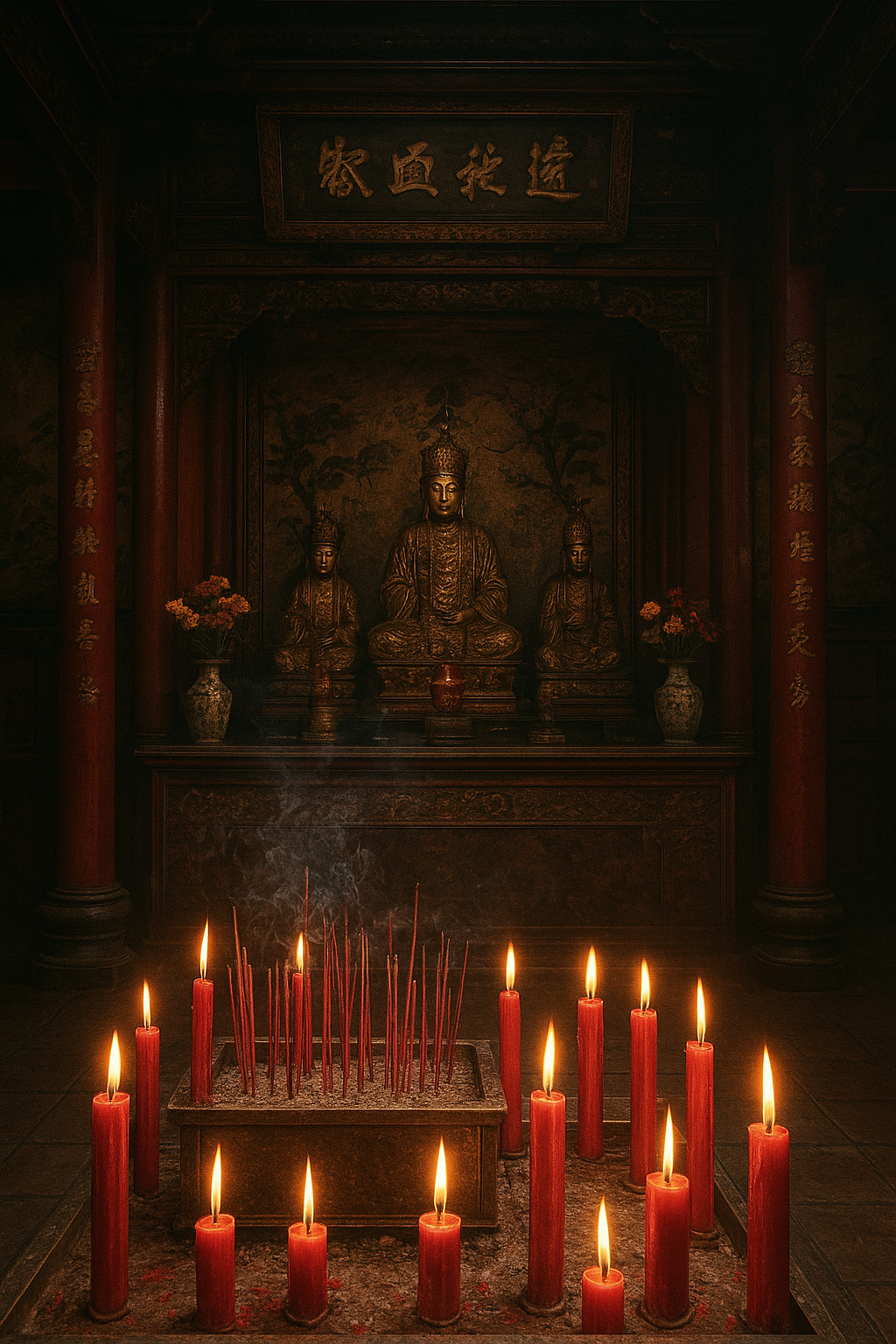
Kim Tek Ie Temple — standing since 1650, older than many modern cities.
Jakarta’s Chinatown dates back to the 1600s, when Dutch colonizers brought Chinese settlers to Batavia (Jakarta’s old name) as traders and craftsmen.
The community thrived, but it wasn’t always peaceful. In 1740, thousands of Chinese residents were killed in a brutal massacre known as Geger Pecinan. Yet despite the tragedy, Chinatown survived. Families rebuilt their homes and shops, passing them down for generations.
That’s why today, Glodok feels less like a tourist attraction and more like a living memory — a neighborhood where history is still breathing.
What You’ll Find Today
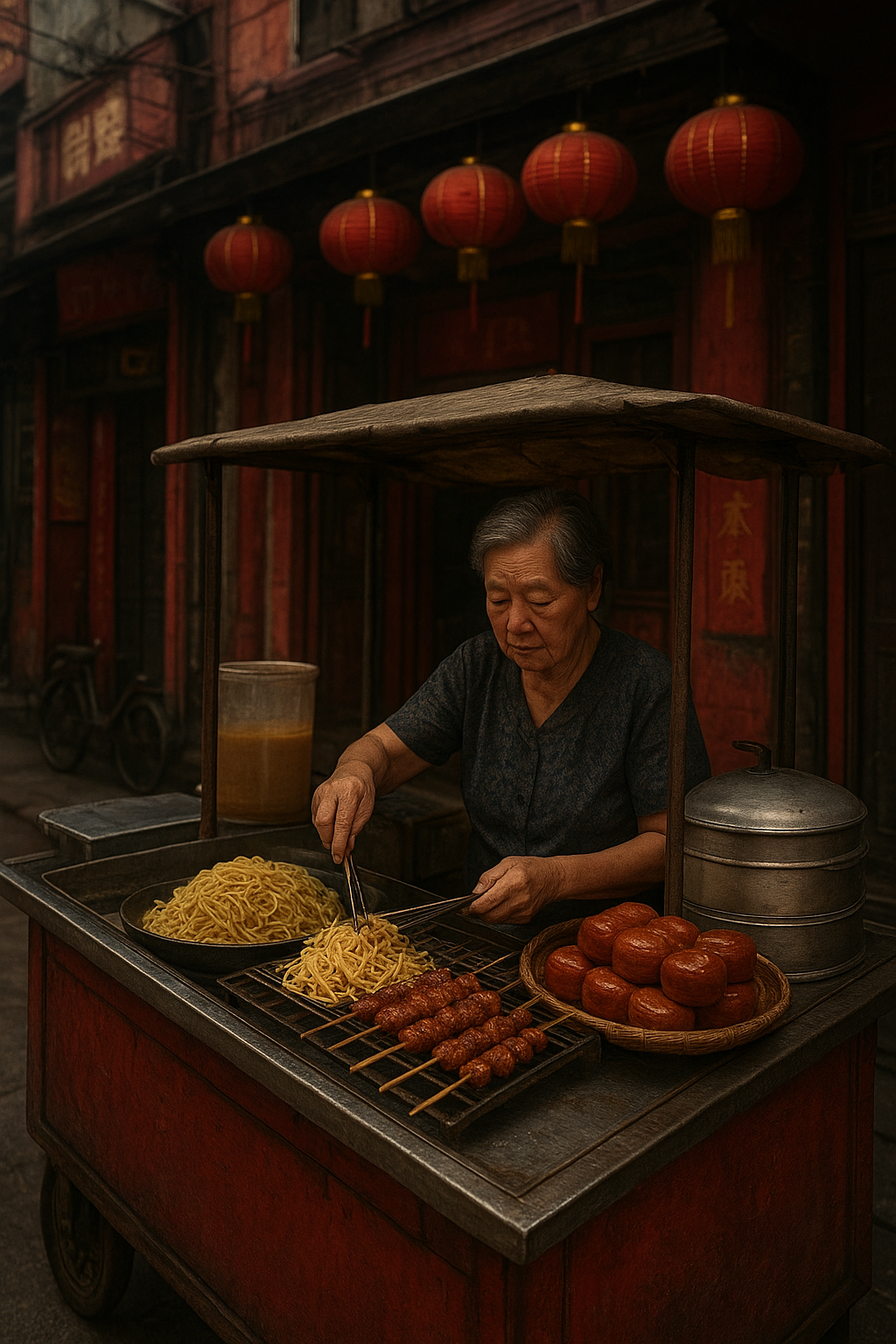
Food is the heartbeat of Glodok, from satay to century-old pastries.
Glodok isn’t flashy, but that’s its charm.
· Temples that outdate countries: The Kim Tek Ie Temple, built in 1650, is one of the oldest in Jakarta. Inside, red candles flicker as worshippers bow just like their ancestors centuries ago.
· Street food heaven: From pork satay to traditional Chinese pastries and herbal drinks, Glodok is a feast waiting in every corner. Forget malls this is Jakarta’s true flavor.
· Shops frozen in time: Herbal medicine stores over a century old still sell roots and powders in glass jars, like stepping into an old apothecary.
Stories in the Walls
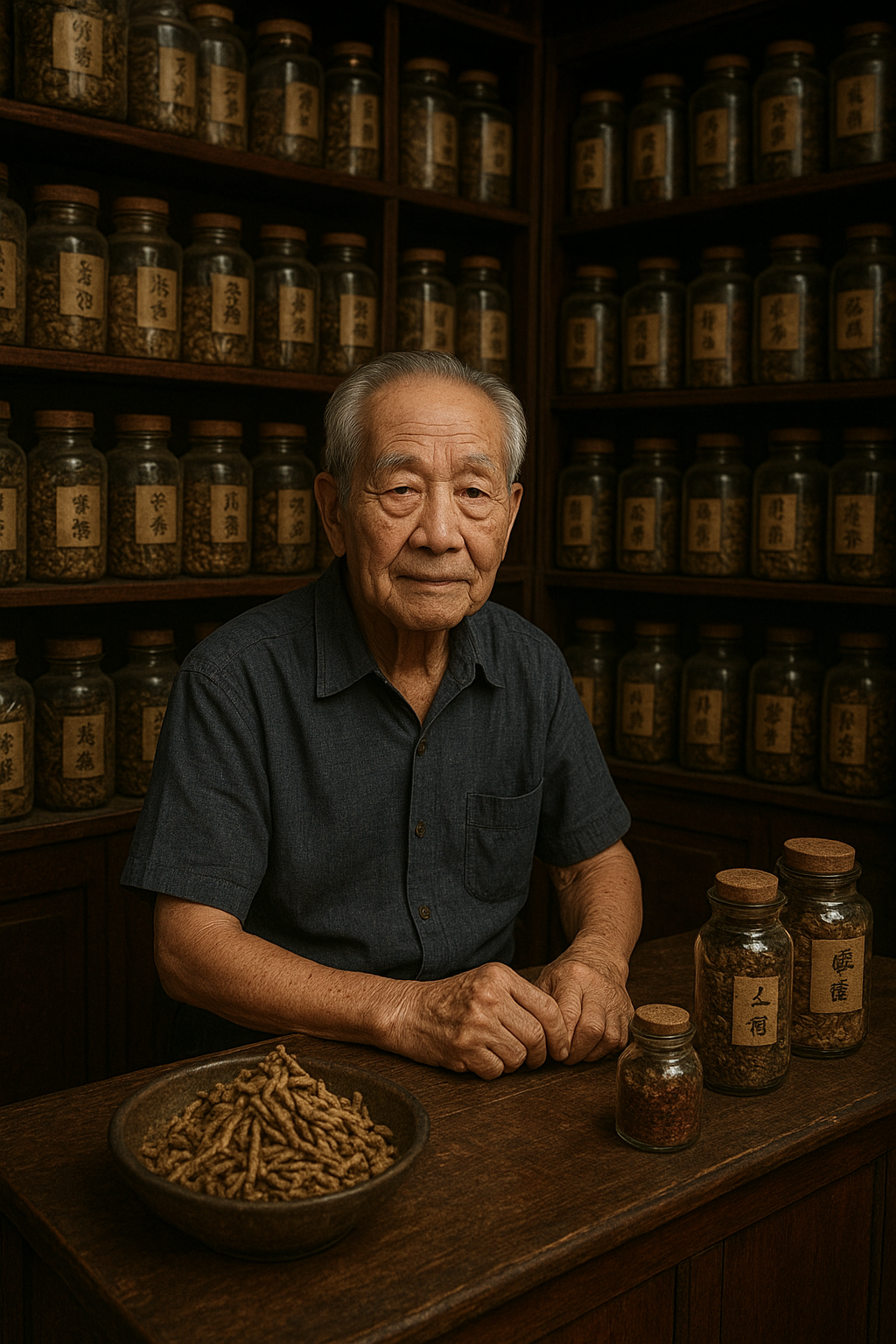
Some family businesses here have survived three generations.
One shopkeeper I met told me his family had run the same store for three generations. His grandfather lived through times when Chinese Indonesians weren’t even allowed to speak their language in public.
“We kept the store alive,” he said with a smile. “This place is our history.”
It’s in these small stories that you realize Glodok isn’t just a Chinatown. It’s resilience written into everyday life.
Why It Feels Different
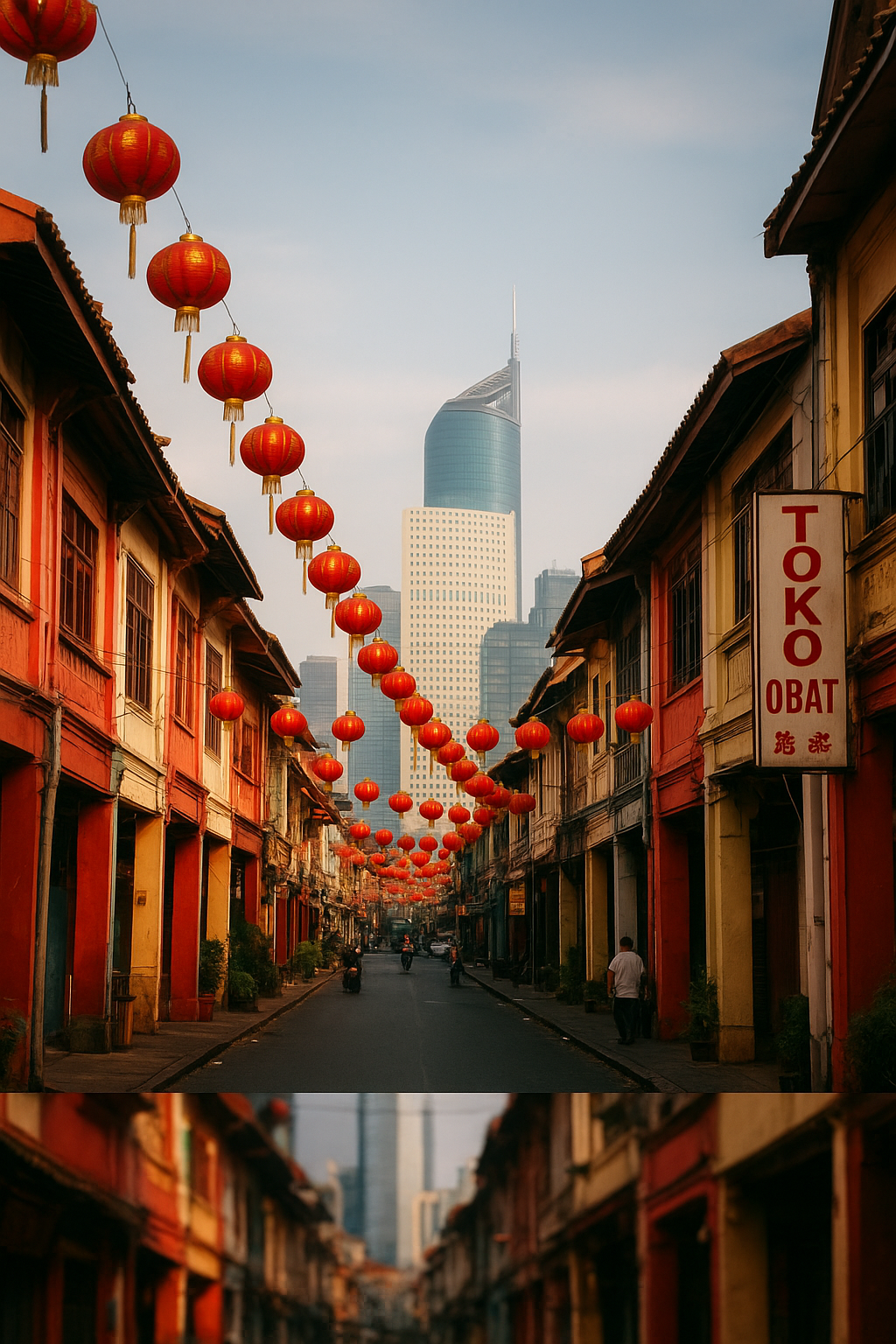
Jakarta’s Chinatown, a time capsule in a city of skyscrapers.
Chinatowns around the world are busy tourist magnets. But Jakarta’s Chinatown isn’t polished or curated. It’s raw, real, and lived-in.
There are no neon dragon gates or massive tour groups here. Instead, you’ll see kids chasing each other in back alleys, elderly neighbors chatting in Hokkien, and monks lighting incense quietly in temples.
For me, that’s what makes it special. It’s not built to impress outsiders it simply exists.
Why Tourists Miss It
Jakarta is often skipped by travelers rushing to Bali or Yogyakarta. And even for those who stay, malls and monuments usually take the spotlight.
That’s why Glodok remains almost invisible to international visitors. But if you’re the type of traveler who wants to uncover a city’s true layers, Chinatown is the place where Jakarta reveals its hidden soul.
Why It Matters
Chinatown isn’t just about Chinese culture. It’s about Jakarta itself — a city built on migration, trade, struggle, and resilience.
To walk through Glodok is to see Jakarta’s multicultural DNA: Chinese temples beside Indonesian warungs, Dutch-style buildings next to modern shops, traditions blending seamlessly into daily life.
If You Go
· Where: Glodok, West Jakarta. Easy to reach by TransJakarta bus or commuter train.
· Best time: Morning or late afternoon, when the market buzzes and the heat is kinder.
· Must-try food: Pork satay, Chinese pastries, herbal drinks, and local noodles.
· Don’t miss: Kim Tek Ie Temple and Petak Sembilan Market.
Glodok isn’t glossy. It doesn’t try to be Instagram-perfect. But that’s exactly why it matters.
Long before Jakarta’s skyscrapers rose, Chinatown was already alive. Centuries later, it still is.
So if you want to understand Jakarta beyond the malls and monuments, start here. Because in the heart of Chinatown lies a story older than America and it’s still being written today.
메타데이터
- post_id
- 8bcc10709d5e
- slug
- jakarta-has-a-chinatown-older-than-most-cities-in-america-and-its-still-alive-today-8bcc10709d5e
- url
- https://medium.com/write-a-catalyst/jakarta-has-a-chinatown-older-than-most-cities-in-america-and-its-still-alive-today-8bcc10709d5e
- canonical_url
- https://medium.com/write-a-catalyst/jakarta-has-a-chinatown-older-than-most-cities-in-america-and-its-still-alive-today-8bcc10709d5e
- author_url
- https://medium.com/@anisasetiawati
- status
- ok
- fetched_at
- 2026-07-18 00:53:13