From Silk Road Station to UNESCO Heritage Site: The Restoration of Khan al-Kumrauk
Named for its connection to the ends of the world, Mosul stands as a hub of cultural, economic, and religious diversity. Across an…
From Silk Road Station to UNESCO Heritage Site: The Restoration of Khan al-Kumrauk
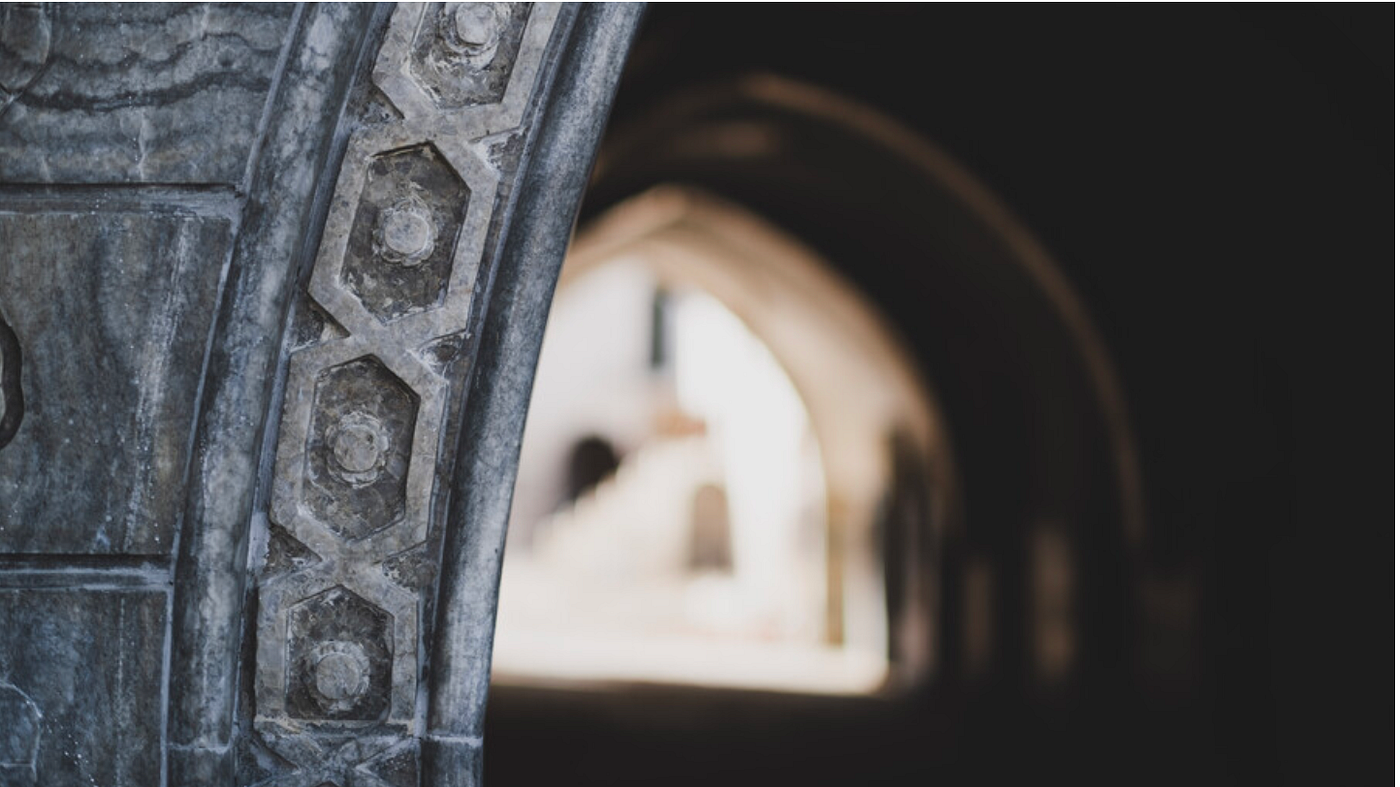
Named for its connection to the ends of the world, Mosul stands as a hub of cultural, economic, and religious diversity. Across an extensive period, Mosul has cultivated a distinct character that beckons visitors and traders alike from the city’s southern reaches to its northern expanses. It boasts a rich history interweaving the heritage of the ancient Assyrian civilization with that of Christianity, Judaism, and Islam, all linked by river passage. The confluence of cultures has given rise to a commercial character, with markets and places of worship situated nearby, forming a vibrant and colorful mosaic that entices beauty and diversity seekers from all corners of the world.
The markets in Mosul are integral to the city’s complex identity. They served as the nucleus for the successive governments of the city, drawing ancient families together, and fueling its cultural and religious diversity. The markets are a gathering place for Christian churches of various sects and Islamic religious centers, each with a vested economic interest. Alongside this religious diversity, the markets also reflect the social makeup of Mosul. There are markets catering to the middle and upper classes and those serving merchants and workers. Considered the heart of the geographical area, the oldest Christian families in Mosul are dispersed throughout the markets of the old city.
The significance of the buildings and markets in Mosul is further magnified by the concentration of government and service departments in this area. The Communication and Post Department, located adjacent to the Prophet Sheet Mosque, serves as a vital hub and center, while the presence of the Central Bank of Mosul bolsters its importance even more.
Not only do these markets cater to the local trade within Mosul, but they also serve as a destination for neighboring Iraqi cities and districts. They are a primary market for agricultural goods produced on the outskirts of Mosul, where landowners are predominantly from the city itself. Thus, they play a critical role in sustaining the commercial movement in Mosul. These markets are not only sellers and importers but also producers who cultivate their goods.
These markets serve as a hub for local commerce and play a crucial role in Mosul’s foreign trade and its connection to countries such as Turkey, Aleppo, and China. The city’s most significant merchants are stationed in these markets. The Great Mosque of Al-Nuri and its iconic Al-Hadba minaret make the old city a commercial center and a vital artery for Mosul. The markets in this area comprise 80% of the city’s economy, culture, and identity.
The markets’ creation sparked the rise of the Mosulian culture, which blends numerous elements of civilization such as architecture, churches, names of professions, names of residential neighborhoods in old Mosul, family names, and even the style of literature and intellectual production of the city. The markets gave rise to the city’s unique culture and history.
Khan al-Kumrauk is a historical landmark in Mosul constructed in 1702 by the Al-Jalili family, which ruled the city for two centuries. It is situated in the old Mosul market. It is surrounded by various markets, including the market under the Al-Aghwat Mosque minaret, the kawasin (ceramic and pottery industry), the blacksmiths from the east and the north, and the Al-Atmi market. The khan is also adjacent to Khan al-Qalawin from the west and the wheat market.
The khan was the first of its kind in Mosul due to its massive size, covering an area of 2222.76 square meters. It boasts a large courtyard in the center, two arched entrances in the old Mosulian architectural style, 68 rooms, 45 wardrobes, two stables, three corridors, four iwans, and seven stairs. It served as a significant station on the Silk Road, where travelers from the east would stop in Mosul before crossing the Tigris River.
The khan played a crucial role in shaping the cultural identity of Mosul, serving as a meeting point for cultures and civilizations through trade routes. It profoundly impacted the souls of Mosulis, who view it as “a cultural, heritage, human, and historical heritage of the city of Mosul.” It remains a vital part of the city’s heritage, contributing to the revival of its spirit.
The ISIS occupation of Mosul had a profound impact on its markets and cultural identity. The markets, which served as the heart of Mosul’s commercial and cultural activity, were significantly affected, with many shopkeepers leaving the area due to customers’ absence. Khan al-Kumruk, in particular, was heavily impacted, as people from all over used to flock to it to purchase wholesale or individual goods. The khan was typically busy from the early morning hours.
During the battles for the liberation of Mosul, the khan suffered extensive damage. However, after the city was liberated, the Al-Jalili family, who owned the khan, decided to rebuild it. “The khan’s importance to Mosul and to us lies not only in its existence as a building but as an essential symbol of our existence and culture,” said Saud Al-Jalili from the family who contributed to the khan’s reconstruction. “The primary goal of its reconstruction is to bring people back to it again, as the spirit of Mosul is linked to the presence of its commercial movement in its old market, which serves as a vital artery for the city and must return to life.”
The reconstruction of the khan has significantly impacted the market, facilitating the return of its people, warehouses, and other markets that once used the khan to store their goods. The restoration of the trade artery between Mosul and the world has also been revived. The reconnection of the old bridge that connects the west and east sections of Mosul makes it easier for people to move around.
The restoration of the old Mosul market and Khan al-Kumrauk is a significant indicator of the return of life to the city.
The Khan al-Kumrauk is not merely associated with trade but has also given rise to numerous stories, proverbs, and folk tales. It plays a fundamental role in the intangible heritage of the city. One shopkeeper who returned to the Khan noted that it was one of the oldest khans in Mosul, serving as a commercial station visited by merchants worldwide. Its proximity to the river made it even more advantageous. The Khan’s unique architecture, ornate doors, and large courtyard appealed to merchants and visitors. It also served as the first hotel in Mosul during the seventeenth century.
Due to its heritage significance, the owners and tenants of the Khan insisted on rebuilding it in the same old architectural style, as it is registered on the list of heritage sites of the Directorate of Antiquities of Nineveh Governorate. They even aim to register it on the list of UNESCO World Heritage Sites, believing that the Khan is no less important than any other site in Mosul.
The Khan not only contributes to restoring and reviving Mosul’s spirit but also to restoring stability and improving the psychological well-being of its residents. The Khan plays an essential role in linking Mosul with its rural surroundings, as merchants of wheat, barley, and other agricultural products come to sell their goods, creating a crucial space for social communication between the various spectra of the city of Mosul.
In the reconstruction of the Khan al-Kumrauk, local craftsmen and builders from the city were involved, making it a unique example of the solidarity and cooperation among the residents of Mosul in safeguarding their tangible and intangible cultural heritage.
The restoration of the Khan has not only revived its commercial importance but also restored Mosul’s place on the Silk Road, once again making it a destination for visitors worldwide. This aligns with the initiative to revive the spirit of Mosul, aimed at restoring the city’s past vitality and vibrancy.
메타데이터
- post_id
- 8bcd12ca8322
- slug
- from-silk-road-station-to-unesco-heritage-site-the-restoration-of-khan-al-kumrauk-8bcd12ca8322
- url
- https://medium.com/@mosuleye1/from-silk-road-station-to-unesco-heritage-site-the-restoration-of-khan-al-kumrauk-8bcd12ca8322
- canonical_url
- https://medium.com/@mosuleye1/from-silk-road-station-to-unesco-heritage-site-the-restoration-of-khan-al-kumrauk-8bcd12ca8322
- author_url
- https://medium.com/@mosuleye1
- status
- ok
- fetched_at
- 2026-06-29 01:02:39




