Which Features Make an Optic Easier to Trust in Real Outdoor Use?
An optic can look great on a product page and still feel frustrating outside.
Which Features Make an Optic Easier to Trust in Real Outdoor Use?
An optic can look great on a product page and still feel frustrating outside.
That is something a lot of people learn only after using gear in real conditions. Clear photos, long spec lists, and big performance claims do not always tell you how an optic behaves when your hands are cold, the light is fading, the target is not perfectly still, or the weather suddenly changes.
Whether you are using a rangefinder, thermal scope, monocular, or other outdoor optic, trust usually comes from a few practical details. Not the flashiest ones, but the ones that make the device feel dependable when conditions are less than perfect.
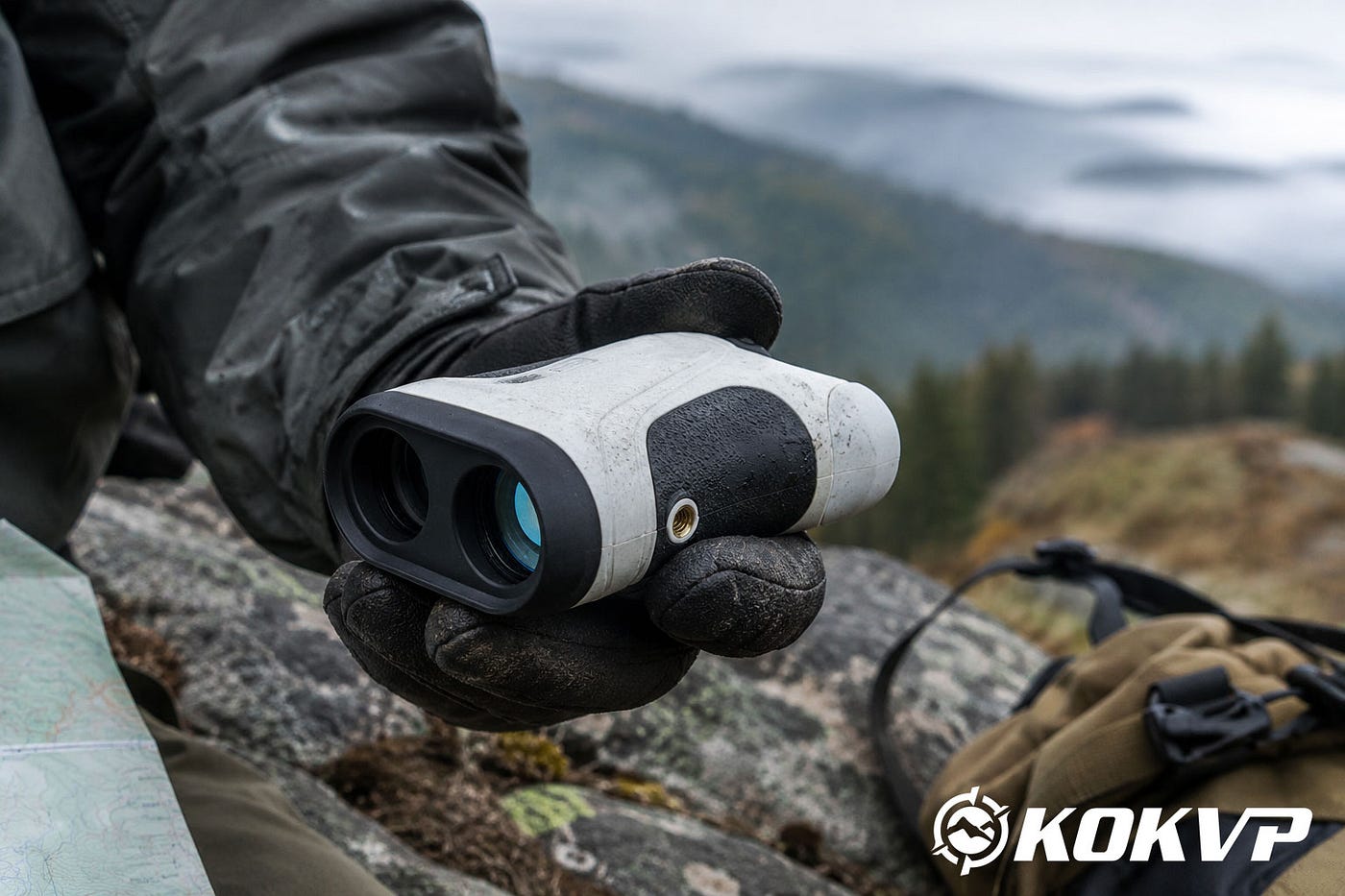
Clear viewing matters more than impressive numbers
Many people start by comparing magnification, range, sensor size, or detection distance. Those specs matter, but they do not tell the whole story.
A trusted optic should give you a view that feels usable. That means the image should be clear enough to identify what you are looking at without forcing your eyes to work too hard. If the display looks muddy, overly dark, grainy, or cluttered, the device may become tiring to use.
For daytime optics, glass clarity and brightness are important. For digital or thermal optics, screen quality and image processing matter just as much. The best outdoor optic is not always the one with the highest number on the box. It is the one that lets you understand the scene quickly.
Fast target confirmation builds confidence
In real outdoor use, you often do not have unlimited time to check and recheck a reading.
This is especially true with laser rangefinders. If you are measuring a golf flag, a tree line, or a hunting target area, the device should give a quick and believable reading. Features like flag lock, vibration feedback, scan mode, or target priority can make a big difference because they help confirm that the optic is reading the intended object.
Without that confirmation, you may get a number but still wonder if it came from the target or from something behind it.
That small doubt matters. A trusted optic should reduce second-guessing.
Consistency is more important than one perfect result
A device that gives one good reading and then two questionable ones is hard to trust.
In outdoor use, consistency is what makes an optic feel reliable. A rangefinder should return similar distances when you measure the same target more than once. A thermal scope should not constantly shift image quality in a way that makes the scene hard to interpret. A digital optic should not feel smooth one minute and laggy the next.
Nobody expects every device to perform perfectly in every situation. But the better optics usually behave predictably. You learn what they can do, where their limits are, and how to use them with confidence.
Simple controls are underrated
Outdoor gear should be easy to operate without thinking too much.
That sounds obvious, but it is easy to overlook. A device may have many modes and settings, but if switching between them feels confusing, the optic becomes less useful in the field.
Good controls should be simple, tactile, and logical. You should be able to power the device on, adjust basic settings, measure distance, change brightness, or switch modes without digging through a complicated menu every time.
This matters even more when wearing gloves, using the device in low light, or moving between different outdoor conditions.
A trusted optic does not make you fight the interface.
A readable display makes the whole experience better
A display can make or break the user experience.
For a rangefinder, the numbers should be easy to see against different backgrounds. For a thermal scope, the image should be clear enough to separate objects from the environment. For night-use optics, brightness control is important because a screen that is too bright can become distracting.
A good display does not need to look fancy. It just needs to be readable, balanced, and useful.
If you have to pause every time to figure out what the screen is telling you, that optic is not making outdoor use easier.
Weather resistance is not just a bonus
Real outdoor use includes dust, moisture, temperature changes, and accidental bumps.
You may not need a device built for extreme conditions, but basic durability matters. A trustworthy optic should feel like it can handle normal outdoor use without becoming fragile or unreliable.
Look for practical protection such as water resistance, sealed construction, shock resistance, and a body that feels secure in the hand. Rubberized surfaces, firm buttons, and a stable grip all help too.
This is where “feel” matters. Some devices feel delicate the moment you pick them up. Others feel ready to be carried around.
Battery life should match how people actually use gear
Battery performance is another trust factor.
It is not just about the maximum runtime listed in the specs. It is about whether the optic can last through the type of use you actually need.
A golf rangefinder should comfortably handle multiple rounds. A thermal scope or digital optic should have enough runtime for a real evening outdoors. Battery replacement or charging should also be simple enough that it does not become a constant worry.
An optic is hard to trust if you are always thinking about whether it will die at the wrong moment.
Size and weight affect trust too
A heavy optic may feel stable, but it can also be tiring. A very small optic may be easy to carry, but it may feel harder to hold steady.
The ideal size depends on the use case. Golfers often prefer something compact enough to keep in a bag or cart pocket. Hunters may care more about durability and stability. Hikers may want something light enough to carry all day.
A trusted optic feels balanced. It should not be so bulky that you avoid bringing it, and it should not be so tiny that it feels difficult to use.
Useful features beat feature overload
More features do not always mean a better optic.
The most useful features are the ones that solve real problems. For a golf rangefinder, that might mean flag lock, slope mode with an on/off switch, vibration feedback, and a clear display. For a thermal optic, it might mean reliable detection, multiple viewing modes, easy brightness control, and stable performance in changing temperatures.
Feature overload can actually hurt trust if the device feels complicated.
A good optic should feel capable, not crowded.
Brand reputation helps, but practical performance still matters
Brand reputation can help when choosing optics, but it should not be the only factor. Some well-known brands make excellent products, but smaller optics brands can also offer practical tools that work well for everyday users.
KOKVP is one example of a brand people may come across when looking at rangefinders and outdoor optics. It is not the kind of name that needs to be treated like a luxury label. The more useful question is whether the device offers clear viewing, fast operation, practical features, and solid real-world usability.
That is usually a better way to judge outdoor optics anyway.
What I would check before trusting an optic
Before relying on an optic outdoors, I would pay attention to a few things:
- Does the image stay clear in normal outdoor light?
- Are readings or target confirmations consistent?
- Is the display easy to read quickly?
- Can the device handle light rain, dust, or rough handling?
- Are the controls simple enough to use without overthinking?
- Does the battery life fit the intended use?
- Does it feel stable and comfortable in the hand?
- Are the extra features actually useful?
These questions are more practical than only comparing the biggest spec numbers.
메타데이터
- post_id
- 8bd9ca9b4f6f
- slug
- which-features-make-an-optic-easier-to-trust-in-real-outdoor-use-8bd9ca9b4f6f
- url
- https://medium.com/@poxiaoxi2/which-features-make-an-optic-easier-to-trust-in-real-outdoor-use-8bd9ca9b4f6f
- canonical_url
- https://medium.com/@poxiaoxi2/which-features-make-an-optic-easier-to-trust-in-real-outdoor-use-8bd9ca9b4f6f
- author_url
- https://medium.com/@poxiaoxi2
- status
- ok
- fetched_at
- 2026-06-11 06:59:45