The Strange Grief of Outgrowing Yourself
When growth feels like a small goodbye
The Strange Grief of Outgrowing Yourself
When growth feels like a small goodbye
Photo by Ali Kazal on Unsplash
Nobody tells you that outgrowing yourself can feel a bit like losing a favourite coat. The one that kept you warm for years. The one that looked terrible by the end, honestly, but still felt familiar every time you reached for it.
You reach for the old response. The automatic yes. The explanation nobody asked for. The version of yourself who made everything easier for everyone else. And one day, your hand just stops. Not because you decided to stop. Just because something in you has quietly shifted, and the old move doesn’t fit the way it used to. That moment is stranger than people let on.
When the old role stops fitting
Most of us, at some point, build an identity around a role that once made sense. Being the reliable one, the useful one, the person who reads the room before reading themselves. I know I did. I was the one who kept the peace and quietly paid for it later.
These roles don’t usually feel like roles when you’re inside them. They feel like personality. They feel like who you are. And in many ways, they do become who you are, because they work. They help you belong. They tell you where you stand. They give other people something consistent to return to, and they give you a shape to fill when things feel uncertain.
Some old selves aren’t really personalities. They’re survival systems. And survival systems are often very, very good at their job.
The trouble is that they don’t always know when to stop.
The comfort of having a function
There is a particular kind of comfort that comes from knowing your role. When you’re the fixer, you always know what to do next. When you’re the easy one, you never have to negotiate. When you’re the emotional admin for the people around you, at least you feel needed. And being needed, for a long time, can feel a lot like being loved.
Sometimes we become the version of ourselves who is easy to ask from. It might happen for years, or just for a season, a relationship, a workplace, or a difficult stretch of life. Not because anyone forces us into it. We offer ourselves in that shape, people get used to it, and eventually we get used to it too. It becomes a kind of shorthand. A way of belonging that doesn’t require too much uncertainty.
The role offered something I didn’t have another word for at the time: certainty. I knew who I was. I knew what was expected. I knew how to be useful enough to feel safe.
Outgrowing that is not simple, because you’re not just changing a behaviour. You’re losing the map.
Why growth can feel like grief
Here’s the part that doesn’t get said often enough: relief and loss can sit in the same moment.
Stepping back from an old role can feel like finally breathing. And then, sometimes in the same afternoon, it can feel genuinely lonely. Because the new self doesn’t have a script yet. She doesn’t have the same automatic answers. She pauses where she used to move quickly. She says I’m not sure, or let me think about that, where she used to just absorb whatever was needed and keep going.
That gap is uncomfortable because the old role, for all its costs, gave me a kind of certainty I haven’t found yet in the person I’m becoming. It doesn’t mean something is wrong.
There can be a strange moment when you realise some relationships were shaped around a version of you who was more available, more pliable, easier to predict. Not because those people were using me, necessarily. More because I’d been consistent in a particular shape for long enough that the shape became the expectation. When it changed, it was uncomfortable for them. It was also uncomfortable for me. I’d built part of my identity around being that person. Letting her step back meant not always knowing, for a while, who stepped forward instead.
It is surprisingly easy to mistake being needed for being loved. The two can look almost identical from the inside, especially when you’re busy. And this doesn’t only happen in personal relationships. It can happen at work too, in teams, in friendships, in any place where being reliable quietly becomes your whole role. When you stop making yourself so endlessly available, you find out which is which. Useful information, unfortunately. Also a little gutting.
What the body figures out first
Before any of this had words, it had a feeling. A kind of tightening in the chest whenever I was about to say yes to something I didn’t want. A small internal protest I’d become very good at overriding.
And then, slowly, I became less willing to override it. The protest got louder. The gap between feeling it and acting against it got shorter. I started pausing before answering. Noticing that certain conversations left me more tired than others. Noticing I breathed differently after cancelling plans I’d made out of obligation. Noticing that the relief after not replying immediately to something felt like more than just relief. It felt like information I could learn from.
My body had been voting no long before I admitted it. It’s not a philosophy. It’s just paying attention to what was already there.
What changes when the role expires
Apparently, I’m no longer available for every emotional group project. Shocking development.
But what’s actually changed is deeper than that. There are fewer automatic yeses. Fewer explanations that I feel compelled to offer. There’s less urgency to be the person who holds everything together before anyone else notices it’s falling apart.
I’ve stopped applying for unpaid roles in other people’s storms, which is a sentence I couldn’t have written two years ago because I wouldn’t have known what it meant.
Becoming more selective doesn’t feel like putting up walls. It feels more like being honest about what I actually have to give. Less performance. Less quiet resentment building underneath. When I say yes now, I mostly mean it.
It’s not a dramatic reinvention. Most days it’s just a pause where there used to be a reflex.
A quieter kind of freedom
The old self deserves thanks. I mean that without irony. She got me here. She navigated things I didn’t have better tools for, and she did it with more resourcefulness than I sometimes give her credit for. She read the room because she had to. She found ways to belong when belonging felt uncertain. I’m not interested in rewriting her as someone who was foolish or too giving or didn’t know her worth. She knew a lot. She was just working with what she had.
But I don’t want to hand her the keys anymore.
The person I’m becoming isn’t fully formed yet. She makes different choices. She’s slower to commit and faster to say what she actually thinks. Sometimes I’m not entirely sure what she’s building. But I know she breathes a little easier. I know she tells the truth a little sooner. I know she doesn’t abandon herself quite as quickly as the last one did. For now, that feels like enough to follow.
Journal with me
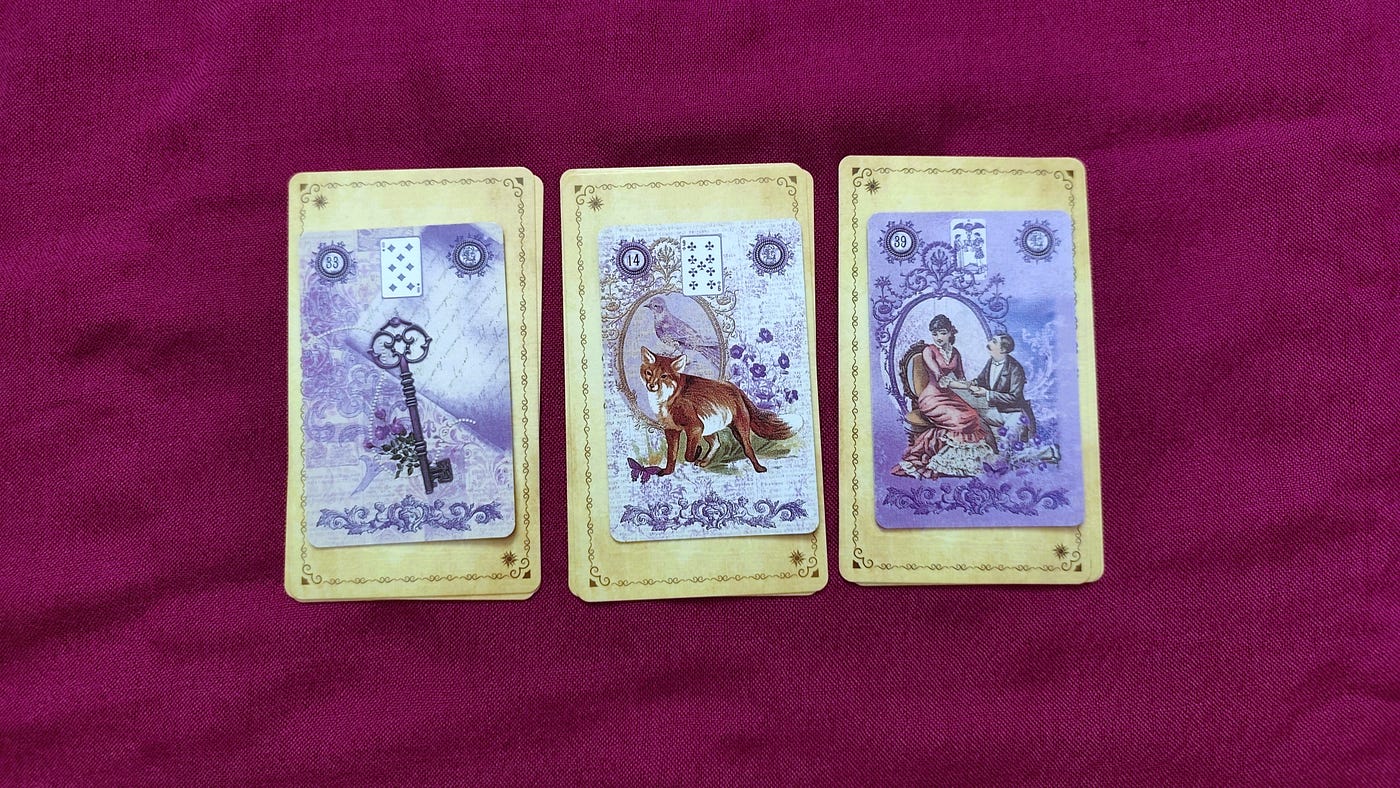
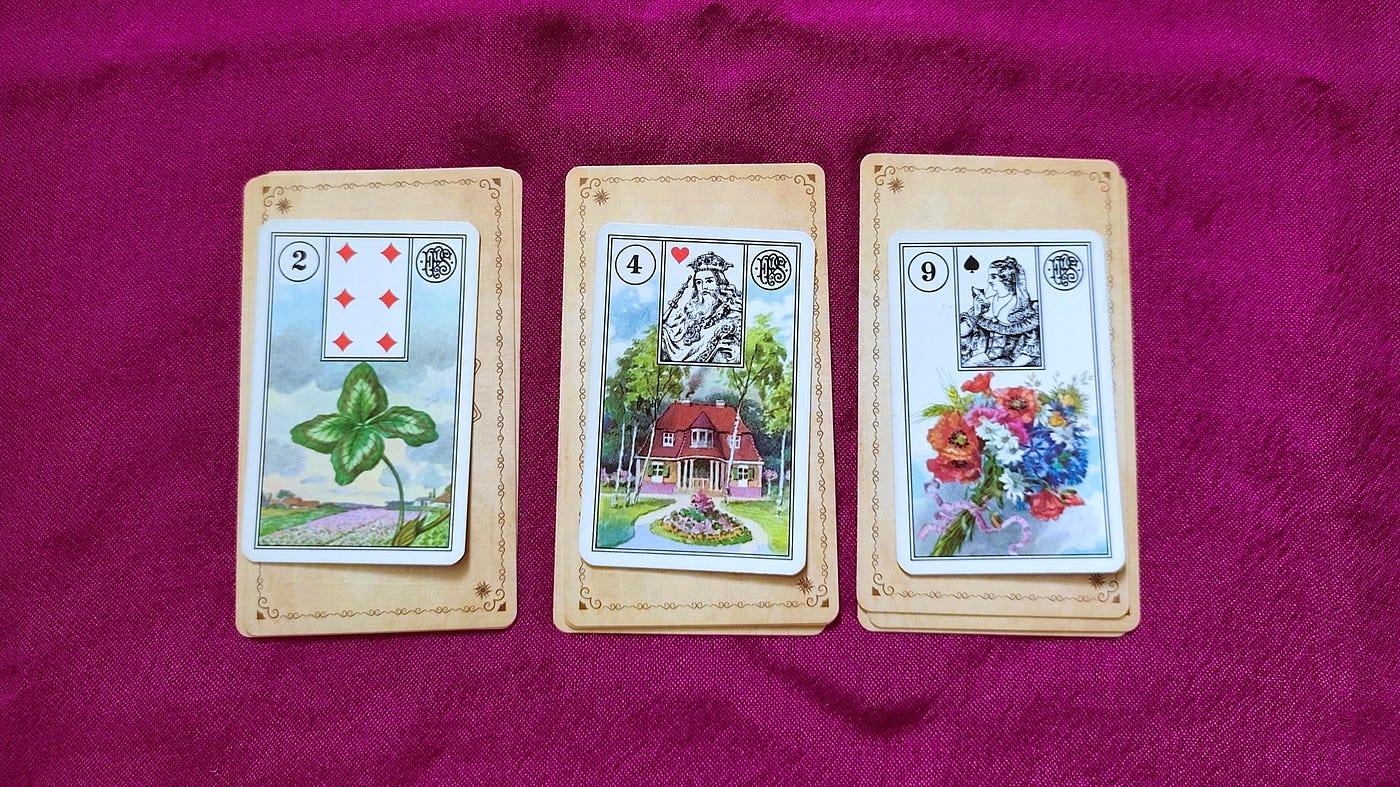
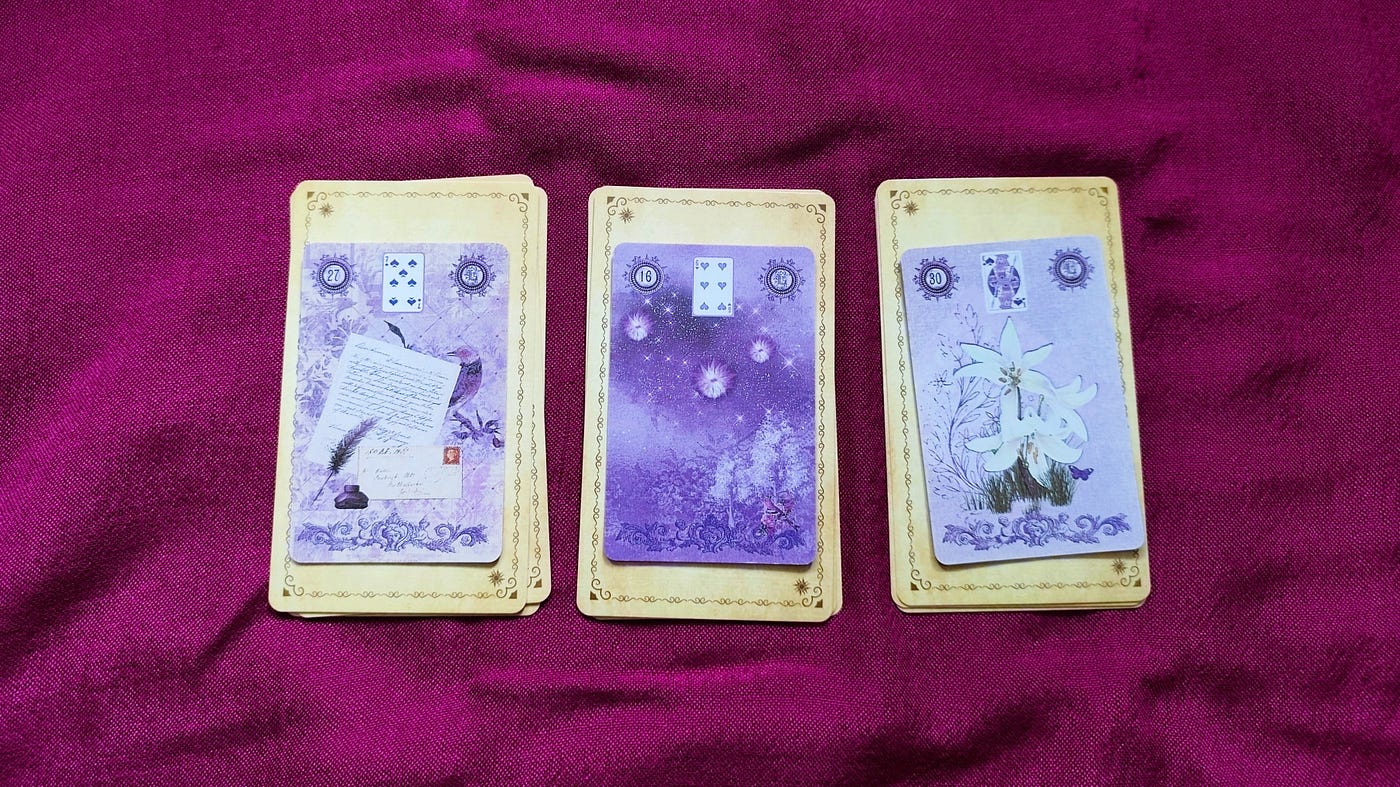
A few questions, if you want them. Just notice which one you’re most tempted to skip.
Which old role am I quietly outgrowing?
Where have I mistaken being needed for being loved?
What part of my old self helped me survive, even if it no longer gets to lead?
Where do I feel relief when I stop performing?
Take your time. They don’t need tidy answers.
Thank you for being here.
Iris
메타데이터
- post_id
- 8be61ead12af
- slug
- the-strange-grief-of-outgrowing-yourself-8be61ead12af
- url
- https://medium.com/irisseraphim/the-strange-grief-of-outgrowing-yourself-8be61ead12af
- canonical_url
- https://medium.com/irisseraphim/the-strange-grief-of-outgrowing-yourself-8be61ead12af
- author_url
- https://medium.com/@irisseraphim
- status
- ok
- fetched_at
- 2026-06-11 17:15:47