Melody Wings Neptune Review: Experimental, But Refined
You may not have heard of Melody Wings before — they’re fairly new, and only started releasing IEMs in mid-2025. Their debut IEM, the…

Melody Wings Neptune Review: Experimental, But Refined
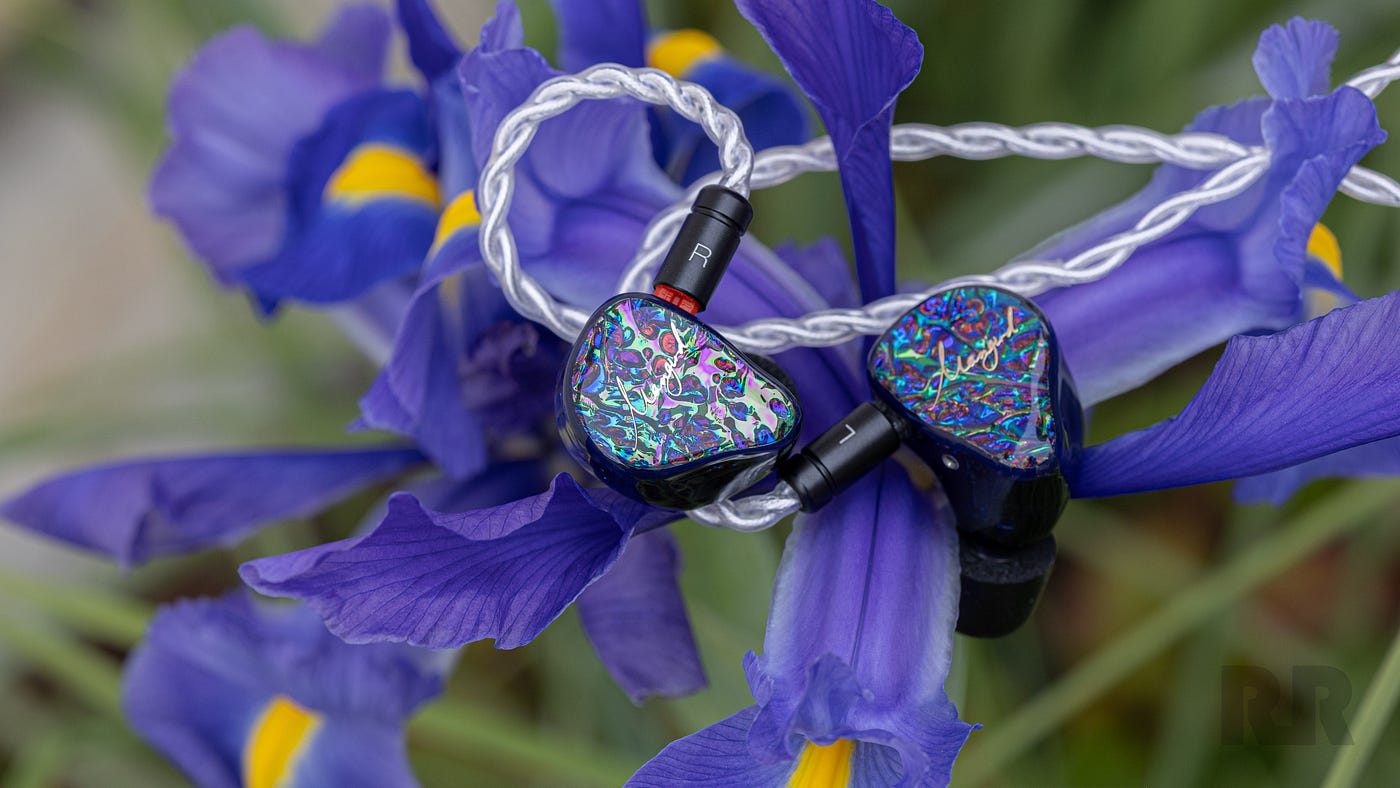
You may not have heard of Melody Wings before — they’re fairly new, and only started releasing IEMs in mid-2025. Their debut IEM, the Venus, was a strong performer that offered unusual levels of value. They quickly followed it up with a low-cost single-dynamic IEM, the Jupiter, which was similarly well-received. I’ve had the pleasure of reviewing both, and am back to show you Melody Wing’s newest (and priciest) IEM, the Neptune: a tribrid featuring dynamic, balanced-armature, and bone-conduction drivers in a pretty resin shell. Let’s get into the nitty-gritty!
*You can find the Neptune for sale here, on Bloom Audio, for $328. The official page for the Neptune can be found on the Melody Wings website, here. If you’d prefer to order directly from Melody Wings, you can do so by sending their support and email at info@melodywings.cn.*
About My Preferences: This review is a subjective assessment and is therefore tinged by my personal preferences. While I try to mitigate this as much as possible during my review process, I’d be lying if I said my biases are completely erased. So for you, my readers, keep this in mind:
- My ideal sound signature would be one with competent sub-bass, a textured mid-bass, a slightly warm midrange, and an extended treble.
- I have mild treble sensitivity.
Testing equipment and standards can be found here.
The Big Picture
Pros:
- Clean, articulate sound signature
- Shockingly-clear vocals
- Life-like instrumental timbre
- Well-tuned upper-register sparkle
- Beautiful faceplates and case
- Excellent eartip selection
Cons:
- BCD resonance
- Uncomfortable during long listening sessions
- Cable on the thin side
- Lacks the USB-C termination found in cheaper MW models
- Lacks bass emphasis
Key Specs
- Drivers: 1x dynamic, 4x balanced-armature, 1x bone-conduction
- Crossover: 3-way
- Sensitivity: 108dB SPL/mW
- Impedance: 19 ohms
- Cable: 0.78mm 2-pin w/modular termination (3.5mm, 4.4mm)
Sound
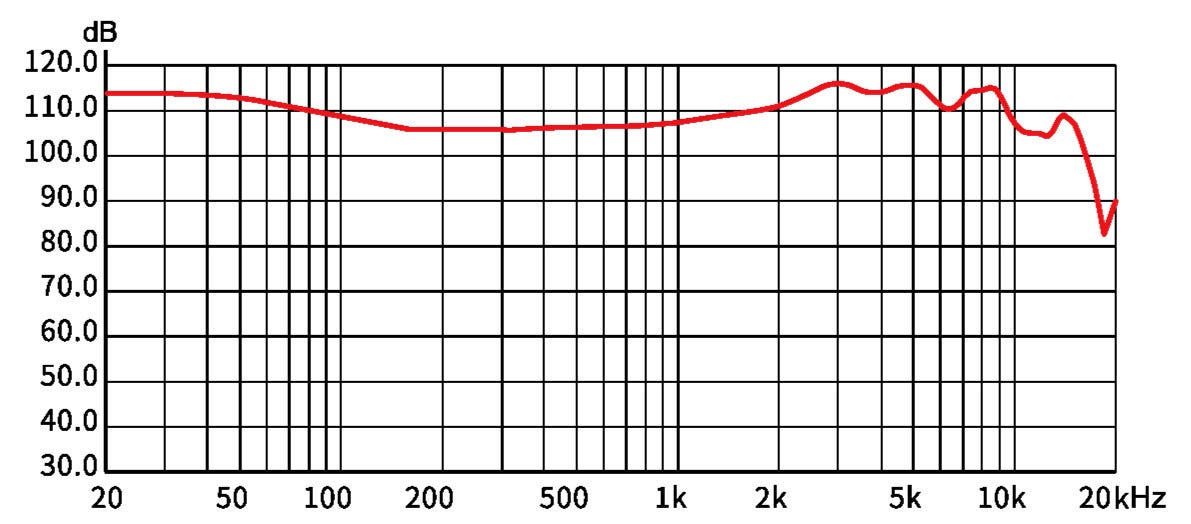
The Neptune is Melody Wings’s most-neutral IEM. It has a very mild U-shaped tuning, lifting the sub-bass and treble above its midrange. The Neptune’s upper-mids pick up a little steam before blending smoothly into its lower-treble. Its upper-mids and lower-treble sit fairly close together in terms of emphasis, ahead of a mildly recessed lower-midrange. The Neptune’s upper-treble is tastefully lifted to sit just below the lower-treble and generates a satisfying sense of air and sparkle. Extension both in the sub-bass and the upper-treble is strong, with nearly no roll-off at each extreme.
Vast, Spacious Treble
I dig the Neptune’s treble. It’s bright without being sharp, and forward without being commanding. Its delicate balance between upper and lower treble allow it to present a sense of air and sparkle with distinction, not bloom. Tracks like Black Out Days (Stay Away); Ian Asher leverage the Neptune’s incredibly-spacious tuning, delivering an abundance of air and width. M83’s *Midnight City was likewise rendered well, with the Neptune leaning into the track’s black and empty soundscape with ease. Beyond just space and air, the Neptune has performance to back it up. It captures bright, metallic tones starkly, greedily amassing every detail and shimmer. On tracks like [Last Nite*; The Strokes](https://www.youtube.com/watch?v=TOypSnKFHrE), the Neptune is able to render impressive levels of decay and fade on high-hats and cymbals.
The Neptune is listenable even at higher volumes, and even for those with treble sensitivity. Its tuners side-stepped the implementation of any major peaks in the upper-register that could generate discomfort, greatly improving both timbre and listening comfort. That said, for particularly aggressively-mastered tracks, high listening levels can bring the Neptune right up to the edge, teetering between tonal bite and sharpness. A non-issue at my normal listening volumes, though I’m usually pretty conservative for the sake of my ear health.
Midrange Texture for Days
The Neptune strikes a satisfying balance between midrange emphasis and tonal cohesion. Its lower-mids, while not particularly forward, are present and articulate. Low-pitched guitar strumming is resolved with texture and detail. The Neptune pulls pulls out so much texture, in fact, that you can even ascertain the subtleties of how some passages of acoustic guitar are hand-plucked.
But it’s vocal nuance where the Neptune really shines. There’s precious few other IEMs in this price range that play in the same ballpark of vocal intelligibility and tonal sophistication, and none that rout it. The Neptune delivers convincing realism, even with duets like those in Take; Echoes and Ghost Town; Shiny Toy Guns. That said, I’d like a little more warmth in the Neptune’s lower-mids. While they aren’t exactly “cold”, they don’t sound particularly warm either. This tonal neutrality gives the Neptune a nice, open presentation but also reduces its charisma.
Mild, Polite Bass
The Neptune is not a bassy IEM, generally. It delivers a deep, but polite rendering of bass elements. It is biased more towards sub-bass than mid-bass, giving it a relaxed, smooth timbre. That said, the gentleness of the Neptune’s bass takes a bit from its ability to render weighty drum slams with convincing body. They’re clear and articulate, undeniably, but don’t have the tactility you might want from an IEM with a bone-conduction driver. Bass drops in electronic genres fare similarly, for the most part; bassy elements are rendered clearly, but without much punch or rumble.
That said, the Neptune’s lower register is not entirely neutered; it possesses a genuinely motivating timbre in genres/tracks that synergize with its BC driver’s inflection point. For example, the Neptune rendered the bass reverb from the string plucks in The Mansion; Manchester Orchestra with a profound sense of realism. The Neptune also produced an enormous and satisfying wall of bass during the intro of *Do Re Mi (Dark Heart Remix)* — not surprising considering just how clearly the Neptune’s BC driver woke up for it.
Build

The Neptune is built meticulously. Its beautiful faceplates are made from real birch, slathered in high-quality hypo-allergenic resin.

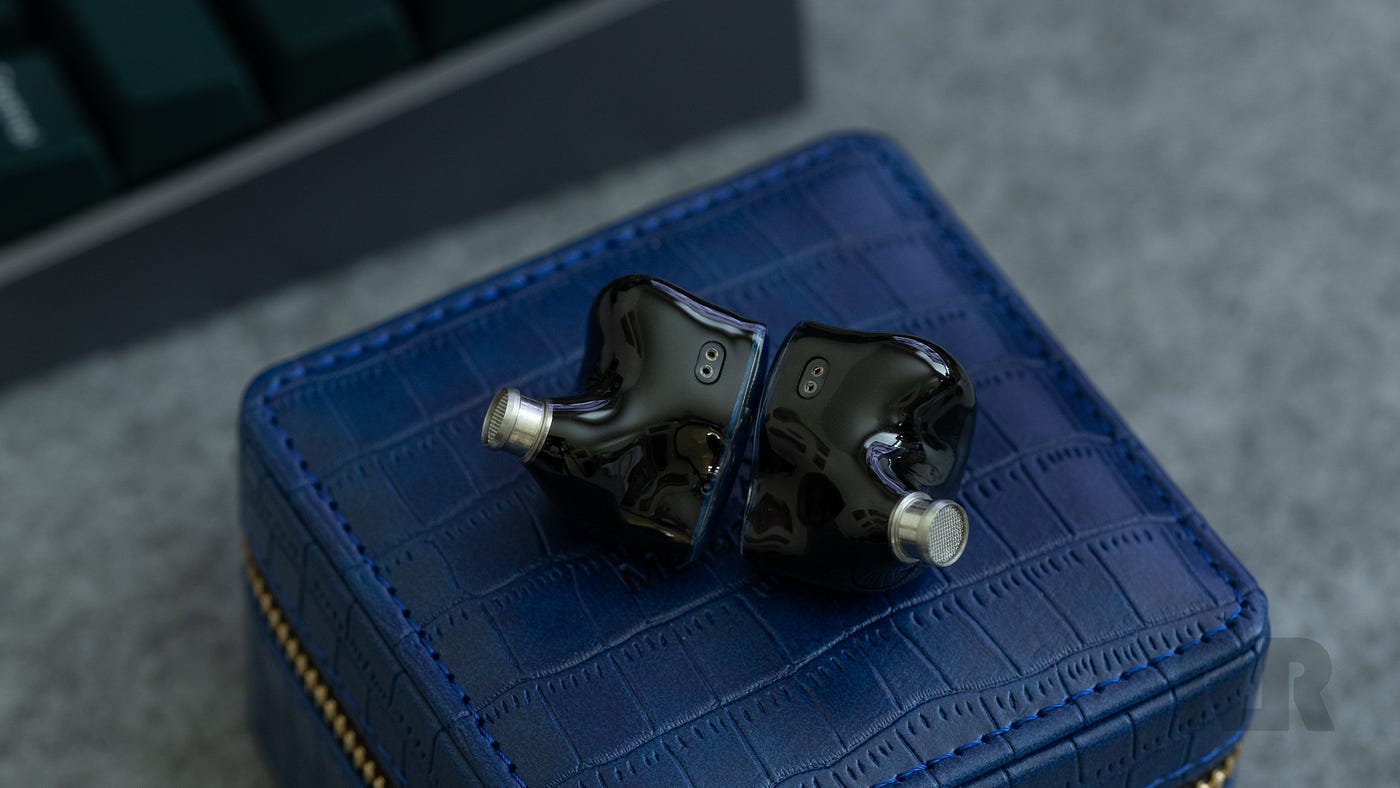
The Neptune uses metal nozzles with an integrated debris filter. Melody Wings refers to these nozzles are “clog-proof”, though that’s like only true for listeners that maintain consistent ear hygiene. The top of the Neptune’s shells host its 0.78mm 2-pin sockets. They’re set flush with the surface of the shell and are embedded within an oval-shaped plastic block. I prefer this style of the rectangular block variety, as they are less likely to stress-crack the shell.
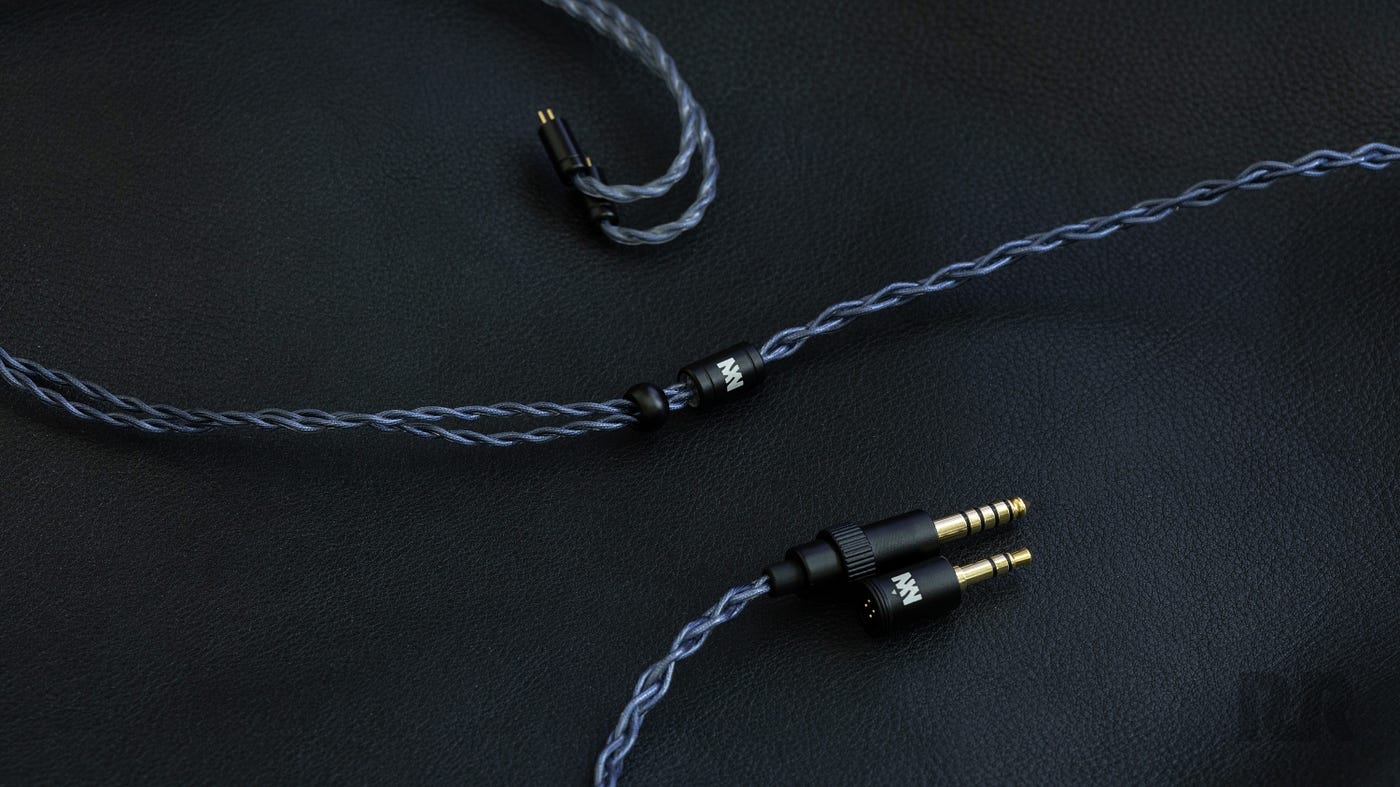
Melody Wings went with a nice-looking modular cable for the Neptune. It is modular and includes a 3.5mm and 4.4mm termination in the box. Curiously, Melody Wings decided to exclude to the USB-C termination found in the Venus from the Neptune’s accessory suite. That’s a bummer, as I really enjoyed the utility offered by the Venus’s variety of termination options.
Comfort
Comfort is a metric that relies heavily on factors influenced by your individual ear anatomy. Mileage will vary.
The Neptune has large shells. My wife’s small ears are a far-cry from being cable to wear them at all, though I’m able to get a good seal with the included foam eartips. I initially went for a deep seal with the Neptune, but doing so created some very uncomfortable pressure points on my outer ear. As such, I settled for a shallower fit which allowed me to get 1–1.5 hours of comfortable listening before taking a break.
Accessories
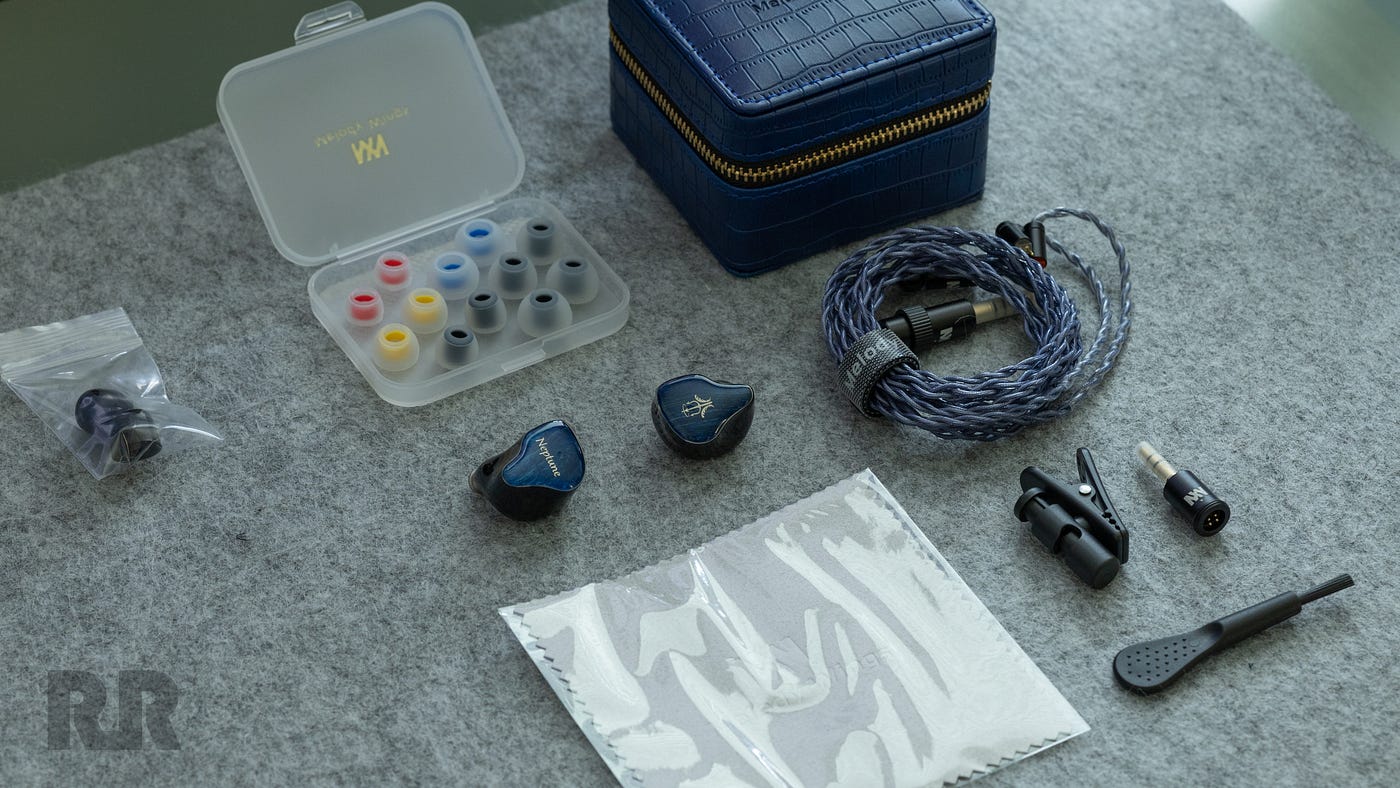
Inside the box you’ll find:
- 1x Pair foam ear tips
- 6x Pairs silicone ear tips
- 1x Microfiber cleaning cloth
- 1x IEM cleaning tool
- 1x Shirt clip
- 1x Semi-hard carrying case
This is a solid accessory package for around $300. The included carrying case is built nicely and easily fits the Neptune with a portable USB-C DAC. If you’re careful, you can also fit some spare eartips, a cleaning cloth, and even a padded IEM baggie. Melody Wings’s choice of silicone ear tip is good, as are their selection of foam ear tip. There’s only one size of foam ear tip included, but it just so happens to fit me perfectly, so I’m not complaining.
Comparisons
Comparisons are selected solely based on what I think is interesting. If you would like me to add more comparisons, feel free to make a request in the comments below!
Catchear CE6T
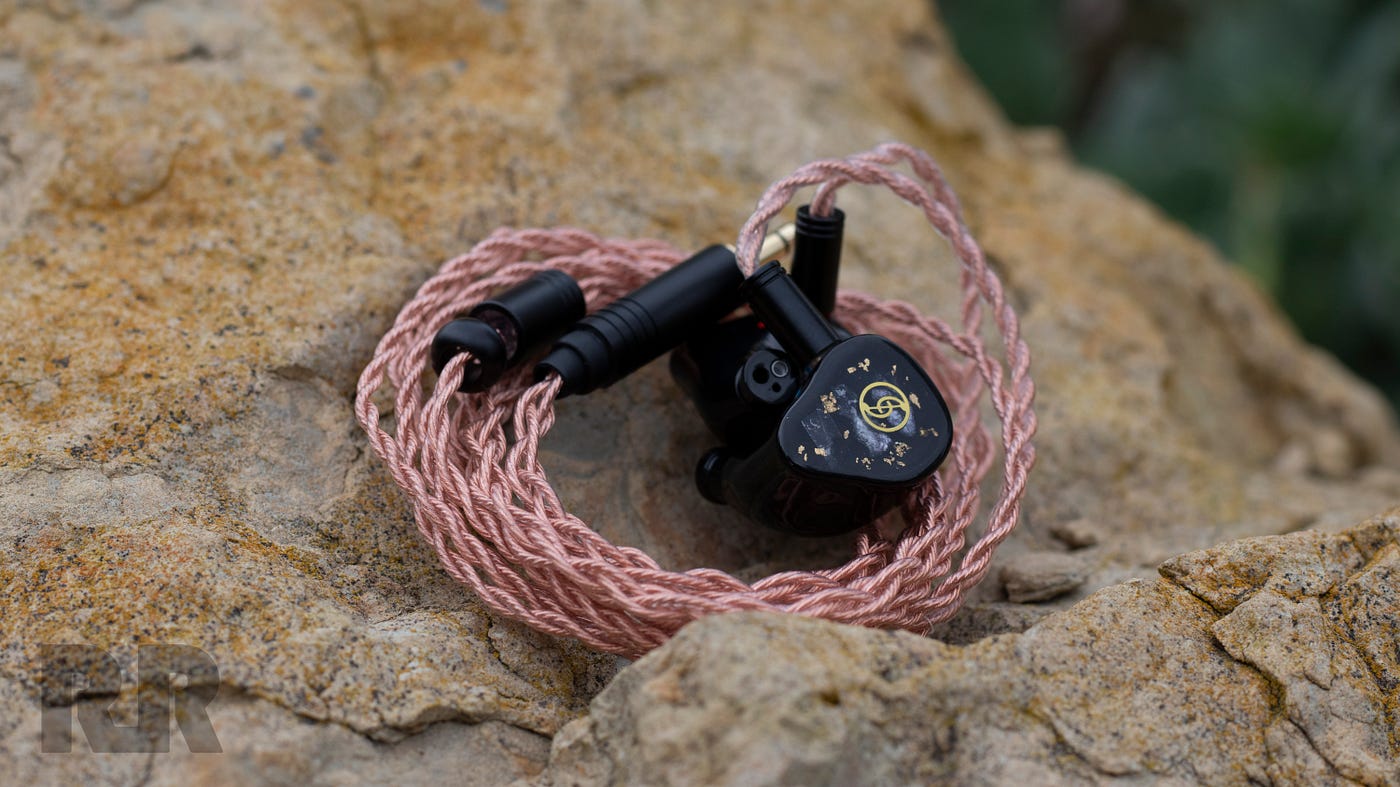
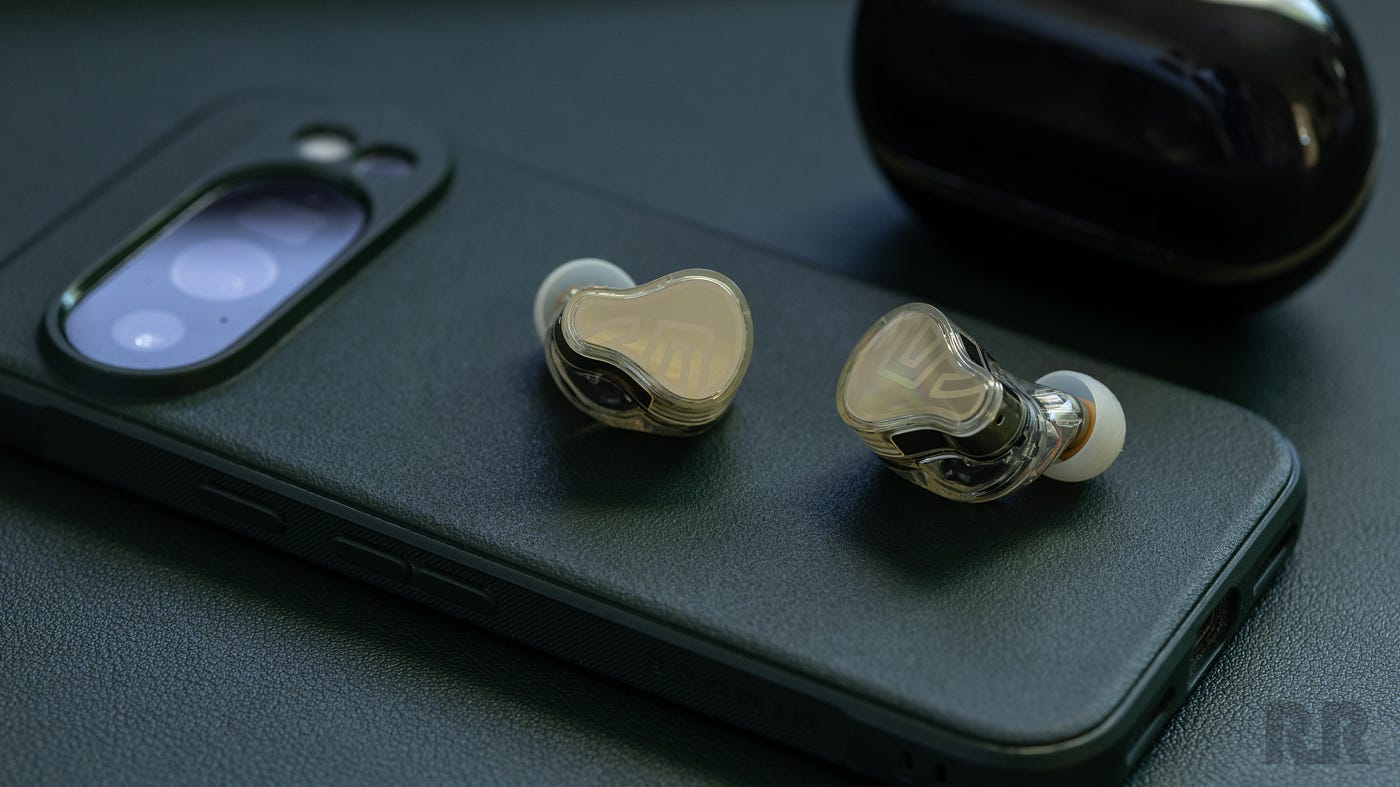
The CE6T is a resin-shelled tribrid IEM featuring 2x dynamic, 3x balanced-armature, and 1x bone-conduction driver per-side. That’s pretty similar to the Neptune’s driver configuration — though the CE6T also features an array of “tuning switches” that allow its sound signature to be adjusted on-the-fly. The CE6T retails for $360, costing about $30 more than the Neptune. Both IEMs have nicely-built cables, though the CE6T’s cable is a little softer in the hand. The Neptune has a nicer selection of eartips, though the CE6T is no slouch in that department. The CE6T has a smaller and less-protective case, however.
Compared to the CE6T in its “standard mode” tuning configuration, the Neptune is brighter, cooler, and less-bassy. The CE6T is the fuller-sounding of the two, delivering heft doses of substance during the drum beats in the intro of *The Kids Aren’t Alright* that the Neptune does not. The CE6T’s mid-bass, while a little slower, is much more present, even at lower volumes than the Neptune. The Neptune has a more-forward vocal range, placing lyrics much further forward than the CE6T. The CE6T’s vocals sound comparatively thick, though that works to its advantage when rendering male vocals. Both IEMs are performant, though the Neptune layers instrumentation and vocals with a level of finesse and care that you don’t often hear with the CE6T. The gentle arrangement of hi-hats and cymbals, the careful rendering of contrasting plucks of guitar strings — the Neptune delivers much more in the way of subtlety.
It’s a really tough call to choose between these IEMs. They’re not tuned the same way, and in spite of Melody Wings’s marketing materials claiming the Neptune is “warm and relaxed”, it often sounds comparatively cool and energetic when tested against actually warm IEMs. The CE6T is the better choice for those looking for extra helpings of warmth and bass — the Neptune isn’t tuned to deliver on those fronts. If you’re looking for a more bright-leaning interpretation of meta tuning, then the Neptune is your go-to. But in spite of the Neptune’s deviation from my usual shtick of “warm and bassy” tuning, I found myself reaching for it far more in my free time than the CE6T.
Melody Wings Venus

Left: Melody Wings Venus w/Plussound Tri-Copper cable | Right: Melody Wings Neptune
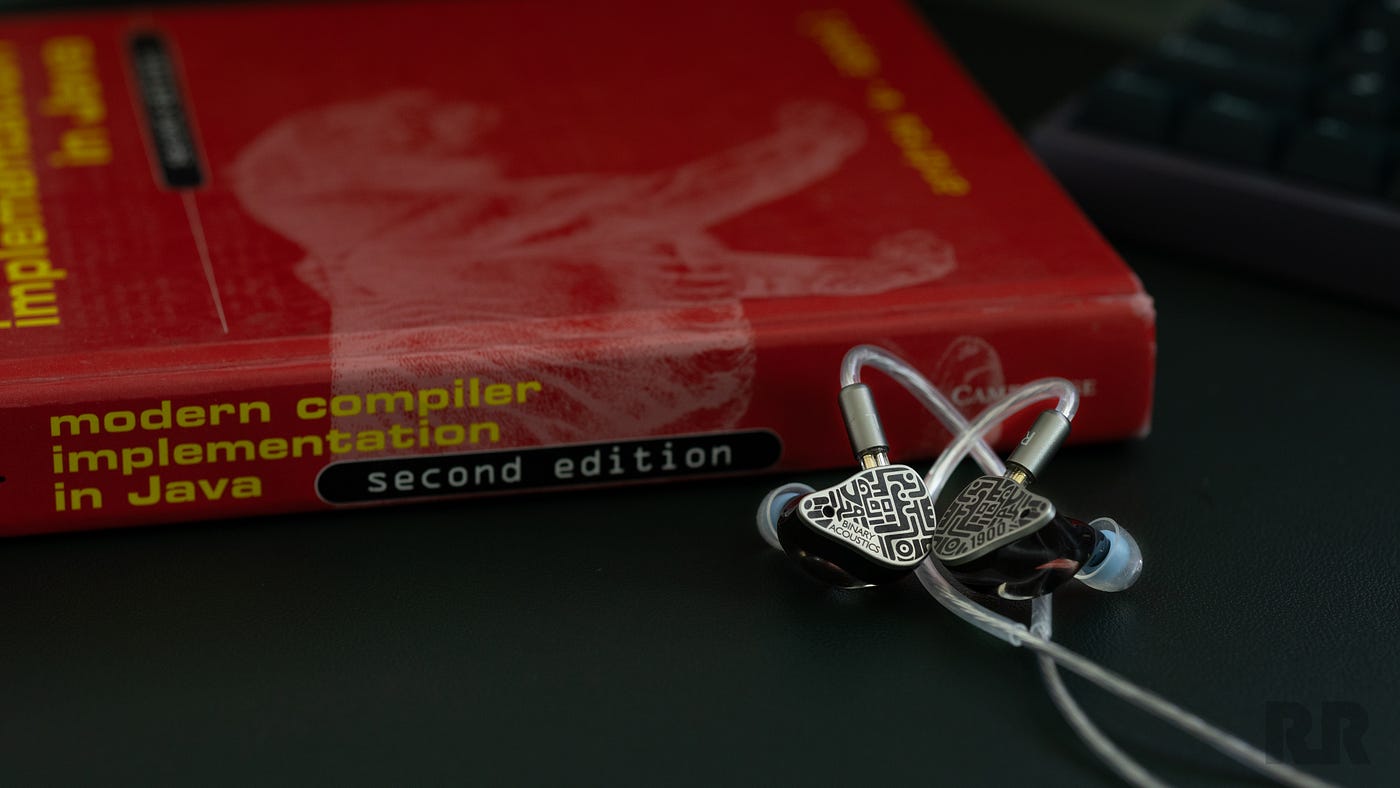
The Venus is Melody Wings’s debut IEM, featuring a hybrid driver configuration and resin shells. It costs $168, making it about half the price of the Neptune. Its construction is similar to the Neptune, and shares much of its material and physical design. The Neptune is notably-larger and bulkier — and is less comfortable as a result. The Venus is much easier to wear for extended listening sessions, even if both IEMs are fairly lightweight. The Venus comes with a similarly-thick modular 2-pin cable as the Neptune, though the Neptune’s cable looks and feels a bit nicer. The Venus, however, comes with a USB-C cable termination that the Neptune lacks. The Neptune features an improved selection of eartips over the Venus, particularly with its inclusion of well-made foam eartips.
Sonically, the Venus is warmer, bassier, and has less upper-treble emphasis. While the Venus is technically “darker”, it doesn’t sound “dark” in the absolute sense. For those that prefer a heavier mix of bass and lower-mids, the Venus is the more-familiarly-tuned option. In terms of performance, the Venus has always been an unusually-potent offering, particularly when considering its price point. While the Neptune is performant in its own right and grabs subtleties that the Venus does not, it’s not a night-and-day step up. The Venus delivers a fuller, more harmonically-complete renderings of acoustic guitar and drums, particularly during high-contrast passages. Neptune, however, is notably more-refined when presenting vocals. They’re cleaner, better-separated, and have a tangibly-improved sense of spacing. The Venus’s richer presentation tones deeper male vocals more realistically, but with less energy and vigor.
Between the two IEMs, I’m sticking with the Venus. Its lower price, included USB-C termination, and better ergonomics make it easier to use day-to-day. Beyond convenience, the Venus meshes better with my sonic preferences than the Neptune. Yes, the Neptune is better performer, but that comes at the expense of bass quantity — a trade that works better in a quiet environment rather than the noisy ones I tend to frequent.
DUNU DN242

The DN242 is a tribrid IEM, shelled in resin, from DUNU. It retails for $349, making it slightly more-expensive than the Neptune. Both IEMs are built nicely, though the DN242 lacks the “springy” vibration sensation found in the Neptune (thanks to its BC driver). The Neptune has a thinner, but prettier, modular cable, though the DN242 has better overall ergonomics. Both IEMs are well-equipped with accessories, with the DN242 having an edge in terms of silicone ear tip variety. The Neptune comes with foam eartips while the DN242 does not.
Sound wise, the DN242 has a more dramatic U-shaped tuning. It has a meatier, thicker bass presence that fills out the lower-register better. And while the DN242 does indeed have more bass, its tonality is dryer and flatter than what’s offered by the Neptune. The Neptune lower-register is similar, warmth, wise, to the Neptune. The Neptune has a less-dramatic treble, side-stepping the sibilance that sometimes accompanies the DN242’s upper-register. Both IEMs are strikingly-performant, though the Neptune has a greater sense of cohesion. The Neptune’s vocals are clearer and more intelligible, offering similar-quality timbre to the DN242 at slightly higher levels of resolution.
Between these two IEMs, I’m going with the Neptune. Its less-sharp upper-register is a big plus for me, as its lack of treble bloom. The DN242’s more-powerful bass is a plus for electronic music, but lacks some of the organic charm presented by the Neptune’s bass. While I do prefer the DN242’s cable and shell ergonomics to the Neptune’s, its not a big enough factor to pull me away from the Neptune’s camp.
Xenns Mangird Tea Pro

The Tea Pro is a metal-shelled hybrid IEM that costs $360. It costs around $30 more than the Neptune, but boasts both a higher driver count and more-durable shell materials. The Neptune’s cable is thinner, but has less memory than the Tea Pro’s cable. The Tea Pro’s cable and shells are more ergonomic than the Neptune’s for my ears, even considering their higher relative weight. The Neptune comes with a similar-quality selection of eartips, but a higher-quality carrying case. It is a little roomier and has sufficient space to store additional accessories that would be difficult, or impossible, to fit into the Tea Pro’s case.
In terms of sound, the Tea Pro is more V-shaped, delivering proper bassy passages, a cooler midrange, and a brighter upper-register. The Tea Pro exhibits stronger sense of both punch and rumble, synergizing much better with electronic music. Percussion and deep string instrumentation has more “body” to it on the Tea Pro, though the Neptune does capture much of the same detail. The Tea Pro’s mids are only a little colder than the Neptune’s, and the Neptune delivers stronger micro-texturing and layering capabilities during busy passages. The Tea Pro is no slouch though, capturing a vastly similar suite of details and textures in its upper-mids and lower-treble. The Neptune, however, has it beat on fine, subtle upper-register resolution — and it does so without sounding harsh or overly-forward. The Tea Pro can sometimes step past the line of treble comfort on roughly-mastered tracks, while the Neptune is considerably better behaved. Getting more resolution out of the upper-register with lesser emphasis is impressive.
Between the two IEMs, I’m begrudgingly going with the Tea Pro. For $360, it’s just really hard to beat its excellent mix of accessory quality, premium materials, and palatable tuning. The Neptune, while a better performer in the upper-register, lacks the sheer oomph that I’m looking for in my electronic and R&B tracks.
Conclusion
The Neptune is a well-tuned, high-performance IEM that does not live up to the language presented by Melody Wings in its marketing materials. Melody Wings claims they’re “not chasing resolution”, yet they’ve released they most-resolving IEM to date. Melody Wings claims that the Neptune is tuned to deliver “warm and rich bass texture”, yet it has less warmth than the rest of their lineup. But one particular line from their press release stands out as undeniably true: the Neptune is “steady, profound and layered”. This is an IEM that exudes polish — both in the technical sense, and the literal sense. Its impressive ability to articulate lyrics, combined with its undeniably-profound capacity for texture and nuance make it a potent force in the mid-Fi segment — just not in the ways the Melody Wings said it would be.
Who This is For
- Those seeking out a balanced, vocal-centric IEM
- Listeners that want a mild, but not boring, sound signature
- Those that want to enjoy subtle bone-conduction tuning
- Trebleheads that don’t want to lose-out on the rest of the sonic spectrum
Who This isn’t For
- Bassheads
- Those that thrive on warm tuning
- Listeners seeking reference sound
- Buyers looking for traditional V-shaped sound
As always, happy listening!
메타데이터
- post_id
- 8c5e1c976db9
- slug
- melody-wings-neptune-review-experimental-but-refined-8c5e1c976db9
- url
- https://resonancereviews.com/melody-wings-neptune-review-experimental-but-refined-8c5e1c976db9
- canonical_url
- https://resonancereviews.com/melody-wings-neptune-review-experimental-but-refined-8c5e1c976db9
- author_url
- https://medium.com/@aaronreviews
- status
- ok
- fetched_at
- 2026-06-09 15:37:30