Monthly ESG and Sustainability Roundup (Renewable Energy) for September — 2024
1. Introduction
Navigating the Future of Solar and Wind Power Development in India: Trends, Challenges, and Opportunities
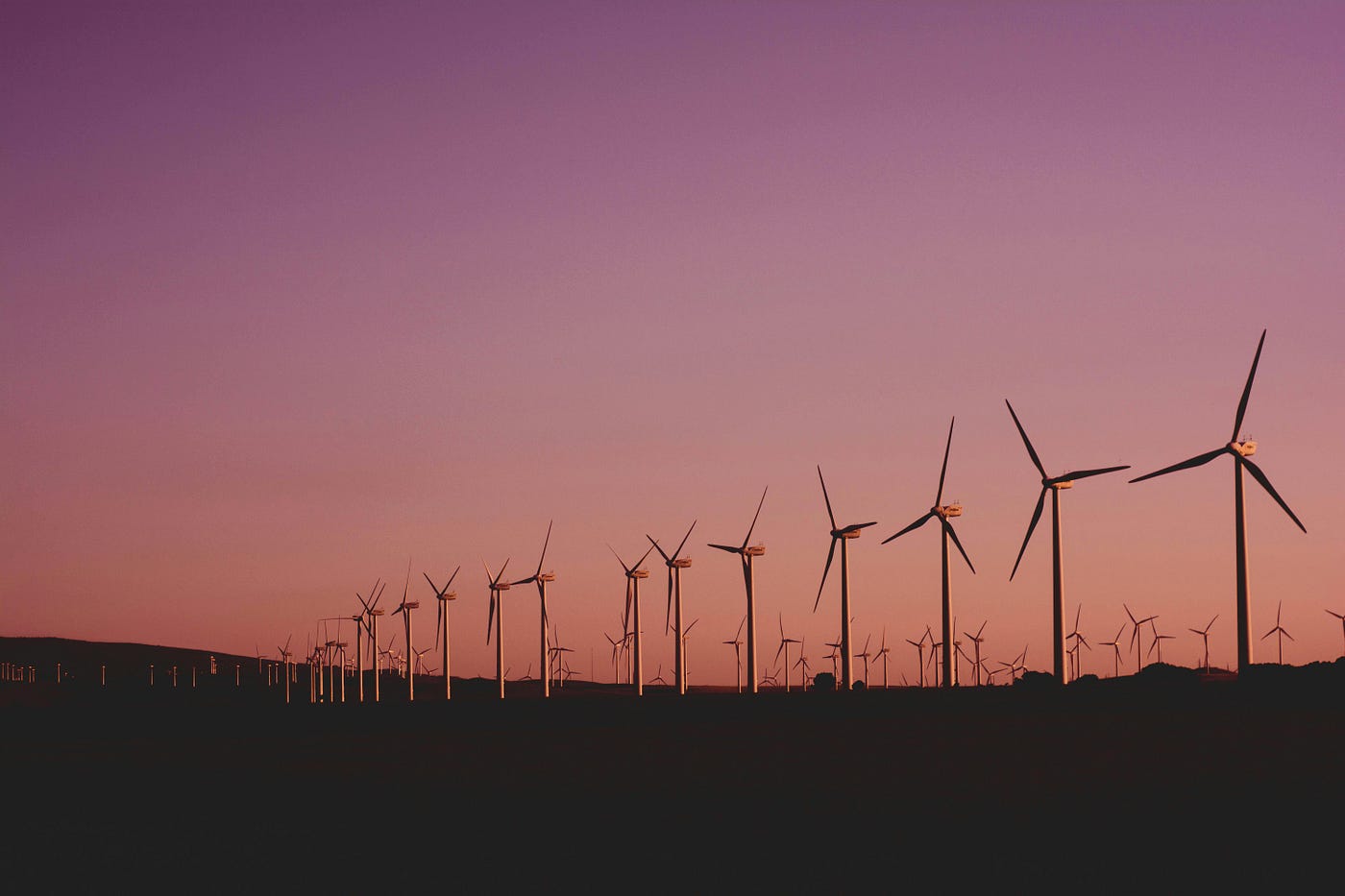
Photo by Narcias Aciko on Pexels.com; Images used for representational purpose only.
Introduction
The report explores the critical landscape of Solar and Wind Power Development in India, particularly in the period leading to September 2024. As industry professionals face increasing pressure to integrate sustainable energy solutions, this research aims to equip them with insights into effective practices and emerging technologies. Key areas of focus include renewable energy trends, sector-specific insights, quantifiable impacts, current challenges, and actionable recommendations.
General Solar & Wind Power Development Trends
Trends and Innovations (September 2024)
Solar and wind energy continue to gain momentum in India, with the government aiming for an ambitious target of 500GW of renewables by 2030. As of mid-2024, 15GW of new solar capacity was added, marking a 282% increase from 2023. Recent statistics indicate that Solar PV accounts for 19.5% of total power capacity installations, reflecting a robust upward trajectory (PV Tech).
Effectiveness and ROI of Sustainability Practices
Different schemes such as Feed-in Tariff Schemes, Renewable Purchase Obligations (RPOs), and Green Finance Mechanisms have been pivotal for investors and developers. Recent findings indicate that only 6% of electricity consumption in heavy industries is sourced from renewables, signaling an opportunity for impactful policy adjustments (Mongabay).
Innovations in Policy
Policy frameworks, particularly those introduced by IREDA (Indian Renewable Energy Development Agency Ltd.) and the MNRE (Ministry of New and Renewable Energy), are gaining traction and focusing on technology transfer and capacity building efforts aimed at enhancing overall efficiency in renewable energy projects (PV Tech).
Challenges
Creating cohesive strategies for grid integration and balancing supply-demand dynamics poses significant challenges. Furthermore, meeting the RPO target remains difficult, as only a few companies (like Jindal Steel) are piloting decarbonization programs (Mongabay).
Future Projections
Experts believe that India must consistently add 46GW of new capacity annually to meet its 2030 goals. Overcoming infrastructural shortcomings and ensuring stable financing conditions will be paramount to achieving this (Mint).
Sector-Specific Insights
1. Solar Sector
- Impact: The solar sector continues to account for the majority of new capacity added, with 71% of renewables additions in Q2 2024 coming from solar.
- Schemes: Current RPO mandates encourage renewable sourcing, pushing state utilities towards compliance.
- Innovations and Challenges: Variability in solar output and issues related to grid stability present ongoing challenges. The recent introduction of battery energy storage systems could alleviate these issues.
- Emerging Technologies: Leveraging AI for predictive maintenance and integrating blockchain for transparent transactions are transforming project management and stakeholder interactions.
2. Wind Sector
- Impact: Wind installations are projected to increase in tandem with solar, especially in coastal areas where conditions are optimal.
- Unique Schemes: Offshore wind projects are gaining traction, although infrastructure limitations must be addressed.
- Innovations: Advances in turbine technology and digital analytics are expected to enhance operational efficiency.
Case Studies
1 National Solar Mission
The National Solar Mission made significant strides by focusing on decentralized solar energy. Recent targets include the installation of large-scale solar parks, which have collectively added 7.1GW of capacity in March 2024 (PV Tech).
2 International Solar Alliance (ISA)
ISA initiatives are delivering comprehensive frameworks enabling countries to collaborate and share advancements. For instance, India’s partnership in global PV projects has propelled investments necessary for cutting-edge technologies (PV Tech).
Challenges and Solutions
Challenges
- Infrastructure Gaps: The current grid and transmission systems are ill-equipped for the influx of renewable energy.
- Regulatory Uncertainties: Changing policies can deter long-term investments.
Solutions
- Robust Investments: Establishing dedicated funds for infrastructure improvement could bridge existing gaps.
- Policy Stability: Ensuring consistent regulations and subsidies could enhance investor confidence.
Future Outlook
Emerging technologies, such as floating solar panels, present innovative pathways to expand capacity sustainably. Experts predict robust growth in the sector, with estimates stating India’s renewable capacity could significantly surpass 250GW by 2027 if current trajectories persist (Mint).
Actionable Recommendations
To leverage the growth in Solar and Wind Power Development:
- Invest in Training: Equip teams with skills in new technologies.
- Develop Strategic Alliances: Collaborate with tech firms and academic institutions to innovate project methods.
- Strengthen Advocacy: Engage with policymakers for sustainable regulatory environments.
- Utilize Data Analytics: Forecast trends actively and adjust operations accordingly.
As renewable energy systems rapidly evolve, it is imperative for industry professionals to apply these insights and recommendations in driving Solar & Wind Power Development forward. The integration of sustainability and technology will unlock greater efficiencies and significant environmental benefits.
Conclusion
The trajectory of Solar and Wind Power Development in India reveals both opportunity and challenge. Comprehensive insights from this report underscore the importance of proactive strategies for maximizing sustainability efforts. Industry professionals are encouraged to embrace innovative practices to excel in their renewable energy initiatives, amplifying both environmental and economic impact for a sustainable future.
For further details and changes in renewable energy strategies, please explore Mongabay and PV Tech.
Disclaimer This report is intended solely for information purposes. This report is under no circumstances intended to be used or considered as financial or investment advice, a recommendation or an offer to sell, or a solicitation of any offer to buy any securities or other form of financial asset. The Report has been prepared on best effort basis, relying upon information obtained from various sources, but we do not guarantee the completeness, accuracy, timeliness or projections of future conditions provided herein from the use of the said information. In no event, we, or any of our officers, directors, employees, affiliates or other agents are responsible for any loss or damage arising out of this report. All investments are subject to risk, which should be considered prior to making any investment decisions. Consult your personal investment advisers before making an investment decision.
메타데이터
- post_id
- 8cacabff016e
- slug
- monthly-esg-and-sustainability-roundup-renewable-energy-for-september-2024-8cacabff016e
- url
- https://medium.com/@lokeshbohra/monthly-esg-and-sustainability-roundup-renewable-energy-for-september-2024-8cacabff016e
- canonical_url
- https://medium.com/@lokeshbohra/monthly-esg-and-sustainability-roundup-renewable-energy-for-september-2024-8cacabff016e
- author_url
- https://medium.com/@lokeshbohra
- status
- ok
- fetched_at
- 2026-06-23 21:39:52