10 Common Mistakes Made While Operating Aerial and Scissor Lifts
Aerial lifts and scissor lifts are indispensable on modern jobsites, allowing workers to perform tasks safely at height when used…
10 Common Mistakes Made While Operating Aerial and Scissor Lifts
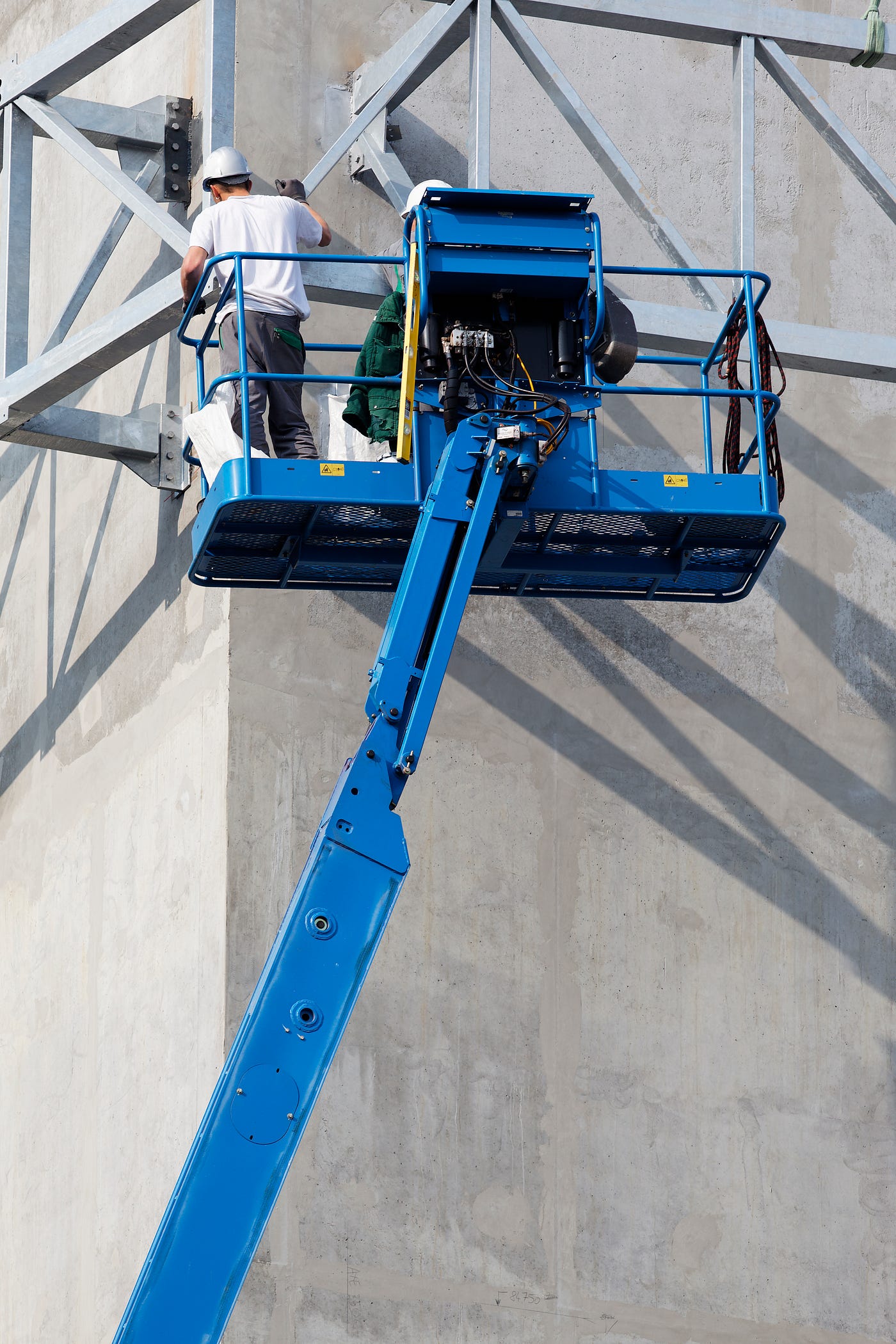
Aerial lifts and scissor lifts are indispensable on modern jobsites, allowing workers to perform tasks safely at height when used correctly. From construction and maintenance to warehousing and facility management, these machines improve efficiency and reduce the need for ladders and scaffolding. However, improper operation can quickly turn them into serious workplace hazards.
Many incidents involving aerial work platforms are preventable and often result from common mistakes rather than equipment failure. Understanding these errors helps operators, supervisors, and employers create safer work environments and reduce the risk of injuries.
Here are ten common mistakes made while operating aerial and scissor lifts and how to avoid them.
1. Skipping the Pre-Operation Inspection
One of the most frequent mistakes is using equipment without completing a thorough inspection. Even a well-maintained lift should be checked before every shift.
A proper inspection includes examining:
- Tires and wheels
- Guardrails
- Hydraulic systems
- Controls
- Safety alarms
- Brakes
- Emergency lowering systems
Identifying problems before operation helps prevent equipment failures that could lead to workplace incidents.
2. Ignoring Manufacturer Instructions
Every aerial or scissor lift is designed differently. Assuming that all equipment operates the same can result in unsafe practices.
Operators should always review the manufacturer’s operating guidelines and understand the machine’s controls, limitations, and safety features before use. Following recommended procedures helps ensure the equipment is used as intended.
3. Exceeding the Load Capacity
Overloading an aerial or scissor lift is a serious safety concern.
The platform is designed to support a specific maximum weight, including:
- Workers
- Tools
- Materials
- Equipment
Exceeding the rated capacity can affect stability, increase mechanical stress, and raise the risk of tip-overs. Operators should always verify load limits before beginning work.
4. Failing to Inspect the Work Area
The surrounding environment plays a major role in safe lift operation.
Before raising the platform, workers should identify hazards such as:
- Uneven ground
- Slopes
- Potholes
- Debris
- Overhead obstructions
- Power lines
- Nearby vehicle traffic
Assessing the work area in advance helps reduce unexpected hazards during operation.
5. Moving the Lift Unsafely
Driving an aerial or scissor lift while the platform is elevated can create stability issues, particularly on uneven surfaces.
Operators should understand when movement is permitted and always follow equipment guidelines regarding travel with an elevated platform. Slow, controlled movement reduces unnecessary risks.
6. Improper Use of Fall Protection
Some operators assume guardrails alone provide complete protection in every situation.
Depending on the equipment type and workplace requirements, additional **fall protection** may be necessary. Workers should understand site-specific procedures and ensure protective equipment is used correctly whenever required.
Proper planning before beginning elevated work significantly improves worker safety.
7. Becoming Distracted During Operation
Operating elevated equipment requires continuous attention.
Distractions such as conversations, mobile phones, rushing to complete tasks, or failing to communicate with nearby workers can increase the likelihood of incidents.
Maintaining focus throughout the operation helps operators recognize changing conditions and respond safely.
8. Working Too Close to Power Lines
Electrical hazards remain one of the most serious risks associated with aerial work platforms.
Operators should always maintain safe approach distances from energized power lines and understand that electricity can arc without direct contact.
Planning work around **electrical hazards** is essential for protecting everyone on site.
9. Neglecting Weather Conditions
Outdoor work introduces additional challenges.
Strong winds, heavy rain, snow, ice, or poor visibility can affect equipment stability and operator control.
Weather conditions should always be evaluated before using aerial or scissor lifts. If conditions become unsafe, work should be postponed until risks can be properly managed.
10. Assuming Experience Replaces Ongoing Learning
Even experienced operators benefit from refreshing their knowledge and staying current with safe operating practices.
Worksites change, equipment evolves, and new hazards emerge over time. Continuous learning helps reinforce safe habits and encourages workers to remain alert to potential risks.
Completing an **aerial lift certification** or a scissor lift safety course can help operators strengthen their understanding of equipment operation, hazard recognition, inspections, and emergency procedures. Ongoing safety training supports safer decision-making and contributes to a stronger workplace safety culture.
Best Practices for Safe Lift Operation
Avoiding common mistakes begins with establishing safe work habits every day.
Some important best practices include:
- Conduct daily equipment inspections.
- Verify the work area is free of hazards.
- Follow manufacturer operating instructions.
- Never exceed platform capacity.
- Use required personal protective equipment.
- Stay aware of overhead hazards.
- Maintain safe distances from power lines.
- Monitor weather conditions during outdoor work.
- Report equipment defects immediately.
- Encourage regular refresher training.
These simple practices help reduce unnecessary risks while improving overall jobsite safety.
Creating a Stronger Safety Culture
Safe lift operation is not solely the responsibility of the equipment operator. Supervisors, employers, and coworkers all contribute by promoting safe work procedures, encouraging hazard reporting, and ensuring equipment is properly maintained.
Open communication before and during elevated work allows teams to identify changing conditions and respond effectively. Regular toolbox talks, inspections, and safety discussions also reinforce the importance of following established procedures.
When everyone takes an active role in safety, workplaces become better prepared to prevent incidents before they occur.
Conclusion
Aerial and scissor lifts make elevated work safer and more efficient, but only when they are operated responsibly. Many **workplace incidents** result from avoidable mistakes such as skipping inspections, overloading equipment, ignoring environmental hazards, or becoming complacent.
By recognizing these common errors and following proven safe operating practices, workers can reduce risks and improve workplace safety. Consistent planning, hazard awareness, and ongoing learning help ensure aerial and scissor lift operations remain productive while protecting everyone on the jobsite.
메타데이터
- post_id
- 8cd4325161ef
- slug
- 10-common-mistakes-made-while-operating-aerial-and-scissor-lifts-8cd4325161ef
- url
- https://medium.com/@claire.thompson1289/10-common-mistakes-made-while-operating-aerial-and-scissor-lifts-8cd4325161ef
- canonical_url
- https://medium.com/@claire.thompson1289/10-common-mistakes-made-while-operating-aerial-and-scissor-lifts-8cd4325161ef
- author_url
- https://medium.com/@claire.thompson1289
- status
- ok
- fetched_at
- 2026-08-02 02:32:02