The Complete Protein Myth: Why Dietary Diversity Is Ecological Infrastructure
Animals don’t create amino acids — they concentrate them from plants. Traditional cuisines knew this. Modern policy forgot. Here’s why it…
The Complete Protein Myth: Why Dietary Diversity Is Ecological Infrastructure
Animals don’t create amino acids — they concentrate them from plants. Traditional cuisines knew this. Modern policy forgot. Here’s why it matters.
Opinions expressed within the content are the author’s and do not reflect the opinions and beliefs of RegenSpiral.
If you are not a subscriber of Medium, access the article here
Two Plates, Two Worlds
Place two plates on the table.

On the first: fish and chips. A fillet of battered white fish, deep-fried; potatoes cut into uniform sticks; salt, perhaps vinegar. It is hot, filling, and predictable. You could eat it in London, Sydney, or a highway rest stop in the American Midwest and recognise it instantly. Its virtues are obvious: speed, satiety, consistency. It does exactly what it promises.
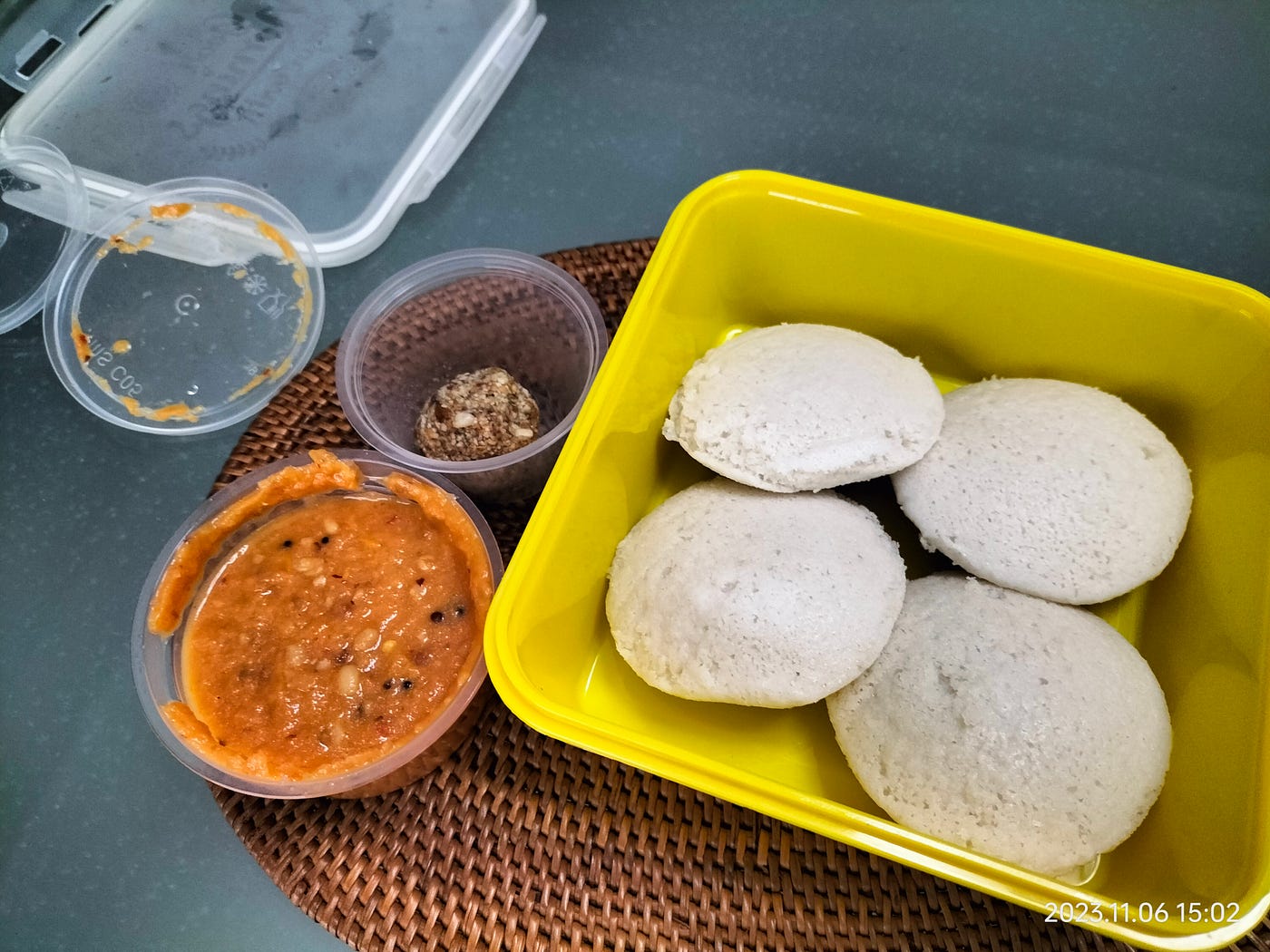
On the second: nasi pecel. Rice surrounded by blanched greens, bean sprouts, long beans, tofu or tempeh, peanuts ground into sauce with chillies, palm sugar, lime, and aromatics. No two stalls prepare it exactly the same way. The greens change with season and availability; the sauce shifts with household taste. Even the ratio of components is negotiable.
When spinach prices spike, the stall uses kangkung (water spinach) instead. When peanuts are scarce, the sauce adjusts its ratio toward other ingredients or substitutes cashews. When tofu suppliers falter, tempeh takes its place. The dish absorbs these shocks without breaking — often without the eater even noticing. The meal remains recognisable, nutritious, and affordable.
Fish and chips does not bend this way. When fish prices rise, the portion shrinks or the price increases. There is no substitute that preserves the dish’s identity. The eater notices immediately.
Both plates feed people. Both emerged from real historical constraints. Neither is inherently superior as a moral object.
Yet they encode radically different assumptions about food — and about the ecological systems that produce it.
Fish and chips assumes stable supply chains, cheap energy, standardised ingredients, and concentrated protein sources. Nasi pecel assumes variability: that some greens may be absent, that peanuts may be replaced with other legumes, that today’s abundance may not be tomorrow’s.
The contrast reveals something more fundamental than culinary tradition. It reveals two different answers to the same question: How do you feed people when you cannot predict what will grow, what will be affordable, or what the climate will allow?
Part 1: The Complete Protein Myth
What “Complete Protein” Actually Means
There is a story we tell ourselves about protein, and it goes like this: meat is complete; plants are incomplete. You need animal products for proper nutrition. Everything else is a compromise, a deficiency waiting to happen.
This story is biochemically false. But it is so deeply embedded in modern nutrition thinking that even people who know better repeat it unconsciously.
Here is what the science actually says: humans do not need protein in the abstract. We need **essential amino acids** — nine specific molecular building blocks our bodies cannot synthesize: histidine, isoleucine, leucine, lysine, methionine, phenylalanine, threonine, tryptophan, and valine.

Once ingested, all dietary protein — whether from steak, soybeans, or lentils — is dismantled into amino acids and rebuilt into human proteins as needed. Your body does not absorb “chicken protein” or “bean protein.” It absorbs amino acids and reassembles them according to its own blueprint.
The crucial detail: animals do not create these essential amino acids either. Plants and microbes do. Animals merely concentrate, rebalance, and package them into forms convenient for other animals — humans included.
A chicken breast delivers all nine essential amino acids in proportions closely matched to human needs because the chicken already solved the amino acid balancing problem by eating plants (and often insects). The chicken is not biochemically superior. It is a metabolic intermediary.
Meat feels nutritionally complete not because animal tissue possesses some unique property, but because animals have already performed the work of combining amino acids from multiple plant sources through their diet. You are eating the solution to a problem the animal already solved.
What “Complete Protein” Thinking Misses
The focus on essential amino acids as the measure of protein quality reveals a deeper problem with modern nutrition thinking: reductionism.
When we evaluate foods solely by whether they deliver complete amino acids efficiently, we ignore thousands of other compounds that matter.
Plant-diverse diets deliver:
- Polyphenols (from beans, berries, tea, herbs)
- Carotenoids (beta-carotene, lycopene, lutein from colourful vegetables)
- Flavonoids (from fruits, vegetables, legumes)
- Glucosinolates (from cruciferous vegetables)
- Phytosterols (from nuts, seeds, legumes)
- Lignans (from seeds, whole grains, legumes)
None of these are “essential” in the technical sense — you won’t develop deficiency diseases without them. But epidemiological evidence consistently links higher intake with reduced chronic disease risk.
Meat contains some of these compounds (animals eat plants), but at much lower concentrations. A diet centred on animal protein delivers amino acids efficiently but often at the cost of phytonutrient diversity.
Traditional cuisines didn’t know the names of these compounds. They didn’t need to. By eating diverse plants — different colored vegetables, various legumes, multiple grains, herbs, and spices — they obtained these benefits by default.
This is the problem with measuring food quality solely by protein completeness. You optimize for one nutrient while potentially under-delivering on thousands of others we’re still discovering matter.
Nutrition science is incomplete. We’re continuously finding new compounds in plants that affect human health: sulforaphane in broccoli, resveratrol in grapes, curcumin in turmeric, anthocyanins in berries. Each decade reveals more.
Our ancestors weren’t waiting for research papers. They ate diverse plants because that’s what grew, what was available, and what cultural wisdom passed down. The health benefits emerged from that diversity — benefits we’re still cataloging.
How Traditional Cuisines Solved the Problem
Consider what people have been eating for millennia:
- In India: Dal (lentils) with rice or roti (wheat flatbread)
- In Mexico: Frijoles (beans) with maize tortillas
- In the Middle East: Hummus (chickpeas) with pita bread
- In East Asia: Tofu (soybeans) with rice
- In West Africa: Groundnut (peanut) stew with millet or rice
- In the Mediterranean: Fagioli (white beans) with pasta or bread

None of these combinations emerged from amino acid charts. They evolved through trial, error, survival, and the accumulated knowledge of thousands of generations.
Yet each solves the same biochemical problem: the limiting amino acids in grains (primarily lysine) are abundant in legumes, while the limiting amino acids in legumes (primarily methionine and cysteine) are abundant in grains.
Eat them together — or even within the same day — and the body assembles complete proteins as efficiently as from meat. The biochemistry was only discovered in the 20th century by scientists like William Rose and Frances Moore Lappé. The practice is millennia old.
This is not accidental culinary harmony. It is compressed nutritional knowledge, encoded in taste, habit, and culture through the simple mechanism of: societies that figured this out had healthier populations; societies that did not faced consequences.
The Three Sisters and Biological Synergy
Some traditional agricultural systems made this even more elegant by growing complementary proteins together.
The Indigenous peoples of the Americas developed the **Three Sisters** planting system: maize (corn), climbing beans, and squash grown in the same plot.

The synergy operates at multiple levels:
- Agricultural: Corn provides a structure for beans to climb. Beans fix atmospheric nitrogen in the soil, fertilising the corn and squash. Squash leaves shade the ground, retaining moisture and suppressing weeds. The system is more productive per unit of land than any single crop.
- Nutritional: Corn provides carbohydrates and some amino acids. Beans provide protein with complementary amino acids. Squash provides vitamins, minerals, and additional calories. Together, they form a nutritionally complete diet.
- Ecological: The polyculture supports diverse soil microbiomes, requires no external fertiliser, resists pest outbreaks, and remains productive across variable weather conditions.
The system produces complete nutrition while building rather than depleting soil. It is simultaneously a farming practice, a nutritional strategy, and an ecological framework.
When Spanish colonisers encountered this system, they often dismantled it in favour of monoculture — growing single crops at scale. The short-term yields looked better on paper. The long-term sustainability collapsed.
When “Incomplete” Became the Default Mental Model
If plant-based amino acid complementarity is this straightforward and this ancient, how did we come to think of plant proteins as nutritionally inferior?
The answer is historical, not biochemical.
The Protein Gap Hypothesis (1950s-1960s): Post-World War II development agencies believed global malnutrition was primarily a protein deficiency problem. They promoted meat, dairy, and high-protein crops as solutions to world hunger. This framing positioned plant proteins as insufficient, requiring “upgrading” through animal production or industrial fortification.
The hypothesis was later disproven — calorie deficiency, not protein deficiency, was the primary problem — but the mental model persisted.
Industrial Meat Scaling (1960s-1980s): Concentrated Animal Feeding Operations (CAFOs) made meat production cheaper and more consistent. Vertical integration of the meat industry created economic incentives to promote meat consumption. Nutrition science increasingly studied meat as the default protein source, with plant proteins positioned as alternatives.
Dietary Guidance Framing: Early nutrition research focused on preventing deficiency diseases (kwashiorkor, rickets), not on optimizing health through dietary patterns. Single-nutrient analysis became standard: how much protein, which vitamins, what minerals. This reductionist approach made meat appear superior because it delivered multiple nutrients in a single package — ignoring that diverse plant combinations achieved the same outcome while supporting more resilient agricultural systems.
Cultural Reinforcement: As meat consumption became associated with prosperity, wealth, and development, plant-based eating became coded as poverty food or deprivation. The framing was never primarily about nutrition; it was about status and industrial food policy.
The result: plant proteins became “alternatives” to animal proteins, even though for most of human history and for most human populations, the reverse was true — animal proteins supplemented primarily plant-based diets.
The 2025 U.S. Dietary Guidelines as an Example
Recent nutrition policy illustrates how deeply this mental model persists.
The 2025 U.S. Dietary Guidelines for Americans recommend 1.2–1.6 grams of protein per kilogram of body weight per day — substantially higher than previous recommendations. The guidelines list protein sources as: “eggs, poultry, seafood, and red meat, as well as a variety of plant-sourced protein foods, including beans, peas, lentils, legumes, nuts, seeds, and soy.”
The ordering is not arbitrary. Animal proteins are listed first in every recommendation. Plant proteins consistently appear as “also” or “alternatives.” The framing assumes meat is the primary strategy; plants are backup options.
Nowhere do the guidelines explain how to use plant proteins as primary sources. They acknowledge that vegetarians and vegans should “diversify plant protein sources for amino acid balance,” but they do not provide the syntax — which combinations work, in what proportions, how meals can be separated or combined.
This is not unique to the United States. Dietary guidelines in Australia, Canada, the United Kingdom, and much of Europe follow similar patterns: acknowledging plant proteins exist while structuring recommendations around animal products.
The problem is not that these guidelines are scientifically wrong about protein requirements. The problem is that they cannot see past the optimisation lens: What is the most efficient way to deliver complete amino acids to an individual's body?
The answer to that question is indeed animal products. But it is the wrong question.
The right question is: What dietary patterns maintain nutritional adequacy across diverse populations while supporting resilient, ecologically sustainable food systems?
That question has a different answer.
Part 2: The Ecological Cost of Simplification
The True Price of “Complete” Protein
A kilogram of beef requires approximately:
- 15,000 litres of water
- 25 kilograms of animal feed
- 330 square metres of grazing land
- And produces roughly 60 kilograms of greenhouse gas emissions (CO₂ equivalent)
A kilogram of pulses (lentils, chickpeas, beans) requires:
- 4,000 litres of water
- Zero animal feed (they are the food)
- Minimal land
- And often improves soil by fixing atmospheric nitrogen
The beef also required growing the feed crops — often soy and corn in monoculture systems — which themselves demanded land, water, fertiliser, and pesticides.
These are not minor differences. They are order-of-magnitude differences.
If the nutritional outcome is equivalent — both pathways deliver essential amino acids — then we are choosing the livestock pathway for convenience, not necessity. We are trading systemic efficiency for individual convenience at a ratio of roughly 4:1 in water, 10:1 in land, and dramatically higher in emissions.
This would perhaps be defensible if the livestock system were more resilient, more distributed, or less ecologically destructive. It is none of these things.
The Monoculture Trap
Modern industrial agriculture depends on monoculture: vast areas planted with single crops, usually grains (corn, wheat, soy) or, to a lesser extent, vegetable crops.
The immediate advantage is clear: mechanization scales beautifully with uniformity. Planting, spraying, and harvesting can be automated. Yields per hectare, in good years, are impressive.
The problems emerge over time:
- Soil Depletion: Single crops extract specific nutrients repeatedly. Without crop rotation or polyculture, soil fertility declines. Industrial agriculture compensates with synthetic fertilizers, which themselves require natural gas for production and often run off into waterways, creating dead zones.
- Pest and Disease Vulnerability: Genetic uniformity creates ideal conditions for pests and pathogens. A disease that affects one plant affects all. Industrial agriculture compensates with pesticides, which kill beneficial organisms alongside pests and accumulate in ecosystems.
- **Water Demand: **Monocultures often require irrigation because they lack the moisture retention of diverse planting systems. Aquifers are depleting faster than they recharge in major agricultural regions worldwide.
- Carbon Release: Tilling monoculture fields releases carbon stored in soil organic matter. Industrial agriculture is a net carbon source, not a sink.
- Biodiversity Collapse: Monoculture landscapes support minimal wildlife. Insect populations, bird populations, and soil microbiome diversity all decline. The ecosystem simplifies to the point of fragility.
Much of this monoculture production does not feed humans directly. It feeds livestock. Roughly 77% of global agricultural land is used for livestock production (pasture and feed crops), yet livestock provides only 18% of global calorie supply and 37% of protein supply.
The inefficiency is staggering. We are using the majority of agricultural land to produce a minority of food, and doing so in ways that degrade the land itself.
The Nutritional Cost of Monoculture
Monoculture doesn’t just deplete soil and collapse ecosystems. It simplifies human nutrition.
When you grow three crops (corn, soy, wheat) on most agricultural land, even if you eat them directly rather than feeding them to animals, you’re getting a narrow spectrum of nutrients.
Compare this to traditional polyculture:
- A milpa system might include: corn, beans, squash, tomatoes, peppers, herbs — six different plant families delivering different nutrient profiles
- An Indonesian home garden might include: 15–20 different species — fruit trees, vegetables, herbs, tubers — each contributing different phytonutrients
- A West African compound farm might grow: millet, sorghum, cowpeas, groundnuts, okra, baobab leaves, moringa — diverse nutrient sources
Each plant species synthesises different secondary metabolites — compounds that protect the plant from pests, UV damage, or stress. When we eat diverse plants, we ingest this chemical diversity. Many of these compounds have antioxidant, anti-inflammatory, or other beneficial properties.
Industrial monoculture, even when it feeds humans directly, provides calories and basic nutrients but not the chemical complexity that traditional agriculture delivered by default.
Much of this monoculture production does not feed humans directly. It feeds livestock. Roughly 77% of global agricultural land is used for livestock production (pasture and feed crops), yet livestock provides only 18% of the global calorie supply and 37% of the protein supply.
The inefficiency is staggering. We are using the majority of agricultural land to produce a minority of food, and doing so in ways that degrade the land itself.

What Regenerative Agriculture Looks Like
The alternative exists. It is not theoretical. It is being practiced, often by farmers rediscovering or adapting traditional methods.
**Silvopasture:** Integrating trees with pasture and livestock. Animals graze beneath trees, which provide shade, improve soil with leaf litter, sequester carbon, and often produce food (fruit, nuts) themselves.
Research from the Savory Institute and others shows silvopasture systems can:
- Sequester 2–5 tonnes of carbon per hectare per year
- Maintain or improve soil health over time
- Support higher biodiversity than treeless pasture
- Produce meat with significantly lower net emissions
The key difference: animals are integrated into an ecological cycle, not isolated in feedlots eating transported monoculture feed.
**Agroforestry:** Multi-layer food production that mimics forest structure. Canopy trees (fruit, nuts), mid-layer shrubs (berries, coffee), ground crops (vegetables, grains, legumes), and often animals (chickens, pigs) integrated into the same system.
Examples include:
- Traditional Indonesian home gardens (pekarangan): 15–20 different food crops in a small space
- Mediterranean agroforestry: olives, grapes, vegetables, sheep
- Sub-Saharan African parklands: crops grown beneath scattered trees
These systems are more productive per unit of land than monoculture when measured by total nutrition, not just single-crop yield. They are dramatically more resilient to weather variability, pest outbreaks, and market price shocks.
**Polyculture and Crop Rotation:** Growing multiple crops simultaneously or in planned rotation.
The Three Sisters system mentioned earlier is one example. Others include:
- Milpa systems (Mexico): corn, beans, squash, sometimes with additional crops
- Push-pull systems (East Africa): maize intercropped with legumes and pest-repelling plants
- Grain-legume rotations (Europe, Asia): wheat alternating with lentils or peas
These systems maintain soil nitrogen naturally (legumes fix it), suppress pests through diversity, and provide nutritionally complementary crops.
How Traditional Diets Reflected Sustainable Agriculture
Traditional cuisines did not emerge independently from agricultural systems. They reflected what grew well together.
Mediterranean Diet: Olives, grapes, wheat, legumes, vegetables, with seasonal meat and fish. This pattern mirrors Mediterranean agroforestry: perennial trees (olives, grapes) with annual crops (wheat, legumes) and small-scale animal integration.
The diet is healthy not because olive oil possesses magic properties, but because the agricultural system that produces it is ecologically sound and nutritionally diverse.
Southeast Asian Rice-Based Diets: Rice paddies with vegetables, legumes, and often fish are integrated directly into paddies. Tofu and tempeh (fermented soy products) provide protein. Seasonal greens add micronutrients.
Rice paddies, when managed traditionally, are wetland ecosystems that support biodiversity, sequester carbon in flooded soils, and require minimal external inputs.
Traditional Indian Diets: Dal (lentils) with rice or wheat, vegetables, and often dairy from small-scale mixed farms. Lentils and other pulses are grown in rotation with grains, naturally fertilizing soil.
India has sustained large populations for millennia on primarily plant-based diets because the agricultural system made sense ecologically. Animals supplemented rather than dominated.
West African Foodways: Millet, sorghum, groundnuts (peanuts), cowpeas, yams, cassava, and vegetables. Often grown in mixed plots with trees. Animals grazed on crop residues and rangelands, integrated into rather than replacing crop production.
In each case, the cuisine is the cultural expression of a sustainable agricultural system. The dishes work nutritionally because the agriculture works ecologically.
When we abandon diverse cuisines for simplified, meat-centric diets, we are not just changing what we eat. We are changing what we grow, how we grow it, and whether the land can continue producing.
The Climate Dimension
Agriculture accounts for roughly 25% of global greenhouse gas emissions. Of that, livestock production represents the majority.
Different protein sources have dramatically different climate footprints per gram of protein:
- Beef: 50–100 kg CO₂eq per kg protein
- Lamb: 20–50 kg CO₂eq per kg protein
- Pork: 7–15 kg CO₂eq per kg protein
- Chicken: 5–10 kg CO₂eq per kg protein
- Fish (farmed): 5–10 kg CO₂eq per kg protein
- Eggs: 4–8 kg CO₂eq per kg protein
- Dairy: 3–10 kg CO₂eq per kg protein
- Pulses (beans, lentils, peas): 0.5–2 kg CO₂eq per kg protein
- Tofu: 2–3 kg CO₂eq per kg protein
- Nuts: 2–5 kg CO₂eq per kg protein
The ratio between beef and pulses is roughly 50:1. Even comparing beef to chicken — the lowest-impact animal protein — the ratio is 10:1.
This is not primarily about methane from cow burps (though that is real). It is about the systemic inefficiency: growing feed crops, transporting feed, housing animals, processing meat, refrigerating distribution — each step requires energy and generates emissions.
Plant proteins are not zero-impact. Agriculture always affects ecosystems. But the difference in scale is massive.
If global diets shifted toward patterns that derive 50–75% of protein from plant sources (still allowing significant animal product consumption), we would:
- Reduce agricultural emissions by 30–50%
- Free up land for reforestation or rewilding
- Dramatically reduce freshwater demand
- Decrease pressure on ocean fish stocks
This is not about morality or purity. It is about systems mathematics. We cannot feed 8 billion people — let alone 10 billion by 2050 — on diets that require 4–10 times more resources per unit of nutrition than alternatives.
Why This Matters Beyond Environmentalism
The ecological argument is often dismissed as ideological: environmentalists want you to sacrifice enjoyment for the planet.
This misses the point. The ecological limits are not moral preferences. They are boundary conditions for whether food systems continue functioning.
When aquifers deplete, irrigation becomes impossible. When topsoil erodes, yields decline. When climate patterns shift, monocultures fail more catastrophically than diverse systems. When energy prices spike, systems dependent on refrigeration, transport, and mechanisation become unaffordable.
Ecological sustainability is not about saving abstract nature. It is about maintaining the conditions under which agriculture continues feeding people.
Diverse, plant-forward diets are not sacrifices. They are insurance policies against systemic fragility.
Part 3: Traditional Cuisine as Systems Knowledge
Nasi Pecel and the Logic of Redundancy
Return to the plate of nasi pecel.
Rice surrounded by blanched greens, bean sprouts, long beans, tofu or tempeh, peanuts ground into sauce with chilies, palm sugar, lime, and aromatics. The specific vegetables vary. The ratio of components negotiates with availability and preference.
This is not a culinary indulgence. It is systems architecture.
Each component serves multiple functions:
- Rice: Provides bulk calories and some amino acids (methionine, cysteine). Stores well, available year-round.
- Legumes (tofu/tempeh, long beans, peanut sauce): Provide protein with complementary amino acids (lysine). Soybeans store well, fermentation extends shelf life and improves digestibility.
- Vegetables (multiple types): Provide vitamins, minerals, fiber. Diversity ensures that if one crop fails or is out of season, others substitute. Blanching reduces antinutrients and improves digestibility.
- Sauce (peanuts, chilies, palm sugar, lime, aromatics): Provides healthy fats, flavor, and additional protein. Peanuts can substitute for soybeans if needed. Spices have antimicrobial properties that extend food safety without refrigeration.
No single ingredient is irreplaceable. The nutritional whole emerges from flexible parts. When spinach is expensive, use kangkung. When peanuts are scarce, adjust ratios or use cashews. When tofu is unavailable, use tempeh or increase long beans.
The dish absorbs shocks without failing. This is not accident. It is the result of thousands of years of trial, error, and survival.
The South Indian Thali as a Modular Design

Consider a traditional South Indian thali:
- Rice (bulk carbohydrates)
- Sambar (lentils with vegetables in tamarind broth)
- Rasam (thin tamarind-pepper soup)
- Two or three vegetable curries (varying preparations)
- Yoghurt or buttermilk (fermented dairy, optional)
- Pickle (fermented preservation)
- Papadam (lentil wafer)
- Often a sweet (legume or grain-based)
Each component serves multiple functions:
- Grains + Legumes: Complete amino acid profile through rice + sambar/papadam combination
- Multiple Vegetables: Micronutrient diversity and substitutability. If one vegetable fails or is expensive, others compensate.
- Fermented Elements: Yoghurt, pickle, sometimes fermented batters (idli, dosa). These improve digestibility, preserve food without refrigeration, support gut microbiome, and enhance mineral bioavailability.
- Acidic Components: Tamarind, lime, and tomato in various dishes. Vitamin C enhances iron absorption from plant sources — the body absorbs non-heme iron (from plants) 2–3 times better when consumed with vitamin C.
- Fats: Coconut, ghee (clarified butter), or oil enable absorption of fat-soluble vitamins (A, D, E, K) and increase caloric density.
- Variety in Preparation: Steamed, boiled, fried, raw. Different cooking methods preserve different nutrients and create different textures, making the meal sensorially satisfying.
The thali is not a random collection. It is a modular nutritional system where components are swappable while maintaining overall adequacy.
Western nutritionists might look at this and count calories, macronutrients, and vitamins. They would find everything is present in appropriate amounts. But they would miss the deeper logic: the system is designed for resilience through redundancy.
The Phytonutrient Depth of Diverse Eating
Look again at the thali through the lens of what nutrition science has discovered about plant compounds:
- Turmeric in curry: Curcumin (anti-inflammatory)
- Tamarind in sambar: Polyphenols and tartaric acid
- Varied vegetables: Different carotenoids depending on color (orange = beta-carotene, red = lycopene, green = lutein)
- Legumes in dal: Isoflavones, phytosterols, resistant starch
- Fermented elements: Probiotics and enhanced bioavailability of minerals
- Herbs and spices: Concentrated polyphenols, flavonoids, essential oils
None of this was designed by nutritionists analysing compound structures. It emerged through cultural evolution: what tasted good, what kept people healthy, what could be grown together, and what preserved well.
The crucial insight: traditional cuisines delivered nutritional complexity that we’re still trying to fully understand.
Modern nutrition science tends to reduce food to measurable components: X grams protein, Y milligrams vitamin C, Z micrograms selenium. But we keep discovering new compounds that matter.
In the 1990s, we learned about lycopene and prostate health. In the 2000s, we learned about sulforaphane and cancer prevention. In the 2010s, we learned about gut microbiome metabolites from fibre. What will we discover in the 2030s?
Traditional diets didn’t wait for this research. They provided these compounds through diversity — through eating many different plants, prepared in different ways, across seasons.
This is why the policy focus on “complete protein” is so limited. It treats nutrition as a problem of delivering specific known nutrients efficiently, when it should be about maintaining dietary patterns that hedge against nutritional unknowns.
We don’t know what we don’t know. But we do know that populations eating diverse, plant-heavy traditional diets have historically had lower rates of chronic diseases that plague modern populations eating simplified, meat-centric diets.
The mechanism isn’t always clear. But the outcome is consistent.
Why Traditional Cuisines Look Ingredient-Heavy
Modern simplified meals often involve 3–5 ingredients: meat, starch, one vegetable, fat, and seasoning.
Traditional agrarian meals often involve 10–15 ingredients: multiple grains, multiple legumes, multiple vegetables, multiple seasonings, fermented components, and preserved elements.
The modern pattern assumes:
- Consistent ingredient availability
- Nutritional completeness from fewer sources (usually animal protein)
- Refrigeration to prevent spoilage
- Economic cushion to absorb waste
- Supply chain stability
The traditional pattern assumes:
- Ingredient variability and seasonal constraints
- Nutritional completeness through combination
- Preservation techniques (drying, fermenting, salting)
- Limited waste tolerance
- Supply disruption resilience
Neither is inherently better in all contexts. But they optimise for different things.
The modern pattern optimises for convenience and speed. Fewer ingredients mean simpler preparation, less cooking knowledge required, and faster meals.
The traditional pattern optimises for resilience and resource efficiency. More ingredients mean more substitution options, more preserved foods extending seasonal abundance, more nutrient diversity, and less dependence on any single source.
When supply chains are stable, energy is cheap, and income is sufficient, the modern pattern works well. When any of those conditions weaken — price shocks, supply disruptions, economic pressure — the traditional pattern demonstrates its value.
Processing as Preservation vs. Transformation
There is a crucial distinction that modern nutrition guidance often collapses: preservation processing versus industrial transformation.
Preservation Processing:
- Fermentation (kimchi, sauerkraut, tempeh, miso, yogurt)
- Drying (beans, grains, vegetables, fruit)
- Salting and pickling
- Smoking and curing
- Canning (home or minimally processed)
- Freezing
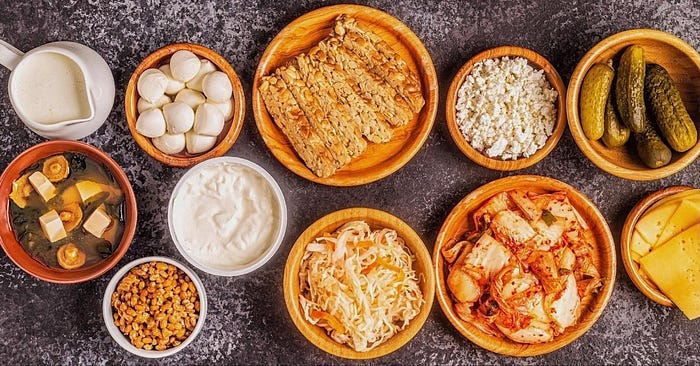
Various Fermented Foods, such as: Miso, Tempeh, Kimchi, and Naato
These methods extend seasonal abundance across months or years. They often improve nutritional value: fermentation increases B vitamins and makes minerals more bioavailable; drying concentrates nutrients; freezing preserves vitamins better than fresh storage for weeks.
Traditional cuisines depended on preservation to bridge gaps between harvests. These were not compromises; they were survival strategies that became cultural knowledge.
Industrial Transformation:
- Ultra-processed foods with 10+ additives
- Refined grains stripped of fiber and micronutrients
- Products designed to override satiety (hyperpalatability)
- Foods where original ingredients are unrecognizable
- Long-term shelf stability through chemical stabilization
These methods optimize for profit margins, long shelf life in distribution, and engineered taste that drives overconsumption. They often reduce nutritional value while increasing additives.
The 2025 U.S. Dietary Guidelines, like many policies, attack “highly processed foods” without distinguishing between these categories. They treat canned tomatoes, instant oats, frozen vegetables, fermented foods, and Doritos as equivalently suspect because all involve “processing.”
This distinction matters economically. For a lower-income household:
- Fresh meat that might spoil is a financial risk
- Dried beans that store for years are economic certainty
- Frozen vegetables maintain nutrition when fresh is unaffordable
- Fermented foods provide probiotics and preservation
The distinction the guidelines miss: fermentation preserves nutrients while extending shelf life; ultra-processing often strips nutrients while adding additives. One is preservation; the other is transformation.
By demonizing processing broadly, policy implicitly designs a diet that only the financially secure can afford to fail at. When fresh meat spoils, wealthy households shrug. Lower-income households absorb genuine loss.
Traditional cuisines understood this. They used intelligent preservation to maintain nutrition without depending on perfect supply chains or continuous refrigeration.
Part 4: When Policy Ignores Systems
The Pattern Across Countries
The United States is not unique in producing dietary guidance that optimizes for individual nutrient adequacy while ignoring food systems.
Australia’s Dietary Guidelines (2013): Recommend “lean meat and poultry, fish, eggs, tofu, nuts and seeds, legumes/beans.” Animal proteins listed first. Plant proteins positioned as options for vegetarians. No explanation of complementary protein combinations.
Canada’s Food Guide (2019): Improved from previous versions — uses “protein foods” without hierarchy and increases plant protein visibility. However, still no practical guidance on grain-legume combinations or substitution rules. Assumes food availability and cooking knowledge.
UK’s Eatwell Guide (2016): Recommends beans, pulses, fish, eggs, meat “and other proteins.” Groups plants and animals together but provides no guidance on how to make plant proteins primary. Assumes access to diverse fresh foods year-round.
Nordic Nutrition Recommendations (2023): More explicitly addresses sustainability. Recommends shifting toward plant proteins. But still frames plant-based eating as requiring careful planning rather than teaching the planning methods that traditional cuisines already encoded.
The pattern repeats: acknowledge plant proteins exist; provide no practical guidance on using them as primary sources; assume stable supply chains and economic resources; optimize for individual nutrition under abundance.
What Gets Lost in Translation
When nutrition science gets translated into policy, several gaps consistently emerge:
1. The Syntax Gap Guidelines acknowledge principles but omit practice. “Diversify plant protein sources” is the principle. “Rice with lentils, corn with beans, hummus with bread” is the practice.
Without the syntax, plant proteins remain abstract “alternatives” requiring expert knowledge or trial-and-error, rather than simple cultural patterns that most cuisines already solved.
2. The Substitution Gap Modern guidelines specify target servings: “3 servings of vegetables per day.” They rarely explain: if lettuce is unaffordable, what substitutes? If fresh broccoli is unavailable, are frozen or dried alternatives nutritionally equivalent?
Traditional cuisines had explicit substitution rules, passed through cooking traditions. Modern policy treats ingredient availability as constant, which it is not.
3. The Ecological Gap Nutrition policy typically ignores where food comes from. The 2025 U.S. Guidelines briefly mention that “more high-quality research is needed” on environmental sustainability, then proceed to recommend dietary patterns with high ecological footprints without integrating this concern.
This is a category error. We do not need more research to know that dietary diversity reduces systemic risk. We need policy frameworks that value resilience alongside individual optimization.
4. The Economic Gap A diet of fresh meat at every meal, 3 daily servings of full-fat dairy, diverse fresh vegetables and fruits requires:
- Reliable refrigeration (electricity costs)
- Frequent shopping (time and transport)
- Storage capacity
- Financial buffer to absorb spoilage
- Cooking knowledge and equipment

Guidelines written for this context implicitly assume middle-class resources. When they criticise processed foods without acknowledging their economic functions (shelf stability, consistency, affordability), they design guidance that works for some and fails for others.
5. The Reductionism Gap Nutrition policy focuses on nutrients we can measure and have established requirements for: essential amino acids, vitamins with RDAs, minerals with adequate intake levels.
This creates an optimisation problem: deliver these known nutrients efficiently. The answer is often animal products — they’re nutrient-dense packages of measurable essentials.
But this ignores the nutritional complexity we can’t yet fully quantify. Plant-diverse diets deliver thousands of bioactive compounds — polyphenols, flavonoids, carotenoids, glucosinolates — that don’t have RDAs but consistently correlate with better health outcomes.
The policy approach assumes: if we can measure it and it’s essential, optimise for it. What we can’t measure or isn’t classified as essential, ignore.
This works when nutrition science is complete. But nutrition science isn’t complete. We’re still discovering compounds that matter.
Traditional cuisines didn’t have this problem. They optimised for diversity by necessity, which delivered both the nutrients we’ve identified as essential and thousands of others we’re still cataloguing.
Dietary guidance that treats measurable nutrients as the whole story misses that we’re reading an incomplete book.
The Industrial Logistics Contradiction
The 2025 U.S. Guidelines illustrate a fascinating contradiction that appears in many countries’ policies.
The guidelines explicitly attack “highly processed foods laden with refined carbohydrates, added sugars, excess sodium, unhealthy fats, and chemical additives.” They position themselves against industrial food processing.
But the diet they recommend — fresh meat at every meal, 3 daily servings of full-fat dairy, diverse fresh produce — is no less dependent on industrial systems. It simply shifts dependency from industrial processing (factories) to industrial logistics (cold chains).
A chicken breast is not processed, but it requires:
- Centralised slaughter and packaging
- Continuous refrigeration from farm to store to home
- Predictable electricity supply
- Rapid distribution to prevent spoilage
- Consumer access to reliable refrigeration
The same applies to fresh dairy and produce. These are not “natural” foods in a systemic sense. They are industrial logistics packaged as natural simplicity.
The guidelines attack the factory but assume the cold chain. Both are fragile in different ways. Ultra-processed foods fail when factories close. Fresh animal products fail when energy costs spike, refrigeration breaks, or distribution slows.
Traditional agrarian cuisines assumed neither factory nor cold chain. They assumed variability, seasonal constraint, and periodic scarcity. Their robustness came from not depending on any single form of industrial organisation — and from using preservation processing to bridge gaps.
Why This Matters for Global Food Security
As climate patterns shift, water resources strain, and populations grow, food systems face increasing pressure.
The current trajectory — more people eating more meat — is ecologically and mathematically untenable. Yet dietary guidance in wealthy nations continues reinforcing meat-centric patterns, which developing nations increasingly adopt as aspirational norms.
This is happening at exactly the wrong time.
What’s needed: dietary guidance that explicitly integrates:
- Nutritional adequacy (yes, essential amino acids matter)
- Ecological sustainability (land, water, emissions constraints)
- Economic accessibility (preserved foods, affordable proteins)
- Cultural adaptability (multiple cuisines can be healthy)
- System resilience (substitution, diversity, redundancy)
Nutrition science has the knowledge to do this. The research exists. What’s missing is the policy framework that treats food as a system rather than a collection of individual nutrients to optimise.
Part 5: Building Resilient Food Culture
Reframing the Goal
The question is not “What is the most efficient way to deliver complete amino acids to individual bodies?”
The question is: “What dietary patterns maintain nutritional adequacy across diverse populations while supporting resilient, ecologically sustainable food systems that can adapt to climate, economic, and supply chain pressures?”
These questions have different answers.
The first leads to: eat more animal protein, ensure complete nutrition through concentrated sources.
The second leads to: learn diverse protein combinations, value redundancy, preserve substitution knowledge, support regenerative agriculture, and maintain culinary flexibility.
This is not anti-meat. It is pro-flexibility. In contexts of abundance, people can choose animal proteins. In contexts of scarcity or disruption, they need a working knowledge of alternatives. In contexts of ecological limits, we need systems that work within boundaries rather than assuming unlimited resources.
Software vs. Hardware: A Fundamental Tradeoff
To borrow from systems thinking, consider two pathways to nutritional adequacy:
Pathway One (Animal-Centric): Simple program on complex infrastructure. Minimal nutritional knowledge required, maximum supply chain stability needed. Requires: continuous refrigeration, stable energy, functioning distribution networks, affordable meat prices, economic cushion for spoilage.
Pathway Two (Diverse Plant-Based with Flexible Animal Integration): Complex program on simple infrastructure. Substantial culinary knowledge required, minimal infrastructure dependency. Requires: understanding of grain-legume combinations, preservation techniques, seasonal awareness, substitution heuristics, cooking skills.
You can run a simple program on complex infrastructure, or a complex program on simple infrastructure. Both work. But they fail differently.
When infrastructure fails — energy disruptions, distribution breakdowns, price shocks — Pathway One becomes inaccessible.
When knowledge fails — cultural loss, lack of education, cooking skill erosion — Pathway Two becomes inaccessible.
The crucial asymmetry: Infrastructure requires continuous resource inputs to maintain. Knowledge, once embedded in culture, reproduces itself through teaching and practice at near-zero marginal cost.
The path forward is not choosing one over the other. It is maintaining both capabilities so households and communities can adapt to conditions rather than depending on conditions remaining stable.
What Resilient Policy Would Prioritize
1. Teaching Complementary Protein Syntax
Include explicit tables in dietary guidance:
- Rice + lentils/beans
- Corn + beans
- Wheat + chickpeas
- Grain + soy products
- Nut butters + whole grains
These combinations are not exotic. They are present in every major cuisine. Naming them explicitly gives people functional tools, not abstract principles.
Schools should teach this alongside nutrition basics. Food assistance programs should provide recipe guides showing substitutions. Public health campaigns should frame diverse protein sources as practical knowledge, not ideological stances.
2. Valuing Preservation Knowledge
Nutrition education should cover:
- How to dry, freeze, and ferment foods
- Nutritional equivalence of preserved vs. fresh (often equal or better)
- Extending seasonal abundance across months
- Basic food safety for home preservation
This is not nostalgia. It is practical resilience. When fresh food prices spike or supply chains disrupt, households with preservation knowledge adapt. Those without, struggle.
3. Supporting Regenerative Agriculture
Policy can shift incentives to support:
- Silvopasture systems: Trees + pasture + livestock (carbon sequestration + sustainable meat)
- Agroforestry: Multi-layer food production (higher per-hectare nutrition)
- Polyculture and crop rotation: Grain-legume systems that maintain soil health
- Reduced tillage and cover cropping: Soil carbon storage
Current agricultural subsidies often favor monoculture commodities. Redirecting even a fraction toward regenerative practices would demonstrate that sustainable protein production is possible and economically viable.
4. Building Substitution Literacy
Dietary guidelines should include:
- “If [ingredient] is unavailable, substitute [alternatives]”
- Seasonal eating guides showing when different vegetables peak
- Preserved food equivalencies: frozen/canned/dried vs. fresh
- Economic comparison: cost per gram protein across sources
This treats ingredient availability as variable (reality) rather than constant (assumption).
5. Integrating Ecological Context
Guidelines should explicitly state:
- “These recommendations balance individual nutrition with ecological sustainability”
- Show land, water, and emission comparisons between protein sources
- Frame plant-diverse diets as resilient defaults, not sacrifices
- Acknowledge that global population-level dietary patterns must work within ecological boundaries
This is not imposing values. It is acknowledging constraints.
6. Valuing Diversity Beyond Measured Nutrients
Policy should explicitly state: “Dietary diversity provides benefits beyond measured nutrients. Until nutrition science is complete, eating varied plants is insurance against nutritional unknowns.”
This reframes diversity from “nice to have” to “necessary given incomplete knowledge.”
It also shifts the mental model from “optimise for known nutrients” to “maintain patterns proven to work across millennia of human experience.”
Specifically, guidelines should acknowledge:
- Thousands of bioactive plant compounds (polyphenols, carotenoids, flavonoids) lack RDAs but correlate with health outcomes
- Nutrition science discovers new beneficial compounds each decade
- Traditional diverse diets delivered these compounds by default through variety
- Focusing solely on measurable nutrients (protein completeness, vitamins with RDAs) optimises for an incomplete picture
This is evidence-based humility: we don’t know everything nutrition science will eventually discover, so we maintain dietary patterns that historically worked.
What Individuals Can Do
You do not need to wait for a perfect policy.
Learn 3–5 Complementary Protein Combinations
Pick from your own or other traditions:
- Rice + dal (South Asian)
- Beans + corn (Latin American)
- Hummus + pita (Middle Eastern)
- Tofu/tempeh + rice (East Asian)
- Pasta + white beans (Mediterranean)
Practice making them until they become automatic. This is not a dietary restriction; it is a capability expansion.
Understand Seasonal Eating
Learn what grows locally in different seasons. Adjust meals accordingly. This reduces costs, increases freshness, and decreases reliance on energy-intensive supply chains.
Frozen and preserved alternatives are legitimate when fresh is unavailable or unaffordable. They are not compromises; they are adaptive strategies.
Support Regenerative Farms Where Possible
If economically feasible, buy from farms practising:
- Polyculture or crop rotation
- Integrated animal-crop systems
- Reduced chemical inputs
- Soil building practices
This signals market demand for sustainable production. Not everyone can afford this, but those who can help build the infrastructure for broader access.
Preserve Cultural Food Knowledge
If you have access to traditional cooking knowledge — from family, community, or culture — preserve it. Write recipes down. Teach children. Share with friends.
This knowledge erodes within generations if not actively transmitted. It is more valuable than it appears: it is compressed systems wisdom about how to eat well with variable resources.
Frame Flexibility as Strength, Not Deprivation
The ability to eat well across different conditions — seasonal changes, price fluctuations, supply disruptions — is a capability, not a burden.
Dietary flexibility is like financial diversification or career adaptability: it is insurance against instability. In an increasingly unstable world, this matters more, not less.
Conclusion: Diversity as Infrastructure
The complete protein myth persists not because the science supports it, but because it is economically convenient for industrial food systems and mentally simple for consumers.
Animal proteins deliver complete amino acids efficiently to individuals. But scaling that efficiency to populations requires ecological resources we do not have and supply chains more fragile than we acknowledge.
Traditional cuisines solved the protein problem differently: through diversity, complementarity, redundancy, and preservation. They did not optimise for individual convenience; they optimised for collective survival under uncertainty.
As climate patterns shift, water resources strain, and food systems face increasing disruption, the question is not whether we remember how to eat meat. It is whether we remember how to eat when meat is scarce, expensive, or ecologically untenable.
Dietary diversity is not a lifestyle preference or environmental ideology. It is infrastructure for an uncertain future.
We are at a moment where global food systems must simultaneously feed more people while using fewer resources. The physics is unforgiving: we cannot continue current trajectories.
But we have solutions. They are encoded in cuisines that sustained billions before industrial agriculture existed. They are proven by regenerative farms demonstrating that productive, ecological agriculture is possible. They are supported by nutrition science showing that plant-diverse diets are not compromises but equivalents.
What’s missing is not knowledge. It is the policy and cultural framework to value this knowledge as essential rather than alternative.
The path forward integrates nutrition science with traditional wisdom, using science to understand what traditional practices encoded and adapting both to climate-constrained, resource-limited realities.
The choice is not which plate to eat from today. The choice is which system of knowledge we preserve, teach, and build upon for tomorrow.
메타데이터
- post_id
- 8cdcc9a03f55
- slug
- the-complete-protein-myth-why-dietary-diversity-is-ecological-infrastructure-8cdcc9a03f55
- url
- https://medium.com/regenerative-spiral/the-complete-protein-myth-why-dietary-diversity-is-ecological-infrastructure-8cdcc9a03f55
- canonical_url
- https://medium.com/regenerative-spiral/the-complete-protein-myth-why-dietary-diversity-is-ecological-infrastructure-8cdcc9a03f55
- author_url
- https://medium.com/@darwingosal
- status
- ok
- fetched_at
- 2026-06-14 11:28:49