Early Warning Signs of Liver Disease You Should Never Ignore
The liver is one of the hardest-working organs in your body, yet it rarely gets attention until something goes wrong. It quietly filters…
Early Warning Signs of Liver Disease You Should Never Ignore
The liver is one of the hardest-working organs in your body, yet it rarely gets attention until something goes wrong. It quietly filters toxins, supports digestion, stores energy, and keeps your blood balanced every day.
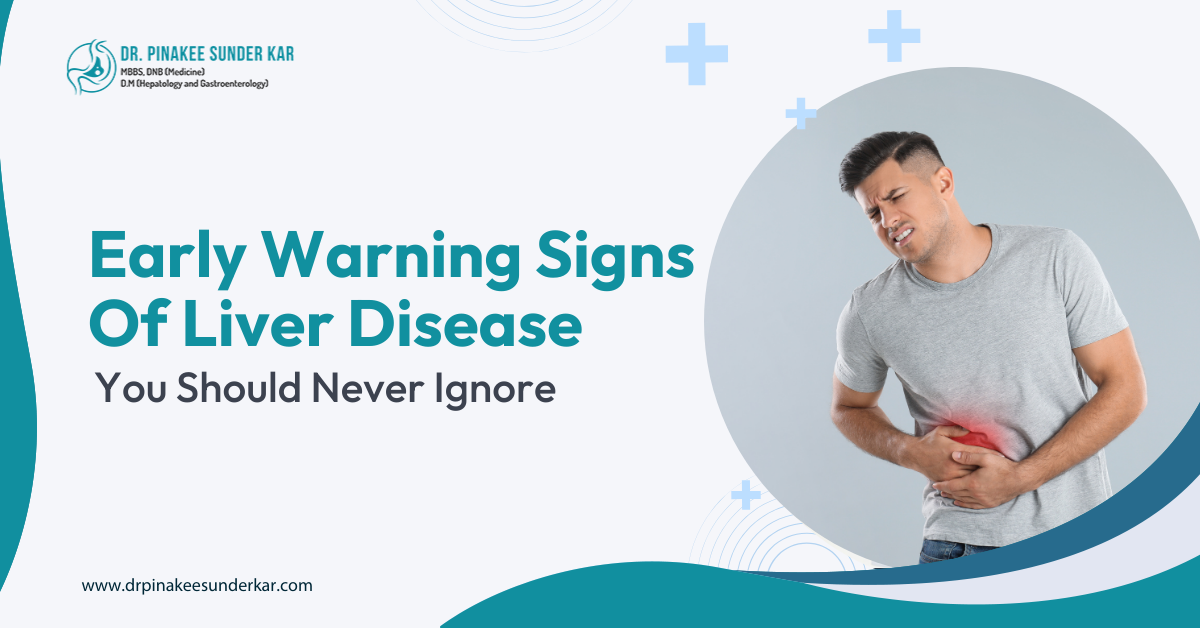
The concern is that the early signs of liver disease are often mild and easy to overlook. Instead of severe pain, many people notice subtle symptoms of liver disease, like ongoing fatigue, slight digestive discomfort, or small changes in urine or skin color.
Recognizing these early warning signals can make a real difference, since liver problems are much easier to manage when detected early.
What Your Liver Does for Your Body
Before talking about symptoms, it helps to understand how much your liver actually does.
It Filters Harmful Substances
Every time you eat, drink, or take medication, your liver processes it. It removes toxins from your blood and turns harmful substances into waste your body can safely eliminate.
Without this filtering system, toxins would quickly build up and damage other organs.
It Supports Digestion
The liver generates bile, a digestive liquid that assists in the breakdown of fats. This process allows your body to absorb vitamins and nutrients properly.
If bile flow becomes disrupted, digestion may feel uncomfortable or sluggish.
It Regulates Blood Sugar
The liver stores glucose and releases it when your body needs energy. This keeps your blood sugar stable between meals and overnight.
When liver function weakens, blood sugar levels can become harder to manage.
It Produces Essential Proteins
The liver makes proteins responsible for blood clotting and fluid balance. If these proteins decrease, you may notice easy bruising or swelling.
It Helps Control Cholesterol and hormones
Your liver plays a role in balancing cholesterol and breaking down hormones. When it isn’t working properly, changes may appear in weight, skin health, or energy levels.
Because the liver is involved in so many processes, early damage can show up in different ways throughout the body.
Early Signs of Liver Disease
The early signs of liver disease often develop gradually. Many people mistake them for stress, aging, or minor health issues.
Here are the warning signals you shouldn’t ignore.
Persistent Fatigue
Feeling tired is common. But ongoing exhaustion without a clear reason can be one of the first signs of liver dysfunction.
When the liver struggles to remove toxins from the blood, those waste products may affect brain function and energy levels. You might feel drained even after sleeping well. This kind of fatigue tends to linger and doesn’t improve easily.
Loss of Appetite
A reduced desire to eat can be one of the subtle symptoms of liver disease.
You may feel full quickly or lose interest in meals altogether. As time progresses, this may result in accidental weight loss.
Because appetite changes are common in many conditions, they are often overlooked. But when paired with other symptoms, they deserve attention.
Nausea or Mild Digestive Discomfort
The liver helps process fats and aids digestion. If it becomes inflamed or damaged, you may experience:
- Mild nausea
- Bloating
- Discomfort after eating fatty foods
- A heavy feeling in the stomach
These symptoms may not feel severe, but if they continue for weeks, they shouldn’t be ignored.
Yellowing of Skin or Eyes (Jaundice)
One of the more noticeable early signs of liver disease is yellowing of the skin or the whites of the eyes.
This happens when there is a buildup of bilirubin in the bloodstream. A healthy liver processes bilirubin, but when it cannot, the yellow tint becomes visible. Even slight discoloration should be evaluated promptly.
Dark Urine
If your urine turns dark yellow or brown despite drinking enough water, it may signal excess bilirubin in the body.
This is one of the more visible subtle symptoms of liver disease and should not be dismissed if it continues for several days.
Pale or Clay-Colored Stools
Healthy bile gives stool its normal brown color. When there is a decrease in bile flow, stools may look light-colored or grayish.
Changes in stool color can be easy to overlook, but they can provide early clues about liver or bile duct issues.
Itchy Skin Without a Rash
Persistent itching without visible skin irritation can be linked to bile salt buildup beneath the skin.
This itching may feel deeper than surface dryness and may not improve with lotion. It can be worse at night.
While itching alone doesn’t confirm liver disease, it can be one of the subtle symptoms of liver disease when combined with other signs.
Abdominal Discomfort
The liver is situated in the upper right area of your belly. Inflammation may cause:
- A dull ache
- A feeling of fullness
- Mild swelling
You may notice tightness around your waist even without weight gain.
Easy Bruising
Since the liver produces clotting proteins, early liver damage may reduce your blood’s ability to clot properly.
If you notice bruises appearing more easily or bleeding that takes longer to stop, this could be a warning sign.
Swelling in Legs or Ankles
Fluid retention can occur when protein production decreases. This may cause swelling in the lower legs, feet, or ankles.
At first, it may be mild and appear at the end of the day. Over time, it can become more noticeable.
Why Early Detection Matters
The liver possesses a remarkable capacity for self-repair. But once damage progresses to advanced scarring, known as cirrhosis, recovery becomes much more difficult.
Catching the early signs of liver disease allows for:
- Timely medical treatment
- Lifestyle adjustments
- Prevention of further damage
- Better long-term outcomes
Many liver conditions, including fatty liver disease, hepatitis, and alcohol-related liver damage, can improve significantly when addressed early.
Who Is at Higher Risk?
While liver disease can affect anyone, certain factors increase risk:
- Heavy alcohol use
- Obesity
- Type 2 diabetes
- High cholesterol
- Viral hepatitis infections
- Long-term medication use
- Family history of liver conditions
If you fall into any of these categories, paying attention to subtle symptoms of liver disease becomes even more important.
When to See a Doctor
You should seek medical advice if:
- Symptoms last more than two weeks
- You notice yellowing of the skin or eyes
- Urine or stool color changes persist
- Fatigue becomes overwhelming
- Swelling or abdominal pain develops
A simple blood test can check liver enzymes and detect early abnormalities.
When to See a Doctor
You should seek medical advice if:
- Symptoms last more than two weeks
- You notice yellowing of the skin or eyes
- Urine or stool color changes persist
- Fatigue becomes overwhelming
- Swelling or abdominal pain develops
A simple blood test can check liver enzymes and detect early abnormalities.
At the end,
The early signs of liver disease are often easy to overlook. Fatigue, mild digestive discomfort, dark urine, or itchy skin may seem minor, but these subtle symptoms of liver disease can signal an underlying issue.
If you notice these warning signs, don’t delay seeking medical advice. Consult Dr. Pinakee Sundar Kar for timely evaluation and proper care to protect your liver health.
메타데이터
- post_id
- 8d301f4881ca
- slug
- early-warning-signs-of-liver-disease-you-should-never-ignore-8d301f4881ca
- url
- https://medium.com/@drpinakee/early-warning-signs-of-liver-disease-you-should-never-ignore-8d301f4881ca
- canonical_url
- https://medium.com/@drpinakee/early-warning-signs-of-liver-disease-you-should-never-ignore-8d301f4881ca
- author_url
- https://medium.com/@drpinakee
- status
- ok
- fetched_at
- 2026-06-09 15:37:30