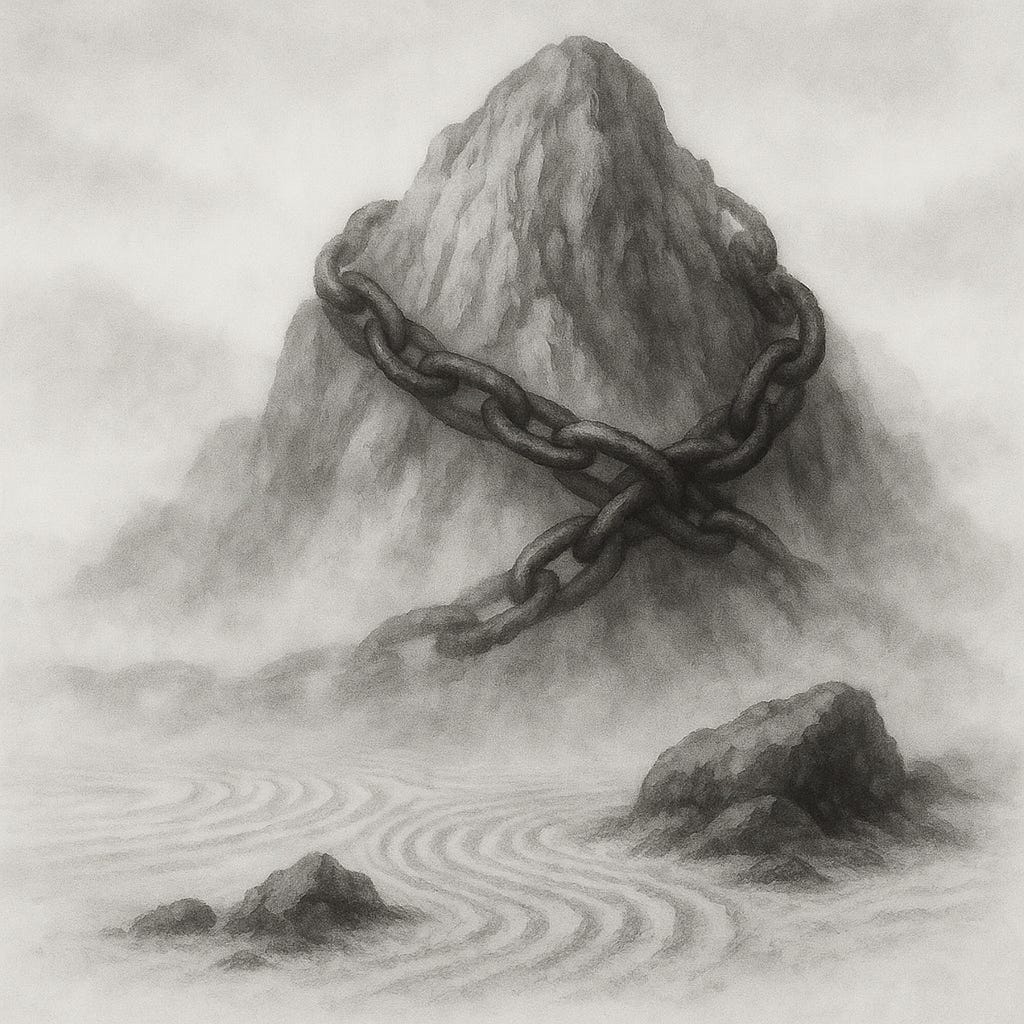
Modern Philosophy 101:
I consume; therefore, I am!
Modern Philosophy 101:
I consume; therefore, I am!
Welcome to the era of 21st century where the global economy is driven by the factors of production, purchase and consumption. Kudos to our country, the nominal GDP soars to around 4.15 trillion dollars which is almost a 200 billion dollars surge from its previous year results and moreover, the overall purchasing power has also increased to a significant level than its precedent year. Even though it all looks like a box of chocolates, these metrics fail to calculate the inequal distribution of wealth and goods among its citizens which is altogether a complete alter ego to be explored.
But, today, the question for me remains intact:
If the countries flaunt themselves by its purchasing power, does it mean that we are just mere numbers empowering the act of consumerism?
Does it mean that a common (wo)man’s growth is primarily measured by his/her yearly consumption?
According to a 2026 survey, 78% of iPhone purchased in India are financed. Does it mean the GDP overlooks the financial literacy of its citizens?
Though this stance might be argumentative from a bird’s eye view, my focus lies on the individual level where as a citizen of this world, we are getting habituated to overlook the effects of hyper consumerism.
There was a time when we need to purchase something, our parents used to evaluate the necessity of it and only if it qualifies that requirement, we get a go ahead. In addition, we didn’t have too much peer pressure around us to feel a FOMO to possess something nor the market exposure to reach us tad soon. And because of this, not only the goods, but also as a consumer we felt valuable and worthy which in turn drove the longer shelf life of goods. For instance, purchase of a TV felt like a celebration, inviting all our kith and kin to relish the moment. Now, by looking at it, a purchase didn’t just end up getting piled up in a home but instead made human relationships strengthened and expanded. There was a time when some device had gone south, a whole economy was built to fix things rather than scrapping it in the first place. Maximum efforts would be put to revive it back to life as we had a sentimental value and even if its doomed, it felt like a member of the family had departed from us.
Fast forward to 2026, a big thanks to ultra globalisation and gig economy culture, everything reaches you in minutes before you even tend to make a decision. Knowing about the boom of YOLO culture in India, the entire global economy eyes on us to rear the maximum out of us. Record breaking concerts turnout organised by international artists, international stars and sportsman visits and a never before craze for foreign brands and their products. Planned obsolescence of devices, unplanned grocery shopping on quick commerce apps to get free delivery or out of plan apparel shopping just to stay relevant to volatile trends are some of the successful breathtaking capitalistic ideas ventured on us since the past 2 decades.
Not to forget the social media platforms that have set a new bar on conversion and retention ratio, thanks to their SEO’s and digital marketing and by today, a surplus economy works in this niche in the name of influencers and online coaches. Advertisements are all time high everywhere such that even when you go take a leak in a popular movie chain’s lavatory, you see their ads placed right in front of your face. You might have come across public transports entirely covered like a blanket with ads and a sense of spy’s presence under the guise of your mobile phone who is omnipresent and omnipotent, sometimes even possesses telepathic powers.
But, wait a minute, if you think like “what’s your problem if we can afford everything?”
As always, everything comes at a price. The factors taking toll due to this compulsive consumerism are,
Unskilled and semi-skilled workers: When the gig economy opened its gates, though it gave opportunities to these two sets of employees, they are the most visibly and widely exploited. Unfair work hours, unrealistic targets and extreme work conditions without any performance appraisals have been pushing them to mentally and physically exhausted states. All this just to have food and shelter for their family, being unable to plan savings or any emergency fund even makes it worse.
Environmental impact: Unfortunately, the GDP doesn’t take into account at all the air, water or land contamination caused during the production of finished goods. Even the public is not concerned and held accountable for the wastes we dump and scrap over the landfills and water bodies. This damage just doesn’t end with us but gets extended to other lifeforms and our future generation as well.
EMI culture: People around the ages 20–40, who should be in a ladder to build better opportunities for themselves are currently being engulfed in the abyss of loans and credit card bills. This becomes a paradox to the youth as they live pay check to pay check which makes it difficult to make their own career choice /to follow their passion, hence stuck in a loop forever.
So, what’s the solution?
The answer is mindful consumption: “I think before I consume, therefore I am!”
In addition, its high time to set standards and metrics to measure a country’s well being and economic growth as these factors are not simply driven by consumerism and capitalism but by ensuring better standards of living, protecting our ecosystem, financial literacy, equal opportunities and minimizing inequal wealth distribution.
메타데이터
- post_id
- 8d33706c7fde
- slug
- modern-philosophy-101-8d33706c7fde
- url
- https://medium.com/@kesavanenseignant/modern-philosophy-101-8d33706c7fde
- canonical_url
- https://medium.com/@kesavanenseignant/modern-philosophy-101-8d33706c7fde
- author_url
- https://medium.com/@kesavanenseignant
- status
- ok
- fetched_at
- 2026-06-20 20:29:01