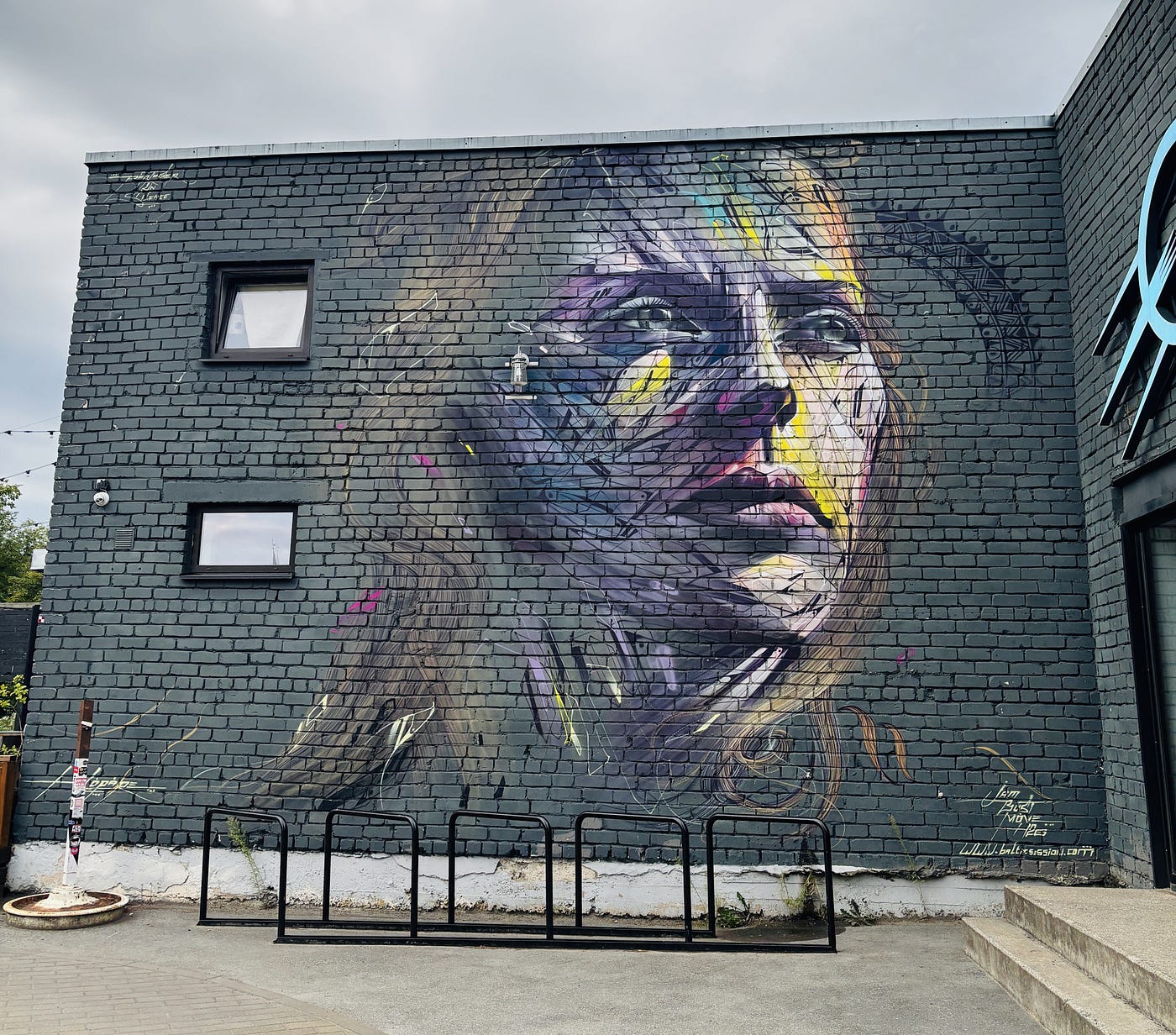
Collective Trauma Shape Generations
How to take Trauma-Informed Approach
Collective Trauma Shape Generations
How to take Trauma-Informed Approach
Communities worldwide have endured deep and painful collective traumas. Genocides, wars, forced migrations, famine, natural disasters and violent oppression have shaped the stories not just of individuals, but of entire peoples.
It never ends, it is not limited with certain regions.
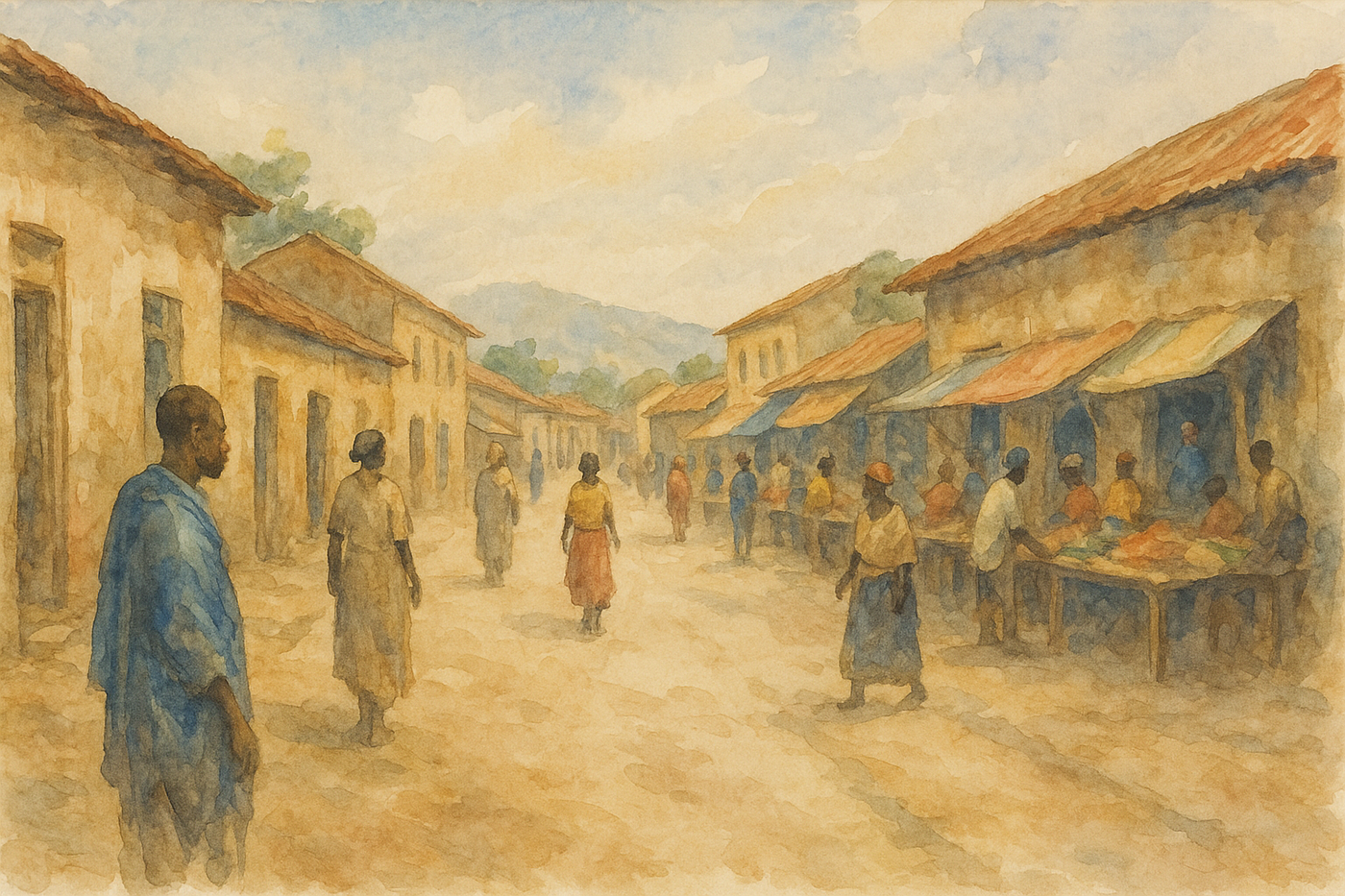
with AI-generator
You know these examples,
- The Holocaust, where survivors and their descendants continue to carry emotional and biological imprints of unimaginable loss
- Native American boarding school survivors, whose forced assimilation led to cycles of grief, identity loss, and intergenerational trauma
- The Holodomor famine in Ukraine, which altered family narratives about trust, survival, and emotional expression even decades later
- The Rwandan genocide, whose psychological effects echo into the lives of survivors’ children
- Palestine, living under occupation and apartheid conditions for over 75 years, where multiple generations have experienced forced displacement, violence, and chronic insecurity — leading to profound psychological and various results
- Sudan’s ongoing hunger crisis, where conflict and famine have caused devastating trauma, especially for children, threatening both physical survival and long-term mental health.
List is so long.
People may feel detachment, a sense of disconnection from their home, culture, or even their own identity. This often happens when individuals are forced to leave their homeland or when their cultural traditions are disrupted or erased. The trauma may lead to feelings of loss, confusion, and a questioning of one’s place in the world.
After the Syrian war, millions of Syrians displaced to different countries have struggled with maintaining their cultural practices while adapting to new societies. Many young Syrians report feeling “in between” cultures.
Indigenous communities in North America, Australia, and elsewhere have experienced collective trauma through forced assimilation policies, leading to long-term struggles with cultural preservation and identity.
After the 2023 Türkiye-Syria earthquake, both Turkish and Syrian displaced families expressed fears of losing their community bonds and traditions while living in temporary shelters.
No matter the specific trauma, people often face a shared struggle: how to stay connected to who they are when everything around them changes or disappears.
These are not distant tragedies locked in the past. Research shows that trauma can be transmitted across generations — through stories, silence, behaviors, and even biological changes in the body (Yehuda & Bierer, 2009).
But what are the psychological consequences of these collective traumas? And how can we support individuals and communities still living with their effects today?
Collective trauma affects not just individuals but entire communities or societies.
Detachment can occur as people feel emotionally numb or disconnected from their past and present.
Loss of culture may happen when traditions, language, and social practices are interrupted or forbidden.
Identity crises are common, especially among younger generations who may feel caught between their heritage and the need to adapt to new environments.
Belonging becomes a complex issue. People search for new ways to feel connected — sometimes rebuilding communities in exile or creating hybrid cultural identities.

with AI-image generator
This is where the trauma-informed approach becomes vital.
A trauma-informed approach (TIA) recognizes that trauma whether personal or collective affects how people think, feel, and relate to others.
The U.S. Substance Abuse and Mental Health Services Administration (SAMHSA) explains it like this: Realize trauma’s impact. Recognize the signs. Respond sensitively. And avoid causing further harm. (SAMHSA, 2014).
In simple terms:
Understand that trauma is common and long-lasting.
Watch for signs that someone might be affected.
Adjust how you interact and offer support.
Never risk re-traumatizing someone.
Six Core Principles of Trauma-Informed Care 6 guiding values:
Safety — Physical and emotional safety is the top priority.
Trust and Transparency — Clear, honest communication builds trust.
Peer Support — Shared experiences can help people feel less alone.
Collaboration — Professionals work with people, not on them.
Empowerment — Individuals have a voice and choices.
Cultural and Historical Sensitivity — Respect for backgrounds, identities, and historical experiences.
Trauma Is Not Just Individual, It’s Generational
Modern research shows that trauma can ripple across time. The ACE Study (Felitti et al., 1998) linked early-life trauma to chronic health problems in adulthood. Studies with Holocaust survivors’ children found altered stress hormone patterns and increased vulnerability to anxiety and PTSD (Post-Traumatic Stress Disorder) (Yehuda et al., 1998). Research with Native American communities documented how forced displacement and cultural loss led to enduring grief and trauma responses across generations (Brave Heart et al., 2011). In Rwanda, children of genocide survivors experienced emotional patterns shaped by their parents’ trauma (Schaal & Elbert, 2006).
Palestinian youth growing up amid ongoing violence and displacement show high levels of post-traumatic stress, compounded by a lack of stable social and educational support. Sudanese children facing famine and conflict report symptoms of chronic stress and developmental challenges, even among those too young to fully understand the crisis.
Trauma can influence not just mental health, but also family communication, parenting styles, and community resilience or fragility.
Trauma-Informed Care in humanitarian settings is highly applicable. Refugee camps, disaster zones, conflict areas — trauma is often the norm, not the exception. Actually not only these settings, but everywhere. That’s why Mental Health and Psychosocial Support (MHPSS) programs must integrate trauma-informed principles.
I tried to explain how to integrate this approach to services:
1️⃣ Creating Safe Spaces Both physical (calm, private areas) and emotional (respectful, non-judgmental environments). Example: UNICEF’s Child-Friendly Spaces offer routine and safety for children in emergencies
2️⃣ Building Trust Respect people’s privacy, decisions. And everybody experiences trauma in different ways. If you don’t create trust, you cannot support trauma-affected people. Example: IRC’s Women’s Protection programs prioritize transparency and confidentiality.
3️⃣ Empowering Individuals People decide how they engage with services. Choice and agency are central. Traumatized person should be centered for each level of implementation. Example: The IASC Guidelines encourage involving affected communities in designing mental health programs.
4️⃣ Respecting Culture and History Different cultures have different understandings of trauma and healing. Programs must adapt. Western practices cannot be directly adapt to different cultures. Example: HIAS combines Western psychological care with traditional healing methods in refugee support programs.
Historical awareness is key.
For instance, in Ukraine, families affected by the Holodomor famine developed attitudes about survival and emotional control — shaping how later generations responded to new crises (Lisovska et al., 2017).
Professionals who work with trauma-affected people — humanitarian workers, teachers, health providers — are also at risk of secondary trauma. Trauma-informed care emphasizes supporting staff as well, offering counseling, peer support, and promoting healthy work-life balance (van Dernoot Lipsky & Burk, 2009).
A trauma-informed approach changes how we see and support people.
It invites us to ask:
What might this person have experienced? instead of: What’s wrong with them?
It shifts systems reacting to symptoms to understanding stories.
Lastly, if you want to know more there is amazing resource library:
References:
Brave Heart, M. Y. H., et al. (2011). Historical trauma among Native American populations.
Felitti, V. J., et al. (1998). Adverse Childhood Experiences Study.
Lisovska, O., et al. (2017). Holodomor and intergenerational trauma in Ukraine.
SAMHSA (2014). Concept of Trauma and Guidance.
Schaal, S., & Elbert, T. (2006). Genocide and PTSD in Rwanda.
Van Dernoot Lipsky, L., & Burk, C. (2009). Trauma Stewardship.
Yehuda, R., et al. (1998); Yehuda & Bierer (2009). Intergenerational effects of trauma among Holocaust survivors.
메타데이터
- post_id
- 8d6ccbe5174c
- slug
- collective-trauma-shape-generations-8d6ccbe5174c
- url
- https://medium.com/psychology-behind/collective-trauma-shape-generations-8d6ccbe5174c
- canonical_url
- https://medium.com/psychology-behind/collective-trauma-shape-generations-8d6ccbe5174c
- author_url
- https://medium.com/@ozge.ynbl
- status
- ok
- fetched_at
- 2026-06-14 11:28:49