The Economy Between Seasons
What the quieter months reveal about the Virgin Islands, its people, and the economy that keeps moving after visitors leave.
The Economy Between Seasons
What the quieter months reveal about the Virgin Islands, its people, and the economy that keeps moving after visitors leave.
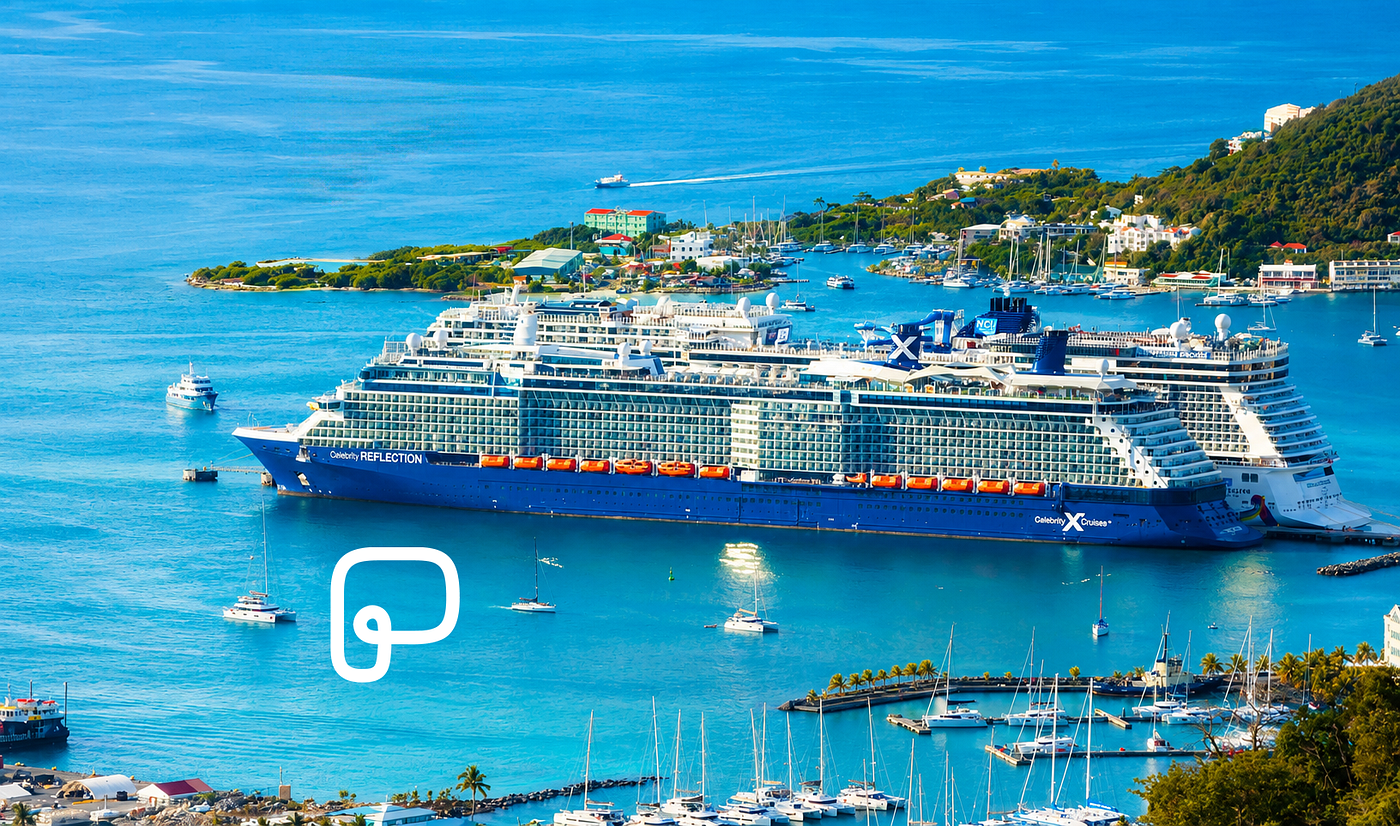
Whenever I am back home in the BVI (Virgin Islands), I often find myself sitting on my patio in the morning with a cup of coffee, looking out towards Road Town Harbour. It is one of those simple routines that tends to remind me of things I already know, but do not always think about.
During the tourism season, the view is remarkably predictable. Almost every morning, there is a cruise ship anchored or docked in the distance. Around it, the harbour is dotted with yachts at mooring or tied up at the marina. Out in the Sir Francis Drake Channel, sails catch the morning light as charter boats make their way between islands.
The sight always reminds me how much tourism activity becomes woven into everyday life here. After a while, you stop noticing it. The ships, the yachts, and the steady movement on the water simply become part of the scenery.

Then, one day, something changes.
The cruise ships become less frequent. There are fewer yachts gathered in the harbour. Fewer sails appear in the channel. The view is not empty, but it is noticeably quieter. The harbour moves at a different pace.
And every year, that quieter view seems to remind me of something else: just how much of the BVI economy moves with the rhythms of tourism, even when most of us are not actively thinking about it.
Most people in the BVI have their own version of this signal. It may be fewer visitors walking through town, shorter waits at restaurants, more available parking spaces, or fewer charter guests arriving at marinas. Long before the numbers appear in a report, people begin to sense the change.
Every year, the BVI moves through a familiar cycle. Tourism activity builds through the winter months, remains strong into spring, and then gradually softens as summer approaches. The quieter months are not unusual. They are part of the rhythm of life and business in a tourism-dependent economy.
More than hotels and boats
When people hear the word tourism, they often think about hotels, villas, charter yachts, beaches, restaurants, or cruise ships. Those industries are certainly important, but tourism’s economic impact extends much further than the businesses most visitors see.
A charter guest arriving in the BVI may take a taxi from the airport or ferry terminal, stop for groceries before boarding a yacht, pay marina fees, dine at local restaurants, book excursions, purchase fuel through marine operators, and shop in town during the week. What begins as a single visitor’s holiday quickly becomes income for dozens of businesses and workers across the BVI.
The first dollar spent by a visitor rarely stops with the business that receives it. It helps pay wages. It pays suppliers. It contributes to rent, utilities, taxes, maintenance, and inventory. The same money can move through multiple businesses and households before it eventually leaves the economy. When tourism slows, it is not simply the initial spending that declines. The circulation of spending begins to slow as well.
Why the change feels larger than it looks
One reason low tourism often feels more significant than visitor numbers alone would suggest is that different parts of the economy experience the slowdown at different times.
Hotels, charter companies, excursions, and transportation providers usually notice it first. Fewer bookings appear. Occupancy softens. Demand for products and services becomes less predictable.
Restaurants, bars, and retailers often feel the effects later. They may continue benefiting from spending already circulating through the economy, even as visitor arrivals begin to decline. Suppliers, contractors, and service providers may not notice the change until even later, when businesses become more cautious about spending and investment decisions.
Because these effects ripple outward over time, people can have very different perceptions of the economy depending on where they sit within it. One business may feel busy while another has already entered a quieter period. Neither perspective is necessarily wrong. They may simply be seeing different stages of the same cycle.
The hidden role of local spending
Tourism matters enormously in the BVI, but it is not the only source of economic activity. Local residents continue shopping, eating out, hiring services, paying bills, travelling between islands, and supporting businesses throughout the year.
Government continues delivering services. Contractors continue building homes, renovating properties, and working on projects that stretch across seasons. Businesses continue investing and maintaining operations.
When households become cautious, businesses delay spending, and organisations postpone decisions, economic activity can slow even further. When people continue investing, maintaining properties, improving services, and supporting local businesses, the effects of a tourism slowdown become easier to absorb.

What the quieter months reveal
One thing the quieter months tend to reveal is that the BVI economy is not sustained by visitors alone. Between the busy periods, there is another economy at work.
It is the economy created when residents continue shopping locally, hiring contractors, dining out, supporting community events, maintaining properties, investing in businesses, and paying for services. Individually, these decisions can seem small. Collectively, they influence how much money continues to circulate through the BVI when visitor activity slows.
The months between tourism peaks reveal how much economic activity is still being generated by the people who live here year-round. They reveal how connected businesses really are to local customers, how resilient organisations are when demand softens.
When the cruise ships are absent and fewer visitors are walking through town, the BVI becomes more fully itself. The people in the restaurants are more likely to be residents. The conversations in shops are more familiar. The faces at community events are often people who know one another. The economy continues moving, but it does so on different terms.
This does not mean tourism becomes less important. But the quieter season reminds us that the economy is not something that happens to us. It is something we participate in every day. Every purchase, investment, hiring decision, maintenance project, community event, and business transaction contributes in some small way to the economic life of the BVI.
Perhaps that is one of the lessons hidden within the quieter months. They remind us that economic resilience is not measured only by how many visitors arrive. It is also measured by what residents, businesses, and institutions choose to do while they are gone.

What matters is how we respond
In many ways, low tourism is a reminder that resilience matters just as much as growth. A business designed only for peak demand can struggle when conditions change. The same is true for public services, infrastructure, and institutions. This does not mean maintaining excess resources everywhere. It means recognising that seasonal economies require flexibility.
The most successful organisations often focus less on predicting every change perfectly and more on staying adaptable when conditions shift. A hotel may use the slower season to refresh rooms and train staff before occupancy rises again.
A restaurant may renegotiate supplier arrangements or simplify its menu to reduce waste. A charter company may service vessels while demand is lower. A retailer may review inventory patterns before placing large orders for the next season. These decisions rarely attract attention, but they often determine how well an organisation performs when activity begins to pick up again.
For people in the BVI, seasonal change is not a new experience. It is part of living in an island economy shaped by tourism, trade routes, weather patterns, and global travel behaviour. The quieter months are not evidence that something is broken. They are part of a rhythm that businesses, institutions, and households have learned to navigate over time. What matters is how we respond to that rhythm.
The economics of low tourism is ultimately not about fewer visitors. It is about understanding how spending moves through the economy, how organisations adapt when conditions change, and how communities continue functioning between periods of higher activity.
The cruise ships will return. The sails will reappear across the channel. Until then, the quieter view offers its own lesson. It reminds us that economic strength is not measured only by how busy we are when visitors arrive. It’s also measured by what we do when visitors are not here.
Special thanks to William Smith and Freeman Rogers for their input, which helped shape this work. A slightly edited version is published in The BVI Beacon.
메타데이터
- post_id
- 8dbd9715549c
- slug
- the-economy-between-seasons-8dbd9715549c
- url
- https://medium.productcoalition.com/the-economy-between-seasons-8dbd9715549c
- canonical_url
- https://medium.productcoalition.com/the-economy-between-seasons-8dbd9715549c
- author_url
- https://medium.com/@tremisskeete
- status
- ok
- fetched_at
- 2026-07-09 16:18:44