10 Best Frameworks for Front-End Development in 2024
The front-end development ecosystem is constantly evolving, and 2024 is no exception. With an increasing focus on user experience…
10 Best Frameworks for Front-End Development in 2024
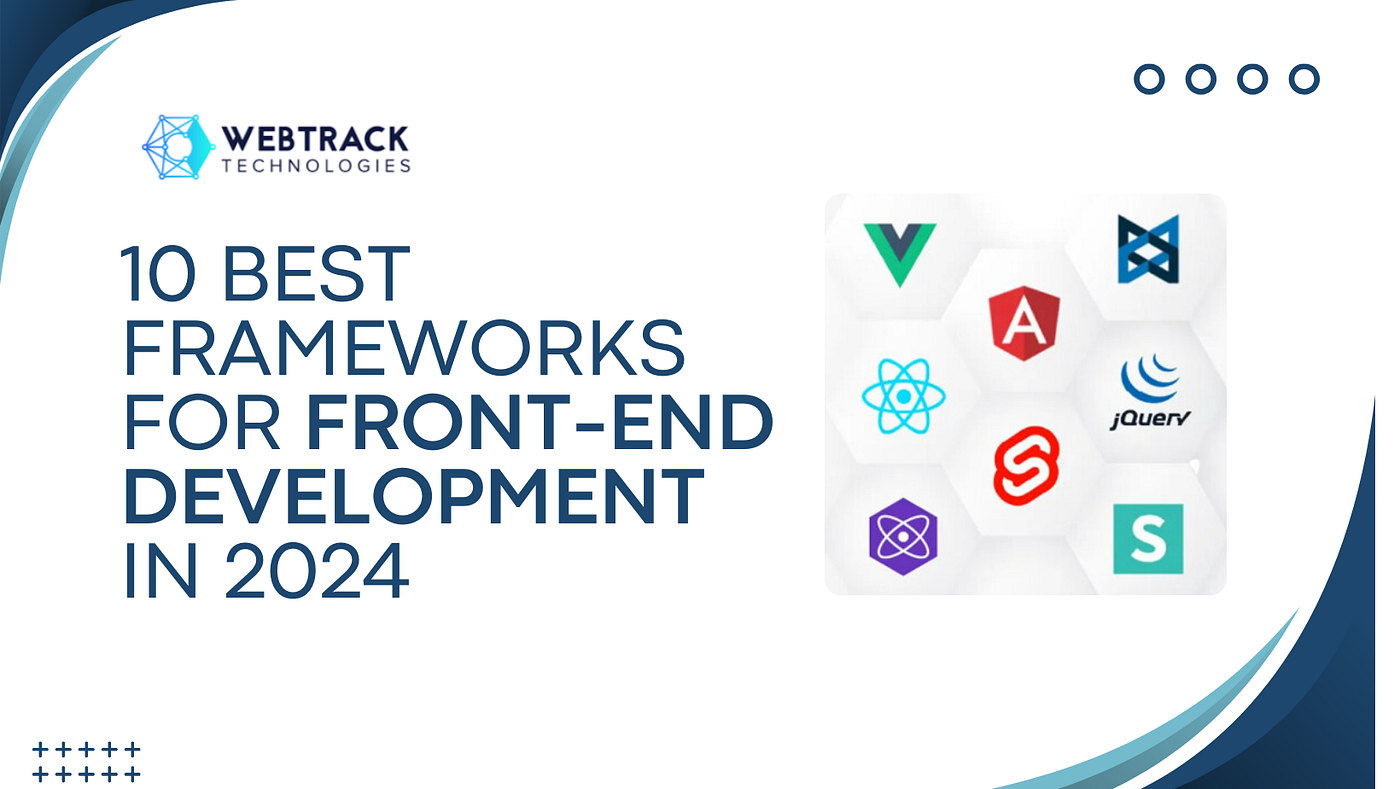
10 Best Frameworks for Front-End Development in 2024
The front-end development ecosystem is constantly evolving, and 2024 is no exception. With an increasing focus on user experience, performance, and scalability, choosing the right framework can make all the difference in building efficient, modern web applications. Here are the 10 best frameworks for front-end development in 2024.
1. React
React continues to dominate the front-end space in 2024. Maintained by Facebook, it’s a JavaScript library (often called a framework) that enables developers to build dynamic, responsive user interfaces with reusable components. React’s virtual DOM ensures fast updates, making it ideal for high-performance applications.
Key Features:
- Component-based architecture
- Virtual DOM for faster rendering
- Strong community and ecosystem
- Support for React Native for mobile apps
2. Vue.js
Vue.js has gained popularity for its simplicity and flexibility. It’s a progressive framework, meaning you can use as much or as little of it as you need, making it an excellent choice for both small projects and large-scale applications.
Key Features:
- Reactive two-way data binding
- Focused on ease of integration
- Lightweight and flexible
- Growing plugin ecosystem
3. Angular
Developed by Google, Angular is a full-fledged framework for building robust web applications. It provides a complete set of tools for developers, including dependency injection, routing, and a powerful CLI (Command Line Interface). Angular’s TypeScript-based architecture ensures strong typing and scalable code.
Key Features:
- Two-way data binding and dependency injection
- Built-in tools for routing, forms, and HTTP services
- TypeScript support for scalable applications
- Robust testing capabilities
4. Svelte
Svelte has emerged as a game-changer in front-end development. Unlike other frameworks, Svelte shifts much of the work from the browser to the compile step. This results in faster, more efficient applications. Svelte doesn’t use a virtual DOM, which gives it a unique performance edge.
Key Features:
- No virtual DOM for faster performance
- Compile-time optimization
- Simpler and more intuitive syntax
- Minimal boilerplate code
5. Next.js
Next.js, built on top of React, is designed for server-side rendering (SSR) and static site generation (SSG). This makes it an excellent choice for SEO-friendly websites and applications that need fast loading times. In 2024, Next.js remains a top choice for building dynamic, high-performance web apps.
Key Features:
- Server-side rendering (SSR) and static site generation (SSG)
- Easy integration with React
- Built-in API routes
- Powerful routing and pre-rendering features
Read More: 10 Best Frameworks for Front-End Development in 2024
메타데이터
- post_id
- 8dde57b50e69
- slug
- 10-best-frameworks-for-front-end-development-in-2024-8dde57b50e69
- url
- https://medium.com/@webtracktechnologies/10-best-frameworks-for-front-end-development-in-2024-8dde57b50e69
- canonical_url
- https://medium.com/@webtracktechnologies/10-best-frameworks-for-front-end-development-in-2024-8dde57b50e69
- author_url
- https://medium.com/@webtracktechnologies
- status
- ok
- fetched_at
- 2026-06-24 04:09:36