What to Eat After Colon Cancer Surgery — Your Practical Guide to Eating Well Again
The surgery is done. You are home. And now someone puts a plate of food in front of you and you genuinely have no idea where to start.
What to Eat After Colon Cancer Surgery — Your Practical Guide to Eating Well Again
The surgery is done. You are home. And now someone puts a plate of food in front of you and you genuinely have no idea where to start.
This is one of the most common and least talked about challenges patients face after colon surgery. Everyone focuses on the operation itself. Very few people prepare you for the weeks of dietary adjustment that follow. What can you eat? What will hurt? Will your stomach ever feel normal again?
The honest answer: yes, it will. But it takes time, and it takes the right approach. If you or a loved one has recently undergone **colon cancer surgery in Ahmedabad**, this guide will walk you through exactly what your body needs and when.
Why Does Diet Matter So Much After Colon Surgery?
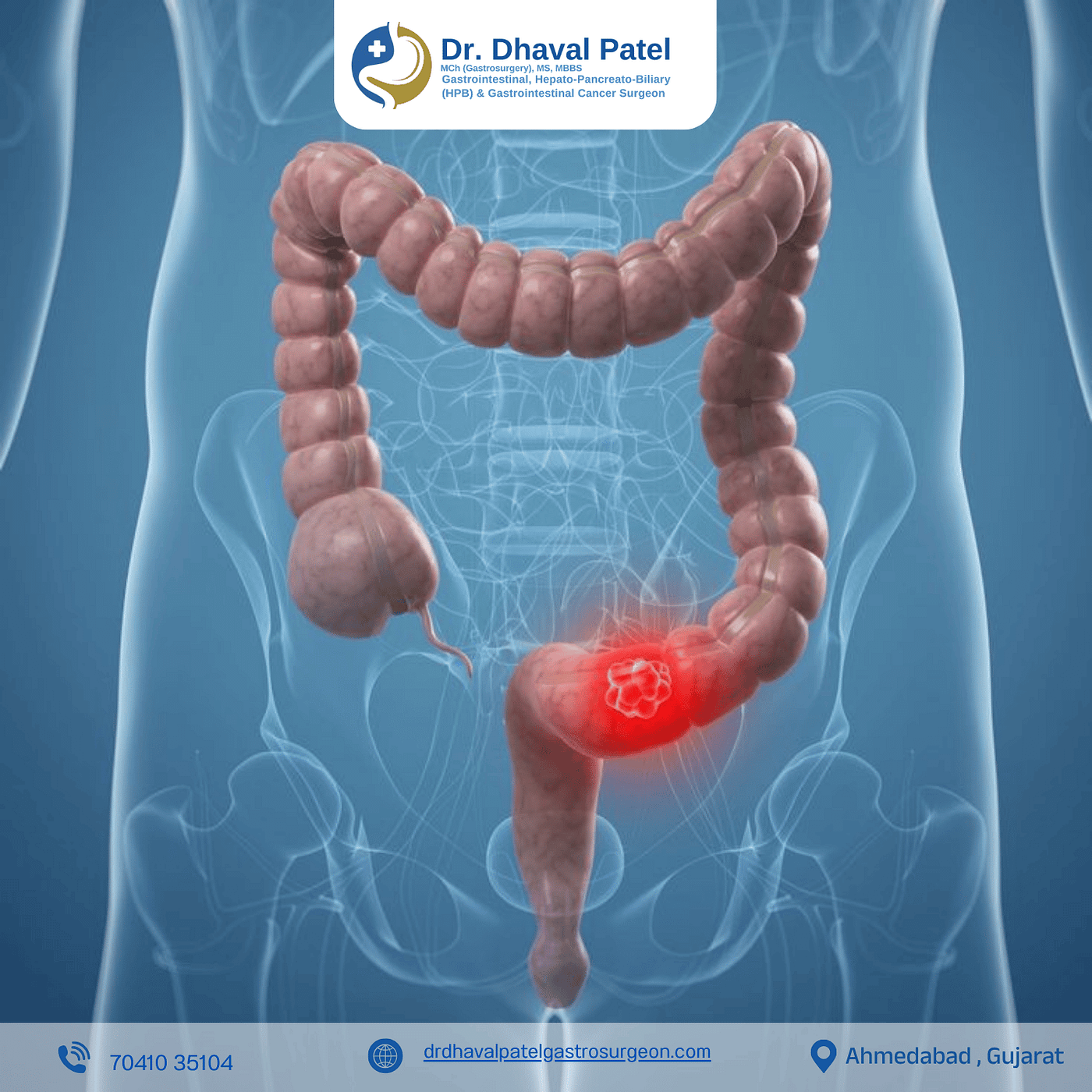
Think of your colon like a long, winding road. After surgery, part of that road has been repaired or rerouted. The surrounding tissue is healing, the natural flow of digestion has been temporarily disrupted, and your gut needs time to relearn how to do its job.
Eating the wrong foods too soon does not just cause discomfort it can strain the healing tissue, trigger cramping, and delay recovery. Getting nutrition right, on the other hand, actively supports tissue repair, helps restore bowel function, and gets you feeling stronger faster.
What Can I Eat in the First Two Weeks?
The early phase of recovery is all about being gentle. Your digestive system has been through a significant procedure, and it needs gradual reintroduction to food.
Start with liquids and soft foods:
- Clear soups and broths — easy to digest, warm, and comforting
- Coconut water and oral rehydration fluids
- Curd (plain, unsweetened) — a natural probiotic that supports gut recovery
- Soft-cooked rice or khichdi — easily digestible and familiar
- Mashed potatoes or soft-boiled eggs
- Banana and soft-cooked apple or pear
Eat slowly. Small portions. Chew thoroughly. Your gut is not ready for large volumes or heavy textures yet.
Foods to avoid in the first two weeks:
- Raw vegetables and salads
- Fried or spicy food
- Whole pulses and legumes (gas-forming)
- High-fibre foods like whole wheat and bran
- Dairy in large quantities if you notice bloating
- Carbonated drinks
When Can I Return to Normal Eating?
This varies from patient to patient, and it depends on the extent of the surgery. Most patients begin introducing a wider variety of foods from weeks three to six, guided by how their body responds.
The key is to add one new food at a time. If something causes cramping, bloating, or changes in bowel pattern, note it and give it more time. This is not a diet for life. It is a recovery phase.
By months two to three, most patients are eating a fairly normal diet, with a few lasting adjustments around fiber intake and meal timing.
Which Nutrients Are Most Important for Recovery?
Your healing body has specific priorities:
- Protein — the building block of tissue repair. Include eggs, soft-cooked chicken, fish, paneer, and dal as tolerated.
- Zinc and Vitamin C — support wound healing. Found in soft-cooked vegetables, citrus fruits (in small amounts), and lean meat.
- Probiotics — curd and fermented foods help restore healthy gut bacteria disrupted by surgery and antibiotics.
- Hydration — aim for 8–10 glasses of water daily. Dehydration slows recovery and thickens digestive secretions.
A Note from the Surgeon
Keep a simple food diary for the first six weeks. Write down what you ate and how you felt two hours later. This one habit does something no diet chart can; it tells you specifically what your gut is and is not ready for. Every patient recovers differently. A food diary removes the guesswork and gives you real, personalised data. Share it at your follow-up appointment so your care team can adjust your plan accordingly.
Finding the Right Post-Surgery Support in Ahmedabad
Diet after **colon cancer surgery is not one-size-fits-all. The guidance you need depends on whether a stoma was created, how much of the colon was removed, and how your individual recovery is progressing. A GI surgeon** who knows your case is far better placed to guide you than any general article, including this one.
Dr. Dhaval Patel, a specialist in GI and colorectal cancer surgery, supports patients through every phase of recovery after colon cancer surgery in Ahmedabad, from the operating table to the dining table.
Ready to Eat Well and Recover Stronger?
Nutrition after surgery is not just about avoiding discomfort. It is an active part of your healing. The right food choices genuinely speed up recovery, support your immune system, and help you regain strength and confidence.
메타데이터
- post_id
- 8dec3f7f211d
- slug
- what-to-eat-after-colon-cancer-surgery-your-practical-guide-to-eating-well-again-8dec3f7f211d
- url
- https://medium.com/@drdhavalpatel2026/what-to-eat-after-colon-cancer-surgery-your-practical-guide-to-eating-well-again-8dec3f7f211d
- canonical_url
- https://medium.com/@drdhavalpatel2026/what-to-eat-after-colon-cancer-surgery-your-practical-guide-to-eating-well-again-8dec3f7f211d
- author_url
- https://medium.com/@drdhavalpatel2026
- status
- ok
- fetched_at
- 2026-08-01 16:46:21