A Complete Guide to Buying Authentic Himalayan Honey in Chandigarh and Mohali
If you have ever picked up a honey jar at a local store in Chandigarh or Mohali and wondered whether it is real, you are not alone. Honey…
A Complete Guide to Buying Authentic Himalayan Honey in Chandigarh and Mohali
If you have ever picked up a honey jar at a local store in Chandigarh or Mohali and wondered whether it is real, you are not alone. Honey is one of the most commonly adulterated food products in India today. Many jars labelled “pure” or “natural” are actually mixed with sugar syrup, corn syrup, or other fillers that dilute the real health value of honey.
This guide is written to help you understand what Himalayan honey actually is, why it is different from regular honey sold in supermarkets, and how you can confidently buy authentic Himalayan honey in Chandigarh and Mohali without getting fooled by clever packaging or false claims.
Why Honey Buyers in Chandigarh and Mohali Struggle to Find the Real Thing
Chandigarh and Mohali have a growing number of health conscious buyers who prefer organic honey, raw honey, and natural sweeteners over refined sugar. But this demand has also led to a flood of products claiming to be pure Himalayan honey, when in reality many of them are heavily processed or blended with cheaper sugar syrups.
Common problems buyers face include:
1.Honey that never crystallizes, which is often a sign of heavy processing or adulteration.
2.Labels that say “Himalayan” without any real proof of where the honey actually comes from.
3.Overly sweet honey that tastes almost like sugar syrup instead of having natural floral notes.
4.No information about the beekeepers, the region, or the harvesting season.
Understanding these problems is the first step toward becoming a smarter buyer.
What Makes Himalayan Honey Different From Regular Honey
Himalayan honey is harvested at high altitudes in regions like Uttarakhand, where bees forage on a wide variety of wild flowers, herbs, and forest blossoms that simply do not grow in the plains. This diverse floral source gives Himalayan honey its distinct taste, darker colour, and richer nutrient profile compared to mass produced honey.
Because it comes from remote mountain regions, authentic Himalayan honey is usually harvested in smaller batches by local beekeepers rather than large industrial farms. This means less mechanical processing, less heating, and minimal filtering, all of which help preserve the natural enzymes, pollen, and antioxidants found in raw honey. For those looking for **Himalayan honey in Chandigarh or Mohali**, choosing a trusted source helps ensure you get genuine mountain harvested honey with its natural qualities preserved.
In simple words, Himalayan honey is closer to what honey looked like before large scale commercial production changed the way most honey is made.
Stage One: Understanding Your Options
Before you buy anything, it helps to understand the different types of honey available in the market so you know exactly what you are choosing between.
Raw honey is honey that has not been heated or pasteurized. It usually contains natural pollen and may crystallize over time, which is completely normal and actually a good sign.
Processed or commercial honey goes through heating and filtering, which extends shelf life but removes many natural nutrients and can sometimes hide adulteration.
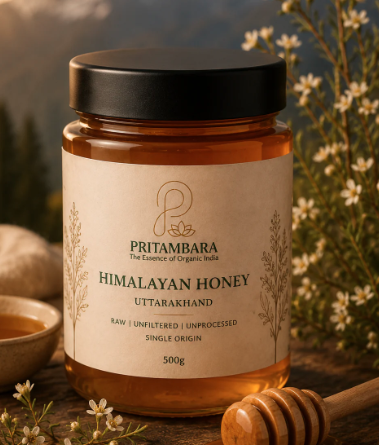
Single origin honey comes from one specific region and one flowering season, which allows for a consistent and traceable flavour profile. Himalayan honey is typically single origin, sourced from specific valleys in Uttarakhand.
Multi floral honey is a blend of nectar from many different types of flowers, which is common with Himalayan honey because of the biodiversity found at high altitudes.
Knowing these terms will help you read labels more confidently and ask the right questions before buying.
Stage Two: How to Evaluate and Compare Honey Brands
Once you know what you are looking for, the next step is comparing the honey brands and sellers available to you in Chandigarh and Mohali. Here are some practical checks you can do.
Check the label carefully. A trustworthy brand will mention the source region, whether the honey is raw or processed, and ideally the beekeeping community it comes from. Vague terms like “pure honey” with no other details should raise a question mark.
Look at the texture and consistency. Raw Himalayan honey often crystallizes, especially in cooler weather, because it has not been overly heated. If a honey jar stays perfectly liquid all year round regardless of temperature, it is worth asking why.
Do a simple water test at home. Add a spoon of honey to a glass of water. Pure honey tends to settle at the bottom in a lump rather than dissolving immediately, while sugar syrup based honey usually mixes into the water quickly. This is not a scientific lab test, but it can give you a rough first impression.
Taste and smell matter. Genuine Himalayan honey usually has a more complex, slightly earthy or herbal aroma compared to the flat sweetness of processed honey. If it tastes exactly like sugar water, that is a warning sign.
Ask about traceability. Brands that are transparent about their sourcing, the beekeepers they work with, and the harvest season are generally more trustworthy than those who cannot explain where their honey comes from.
Read reviews and look for real customer experiences, especially from buyers in your own city. Local reviews from Chandigarh and Mohali customers can tell you a lot about delivery quality, packaging, and consistency of the product over multiple orders.
Read More About Organic Foods: **Bringing Organic Indian Foods from Farms to Homes: The Story Behind Pritambara**
Stage Three: Making a Confident Purchase Decision
By this stage, you already know what authentic Himalayan honey should look, taste, and feel like. Now it is time to actually make a purchase with confidence.
Here is a simple checklist to use before adding honey to your cart, whether you are shopping online or at a local store in Chandigarh or Mohali.
1.Does the brand clearly state the region of origin, such as Uttarakhand or another specific Himalayan location.
2.Is the honey described as raw, unprocessed, or minimally filtered.
3.Does the seller share any information about the beekeepers or farming community behind the product.
4.Is the price realistic. Extremely cheap honey is almost always a red flag, since genuine raw honey from remote mountain regions involves more effort to harvest and transport.
5.Does the packaging include batch details, harvest season, or any form of quality assurance.
One brand working in this space is **Pritambara**, which focuses on sourcing organic and heritage food products, including single origin Himalayan honey, directly from local beekeeping communities in Uttarakhand, with an emphasis on transparency about where the honey actually comes from.
Whichever brand you choose, the key is to prioritise transparency over marketing language. A seller who is happy to answer detailed questions about sourcing and processing is usually more trustworthy than one who relies only on attractive packaging.
Simple Ways to Store and Use Himalayan Honey at Home
Once you have your honey, storing it correctly helps preserve its natural qualities. Keep it in a cool, dry place away from direct sunlight, and avoid using metal spoons repeatedly, since some people prefer wooden or plastic spoons to reduce any reaction with the honey over time.
If your honey crystallizes, this does not mean it has gone bad. You can place the jar in warm water for a few minutes to soften it again, without using direct heat or a microwave, which can damage the natural enzymes.
Himalayan honey works well in warm water with lemon, in herbal teas, drizzled over fruits, or eaten directly by the spoon. Avoid mixing raw honey into extremely hot liquids, since high heat can reduce some of its natural benefits.
Frequently Asked Questions
Q: Is Himalayan honey the same as regular honey sold in supermarkets?
A: Not exactly. Himalayan honey is usually harvested at high altitudes from diverse wild flora, often in smaller batches with less processing, while most supermarket honey is mass produced and heavily filtered.
Q: How can I tell if honey is adulterated with sugar syrup?
A: Look for unnaturally consistent texture, a taste that is overly sweet with no complexity, and honey that never crystallizes even in cold weather. A simple water test at home can also give an early indication, though lab testing is the most reliable method.
Q: Why does authentic honey crystallize?
A: Crystallization is a natural process caused by the ratio of natural sugars in raw honey. It does not mean the honey is spoiled or fake. In fact, many raw honey buyers see crystallization as a positive sign.
Final Thoughts
Buying authentic Himalayan honey in **Chandigarh** or Mohali does not have to be confusing once you know what to look for. Focus on transparency, ask questions about sourcing, pay attention to texture and taste, and remember that a slightly higher price often reflects the real effort involved in harvesting honey from remote mountain regions.
By following the simple checks and questions covered in this guide, you can shop with more confidence and enjoy the genuine benefits of pure, natural, single origin Himalayan honey.
메타데이터
- post_id
- 8ea1a101aa8c
- slug
- a-complete-guide-to-buying-authentic-himalayan-honey-in-chandigarh-and-mohali-8ea1a101aa8c
- url
- https://medium.com/@pritambarain/a-complete-guide-to-buying-authentic-himalayan-honey-in-chandigarh-and-mohali-8ea1a101aa8c
- canonical_url
- https://medium.com/@pritambarain/a-complete-guide-to-buying-authentic-himalayan-honey-in-chandigarh-and-mohali-8ea1a101aa8c
- author_url
- https://medium.com/@pritambarain
- status
- ok
- fetched_at
- 2026-08-09 22:18:53