A Crisis of Sovereignty: When the Guru’s House Calls the Police
What I Witnessed and What It Reveals About the Crisis of our Future — Gurmeet Kaur
A Crisis of Sovereignty: When the Guru’s House Calls the Police
What I Witnessed and What It Reveals About the Crisis of our Future — Gurmeet Kaur
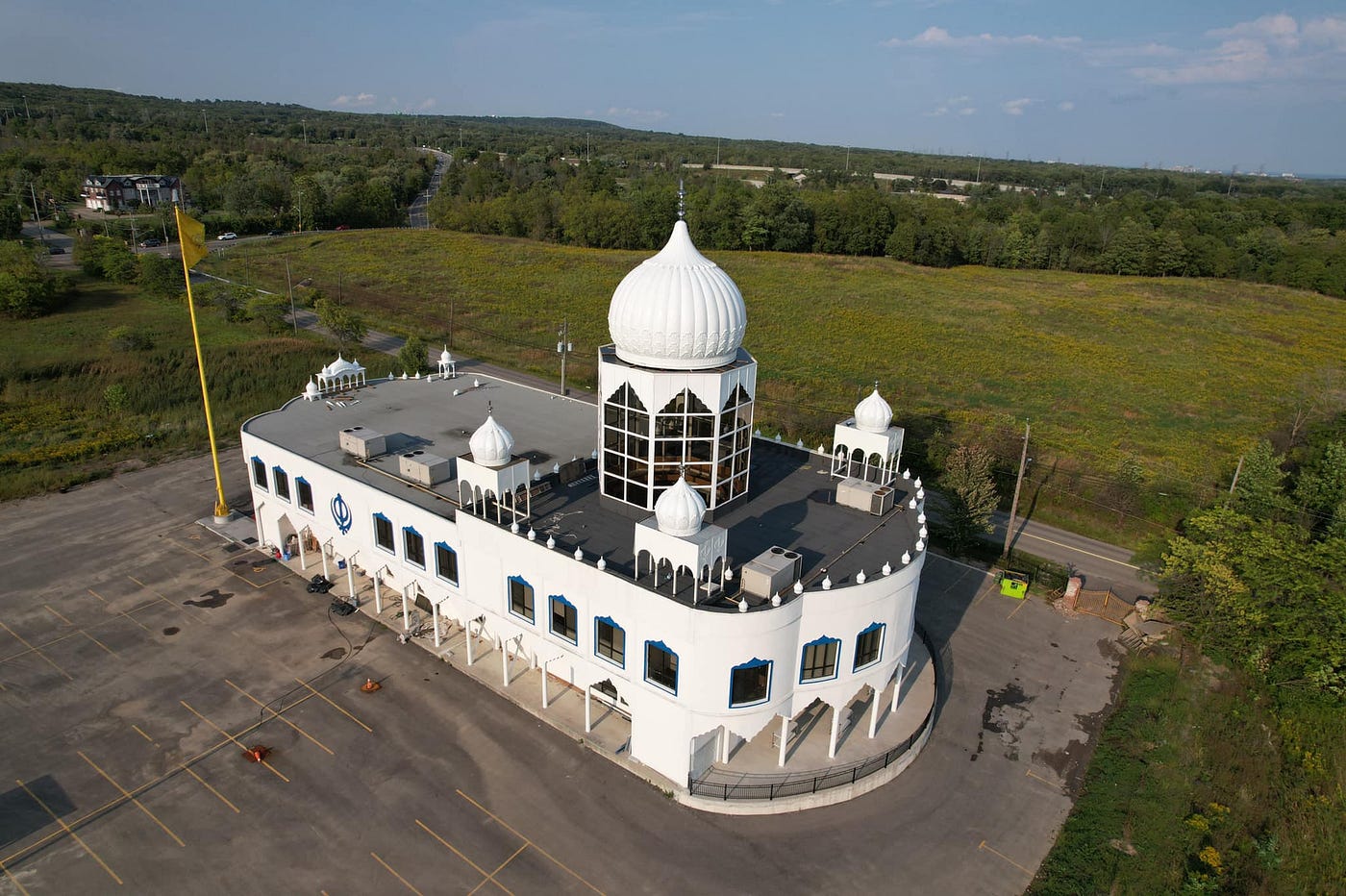
Gurdwara ShaheedGarh Sahib, Hamilton — once called the Sixth Takht of the Panth
I did not set out to write about sovereignty. I did not plan to question the moral foundations of our Gurdwaras. But the institutional fracturing of Gurdwaras I have witnessed in Canada has left me shaken.
After all, Gurdwaras are not merely places of prayer. They are the powerhouses of the Panth — the institutions that have sheltered us in times of persecution, sustained us through exile and migration, and offered direction since the Guru period. From the earliest Dharamsals to today’s Gurdwaras, these spaces have embodied collective sovereignty, moral courage, and self-governance.
When such institutions falter, it is not just an administrative failure; it signals a deeper crisis — one that forces us to reflect on who we are, who we answer to, and what it means to remain sovereign as a Panth.
In the span of a few months, I saw two Gurdwaras in one city, Hamilton, Ontario, Canada, call the local police to manage internal committee disputes. Not once in response to an external attack or an act of violence by anyone, but to resolve conflicts that should never have required armed state intervention inside the Guru’s house.
The first incident took place in May 2025, at Gurdwara Baba Buddha Ji. The management committee called the police on two Sikh women who had taken temporary shelter within the Gurdwara Sahib. One was the widow of a Panthic shaheed. The other was her 81-year-old mother — ill, disabled, and with nowhere else to go. There was no confrontation, no disruption of Maryada, no disrespect shown. There was only vulnerability.
Yet armed officers stood in the sacred hallway, pressuring them to leave. For weeks afterward, police presence was repeatedly used to silence members of the sangat who questioned this decision or expressed support for the women. Tens of thousands of dollars, daswandh given in faith, were effectively redirected toward policing and legal escalation rather than Panthic seva. Hundreds of hours spent on getting Akal Takhat Sahib to intervene rather than empowering the youth with education.
The second incident unfolded in December at Gurdwara Shaheedgarh Sahib, a place once described by the media as “ The Sixth Takht.” Built through sacrifice, volunteer labour, and Panthic resolve in the aftermath of 1984, it now stands fractured by decades of entrenched committee conflict. Two factions faced each other in open hostility. Lawyers had already been retained. Bank accounts frozen. Police were called to maintain order.
A friend narrated this incident as they stood there watching men who once served together hover their hands near kirpans. I saw grief in their eyes — grief not just over the present conflict, but over everything that had been lost along the way. One blow, one moment of rage, could have destroyed families and turned a local failure into international headlines.
In both cases, the immediate crisis subsided (sans the impending legal battles). But a deeper question refused to leave me:
Can we call ourselves sovereign when our Gurdwaras cannot resolve their own disputes without police, courts, and lawyers?
What a Gurdwara Was Meant to Be
To ask this question honestly, we must remind ourselves what a Gurdwara is.
Gur + Duara (Dwara) — through the Guru or (door to the Guru). A Gurdwara is not simply a place of worship. It is a Guru-centred institution meant to train individuals and communities to live Gurmat in all dimensions of life.
Classical Sikh scholarship, including Bhai Kahn Singh Nabha’s Mahan Kosh, describes the Gurduara (originally called as Dharamsala) as far more than a prayer hall. Historically, it functioned simultaneously as:
- a school, nurturing spiritual, ethical, political, and intellectual learning
- a kitchen, addressing hunger with dignity and equality
- a rest house, offering sanctuary to travelers, newcomers, and the neglected
- a healing center, supporting physical, mental, and spiritual health
- a fort, providing protection — especially for women and marginalized groups
Mahan Kosh Encyclopedia: ਗੁਰੁਦ੍ਵਾਰਾ. ਕ੍ਰਿ.ਵਿ. ਗੁਰੂ ਦਾ ਮਾਰਫਤ. ਗੁਰੂ ਦੇ ਜ਼ਿਰੀਏ। 2. ਨਾਮ/n. ਗੁਰੂ ਦਾ ਘਰ। 3. ਸਿੱਖਾਂ ਦਾ ਧਰਮ ਮੰਦਿਰ. ਉਹ ਅਸਥਾਨ, ਜਿਸ ਨੂੰ ਦਸ ਸਤਿਗੁਰਾਂ ਵਿੱਚੋਂ ਕਿਸੇ ਨੇ ਧਰਮਪ੍ਰਚਾਰ ਲਈ ਬਣਾਇਆ ਅਥਵਾ ਜਿੱਥੇ ਸ੍ਰੀ ਗੁਰੂ ਗ੍ਰੰਥ ਸਾਹਿਬ ਜੀ ਦਾ ਪ੍ਰਕਾਸ਼ ਹੁੰਦਾ ਹੈ. ਸ੍ਰੀ ਗੁਰੂ ਨਾਨਕ ਦੇਵ ਤੋਂ ਲੈ ਕੇ ਗੁਰੂ ਅਰਜਨ ਦੇਵ ਤਕ ਸਿੱਖਾਂ ਦੇ ਧਰਮਮੰਦਿਰ ਦਾ ਨਾਮ. “ਧਰਮਸਾਲਾ” ਰਿਹਾ ਹੈ.{738} ਸ੍ਰੀ ਗੁਰੂ ਅਰਜਨ ਦੇਵ ਨੇ ਸਭ ਤੋਂ ਪਹਿਲਾਂ ਅਮ੍ਰਿਤਸਰੋਵਰ ਦੇ ਧਰਮਮੰਦਿਰ ਦੀ “ਹਰਿਮੰਦਿਰ” ਸੰਗ੍ਯਾ ਥਾਪੀ ਅਰ ਗੁਰੂ ਹਰਿਗੋਬਿੰਦ ਜੀ ਦੇ ਸਮੇਂ ਧਰਮਸਾਲਾ ਦੀ “ਗੁਰਦੁਆਰਾ ” ਸੰਗ੍ਯਾ ਹੋਈ ਹੈ. ਸਿੱਖਾਂ ਦਾ ਗੁਰਦੁਆਰਾ ਵਿਦ੍ਯਾਰਥੀਆਂ ਲਈ ਸਕੂਲ, ਆਤਮਜਿਗ੍ਯਾਸਾ ਵਾਲਿਆਂ ਲਈ ਗ੍ਯਾਨਉਪਦੇਸ਼ਕ ਆਚਾਰਯ, ਰੋਗੀਆਂ ਲਈ ਸ਼ਫ਼ਾਖ਼ਾਨਾ, ਭੁੱਖਿਆਂ ਲਈ ਅੰਨਪੂਰਣਾ, ਇਸਤ੍ਰੀ ਜਾਤਿ ਦੀ ਪਤ ਰੱਖਣ ਲਈ ਲੋਹਮਈ ਦੁਰਗਾ, ਅਤੇ ਮੁਸਾਫਰਾਂ ਲਈ ਵਿਸ਼੍ਰਾਮ ਦਾ ਅਸਥਾਨ ਹੈ.
The SikhRI State of the Panth — Gurduara Report (2018) echoes this understanding, grounding the role of the Gurdwara in the doctrine of Miri-Piri: the inseparability of spiritual wisdom and temporal responsibility. The report reminds us that:
A Gurdwara is meant to be the heart of Sikh community life — a place where sovereignty is practiced, not merely proclaimed.
How We Drifted So Far
Yet what I witnessed in Hamilton reflects a broader pattern across the diaspora.
Many Gurdwaras today have been reduced to ritual and event spaces rather than living institutions of learning and care. Enormous resources are poured into buildings, expansions, and optics, while investment in people — education, health, counselling, and leadership development remains minimal.
Governance has become dominated by factional politics, often shaped by ego, caste dynamics, gender exclusion, and power entrenchment. Disagreements that should be resolved through dialogue and collective wisdom escalate instead into bans, intimidation, lawsuits, and police involvement. The SikhRI report documents this disconnect clearly: sangats around the world express a great deal of dissatisfaction in Gurdwara leadership and a strong desire for education, transparency, and inclusion that is rarely met.
The cost of this failure is not abstract. It is financial, emotional, and generational. Money meant for Panthic projects is drained into courts and legal fees. Youth disengage, seeing no space for their voices. Women are underrepresented in leadership and too often made unsafe by silence around harassment, abuse, and discrimination. Elders watch institutions they built with sacrifice become sites of conflict and fear.
When Sovereignty Becomes Symbolic
Sikh sovereignty was never meant to be a symbolic statement in our Ardaas or slogans alone. It was meant to be practiced daily, beginning with our most basic institutions.
Gurdwara sovereignty is compromised when external agencies are called to resolve internal Panthic matters. When the Guru’s house depends on the state to manage Sikh disagreements, moral authority quietly shifts away from Gurmat toward systems that neither understand nor embody Sikh ethics.
This dependence has consequences.
Once police and courts become routine tools of governance, compassion gives way to control. Dialogue is replaced by legal strategy. Disagreement becomes criminalized rather than deliberated. Precious donations given in trust for seva, education, and community uplift are drained into legal fees, security costs, and prolonged disputes. The Gurduara ceases to function as a sovereign sanctuary and begins to resemble any other controlled and contested property.
What Is Missing and Why Conflict Explodes
The conflicts we are witnessing do not arise in a vacuum. They are the predictable outcome of missing foundations.
Across many Gurdwaras, we lack sustained infrastructure for Gurmat-based education: not only Gurmukhi, Gurbani, Kirtan, and history, but civic, political, environmental, and ethical learning for all ages. We lack systems to guide and empower new immigrants, seniors, and isolated individuals. We do not invest in the policy framework and training of the Gurdwara governance. Mental and physical health supports such as counselling, elder care, and trauma-informed services, are rare or nonexistent.
Youth leadership development is often treated as an afterthought rather than a necessity. Safe spaces for young people, women, and marginalized Sikhs are inconsistent at best. Clear policies addressing harassment, abuse, discrimination, transparency, and accountability are frequently absent or selectively enforced.
In such an environment, conflict does not remain small. It festers, hardens into factions, and eventually erupts.
Governance Is the Real Issue
It is tempting to blame individuals, but the real problem is structural.
An ideal Gurdwara management committee should not be defined by charisma or control, but by representation, competence, and accountability. Leadership must reflect the full sangat — women, youth, elders, native-born Sikhs, rather than a narrow demographic. Selection should be skills-based, drawing on education, finance, mediation, social services, and youth mentorship experiences.
Term limits are essential to prevent power entrenchment. Mandatory training in non-profit governance and Gurmat ethics must be non-negotiable. Seva must be clearly distinguished from authority, and Panthic values must take precedence over personal or factional interests. Financial transparency should not be optional; it is an accountability to the sangat and the Guru, a must.
Reclaiming Gurmat-Based Conflict Resolution
Perhaps the most urgent lesson from Hamilton is the need to restore Gurmat-based conflict resolution.
Calling the police should represent institutional failure, not just administrative inefficiency. Before any external legal involvement, Gurdwaras must exhaust internal pathways: standing mediation and reconciliation committees, trained neutral facilitators rooted in Sikh ethics, and restorative approaches that prioritize healing over punishment.
The Sikh tradition has always allowed for disagreement, debate, and deliberation. What it does not allow is the silencing or exile of Sikhs from the Guru’s house without accountability to the Panth, the trend I have not only seen in these two Gurdwaras, but know to be true of many more here.
Following the Money Reveals the Priorities
Every major decision should be measured by a simple Gurmat question: Does this expense move the sangat closer to the Guru’s worldview?
Education and parchar must come before expansion, people and programs before property, and long-term community impact before short-term optics. Environmental responsibility in langar practices, waste reduction, and sustainability must be treated as seva, not luxury.
Qualified teachers, granthis, and ragis deserve fair compensation and ethical financial reporting. Undervaluing knowledge while overspending on concrete reflects a misunderstanding of what actually sustains a Panth and a gross violation of the Guru’s vision for it.
A Path Forward, Not a Fantasy
Reclaiming the Gurdwaras will not happen overnight. But it can happen deliberately.
It begins with re-orientation: sangat-wide education on the meaning of the Gurdwara, vision statements aligned with Gurmat, history, and the principles of Miri-Piri, as well as constitutional revisions that embed accountability.
It continues with building core institutions: Gurmat schools, adult learning programs, youth mentorship, counselling, and elder-care services.
From there, Gurdwaras can evolve into centres of excellence: hubs for Sikh studies, kirtan and shabad-vichaar, civic engagement, and environmental leadership.
The goal is not perfection, but a living ecosystem where learning, healing, protection, and seva coexist daily.
Where Sovereignty Truly Begins
I did not write this out of anger. I wrote it out of heartbreak and responsibility.
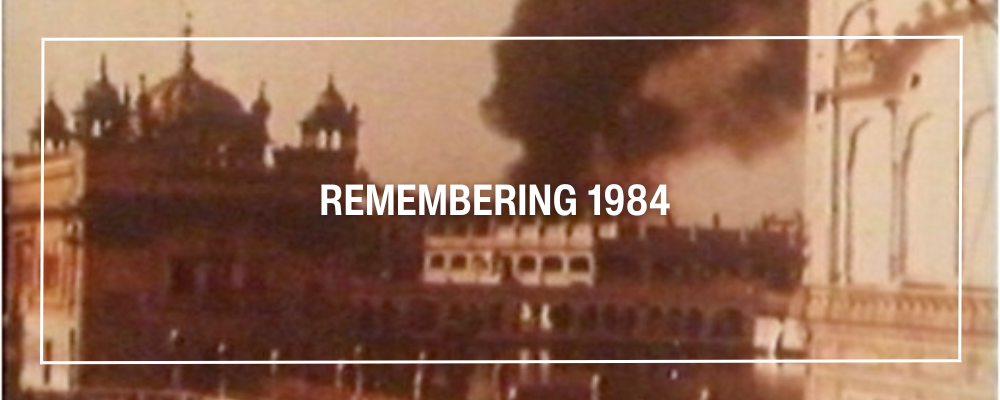
Seeing police boots inside a Gurdwara Sahib reawakens the collective trauma many Sikhs carry from 1984. But this is not only about memory. It is about whether future generations will inherit institutions capable of governing themselves with dignity and guiding them to fulfil the Guru’s vision for this world.
Sovereignty does not begin with slogans or flags. It begins with the courage to govern ourselves ethically, compassionately, and competently — starting in the Guru’s house.
If we cannot do that, then the question answers itself.
A children’s author, environmentalist, and champion of the Punjabi language, Gurmeet Kaur strives to weave stories and actions that unite humanity and celebrate our shared responsibility to one another and the planet.
🌐 www.pippal.org | www.folktalesofpunjab.com
ਗੁਰਮੀਤ ਕੌਰ ਦੇਸ ਪੰਜਾਬ ਦੀ ਬੋਲੀ, ਵਿਰਾਸਤ ਤੇ ਵਾਤਾਵਰਨ ਨੂੰ ਸੰਭਾਲਣ ਲਈ ਸਮਰਪਿਤ ਹੈ। ਇਹ ਮਰਜੀਵੜਾ ਜਸਵੰਤ ਸਿੰਘ ਖਾਲੜਾ ਅਤੇ ਸੋਹਣੇ ਪੰਜਾਬ ਦੀਆਂ ਮੋਹਣੀਆਂ ਬਾਤਾਂ ਪੁਸਤਕ ਲੜੀ ਦੀ ਲੇਖਕਾ ਹੈ। ਇਹਦਾ ਧਿਆਨ ਸੱਚ-ਬਿਆਨੀ, ਭਾਸ਼ਾ ਦੀ ਪੁਨਰਜਾਗਰਤੀ, ਪੰਥ ਅਤੇ ਜਗਤ ਵਿਚ ਇਖ਼ਲਾਕ ਤੇ ਇਤਫ਼ਾਕ ਦੀ ਸਿਰਜਣਾ ਉੱਤੇ ਟਿਕਿਆ ਹੈ।
메타데이터
- post_id
- 8eb01fdfc2af
- slug
- a-crisis-of-sovereignty-when-the-gurus-house-calls-the-police-8eb01fdfc2af
- url
- https://medium.com/@gurmeetkaur/a-crisis-of-sovereignty-when-the-gurus-house-calls-the-police-8eb01fdfc2af
- canonical_url
- https://medium.com/@gurmeetkaur/a-crisis-of-sovereignty-when-the-gurus-house-calls-the-police-8eb01fdfc2af
- author_url
- https://medium.com/@gurmeetkaur
- status
- ok
- fetched_at
- 2026-07-23 05:31:19