The Same Pimple Leaves Different Ghosts: Dark Marks, Explained by Skin Tone
Two people get the identical breakout. One is clear in a week; the other carries a brown souvenir for five months. The difference is the…
The Same Pimple Leaves Different Ghosts: Dark Marks, Explained by Skin Tone
Two people get the identical breakout. One is clear in a week; the other carries a brown souvenir for five months. The difference is the most under-discussed variable in skincare.

Skincare advice mostly pretends skin tone is a shade card — relevant to foundation matching, irrelevant to everything else. Then a breakout heals, and reality files a correction: on fair skin it might leave a pink shadow that fades on its own; on medium, olive, brown, or deep skin, the same blemish often leaves a flat brown mark — post-inflammatory hyperpigmentation, PIH — that outstays the original problem by months.
If you have melanin-rich skin, this asymmetry is probably your actual number-one skincare concern. Yet most dark-spot content is written as if everyone’s marks behave the same. They do not.
Why deeper tones mark more easily
Skin’s pigment-producing machinery is more reactive in deeper tones — a strength in many contexts, but it means the skin answers any inflammation with extra pigment: a pimple, an ingrown hair, an overenthusiastic scrub, a too-harsh acid. The inflammation resolves; the pigment stays, exactly where the injury was.
Read that list of triggers again, because it contains the strategy: half of them are self-inflicted. On melanin-rich skin, irritation is discoloration waiting to happen — which flips the usual skincare logic on its head.
The strategy flip: gentleness IS the treatment plan
Conventional dark-spot advice says “use stronger actives.” For deeper skin tones, that advice regularly backfires: the aggressive product creates low-grade inflammation, the inflammation creates new marks, and the user concludes their skin is impossible. It never was. The routine was wrong-way-round.
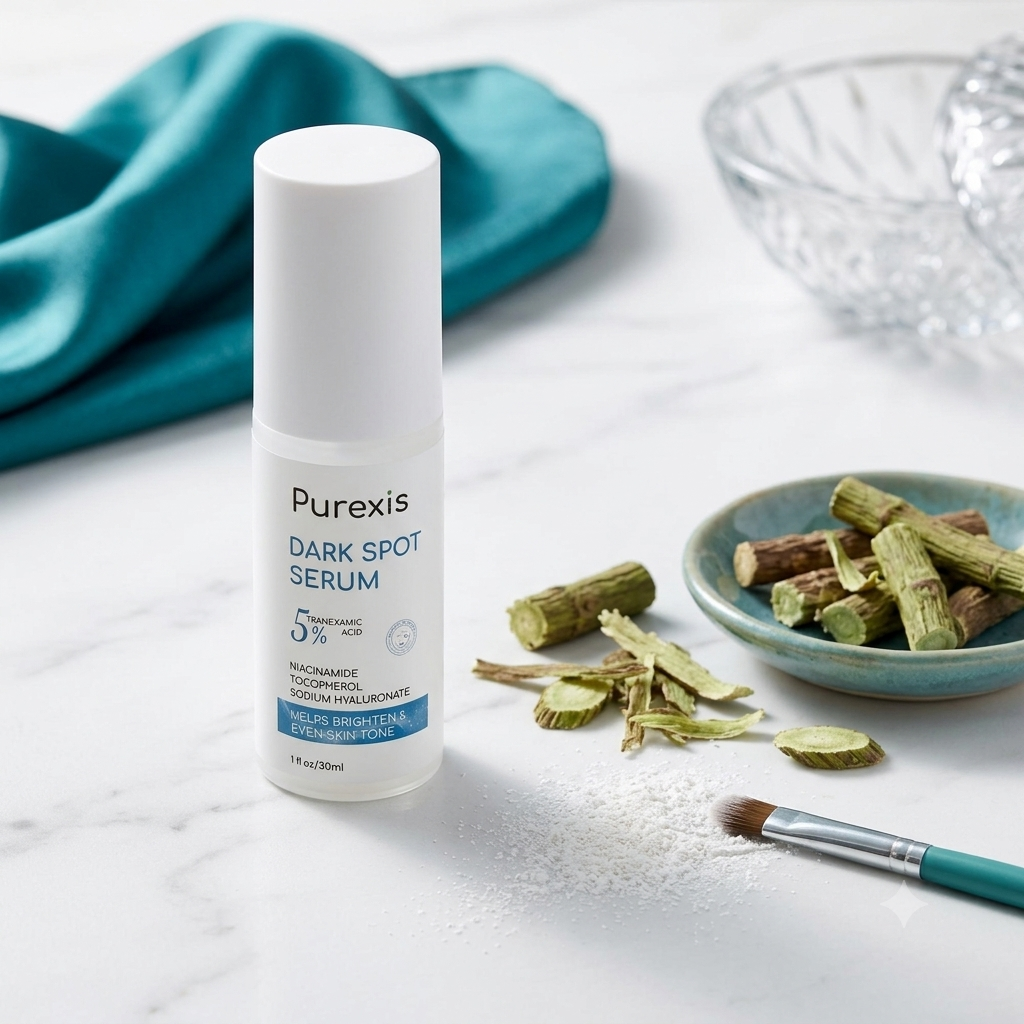
The right architecture is gentle-first: a mild, low-pH cleanse; a brightening serum built on tranexamic acid + niacinamide — the modern pairing chosen precisely because it combines a real research record with famous gentleness; supporting players like licorice root (which also calms the redness usually mixed in with brown marks); and the two habits that outrank every product — daily SPF (yes, on deep skin too: melanin’s natural protection is real but nowhere near enough to stop UV from feeding existing marks) and a strict no-picking policy.
Brown marks vs red marks: know which ghost you have
One more distinction worth learning: if your marks are pink or red, that is usually post-inflammatory erythema — lingering visible blood vessels, most common on fairer skin, which tend to soften on their own with gentle care. Brown and dark marks are pigment-based PIH, and those are what brightening ingredients actually target. Many people carry both at once — which is exactly why a routine that is simultaneously calming and brightening covers the most ground.
The timeline nobody wants and everybody needs
With a consistent gentle-brightening routine and religious SPF: newer marks typically soften in appearance over two to four months; older, deeper-toned marks take longer. On melanin-rich skin, add patience — the same reactive pigmentation that creates marks easily also releases them slowly. What shortens the timeline is boring consistency. What lengthens it: product-hopping, scrubbing “to speed things up,” skipped sunscreen, and fingernails.
For the complete playbook — including the PIH-vs-PIE diagnosis details and exactly when a mark deserves a dermatologist instead — this guide to dark spots after acne across all skin tones is the deepest resource I know, with the ingredient science covered in the companion piece on the tranexamic acid + niacinamide + kojic acid trio.
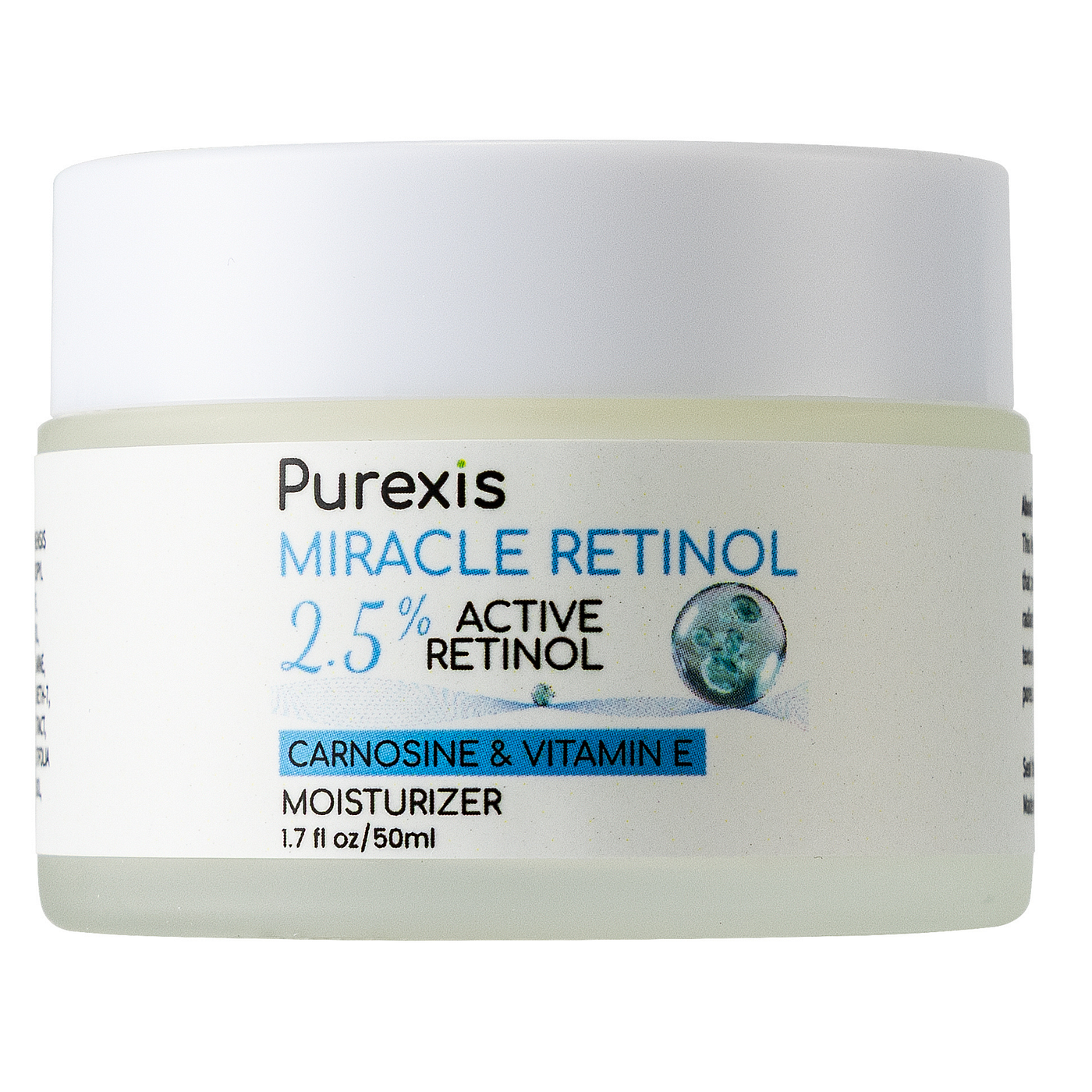
Full disclosure: I work on Purexis, a skincare brand whose dark-spot serum is built on exactly the gentle-brightening logic above — that is how I know this material, and why I care that it is told straight.
The pimple was never the real story. The ghost it leaves is — and the ghost responds to gentleness, sunscreen, and time.
Not medical advice; for suspected melasma or any changing spot, see a dermatologist.
메타데이터
- post_id
- 8ec905a7e30c
- slug
- dark-marks-explained-by-skin-tone-8ec905a7e30c
- url
- https://medium.com/@purexis/dark-marks-explained-by-skin-tone-8ec905a7e30c
- canonical_url
- https://medium.com/@purexis/dark-marks-explained-by-skin-tone-8ec905a7e30c
- author_url
- https://medium.com/@purexis
- status
- ok
- fetched_at
- 2026-08-03 23:20:39