The Difference Between Cosmetic and Therapeutic Penile Injections
Not all penile injections serve the same clinical purpose. Two distinct categories exist: cosmetic injections, which aim to alter physical…
The Difference Between Cosmetic and Therapeutic Penile Injections

Not all penile injections serve the same clinical purpose. Two distinct categories exist: cosmetic injections, which aim to alter physical appearance, and therapeutic injections, which treat recognized medical conditions such as erectile dysfunction. Conflating these two categories carries clinical risk and leads to poorly informed treatment decisions.
This article provides a structured, evidence-based comparison of both injection types. It draws on peer-reviewed literature and recognized UK clinical standards. Understanding the difference is essential before any man considers a P shot London consultation or any other injectable treatment.
Defining the Two Categories
Cosmetic Penile Injections
Cosmetic penile injections aim to change the size or shape of the penis without treating any underlying condition. The most common substances used are hyaluronic acid (HA) fillers and autologous fat.
These procedures are not regulated as medical treatments in the UK. They do not appear in NICE guidelines and carry no approval from the Medicines and Healthcare products Regulatory Agency (MHRA) for this specific use. The British Association of Urological Surgeons (BAUS) has stated that cosmetic penile procedures carry significant risk with limited evidence of benefit.
Common reported complications include nodule formation, asymmetry, infection, vascular injury, and permanent penile deformity. A 2020 review published in Sexual Medicine Reviews found a complication rate exceeding 25% for HA filler injections to the penis.
Therapeutic Penile Injections
Therapeutic penile injections address specific medical conditions. These include:
• Erectile dysfunction (ED) — achieved through intracavernosal injections (ICI) or platelet-rich plasma (PRP) therapy
• Peyronie’s disease — treated with collagenase clostridium histolyticum (Xiapex), approved by the MHRA
• Premature ejaculation — off-label local anaesthetic injections in select protocols
• Post-prostatectomy rehabilitation — penile injection therapy as part of structured recovery
These treatments carry a defined mechanism of action, clinical evidence base, and established safety profiles. They exist within, or are adjacent to, NHS and NICE frameworks.
PRP Therapy and the P Shot: A Therapeutic Context
The term P shot (also written P-shot or Priapus shot) refers to a specific protocol using platelet-rich plasma (PRP) derived from the patient’s own blood. It is injected into defined penile tissue zones. The P shot London market has grown considerably over the past five years, yet it remains frequently misrepresented as either purely cosmetic or as a guaranteed medical cure.
Neither characterisation is accurate. PRP therapy occupies a position between experimental and emerging evidence-based practice. Several peer-reviewed trials support its use in ED, though large-scale randomised controlled trials (RCTs) remain limited.
Mechanism of Action
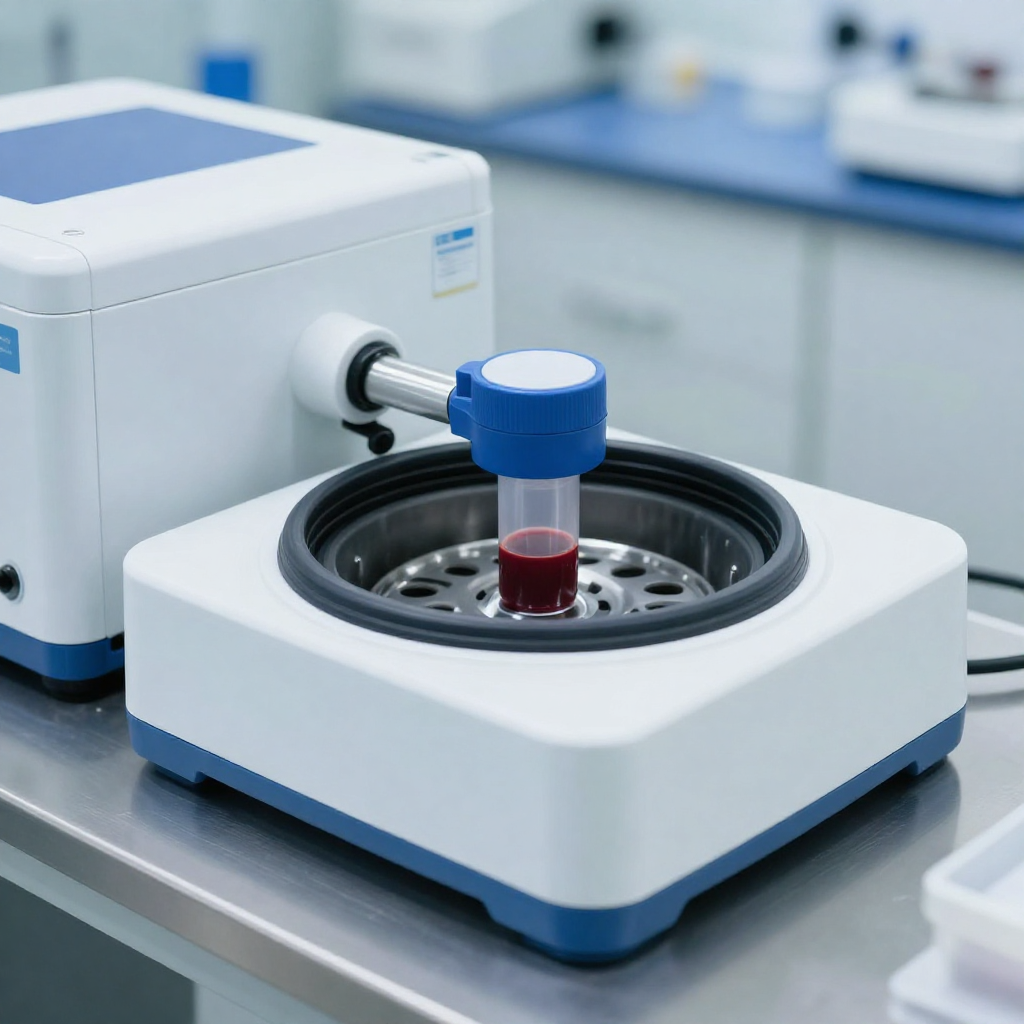
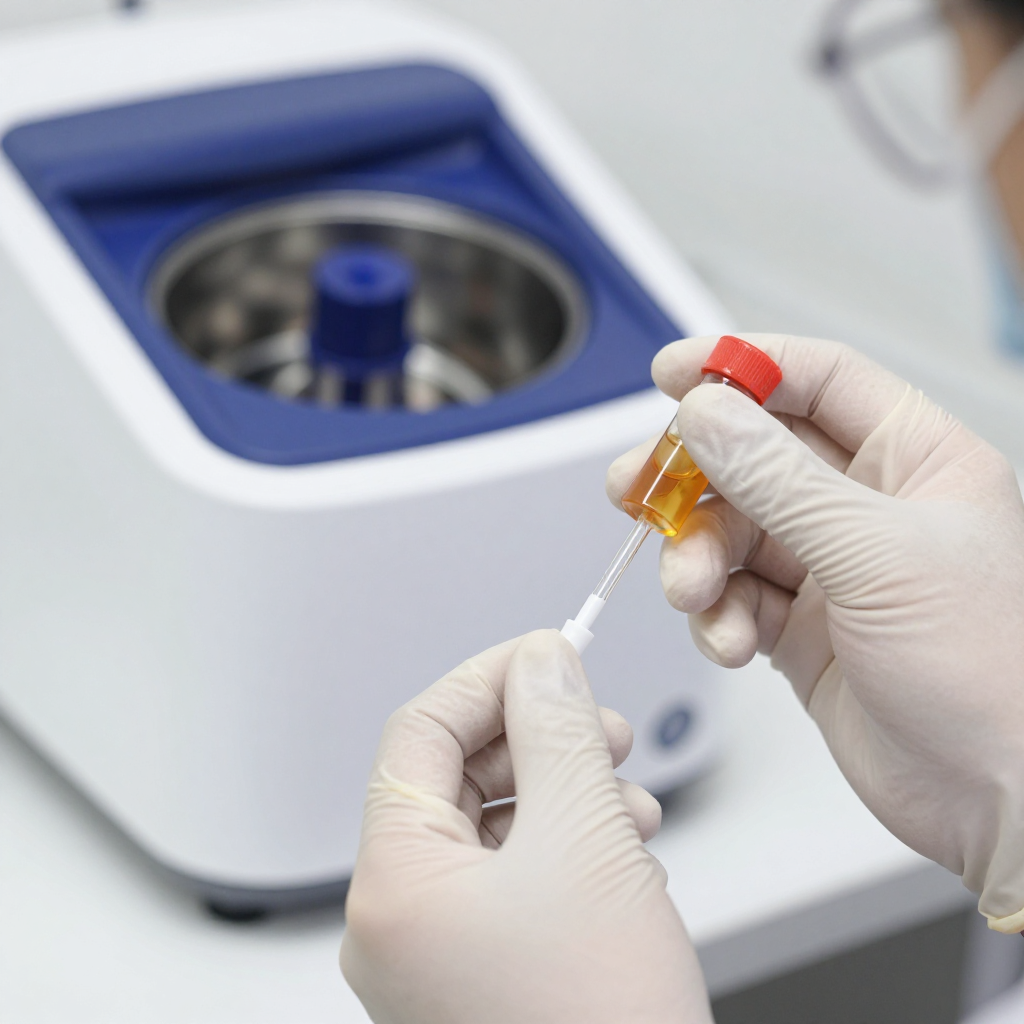
PRP is produced by centrifuging a small sample of the patient’s venous blood. This concentrates platelets, which release growth factors including platelet-derived growth factor (PDGF), transforming growth factor-beta (TGF-β), and vascular endothelial growth factor (VEGF).
These growth factors stimulate tissue repair, neovascularisation, and collagen synthesis. In the context of penile tissue, this promotes restoration of vascular endothelial function — a key component in achieving and sustaining erections.
A 2021 meta-analysis published in the International Journal of Impotence Research reviewed five trials involving PRP injections for ED. Authors concluded that PRP showed statistically significant improvement in International Index of Erectile Function (IIEF) scores compared to baseline, though heterogeneity between studies was noted.
P Shot vs. Cosmetic Filler Injections: A Direct Comparison
Objective — P shot: Therapeutic — improve erectile function, tissue health, and sensitivity. Cosmetic filler: Aesthetic — increase girth or alter appearance.
Substance — P shot: Autologous PRP (patient’s own blood). Cosmetic filler: Hyaluronic acid, PMMA, or autologous fat.
Evidence base — P shot: Emerging clinical trial data (IIEF studies, meta-analyses). Cosmetic filler: Largely anecdotal; no RCT-level evidence.
MHRA/NICE status — P shot: Outside formal NICE guidelines; no MHRA-approved indication. Cosmetic filler: No approved indication; listed as a risk procedure by BAUS.
Reversibility — P shot: Naturally absorbed; no permanent material deposited. Cosmetic filler: Variable — HA dissolves with hyaluronidase; PMMA is permanent.
Complication profile — P shot: Low; bruising, swelling (self-limiting). Cosmetic filler: High; nodules, infection, ischaemia, deformity reported.
The Role of Psychological Factors in ED and Injection Therapy
Psychological ED accounts for a significant proportion of erectile dysfunction presentations in men under 40. A 2019 study in the Journal of Sexual Medicine reported that up to 40% of younger men presenting with ED had a predominantly psychological aetiology.
Anxiety erection difficulties — colloquially termed performance anxiety — disrupt the parasympathetic nerve signalling required for penile smooth muscle relaxation and arterial dilation. This creates a physiological barrier even in men with otherwise intact vascular function.
P shot confidence is not merely a marketing phrase — there is a recognised psychogenic benefit to certain physical interventions. When men experience improved sensitivity, firmer erections, or enhanced endurance following PRP therapy, this can interrupt the anxiety-erection cycle. However, PRP therapy does not directly treat psychological ED.
Men presenting with predominantly psychological causes are best directed towards psychosexual therapy, cognitive behavioural therapy (CBT), or a combined approach. Physical interventions such as PRP may be considered as adjuncts but should not replace psychological support.
NHS guidance on erectile dysfunction recommends addressing reversible causes — including stress, anxiety, and relationship difficulties — before initiating pharmacological or procedural treatment.
What Therapeutic Penile Injections Can and Cannot Do
Realistic Outcomes from PRP (P Shot) Therapy
P shot treatment has been associated with the following outcomes in clinical literature:
• Improvement in IIEF-5 score (a validated questionnaire measuring erectile function)
• Increased penile sensitivity reported in men with reduced sensation following prostate surgery
• Modest improvements in penile length and girth reported in some trials — however, these outcomes are secondary and inconsistent
• Potential benefit in Peyronie’s disease when combined with traction therapy, though evidence remains preliminary
P shot before and after results vary considerably between individuals. P-shot before and after photography shared online frequently exaggerates outcomes. No peer-reviewed clinical trial has demonstrated consistent, measurable penile enlargement from PRP alone.
A 2022 systematic review in Translational Andrology and Urology assessed PRP for ED across 12 studies. Authors found that while functional improvements were commonly reported, methodological quality was low and standardised outcome reporting was absent.
Intracavernosal Injection Therapy (ICI)
ICI represents a well-established therapeutic option for ED. It involves the direct injection of vasoactive agents — alprostadil, papaverine, or phentolamine — into the corpus cavernosum.
Penile injection growth is not the goal of ICI. The purpose is to induce a pharmacological erection by relaxing smooth muscle and increasing arterial inflow.
NICE recommends ICI as a second-line treatment for ED where oral phosphodiesterase-5 inhibitors (PDE5Is) such as sildenafil have failed. Alprostadil (Caverject) holds full MHRA approval for this indication.
The term p injection is sometimes applied loosely to both ICI and PRP protocols. Clinically, these are distinct — ICI is pharmacological and immediate-acting; PRP is regenerative and cumulative over weeks to months.
Regulatory and Safety Landscape in the UK
Men considering a Priapus shot London procedure must understand the UK regulatory context. The Priapus shot is not a licensed medical procedure under MHRA regulation. PRP preparation and administration falls outside NHS provision and is offered exclusively in private clinical settings.
The Care Quality Commission (CQC) oversees private clinics offering injectable procedures. Any reputable provider of P shot treatment must operate within a CQC-registered facility and meet the standards outlined by the General Medical Council (GMC) for practitioners offering unlicensed interventions.
Regarding Priapus shot price and male enlargement injections cost UK: costs vary widely across providers. The absence of standardised pricing reflects the unregulated nature of the cosmetic sector in particular. Therapeutic PRP protocols at established medical clinics in London typically range from £800 to £2,000 per session, depending on the clinic, the PRP preparation system used, and whether adjunct therapies are included.
The Royal College of Surgeons (RCS) has called for greater regulation of cosmetic procedures. The Independent Review of Cosmetic Interventions (2013) and subsequent policy discussions have highlighted risks in the sector, particularly around unqualified practitioners administering injectable treatments.
Choosing Between Cosmetic and Therapeutic Injections
The decision between cosmetic and therapeutic penile injections should be guided by:
• Clearly defined clinical indication — is there a medical condition to be treated?
• Assessment by a qualified medical practitioner with documented experience in men’s intimate health
• Realistic discussion of expected outcomes, limitations, and risks
• Written informed consent in line with GMC guidance
• Review of all non-invasive and pharmacological options before considering injectables
PRP-Based Regenerative Therapy: Where the Evidence Stands
PRP-based regenerative therapy for ED is an area of active clinical investigation. Unlike cosmetic fillers, PRP carries no risk of foreign-body reaction, as it is derived from the patient’s own blood. This makes it one of the safer injectable options in the non-surgical treatment for erectile dysfunction in London and across the UK.
Ongoing research into advanced PRP solution for erectile dysfunction continues to refine centrifugation protocols, platelet concentration targets, and injection techniques. Current evidence supports PRP as a component of a broader treatment plan rather than a standalone cure.
Natural ED treatment using PRP therapy appeals to men who have not responded to, or wish to avoid, PDE5 inhibitors. However, clinicians must communicate clearly that PRP does not replace first-line treatments recommended by NICE.
For men with vasculogenic or neurogenic ED, PRP therapy for men’s performance issues may offer adjunctive benefit. Men’s intimate health treatment in London should always begin with a full urological and metabolic assessment to identify modifiable risk factors including diabetes, hypertension, and hypogonadism.
Regenerative treatment for male health in the UK is expanding rapidly. The British Society for Sexual Medicine (BSSM) has noted growing patient interest in regenerative options. However, it continues to call for high-quality RCT data before PRP can be formally incorporated into clinical pathways.
Non-Surgical Alternatives and Combined Approaches
Low-Intensity Shockwave Therapy (Li-SWT)
Li-SWT delivers acoustic energy to penile tissue, stimulating neovascularisation. It shares a regenerative mechanism with PRP and is often used in combination with PRP protocols. A 2020 meta-analysis in the European Urology journal reported significant IIEF improvement in men with mild-to-moderate vasculogenic ED following Li-SWT.
Oral Pharmacotherapy
PDE5 inhibitors remain the first-line pharmacological treatment for ED per NICE CG5 guidance. Sildenafil, tadalafil, and vardenafil are licensed, widely available, and supported by extensive RCT data. These should be considered before, and often alongside, injectable therapies.
Vacuum Erection Devices and Psychosexual Therapy
Vacuum erection devices offer a non-pharmacological, non-invasive option. Psychosexual therapy addresses psychological ED directly. NICE recommends both as part of a comprehensive management plan. Men presenting with anxiety erection difficulties specifically benefit from combined physical and psychological support.
Clinical Practice at pshots.co.uk
Dr Syed Nadeem Abbas at **pshots clinic uk** provides evidence-based assessment and treatment planning for men considering P shot London and related therapeutic interventions, within a structured clinical framework that includes full patient assessment, informed consent, and outcome monitoring.
Frequently Asked Questions
Is the P shot the same as a cosmetic penile filler injection?
No. The P shot uses autologous PRP derived from the patient’s own blood. Cosmetic fillers use synthetic or semi-synthetic substances such as hyaluronic acid. The clinical objectives, mechanisms, evidence bases, and risk profiles are fundamentally different.
Does the P shot London procedure require a medical prescription?
PRP therapy does not involve a licensed medicinal product and therefore does not require a prescription. However, the procedure must be performed by a qualified medical practitioner in a registered clinical facility. The GMC requires doctors to act in the best interests of patients when offering unlicensed treatments.
What does the Priapus shot price typically include?
At reputable London clinics, the Priapus shot price typically covers a consultation, blood draw, PRP preparation, injection procedure, and a follow-up appointment. Prices generally range from £800 to £2,000. Costs vary by clinic and whether adjunct therapies such as Li-SWT are included.
Can the P shot treat psychological ED?
The P shot does not directly treat psychological ED or anxiety erection difficulties. It is a tissue-level regenerative therapy. Men with predominantly psychogenic ED benefit most from psychosexual therapy or CBT. PRP may be considered as a secondary adjunct where there is also a physical component.
How many P shot treatments are typically required?
Most protocols involve one to three sessions spaced four to eight weeks apart. Some clinicians recommend annual maintenance injections. Results depend on the severity of the underlying condition, the PRP preparation quality, and individual patient response.
Is PRP-based regenerative therapy for ED available on the NHS?
No. PRP therapy for erectile dysfunction is not available through the NHS. It is offered exclusively in private clinical settings. The NHS provides approved treatments including PDE5 inhibitors, ICI, and vacuum erection devices for eligible patients.
What are the risks of cosmetic penile filler injections?
Risks include nodule formation, irregular contour, infection, vascular compromise, chronic inflammation, and in severe cases, penile deformity requiring surgical correction. BAUS has cautioned against these procedures due to the absence of robust safety data.
Are P shot before and after results consistent?
P shot before and after outcomes vary considerably between patients. No peer-reviewed study has demonstrated guaranteed or uniform results. Factors influencing outcomes include patient age, baseline erectile function, PRP quality, injection technique, and lifestyle variables such as smoking and cardiovascular health.
Conclusion
The distinction between cosmetic and therapeutic penile injections is not semantic — it is clinical. Cosmetic penile injections lack a recognised medical indication, carry a high complication rate, and operate outside UK regulatory frameworks. Therapeutic injections, including PRP-based protocols such as the P shot, address specific medical conditions with an emerging evidence base and an established safety profile.
**Erectile dysfunction treatment London **is a growing field. Non-surgical treatment for erectile dysfunction in London has expanded significantly, with PRP-based options now widely available. However, patient decision-making must remain grounded in accurate clinical information rather than marketing claims.
Men considering injectable treatments must receive a full medical assessment, a clear explanation of realistic outcomes, and an honest discussion of limitations. P shot UK providers who operate to high clinical standards will always present PRP as one component of a broader treatment strategy — not a universal solution.
Informed consent, realistic expectations, and clinical rigour distinguish responsible practice from commercially driven over-promise.
As regenerative medicine continues to evolve, the central question for clinicians and patients alike remains: when the evidence base is still developing, how do we ensure that enthusiasm for innovation does not outpace our obligation to first, do no harm?
메타데이터
- post_id
- 8edde75537c8
- slug
- the-difference-between-cosmetic-and-therapeutic-penile-injections-8edde75537c8
- url
- https://medium.com/@bmac.drsnaclinic/the-difference-between-cosmetic-and-therapeutic-penile-injections-8edde75537c8
- canonical_url
- https://medium.com/@bmac.drsnaclinic/the-difference-between-cosmetic-and-therapeutic-penile-injections-8edde75537c8
- author_url
- https://medium.com/@bmac.drsnaclinic
- status
- ok
- fetched_at
- 2026-07-13 06:23:13