Skills-Based Education vs Traditional Degrees
Introduction
Skills-Based Education vs Traditional Degrees
Introduction
The education system is rapidly evolving as industries demand professionals with practical knowledge, real-world experience, and job-ready skills. While traditional degrees have long been considered the standard path for career success, skills-based education is now gaining popularity among students and employers worldwide.
Today, companies are increasingly focusing on what candidates can do rather than only what qualifications they hold. As technology, business trends, and global industries continue to change, students are exploring career-focused diploma programs and skill-oriented courses that provide faster employment opportunities and practical learning experiences.
Countries like Malta are becoming attractive destinations for international students because they offer industry-focused education programs designed to develop practical skills and global career readiness.

What Is Skills-Based Education?
Skills-based education focuses on developing practical abilities, technical expertise, and industry-relevant knowledge that students can directly apply in professional environments.
This type of education emphasizes:
- Practical training
- Hands-on projects
- Internships
- Industry certifications
- Problem-solving skills
- Communication and teamwork
Programs in fields such as Digital Marketing, Information Technology, Business Management, Hospitality, and Healthcare often follow a skills-focused learning approach.
What Are Traditional Degrees?
Traditional degree programs mainly focus on academic and theoretical knowledge. These programs provide a broad understanding of subjects and are usually completed over three to four years.
Traditional degrees often include:
- Classroom-based learning
- Theoretical concepts
- Research assignments
- Academic examinations
- Subject specialization
While traditional education builds foundational knowledge, some programs may offer limited practical exposure compared to modern skill-oriented courses.
Why Skills-Based Education Is Growing Rapidly
The modern job market values practical skills and adaptability. Employers now prefer candidates who can immediately contribute to workplace productivity.
Some reasons behind the rise of skills-based education include:
- Rapid technological advancements
- Industry demand for skilled professionals
- Growing startup and digital economy
- Increased focus on employability
- Need for specialized expertise
Many international diploma programs now combine academic learning with practical industry experience to prepare students for global careers.
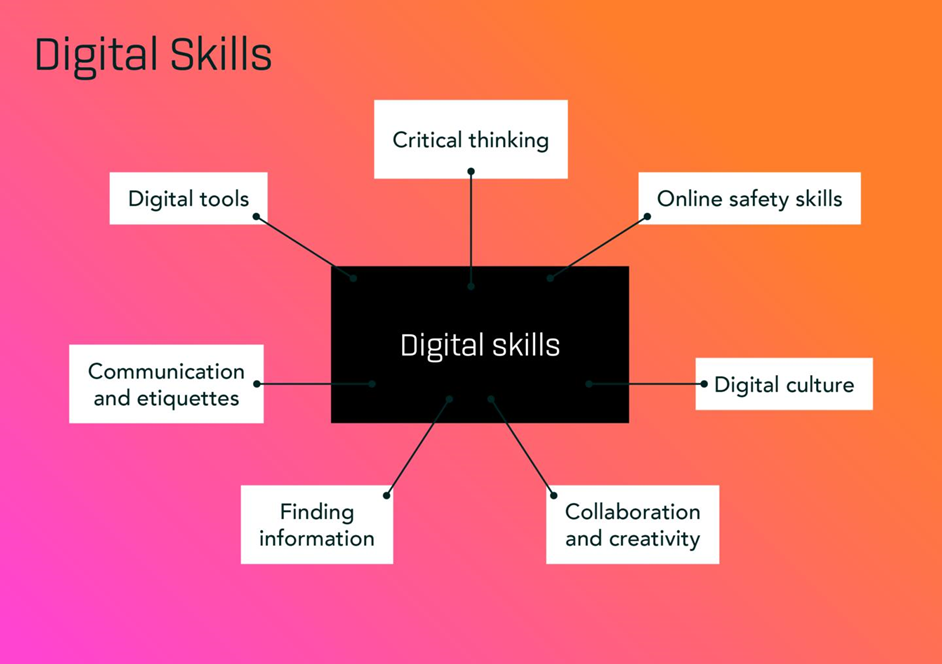
Benefits of Skills-Based Education
1. Faster Employment Opportunities
Skills-focused courses prepare students for specific industries, helping them enter the workforce more quickly.
2. Practical Industry Experience
Students gain hands-on exposure through projects, internships, workshops, and real-world case studies.
3. Industry-Relevant Learning
Course content is regularly updated according to market trends and employer expectations.
4. Improved Employability
Employers prefer candidates who possess practical problem-solving abilities and technical skills.
5. Affordable and Flexible Learning
Many diploma and certification programs are shorter and more affordable compared to traditional degree programs.
Advantages of Traditional Degrees
Despite the growth of skills-based learning, traditional degrees still hold value in many professions.
Traditional degrees offer:
- Strong academic foundation
- In-depth subject knowledge
- Opportunities for higher education and research
- Recognition in specialized professions
- Long-term career flexibility
Fields such as medicine, law, engineering, and scientific research often require traditional degree qualifications.
Which Option Is Better for Students?
The right choice depends on:
- Career goals
- Budget
- Learning preferences
- Industry demand
- Time availability
Students seeking faster career opportunities and practical industry skills may benefit more from skills-based education. Those interested in academic research or specialized professions may prefer traditional degree programs.
In many cases, combining both approaches can provide the best results.
Why International Students Prefer Skill-Oriented Programs
International students are increasingly choosing practical diploma programs because they offer:
- Career-focused learning
- Industry certifications
- Global employability
- Internship opportunities
- Affordable tuition fees
Malta has become a popular destination for students pursuing Business Management, IT, Digital Marketing, and Hospitality programs because of its practical learning approach and international exposure.

Industries That Prefer Skills-Based Education
Several industries actively seek candidates with practical expertise, including:
- Information Technology
- Digital Marketing
- Business and Management
- Hospitality and Tourism
- Graphic Design
- Data Analytics
- Cybersecurity
In these fields, employers often prioritize skills, portfolios, and practical experience over academic qualifications alone.
Future of Education and Career Development
The future of education is shifting toward a combination of theoretical understanding and practical skill development. Educational institutions worldwide are redesigning courses to make students more employable and industry-ready.
As automation and technology continue to evolve, students with adaptable skills, critical thinking abilities, and practical experience will have a competitive advantage in the global workforce.

Build a Career with the Right Education Path
Both skills-based education and traditional degrees have their own advantages. The key is to choose an education path that aligns with your career goals, interests, and industry requirements.
Students looking for career-focused international diploma programs and global education opportunities can connect with Raptor Academics for expert guidance on admissions, study abroad options, and skill-oriented education programs.
메타데이터
- post_id
- 8f06a4263c2b
- slug
- skills-based-education-vs-traditional-degrees-8f06a4263c2b
- url
- https://medium.com/@debockorganicfarmsindia/skills-based-education-vs-traditional-degrees-8f06a4263c2b
- canonical_url
- https://medium.com/@debockorganicfarmsindia/skills-based-education-vs-traditional-degrees-8f06a4263c2b
- author_url
- https://medium.com/@debockorganicfarmsindia
- status
- ok
- fetched_at
- 2026-06-09 15:37:30