The Shield on Your Plate: How Nutrition Can Help Prevent Cancer
Photo by Kate Asplin on Unsplash
The Shield on Your Plate: How Nutrition Can Help Prevent Cancer
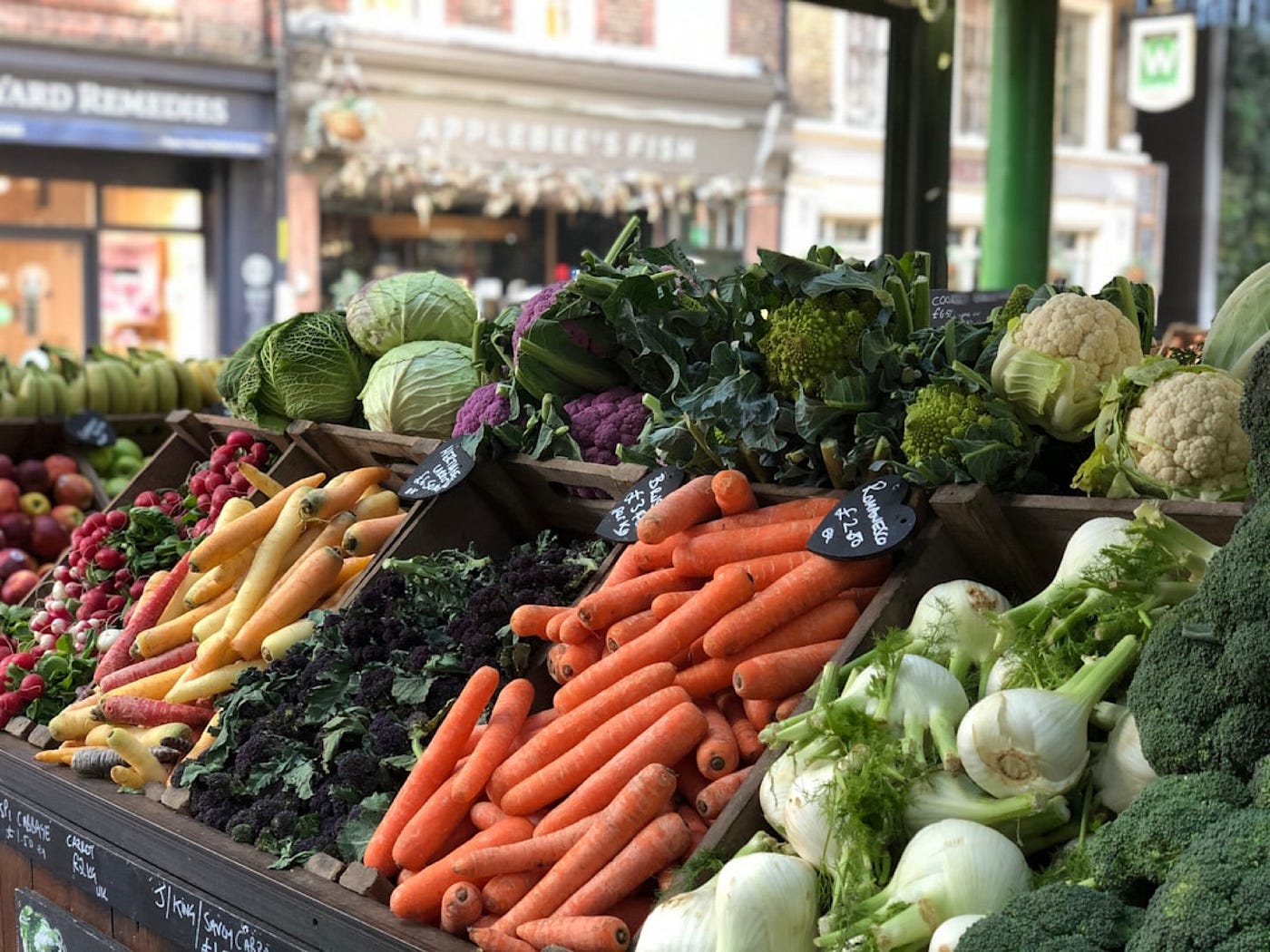
Photo by Kate Asplin on Unsplash
When we think about cancer prevention, we often focus on what to avoid – like smoking or excessive sun exposure. However, what we choose to eat is just as powerful. Modern research continues to show that a diet rich in specific plant-based foods can create an internal environment that hinders cancer development.
While no single food is a “miracle cure,” incorporating these nutrient-dense options into your daily life can significantly lower your risk.
- The Power of Cruciferous VegetablesVegetables like broccoli, cauliflower, and cabbage are more than just side dishes. They contain a potent compound called sulforaphane. Studies suggest that sulforaphane can inhibit the enzyme that promotes cancer cell growth.
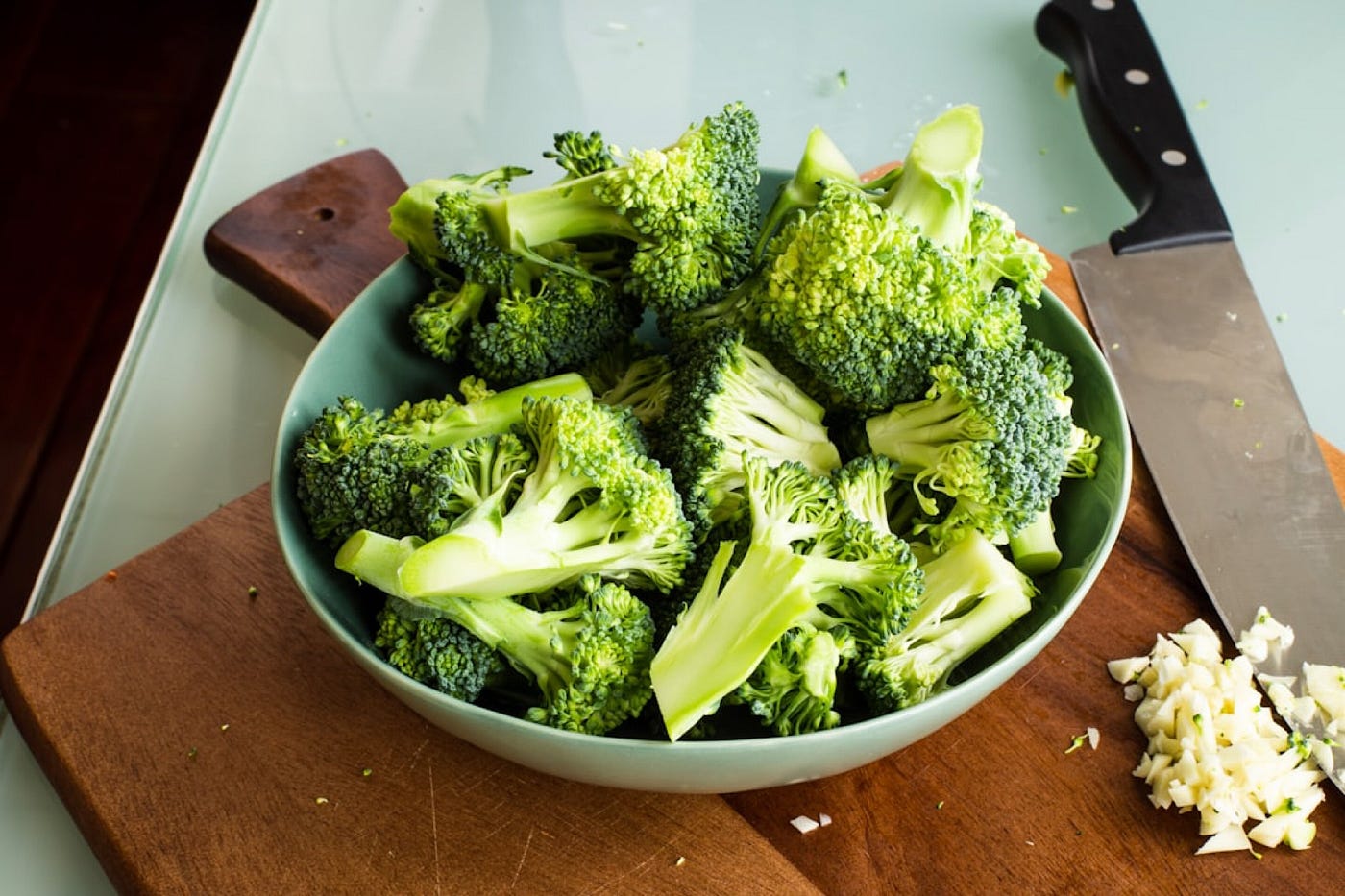
Photo by Louis Hansel on Unsplash
(Broccoli contains sulforaphane, a strong cancer-fighting compound.)
2. Berries: Nature’s Antioxidant Powerhouse
Blueberries, strawberries, and raspberries are packed with anthocyanin – plant pigments that give them their vibrant colors. These antioxidants protect your cells from oxidative stress and DNA damage, which are often the starting points of cancer. They also contain ellagic acid, which helps neutralize cancer-causing substances in the body.
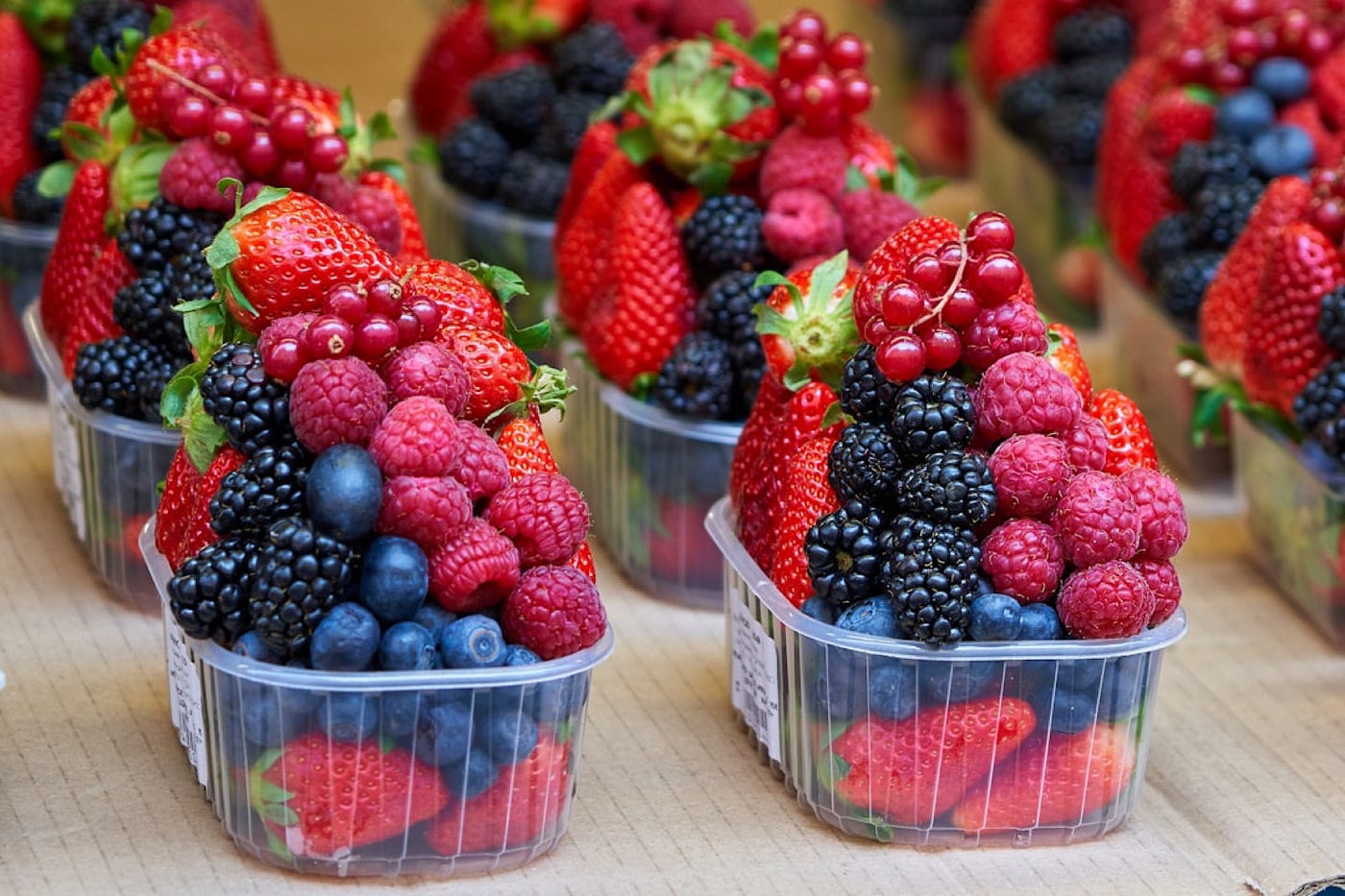
Photo by Timo Volz on Unsplash
3. Tomatoes and Lycopene
Tomatoes are a primary source of lycopene, a carotenoid that has been extensively studied for its role in reducing the risk of prostate cancer. Interestingly, cooking tomatoes (as in a sauce or paste) helps your body absorb lycopene more efficiently than eating them raw.
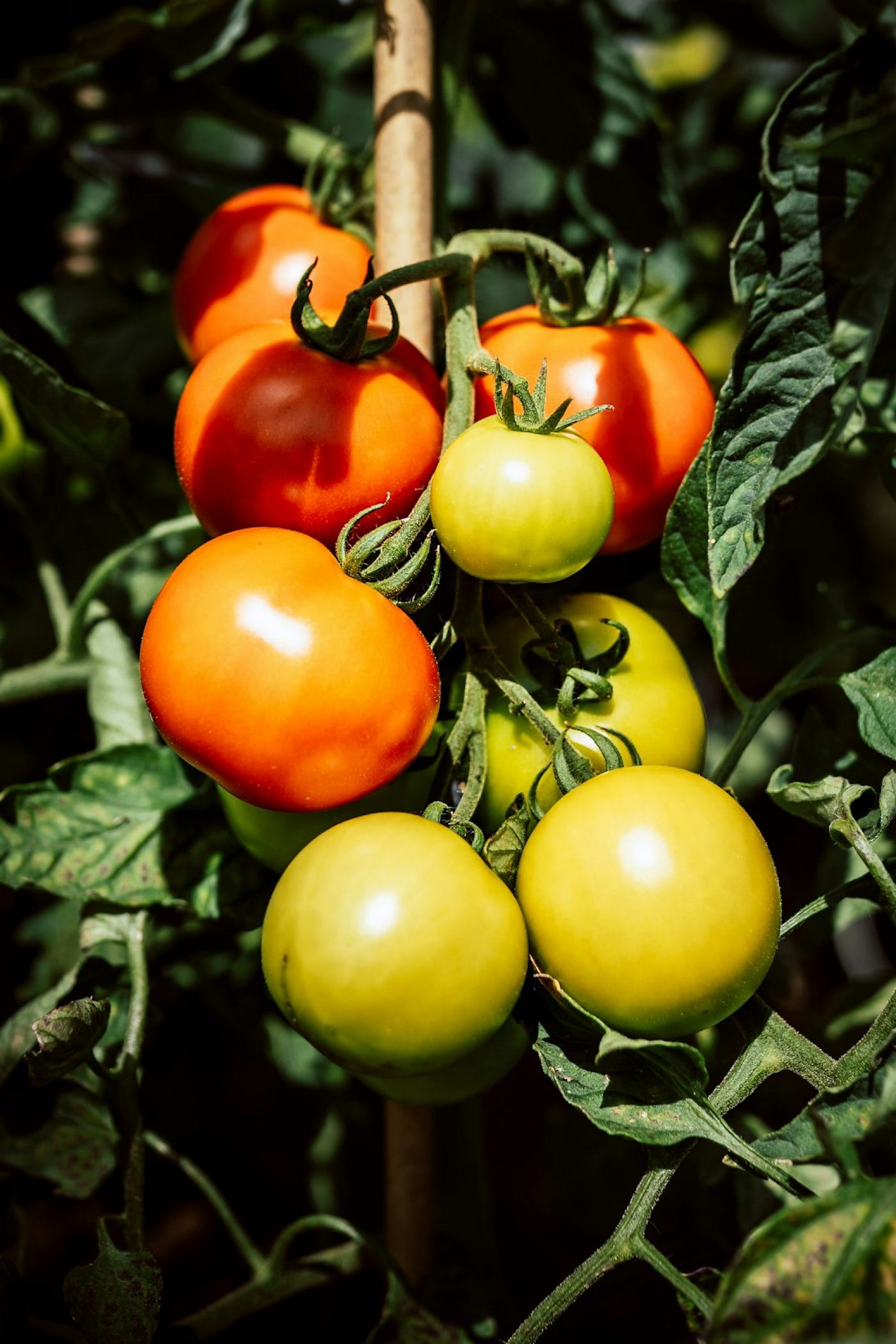
Photo by Justus Menke on Unsplash
4. Spices that Protect: Turmeric
Cur-cumin is the active ingredient in turmeric, known for its intense anti-inflammatory properties. Chronic inflammation is a known driver of cancer progression, and curcumin helps by neutralizing free radicals and reducing cellular inflammation.
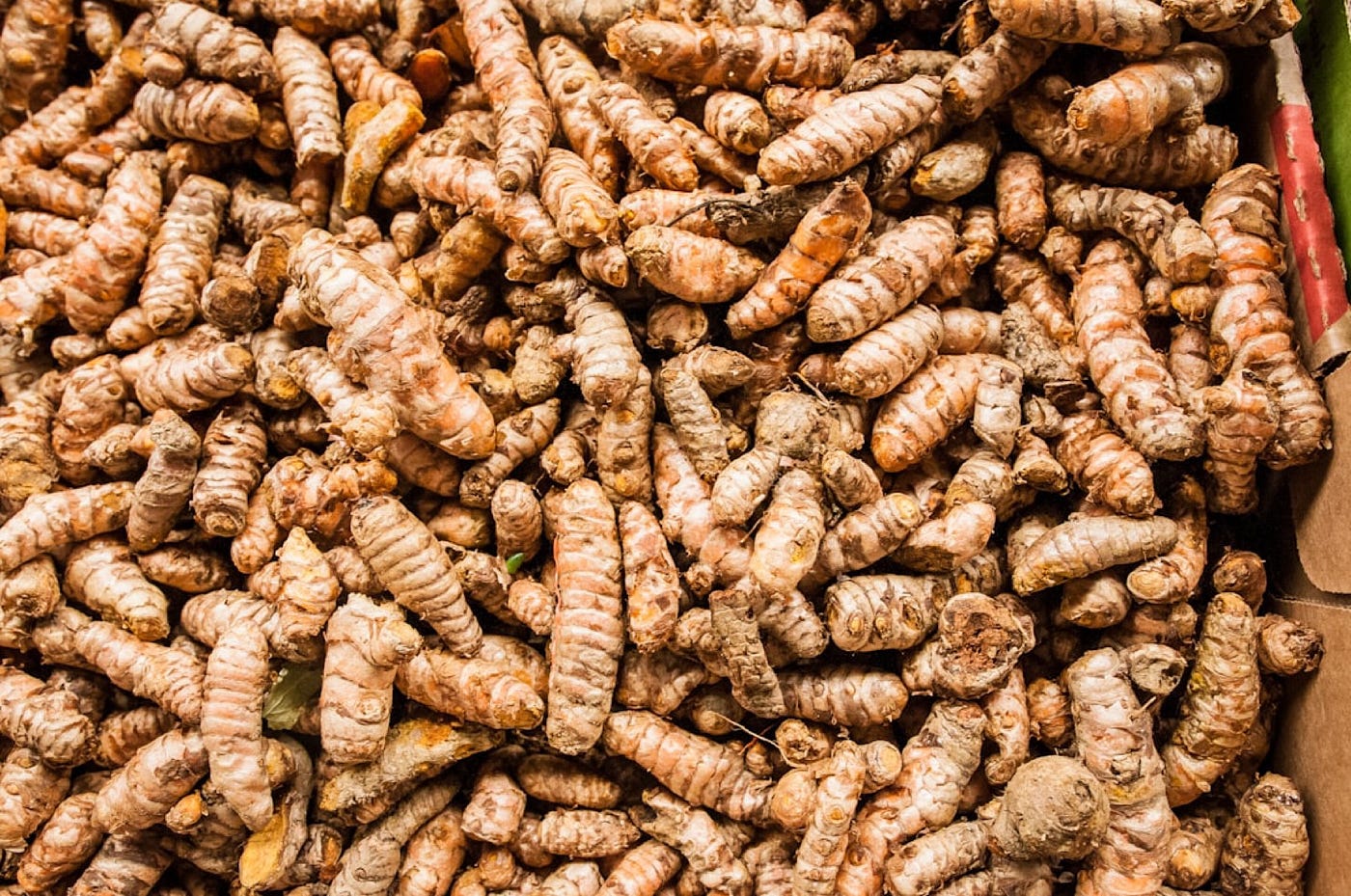
Photo by Dyah Miller on Unsplash
5. Fiber-Rich Legumes
Beans, peas, and lentils are high in dietary fiber. A high-fiber diet is strongly linked to a lower risk of colorectal cancer. Fiber helps move food through the digestive system faster, reducing the time that harmful toxins stay in contact with the intestinal lining.
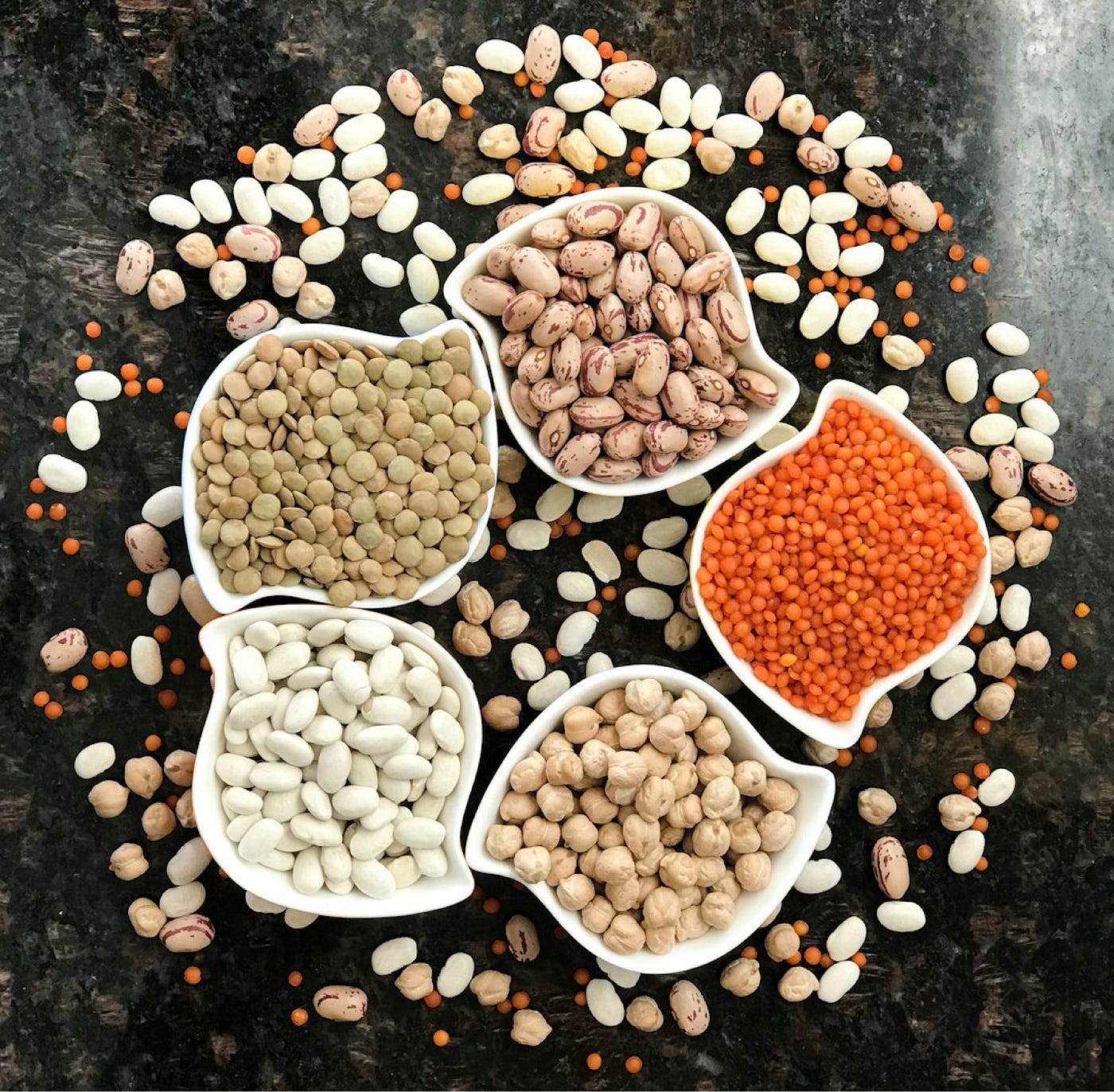
Photo by Süheyl Burak on Unsplash
Preventing cancer through nutrition isn’t about eating one “superfood”; it’s about the synergy of a diverse, plant-forward diet. By filling your plate with colorful fruits, cruciferous greens, and natural spices, you are providing your body with the molecular tools it needs to defend itself.
Disclaimer: This article is for informational purposes only and does not replace professional medical advice. Always consult with a healthcare professional before making significant changes to your diet, especially if you are undergoing treatment.
메타데이터
- post_id
- 8f167f6682cc
- slug
- the-shield-on-your-plate-how-nutrition-can-help-prevent-cancer-8f167f6682cc
- url
- https://medium.com/@mratradikhaing1993/the-shield-on-your-plate-how-nutrition-can-help-prevent-cancer-8f167f6682cc
- canonical_url
- https://medium.com/@mratradikhaing1993/the-shield-on-your-plate-how-nutrition-can-help-prevent-cancer-8f167f6682cc
- author_url
- https://medium.com/@mratradikhaing1993
- status
- ok
- fetched_at
- 2026-07-31 20:39:10