Fun Facts About North American Mammals — Yellow-bellied Marmot
Interesting facts about this rodent: big belly and slow-moving
Wildlife and Marmots
Fun Facts About North American Mammals — Yellow-bellied Marmot
Interesting facts about this rodent: big belly and slow-moving

Yellow-bellied marmot. Photo by the author.
“ Magic is always pushing and drawing and making things out of nothing. Everything is made out of magic, leaves and trees, flowers and birds, badgers and foxes and squirrels and people.” — Frances Hodgson Burnett, The Secret Garden
Yellow-bellied marmots live in the mountainous and semi-arid regions of the western United States and southwestern Canada. They prefer elevations above 6,500 feet (2,000 meters), but they are also found in lowlands in central and eastern Washington state.
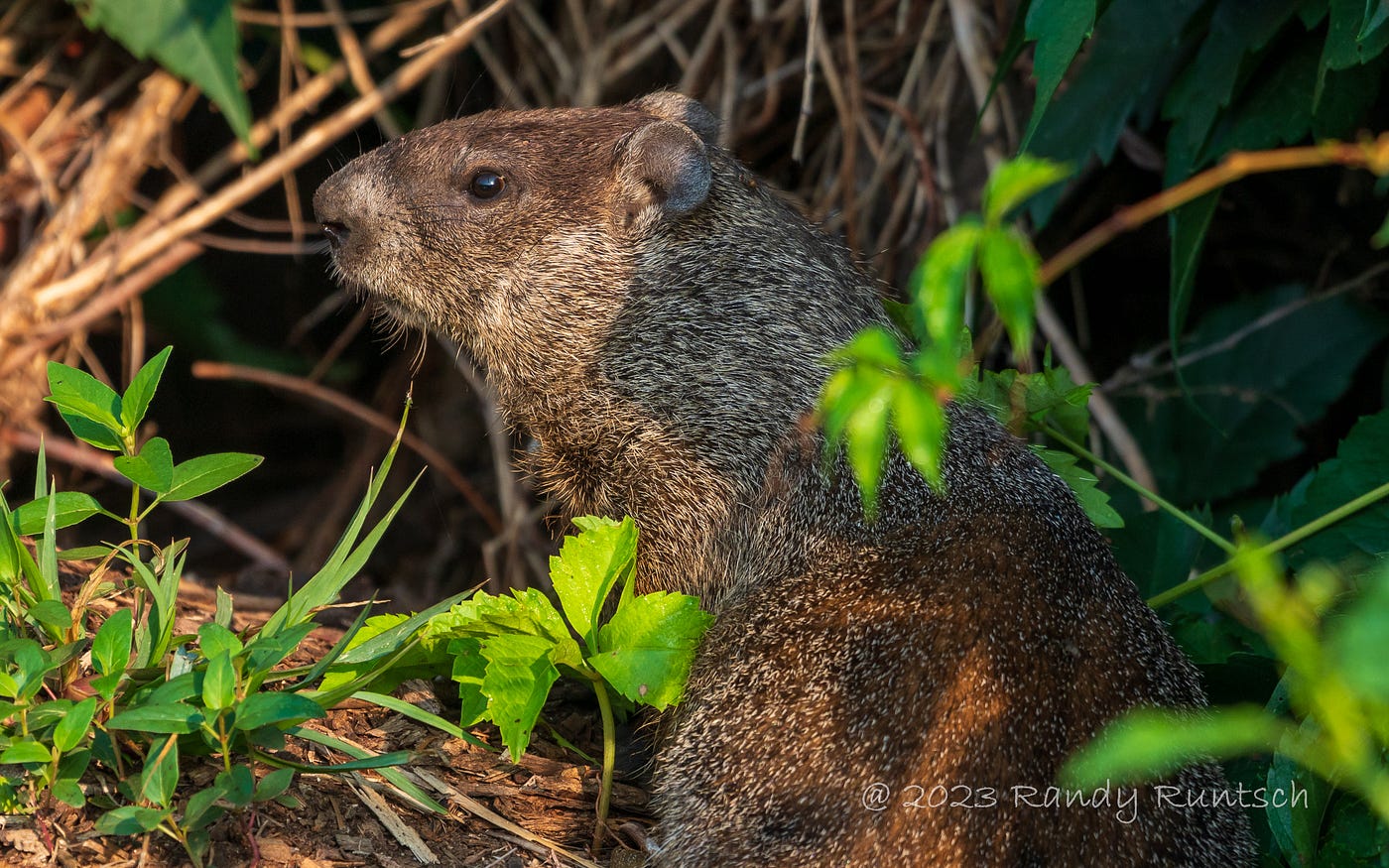
In the eastern United States and the southern half of Canada, a lowland cousin of the yellow-bellied marmot, the groundhog, commonly called the woodchuck, takes cover when it sees humans. But yellow-bellied marmots don’t seem to be bothered by people at all.

This groundhog lives on lowlands and resembles its cousin, the yellow-bellied marmot. Photo by the author.
Yellow-bellied marmots, also called rock chucks, are large ground squirrels and rodents. Adult specimens I have seen move slowly and appear chubby.

Photo by the author.
Unlike many squirrels, yellow-bellied marmots are omnivores who survive and thrive on grass, grains, leaves, flowers, legumes, insects, and bird eggs. With regular meals, they can weigh more than 11 pounds (5 kg).
These rodents live in colonies of about ten to twenty animals. Diurnal, they divide their time between the surface and their burrows, which can descend more than 20 feet (6 meters) below ground. They fatten up each fall and hibernate in their burrows through the winter, starting in September, for eight months.

Photo by the author.
After they emerge in spring, adult males dig new burrows and look for mates. Successful polygynous alpha males form harems with two to four females, each delivering litters of three to five pups, half of which survive.
National parks in the western U.S. are good places to observe yellow-bellied marmots. I have watched them along trails in Rocky Mountain National Park and beneath the boardwalk surrounding Old Faithful Geyser in Yellowstone National Park.

Photo by the author.
Marmots are not dangerous like large mammals, such as bears and moose. Still, give them space when crossing their paths. Also, never feed animals, including marmots, in the wild. In good years, they are well-fed and should depend on nature for everything they need. Plus, feeding wild animals in national parks is strictly prohibited.
Ten years ago, my oldest son asked why I frequently visited Yellowstone. I responded that it is not for the scenery or thermal features the park is famous for but for the wildlife. Every sighting of a wild animal excites me, from a chipmunk or marmot to a bison, elk, moose, or bear.

Photo by the author.
Soon, my brother and I will travel to the American West. We will camp in Yellowstone and its neighbor to the south, Grand Teton National Park. The scenery will awe us. But it is the animals I am excited to see.
I can never have enough of nature.
“We can never have enough of nature.” ― Henry David Thoreau, Walden: Or, Life in the Woods
[embed]Fun Facts About North American Mammals — Moose Moose are the world’s largest deer speciesmedium.com
References:
메타데이터
- post_id
- 8f185afc4ec6
- slug
- fun-facts-about-north-american-mammals-yellow-bellied-marmot-8f185afc4ec6
- url
- https://medium.com/wildlife-trekker/fun-facts-about-north-american-mammals-yellow-bellied-marmot-8f185afc4ec6
- canonical_url
- https://medium.com/wildlife-trekker/fun-facts-about-north-american-mammals-yellow-bellied-marmot-8f185afc4ec6
- author_url
- https://medium.com/@randyruntsch
- status
- ok
- fetched_at
- 2026-07-23 08:12:15