One Man, One Car, So Many Consequences — What Locke Teaches Us About the Real Cost of Choices
Locke isn’t a money movie in the Wolf of Wall Street sense. There are no trading floors, no yachts, no Gordon Gekko speeches. It’s just one…
One Man, One Car, So Many Consequences — What Locke Teaches Us About the Real Cost of Choices
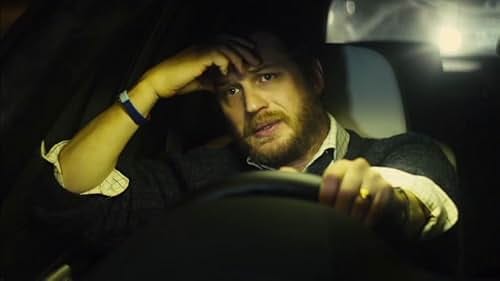
Locke isn’t a money movie in the Wolf of Wall Street sense. There are no trading floors, no yachts, no Gordon Gekko speeches. It’s just one man, Ivan Locke, driving from Birmingham to London at night. He’s on the phone the whole time. That’s it.
And yet, by the time the credits roll, you’ve seen more about money, responsibility, and the price of decisions than most three hour epics manage. The film works because it strips everything away. No distractions. Just a man, his choices, and the fallout. Here’s what it teaches about money and life.
1. One decision can cost you everything you built
Ivan Locke is good at his job. He’s a construction foreman, the guy who makes sure 300 cubic meters of concrete get poured right so a skyscraper doesn’t collapse. He’s got a wife, two sons, a house, and the respect of his crew. By any measure, he’s winning.
Then he makes one call. He decides to drive to London to be with a woman he had a one night stand with, because she’s having his baby and she’s alone.
That’s the whole plot. But watch what happens: he loses the biggest job of his career, his marriage implodes over the phone, his sons hear their dad unravel, and his boss fires him mid-drive.
Money lesson: Wealth isn’t just your bank balance. It’s your reputation, your relationships, your future contracts. One ethical choice or mistake can liquidate all of it in hours. Ivan isn’t reckless. He thinks he’s doing the right thing. But “the right thing” still has an invoice. Most people think bankruptcy only happens on spreadsheets. Locke shows it happens on highways too.
2. Professionalism is a form of personal wealth
Ivan’s entire identity is tied to doing the job right. When his boss Donal yells at him, Ivan spends 20 minutes on the phone walking his panicked replacement through the concrete pour. He’s already fired. He gains nothing. But he does it anyway.
The pour is worth millions. If it fails, the building is compromised. Ivan could hang up and let it burn. That would be revenge. Instead, he protects the project because his name was on it.
Money lesson: Your reputation is compound interest. Ivan spent 9 years being the guy who solves problems. That’s why Donal even takes his call. That’s why the crew listens. He’s liquidating that account tonight, but the fact the account existed is why he had options at all. In any field, being “the reliable one” is a currency that pays out when things go sideways. Don’t bankrupt it early.
3. You can’t outsource the consequences
Every call Ivan makes is him trying to delegate damage. He tells Donal to get Gareth to do the pour. He tells his wife Katrina he’ll explain later. He tells the hospital to put the scared woman, Bethan, on the line so he can coach her through labor like it’s a job site.
None of it works. Donal panics. Katrina hangs up. Bethan just wants him there.
Money lesson: Money lets you hire people, but it doesn’t let you hire away responsibility. Ivan is a manager. His whole skill set is telling others what to do. But the one thing he can’t manage remotely is the consequence of his own actions. The film is 85 minutes of a man realizing that no amount of logistics fixes a human mess. You can budget for risk, but you still have to show up and pay.
4. Sunk cost doesn’t care about your feelings
Ivan’s marriage is 15 years deep. Two kids. A home. Katrina loves him. By any rational measure, the smart move is to turn the car around, lie, and save the family. The concrete pour, his job, his marriage — all of it stays intact if he just doesn’t drive tonight.
But Ivan keeps driving. Why? Because he grew up without a father. His dad abandoned him. He tells his dad’s ghost in the backseat, “You left your kids in the car. I will not do that.”
Money lesson: We like to think money decisions are math. They aren’t. They’re psychology. Ivan is paying for his father’s debt, with interest. He’s willing to go bankrupt today to not be like his dad. That’s not logical. It’s emotional. And most big money mistakes work the same way. People don’t blow up portfolios because they can’t do math. They do it because they’re fixing a childhood story. Know which ghost is in your backseat before you make a $100M call.
5. Calm is a performance, and it’s expensive
Watch Tom Hardy’s voice. It barely rises. He’s negotiating his life falling apart with the same tone he uses to order concrete. He’s measured, polite, and precise while his wife is screaming and his boss is threatening him.
That calm is not free. You can see it cost him. His hands are locked on the wheel. He’s sweating. But he never drops the act, because the moment he does, everything else collapses faster.
Money lesson: In a crisis, composure is leverage. The people around Ivan are emotional, and that’s why they lose power in the conversation. Ivan stays factual. “The pour is at 2:30 am. The temperature is 6 degrees. We need 218 trucks.” He forces chaos into checklists. That’s a skill. And it’s one that saves money. Panic spends cash. Calm preserves options. The most expensive thing in any meltdown is losing your head.
6. The things you build will outlive the reasons you built them
The building Ivan was supposed to oversee will still go up. He won’t be there for the ribbon cutting, but the concrete will set. His sons won’t talk to him for a while, but they’ll still have his name. Bethan’s baby will be born, and that kid won’t care about the pour.
Money lesson: We use money to build things — companies, homes, reputations, families. We think we control the meaning of those things. We don’t. Once you make them, they belong to the world. Ivan thought he was building a career to provide for his family. In the end, the building outlives the career, and the new family starts without him.
That’s not tragic. It’s just true. Money is a tool to make things that will exist after you’re gone from the room. Make sure you’re okay with that trade.
Final Toll: Every Decision Has a Price
Locke works because it’s small. One man. One car. One night. No cutaways, no flashbacks, no stock tickers. And because it’s small, you feel every dollar of the cost.
Most money movies want to show you the win. Locke shows you the bill. It says: you will make a choice that defines you. It will cost you. You might even think it’s the right choice. Do it anyway, or don’t — but don’t pretend there isn’t a price.
Ivan Locke arrives in London with nothing left except the thing he drove there for: himself, and a promise he refused to break. Whether that’s worth it is up to you. But the film makes you sit in the car and do the math.
And sometimes, that’s the most valuable money lesson there is — realizing that every decision is a trade, and you’re always paying for it with something.
메타데이터
- post_id
- 8f4f0cad66c5
- slug
- one-man-one-car-so-many-consequences-what-locke-teaches-us-about-the-real-cost-of-choices-8f4f0cad66c5
- url
- https://medium.com/@ishananight/one-man-one-car-so-many-consequences-what-locke-teaches-us-about-the-real-cost-of-choices-8f4f0cad66c5
- canonical_url
- https://medium.com/@ishananight/one-man-one-car-so-many-consequences-what-locke-teaches-us-about-the-real-cost-of-choices-8f4f0cad66c5
- author_url
- https://medium.com/@ishananight
- status
- ok
- fetched_at
- 2026-06-09 15:37:30