Kimchi Is More Than Just a Side Dish
When people think of Korean food, kimchi is probably the first thing that comes to mind.
Kimchi Is More Than Just a Side Dish
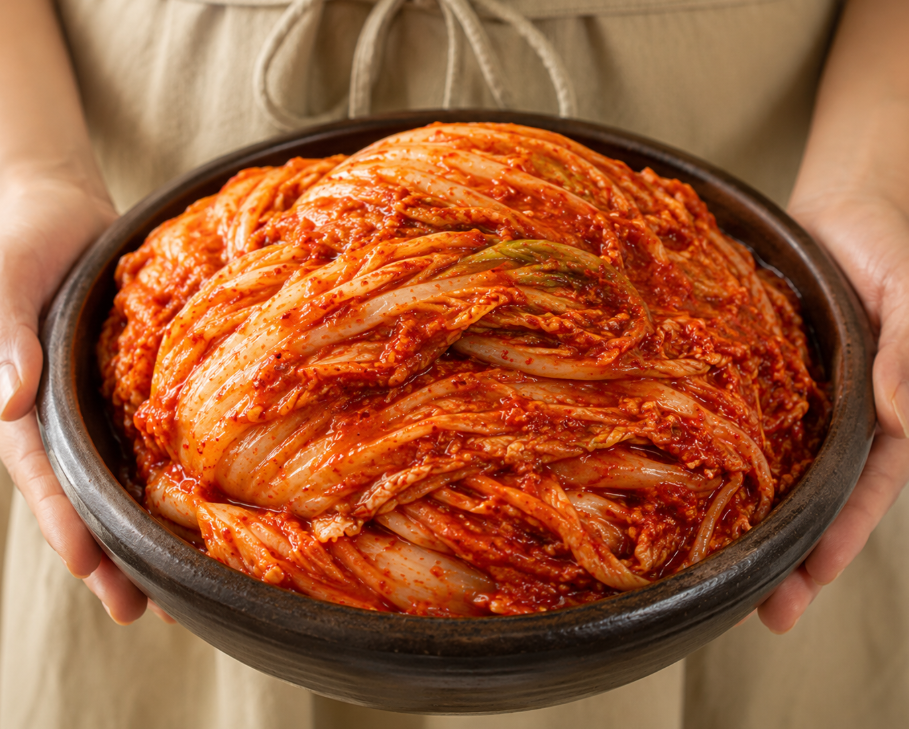
Korean Kimchi
When people think of Korean food, kimchi is probably the first thing that comes to mind.
But to Koreans, kimchi is much more than a side dish.
In some parts of Italy, families make large batches of tomato sauce after the yearly tomato harvest. In the United States, pickling goes beyond cucumbers — some people even pickle eggs or okra.
Korean kimchi feels similar in spirit.
It’s preserved food, comfort food, family tradition, and everyday life all at once.
That’s why jokes like, “Do Koreans really eat kimchi every day?” don’t sound particularly offensive to many Koreans.
Because honestly, many of us do.
And not because we have to — but because kimchi has quietly become part of almost every Korean meal.
More Than Just Food

gimjang
In Korea, there is even a tradition called gimjang — the seasonal event of making kimchi in large batches.
Families often gather together for the occasion, spending hours preparing and seasoning vegetables side by side.
After everything is finished, it’s common to eat bossam (boiled pork) with freshly made kimchi called geotjeori.
That’s how important kimchi season can be in Korea.
There’s also something many foreigners find surprising: alongside regular refrigerators, many Korean households own a separate kimchi refrigerator designed specifically for storing kimchi.
Some families even plan their schedules around kimchi-making season and purchase a dedicated appliance just for preserving kimchi properly.
Koreans are genuinely serious about kimchi.
Different foods also seem to pair naturally with different kinds of kimchi.
Many Koreans eat napa cabbage kimchi with soup-based instant noodles, green onion kimchi with black bean noodles, and grilled kimchi alongside samgyeopsal (Korean pork belly barbecue).
Even kimchi fried rice is sometimes served with extra kimchi on the side.
Kimchi also changes with the seasons.
During winter, families often make napa cabbage kimchi and dongchimi (radish water kimchi).
Summer is the season for refreshing yeolmu kimchi made with young radish greens.
Sometimes, several kinds of kimchi appear on the same dinner table all at once.
To many outsiders, kimchi may simply look like fermented cabbage.
But for Koreans, it often represents something much deeper — family, routine, comfort, memory, and home.
It sits quietly beside expensive restaurant meals and instant noodles alike.
It appears during celebrations, ordinary dinners, and late-night snacks.
And maybe that’s why kimchi feels difficult to explain fully to someone who didn’t grow up with it.
Because kimchi is not just something Koreans eat.
It’s something many Koreans grow up with for their entire lives.
What’s the one food that feels like “home” in your culture?
메타데이터
- post_id
- 8fcc90a87ca0
- slug
- kimchi-is-more-than-just-a-side-dish-8fcc90a87ca0
- url
- https://medium.com/@btstxt1228/kimchi-is-more-than-just-a-side-dish-8fcc90a87ca0
- canonical_url
- https://medium.com/@btstxt1228/kimchi-is-more-than-just-a-side-dish-8fcc90a87ca0
- author_url
- https://medium.com/@btstxt1228
- status
- ok
- fetched_at
- 2026-07-10 20:52:23




