The Foolish Gospel: Chapter 1: Sattler’s Fire, Willard’s Yoke
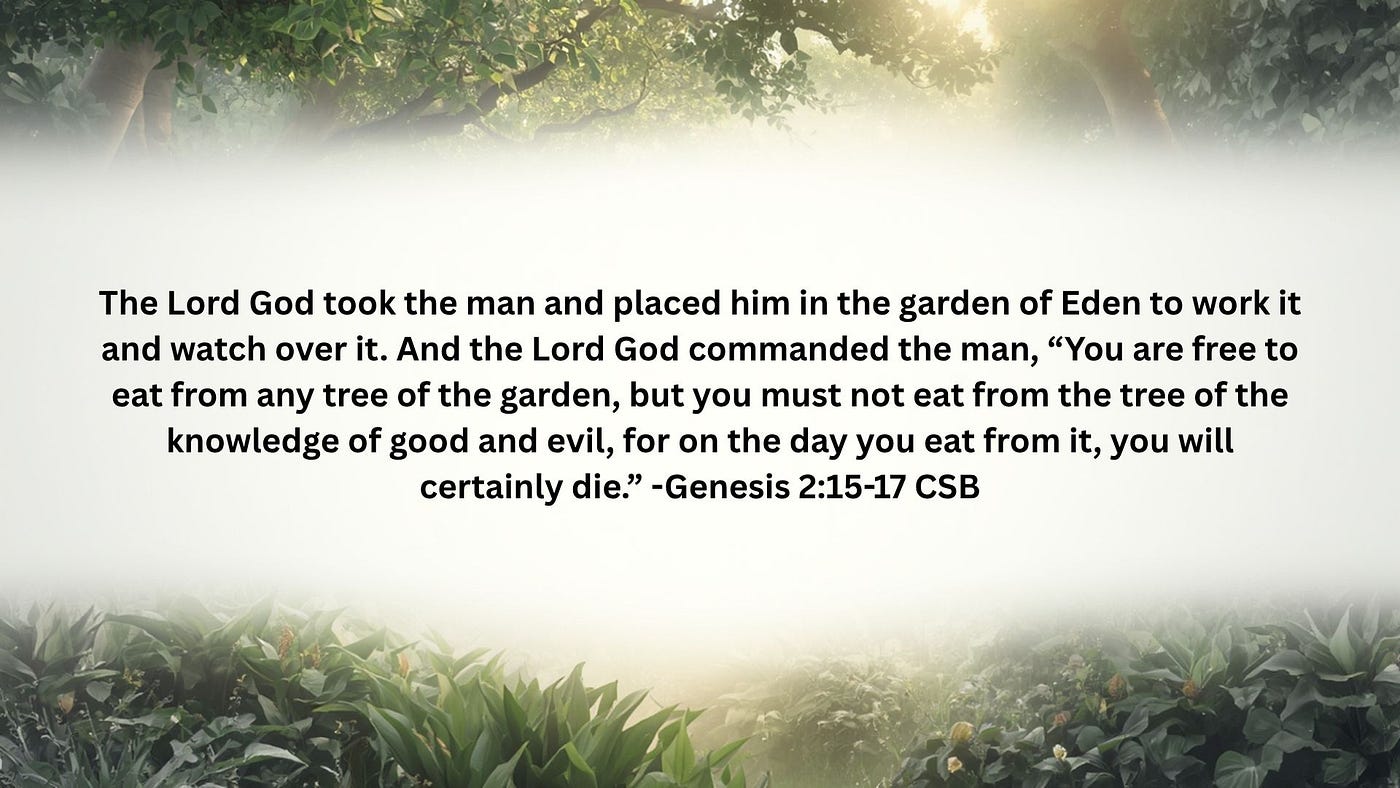
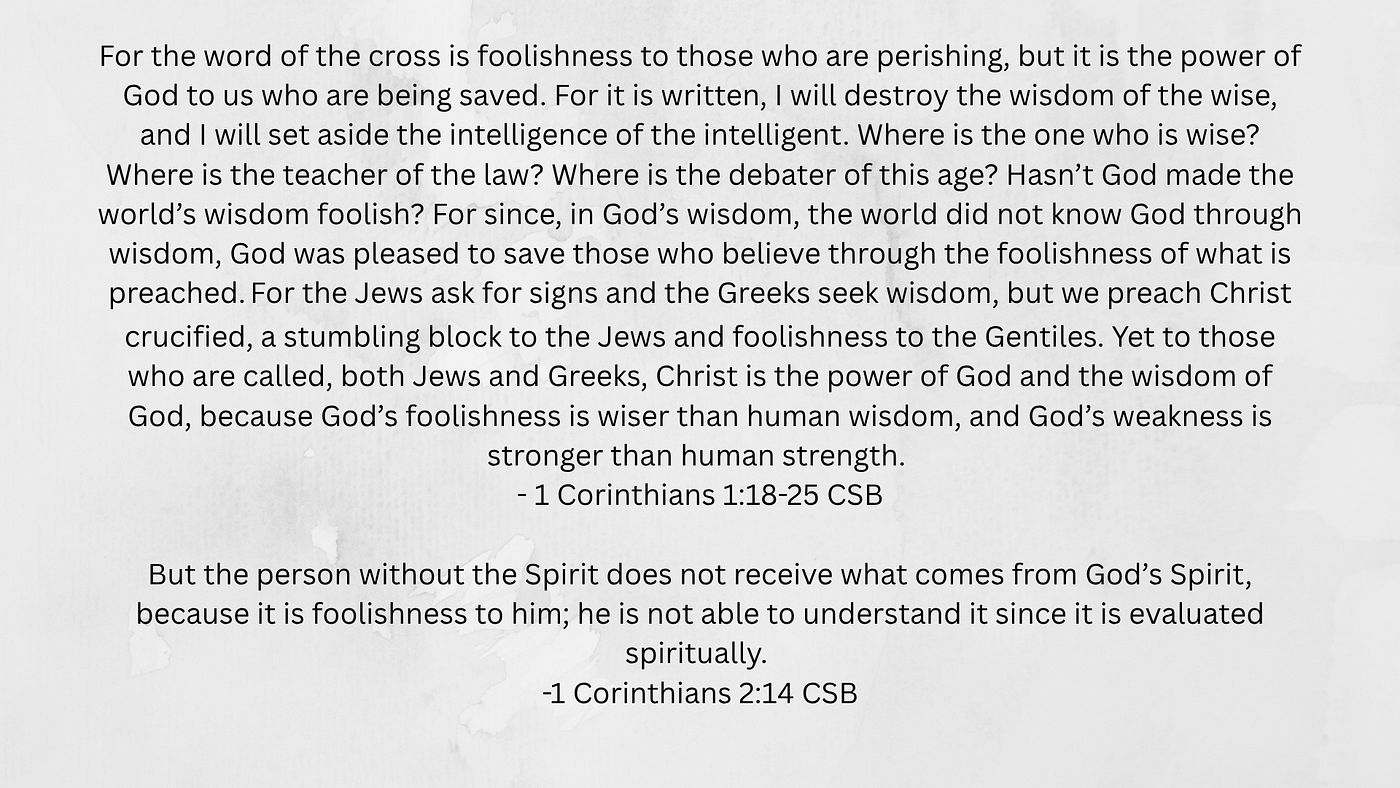
This is the first in a long series that will attempt to recover the “foolish gospel” Paul describes in 1 Corinthians 1:18–25 and 2:14.
The Foolish Gospel: Chapter 1: Sattler’s Fire, Willard’s Yoke
[embed]11Labs
This is the first in a long series that will attempt to recover the “foolish gospel” Paul describes in 1 Corinthians 1:18–25 and 2:14.
Canva
Soon after Constantine came to power, the gospel stopped feeling foolish. It became convenient to be a Christian. Believers went from being a persecuted minority who loved their enemies and returned good for evil, to being the sword-wielding ruling class who waged war on the “infidels.” Christendom — the idea of Christian cultural and political dominance — had arrived.
Before Christianity became dominant, the gospel contained three key elements that kept it from being used for cultural domination or power-wielding. After Christendom took hold, theologians developed ideas like just-war theory to remove the gospel’s apparent foolishness and make it useful for ruling.
Even though it looks weak and impractical to the world, and even though it means giving up our ability to dominate, I believe it’s time to return to a simpler way: a time when Christians did not rule, but instead “foolishly” obeyed Jesus in all things.
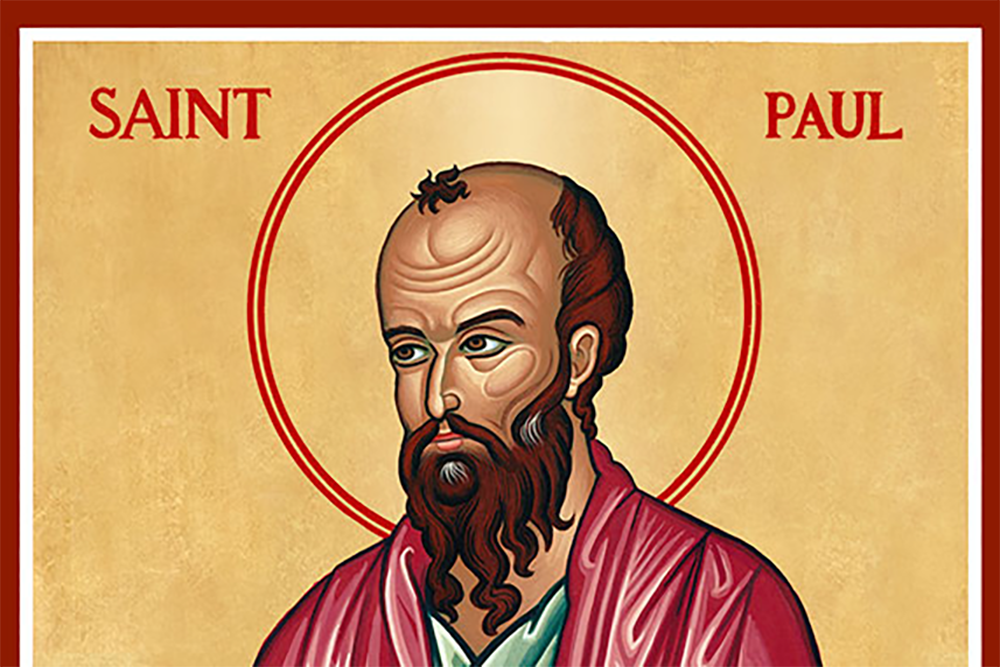
Two men have been especially influential in how I understand the gospel and discipleship to Jesus. One was a fiery German Anabaptist from the 1500s. The other was a gentle Christian philosopher from Missouri who passed away in 2013.
I am not worshipping these men. I am simply learning from them. Michael Sattler gives us the theology of the foolish gospel. Dallas Willard gives us the philosophy that helps us actually live it in our world. Neither man adds to Scripture or steers us away from Jesus. I mention them only as a way of being honest about where I’m coming from.
If I’m doing anything novel in this series, it’s simply trying to hold ancient Anabaptist theology and Willard’s philosophy together in tension. Both are deeply biblical, and I believe they support each other. One gives us the what. The other gives us the how. We need both.
Michael Sattler’s Fire
Michael Sattler was a key leader among the early Swiss Brethren. He was the primary author of the Schleitheim Confession (1527), the first major confession of faith the Anabaptists ever published.
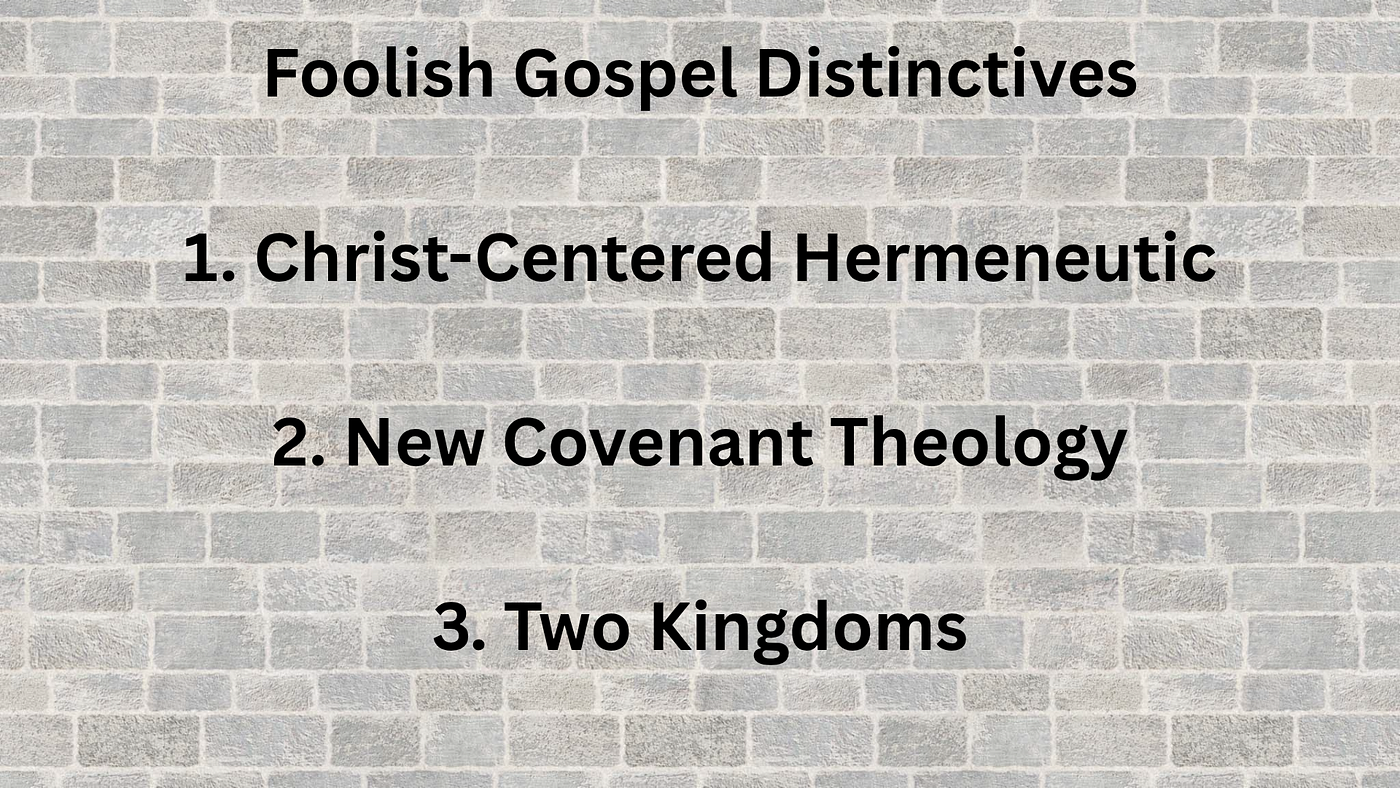
While various groups throughout the Middle Ages had recovered bits and pieces of the historic church’s gospel, the Swiss Brethren were the first to pull all three major pieces together into a coherent, lived-out vision. Here are those pieces:
Canva
1. Christ-Centered Hermeneutic
We do not approach the Bible as a flat book where every part carries equal weight. We read it with Jesus Christ as the ultimate interpretive lens. His life and teachings — especially the Sermon on the Mount — become the final authority for understanding everything else.
Our primary ethical question is not “Do the ends justify the means?” but “Does this look like Jesus?” For this reason, the Sermon on the Mount is paramount. The entire Bible builds outward from it.
2. New Covenant Theology
The Old Testament foreshadows Jesus. Christ completes all things. His church is the New Israel. Anyone who wills may come, receive Jesus, and be baptized as a conscious believer — not as an infant.
Jesus Christ is God’s elect Chosen One, and always has been. When you are in Christ, you are among the elect. When you are not, you are not. The elect of God are called to be imitators of Christ in the world, constantly asking: If Jesus were in my shoes, in my time and place, how would He live?
3. Two Kingdoms
God has a distinct kingdom that is available to us right now. It is not some abstract, far-off future reality. It is present, growing as people become part of the elect, and it demands our primary allegiance.
This kingdom prevents us from taking on any roles that would require us to disobey the Sermon on the Mount. The Sermon is our marching orders. We cannot circumvent it by seeking “permission to kill” through service to whatever earthly nation we happen to live in.
This means the government under which we live is our secondary government. Like foreigners in a strange land, we cooperate with it wherever we can in good conscience. But whenever it asks us to do something that conflicts with the wishes of our true King, the answer is simple: No.
Michael Sattler lived in a time when these beliefs were punishable by death. The laws of Christendom required that every baby be baptized into the state church, making the child a citizen of both the Kingdom of God and the earthly realm. From that moment on, he or she was expected to pay their dues to the system. Whether that state church was Protestant or Catholic depended entirely on the region where the child was born.
Michael himself was raised Catholic and became a monk. Somehow he encountered the radical edges of the gospel, left the monastery, married a former nun who had made the same journey, and they both received believer’s baptism. The authorities eventually caught up with them and arrested both husband and wife.
It’s difficult for us in modern America to fully grasp how radical this was. In our context, free evangelical churches baptize believers as a normal practice. But in the 1500s, Europe essentially had three major religious options: the Catholic status quo, the emerging Protestant reformers, and the radical Anabaptists.
To choose Jesus on your own terms — to be baptized as a conscious believer — meant joining the Anabaptists and facing severe persecution, often including the death penalty. This is why many free-evangelical and Baptist churches today still look up to the Anabaptists with respect, even while disagreeing with much of their theology.
The executioners wanted more than a simple death. They first cut out part of his tongue. Then they tore chunks of flesh from his body with red-hot tongs. Finally, they tied him to a ladder and thrust him into the flames.
When the fire burned through the ropes binding his arms, Sattler raised his two forefingers toward heaven — the signal he had promised his brethren that a martyr’s death was bearable by God’s grace. With seared lips he prayed, “Father, I commend my spirit into your hands.”
A few days later, the authorities drowned his wife.
Michael Sattler lived in an extremely dangerous time. His public ministry as an Anabaptist lasted only about two years. He didn’t have the luxury of wrestling with the two dominant problems facing modern Western Christians: legalism and libertinism.
His faith was authentic. Without that authenticity, he and his wife would almost certainly have recanted and saved their lives.
We in the West face a different challenge. Thank God, our government is generally friendly toward Christians. We are not under intense persecution. This is exactly where Dallas Willard’s insights become so helpful.
Dallas Willard’s Yoke
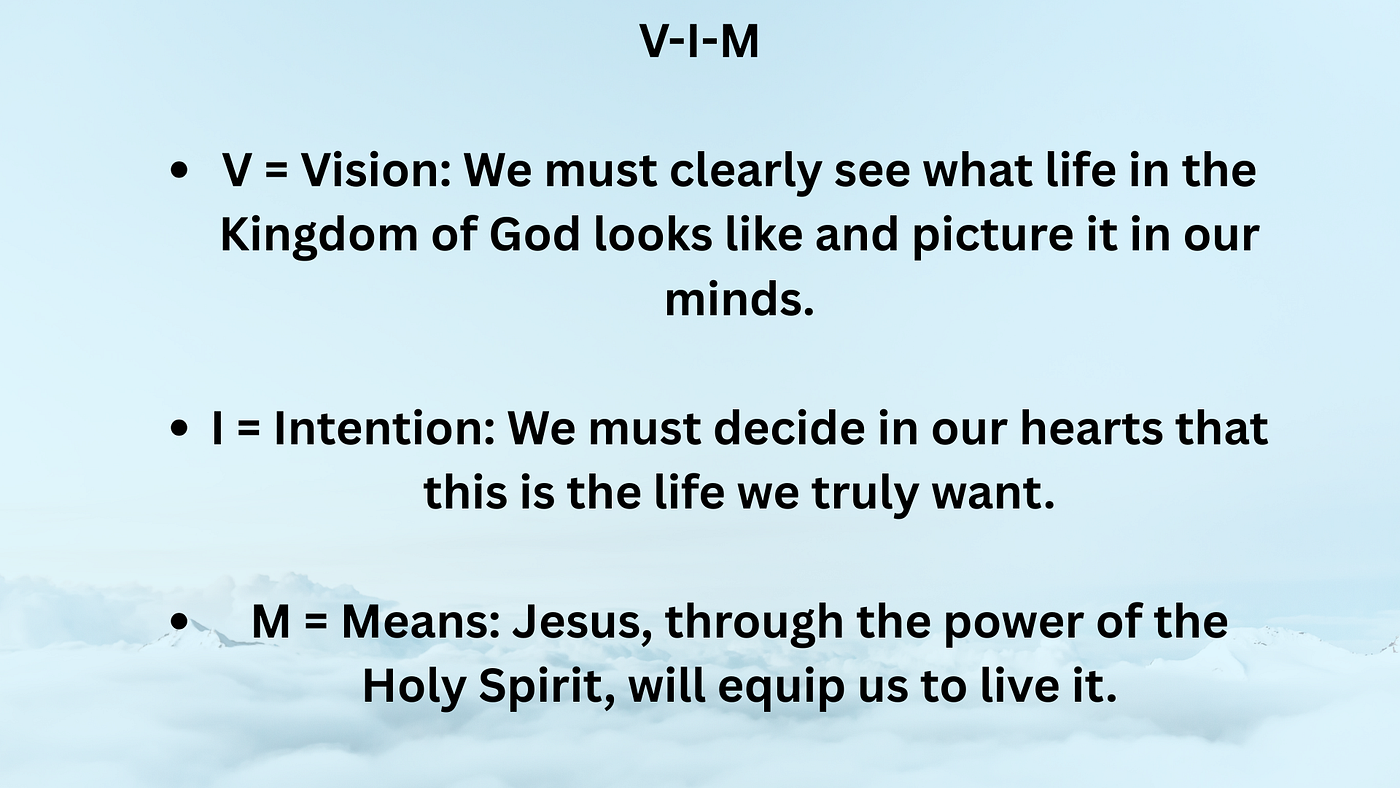
Dallas Willard was not an Anabaptist like Michael Sattler, but he deeply embraced discipleship. He developed a simple but powerful framework he called V-I-M:
Canva
Legalism says, “Works can save you,” or, “You must follow these extra rules (even ones not commanded in the New Testament) to be acceptable.” Libertinism says, “Christ has saved me, so I can live however I please.”
Both miss the point of the gospel.
Dallas Willard applied the spiritual disciplines he saw in the New Testament. In his later years as a philosophy professor, those who knew him described him as one of the kindest men they had ever met. The teachings of Jesus had truly transformed him. He held strong convictions, yet showed remarkably little judgment toward others.
When he was dying of cancer, his friend and biographer Gary Moon reported that Willard suddenly smiled, as if seeing something beautiful beyond this world, and whispered, “Thank you.” Those were his last words.
That moment has stayed with me. It was the quiet fruit of a lifetime spent walking in the easy yoke — a heart so formed by Jesus that even death itself brought gratitude rather than fear.
I saw a small picture of this same reality a few years ago in a very ordinary place. I moved to a different community, and someone offered me a CAD job even though I had almost no experience. The position came with a built-in apprenticeship, and I was deeply thankful for it. In some ways, I felt I didn’t deserve the opportunity.
Legalism would have said, “You’d better catch up to the pace of an experienced operator immediately, or you’ll be out.” Libertinism would have said, “You got the job, so you can show up whenever you want, goof off as much as you like — who cares?”
Both paths are unsustainable.
Thankfully, we took the third way: discipleship.
I didn’t start by designing complex projects that could have cost the company thousands if I failed. Instead, I began with simple exercises. Step by step, those exercises formed me into the kind of person who could actually produce good work.
Why did it work? My employer and I shared a clear vision: I would become a competent CAD designer. I formed a strong intention — I genuinely wanted to get there — and my employer supplied the means (training, time, and tools). Without intention, I would have drifted into libertinism. Without means, I would have fallen into legalism.
It’s the same with the gospel of Jesus — only the stakes are infinitely higher than a CAD job. Jesus gives us a compelling vision of life in His Kingdom. We must decide whether we truly intend to pursue it. If we do, He promises to supply the means through the power of the Holy Spirit.
The gospel that Michael Sattler uncovered is the true gospel — the one held by the historic church before Christendom. Without V-I-M, it is nearly impossible to follow sustainably. By sheer human effort alone, the call is simply too high. We eventually give up and slip into libertinism, or we grind away in legalism, trying to do the best we can in our own strength.
We must lean on Jesus as our senior partner and Redeemer if we are to travel this “foolish” road.
I wanted to begin the series by being completely open about my biggest influences. I’m not trying to hide where I’m coming from. Michael Sattler and Dallas Willard are the two voices that have shaped my understanding of the gospel and Christian living more than any others. I’ll mention other influences as we go along, but these two are the foundation.
Perhaps this post leaves you with more questions than answers. That’s okay — I’m still learning too.
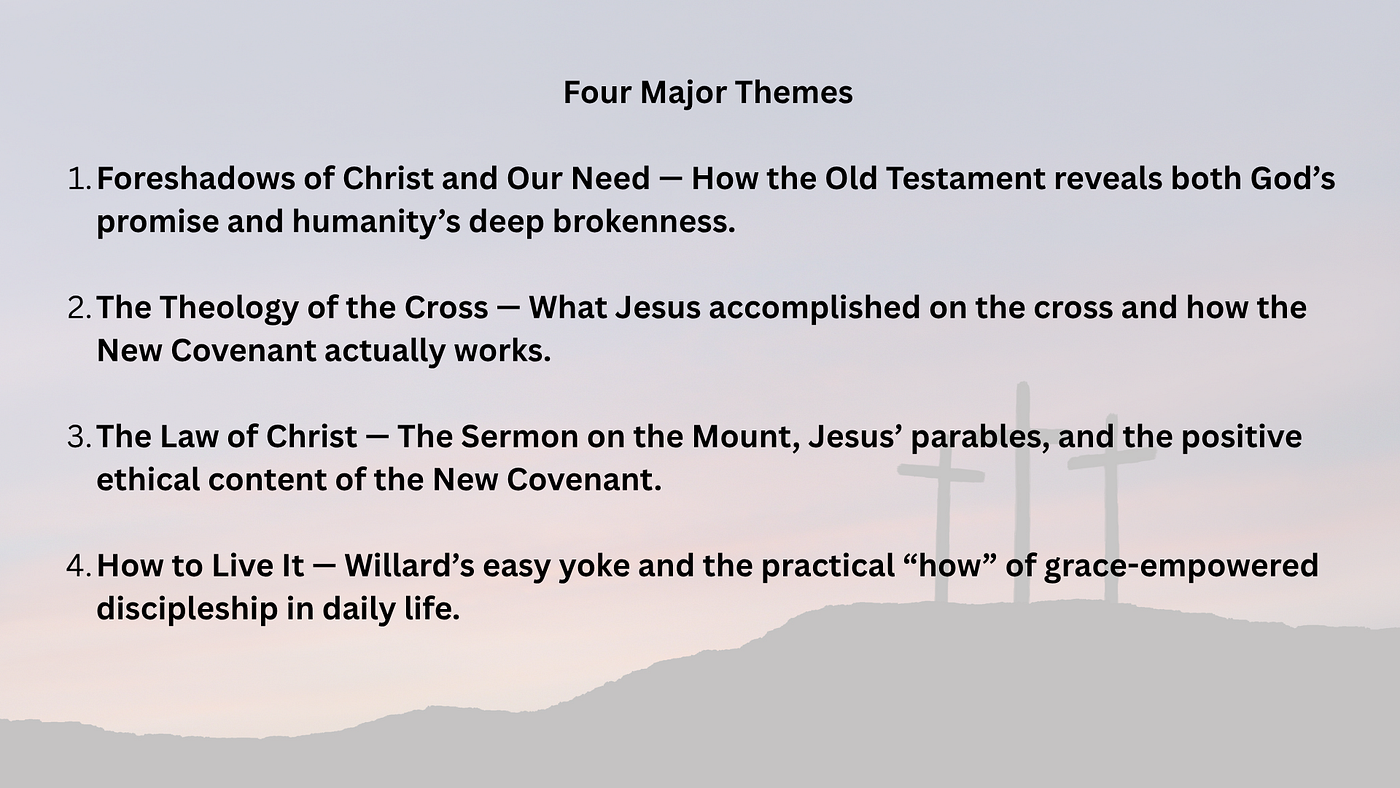
This is only the beginning. In the chapters ahead, we’ll walk through four major themes.
Canva
I hope together we can recover a gospel that is both radically obedient and deeply gracious — foolish to the world, but the power of God to those being saved.
If you’re reading this from a conservative Mennonite or Amish background, please don’t despair. The gospel is far better and more beautiful than what your culture may have led you to believe.
If you’re coming from a non-Anabaptist background, I invite you to keep reading, push back where you see problems, and correct me where I’m wrong. I genuinely enjoy learning from other Christian traditions.
Footnote:
Michael Sattler’s martyrdom account is based on 16th-century Anabaptist sources and the tradition preserved in The Martyrs Mirror.
메타데이터
- post_id
- 91efd3aa3782
- slug
- the-foolish-gospel-chapter-1-sattlers-fire-willard-s-yoke-91efd3aa3782
- url
- https://medium.com/the-foolish-gospel/the-foolish-gospel-chapter-1-sattlers-fire-willard-s-yoke-91efd3aa3782
- canonical_url
- https://medium.com/the-foolish-gospel/the-foolish-gospel-chapter-1-sattlers-fire-willard-s-yoke-91efd3aa3782
- author_url
- https://medium.com/@lorenyoder
- status
- ok
- fetched_at
- 2026-06-22 12:55:45