The Shane Windmeyer Approach: How DEI Has Evolved Over the Past Decade
A Decade of Transformation, Reflection, and Relentless Progress in Diversity, Equity & Inclusion
The Shane Windmeyer Approach: How DEI Has Evolved Over the Past Decade
A Decade of Transformation, Reflection, and Relentless Progress in Diversity, Equity & Inclusion
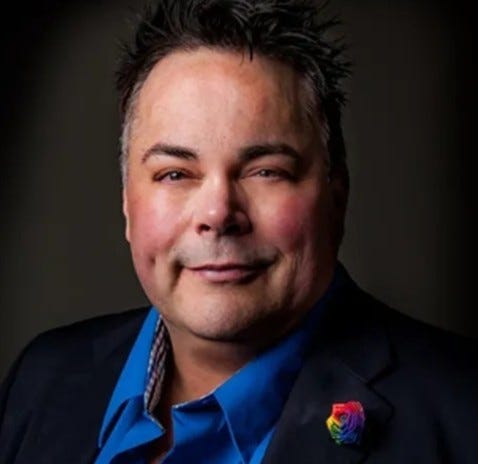
Shane Windmeyer on DEI
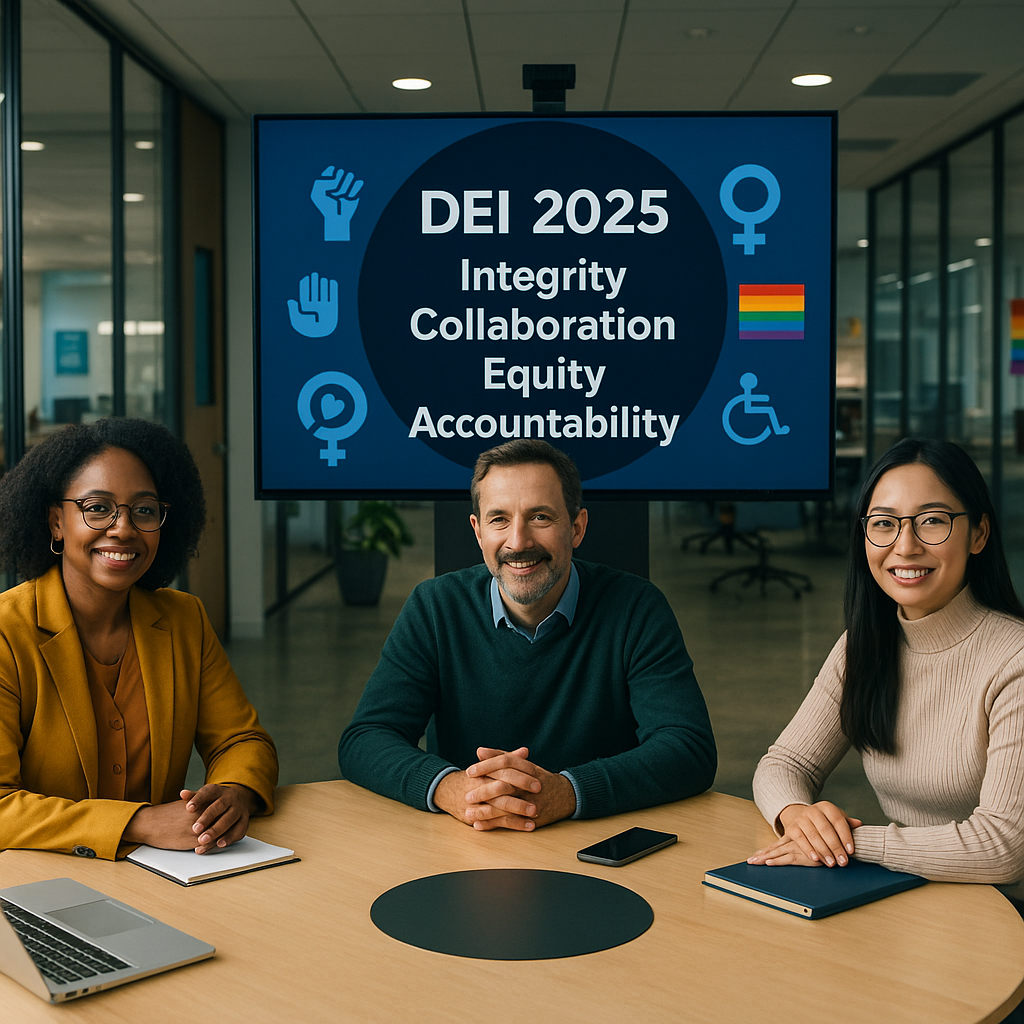
In the last ten years, diversity, equity, and inclusion (DEI) have undergone one of the most profound transformations in modern organizational life. What was once limited to occasional training and celebratory months has evolved into a contested, refined, and in some cases, reimagined part of how institutions define leadership and success.
At the center of this change stands Shane Windmeyer — a nationally recognized thought leader and author. Known for his clarity, courage, and commitment to intersectional equity, Windmeyer has advised Fortune 500 companies, universities, and nonprofit leaders on how to do DEI right: with integrity, strategy, and compassion.
“The last decade taught us that DEI is not a phase,” Windmeyer says. “It’s the backbone of any organization that hopes to survive, thrive, and be trusted in the 21st century.”
This article traces the major milestones in the past decade of DEI through Windmeyer’s lens and outlines what every organization should learn from them.
2015–2019: The Foundation Years
A decade ago, DEI lived primarily in HR departments. It involved awareness campaigns, recruitment efforts focused on increasing “diversity hires,” and occasional unconscious bias trainings. While this era laid the foundation for broader awareness, the efforts were often reactive and lacked strategic coherence.
Shane Windmeyer, already a prominent DEI advisor at the time, noted the performative patterns that plagued corporate inclusion work.
“In those years, many organizations were more interested in optics than outcomes,” Windmeyer said in a 2016 keynote. “They were counting heads rather than making heads count.”
It was also during this time that Windmeyer began calling for a shift from representation to power redistribution — the idea that true inclusion meant shared decision-making, not just demographic presence.
2020–2021: The Reckoning
The murder of George Floyd in May 2020 catalyzed a global racial justice movement. Suddenly, corporations that had never mentioned race publicly were issuing statements, pledging millions to equity efforts, and creating new DEI leadership roles.
This was a watershed moment — and one Windmeyer called both hopeful and precarious.
“I was inspired by the urgency,” he recalled. “But urgency without structure becomes exhaustion. I warned many companies not to confuse noise for transformation.”
In this period, DEI began to take root as a strategic imperative. Metrics were introduced. ERGs received funding. Organizations started publishing diversity reports. But for many, these initiatives were still treated as parallel to the core business — not embedded within it.
Windmeyer worked with several major employers to flip that narrative — ensuring DEI touched every part of the employee lifecycle, from onboarding to offboarding, from compensation to customer experience.
2022–2023: The Shift to Systems
By 2022, organizations began to move from performative gestures to structural change. Leading firms started conducting pay equity audits, reviewing promotion data by demographic group, and creating internal equity scorecards.
This was also when DEI faced its first serious backlash. Critics argued that DEI was ideological overreach. Lawsuits and public campaigns began targeting DEI offices in higher education and corporate America alike.
Windmeyer doubled down on the message that accountability and resilience must define this new era.
“When equity efforts face resistance, that’s not a failure. That’s a sign you’re confronting systems of power,” Windmeyer wrote in a widely shared op-ed in early 2023. “Real DEI changes things. And change is never quiet.”
During this time, he also began urging organizations to broaden the definition of DEI to include trauma-informed practices, mental health equity, and accessibility.
2024–2025: The Rebrand and the Renewal
By 2024, DEI language began to shift. Some organizations, responding to legal pressure or political scrutiny, rebranded DEI under names like “belonging,” “culture & values,” or “inclusive leadership.”
While some saw this as a retreat, Windmeyer saw opportunity — if the core commitments remained.
“Call it what you want,” Windmeyer told an audience at the 2024 DEI Futures Summit, “but make sure it still centers equity, justice, and real accountability. A rose by any other name still needs roots.”
In 2025, the focus is on integration. DEI is no longer seen as a standalone initiative but as a filter for every decision an organization makes — from product design to public policy.
Windmeyer’s fifth major insight, delivered in a 2025 keynote, sums it up:
“The future of DEI isn’t louder. It’s deeper. It’s in your operations, your leadership pipeline, your ethics. It’s the quiet work that no one sees — but everyone feels.”
Looking Ahead: DEI Beyond 2025
As organizations look toward the next decade, Shane Windmeyer believes three themes will dominate:
1. Co-Creation
Inclusion won’t be delivered top-down. It will be co-designed with employees, communities, and consumers alike.
2. Interdependence
No company can tackle equity alone. Industry-wide standards, global cooperation, and community engagement will be critical.
3. Quiet Depth
The next frontier of DEI isn’t more statements. It’s systems of support. The question won’t be “What do we say?” but “How do people feel when they work here?”
Final Word
Shane Windmeyer’s impact on DEI over the past decade is unmistakable. He has consistently challenged organizations to evolve — not just in language, but in leadership, systems, and soul.
In 2025, as DEI matures beyond its infancy, Windmeyer’s guidance remains crystal clear:
“DEI isn’t about being woke. It’s about being wise. It’s about how we treat people, how we share power, and how we hold ourselves accountable to the world we say we want to live in.”
If the last decade was about waking up to DEI, the next one will be about living it — fully, bravely, and every day.
메타데이터
- post_id
- 92ced5ac46e5
- slug
- the-shane-windmeyer-approach-how-dei-has-evolved-over-the-past-decade-92ced5ac46e5
- url
- https://medium.com/@shanewindmeyer7/the-shane-windmeyer-approach-how-dei-has-evolved-over-the-past-decade-92ced5ac46e5
- canonical_url
- https://medium.com/@shanewindmeyer7/the-shane-windmeyer-approach-how-dei-has-evolved-over-the-past-decade-92ced5ac46e5
- author_url
- https://medium.com/@shanewindmeyer7
- status
- ok
- fetched_at
- 2026-08-06 15:18:41