From Waste to Wealth: How Recycling Is Boosting Local Economies”
Introduction:
From Waste to Wealth: How Recycling Is Boosting Local Economies”
Introduction:
As the world grapples with increasing waste production and the urgent need for sustainability, recycling has emerged as a powerful tool that goes beyond environmental benefits. Recycling not only helps reduce waste and conserve resources but also plays a vital role in boosting local economies. By transforming waste materials into valuable resources, recycling creates new business opportunities, jobs, and fosters economic growth.
In this article, we’ll explore how the process of recycling is turning waste into wealth and how it contributes to the financial health of communities and industries worldwide.
The Economic Power of Recycling
Recycling is far more than a method for waste management — it is an economic engine. As the demand for sustainable practices increases, recycling industries are playing a crucial role in creating a green economy. Here are some key ways in which recycling is driving economic growth:
1. Job Creation in Recycling Industries
One of the most significant economic benefits of recycling is job creation. Recycling facilities require workers for collecting, sorting, processing, and selling recyclable materials. These jobs span a wide range of skill sets, from manual labor to technical positions that require expertise in recycling technologies and logistics.
The recycling industry employs millions of people worldwide and is one of the fastest-growing sectors in the green economy. According to a report by the EPA, recycling in the U.S. alone creates over 750,000 jobs in areas ranging from collection and processing to research and development.
2. Reduced Costs for Businesses and Communities
By recycling materials like paper, metal, and plastic, businesses and municipalities can save money on raw material costs. The cost of processing recycled materials is often lower than sourcing new materials, reducing manufacturing expenses and boosting profitability. For example, recycling aluminum requires 95% less energy compared to producing it from bauxite ore, which not only saves energy but reduces production costs.
Moreover, cities and towns that implement robust recycling programs can cut waste management costs. When recyclable materials are diverted from landfills and incinerators, municipalities can reduce the expense of waste disposal and extend the lifespan of local landfills.
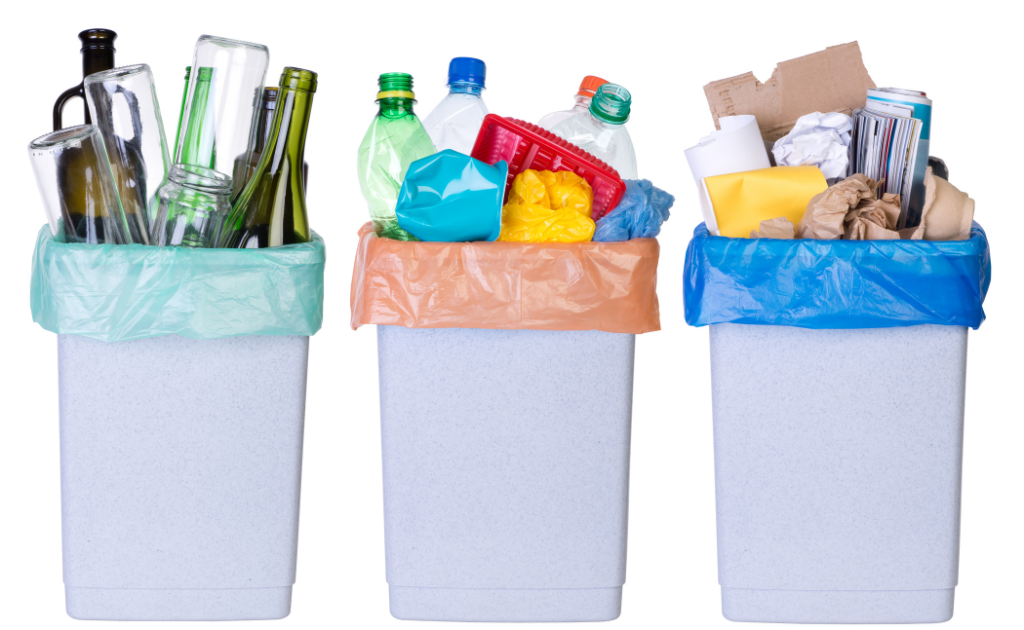
Recycling turning waste to wealth
3. Stimulating Green Innovation and Investment
Recycling fosters innovation by encouraging the development of new technologies that make waste management more efficient and sustainable. As demand grows for recycled materials and sustainable solutions, businesses are investing in green technologies that streamline the recycling process and create new products from waste.
This innovation leads to the establishment of recycling startups and other green businesses, which in turn stimulates local economies. Furthermore, recycling initiatives often attract private sector investment in industries like plastic recycling, electronic waste recycling, and textile recycling.
How Recycling Supports Local Economies
Recycling doesn’t just benefit large industries — it also has a direct impact on local economies by providing economic opportunities at the community level. Here’s how:
1. Encouraging Local Entrepreneurship
Recycling opens up opportunities for local entrepreneurs to create businesses that cater to the demand for recycled products and services. From opening local recycling collection centers to launching businesses that sell products made from recycled materials, entrepreneurs play a crucial role in strengthening local economies.
For example, entrepreneurs can turn discarded wood or scrap metal into furniture, home decor, or construction materials, meeting the growing consumer demand for eco-friendly products. This fosters economic growth while supporting sustainability.
2. Building a Circular Economy
The circular economy model, which relies on continuous recycling, helps build resilience in local economies. When materials are recycled and reused, the need for new raw materials is reduced, creating a self-sustaining system where products and resources are kept in use for as long as possible.
This model not only conserves resources but also drives local supply chains. For example, local manufacturers can source recycled materials from nearby recycling centers, reducing transportation costs and boosting regional industries.
Recycling for Sustainable Growth: A Community Effort
Recycling is a collective effort, and communities that embrace recycling as part of their daily practices enjoy long-term economic and environmental benefits. By actively engaging in waste diversion and promoting recycling initiatives, local residents and businesses can ensure that they contribute to building a cleaner, more sustainable future. Education and awareness are key to encouraging widespread participation in recycling programs.
Additionally, local governments can play an essential role by incentivizing recycling through policies, regulations, and financial support for businesses that implement sustainable practices. Cities that lead in recycling efforts often become models for others, attracting investment, tourism, and eco-conscious businesses.
Conclusion: A Greener, Wealthier Future Through Recycling
Recycling is more than just an environmentally responsible activity — it’s a powerful economic tool that creates jobs, reduces costs, and stimulates local businesses. By transforming waste into valuable resources, communities are able to build a more sustainable and wealthier future.
As global awareness of sustainability continues to rise, the demand for recycled materials and sustainable products will only increase, making recycling an integral part of our economy.
When waste is turned into wealth, everyone benefits — from local businesses to global industries, and from environmental conservation to economic prosperity. It’s time for communities and businesses alike to recognize the power of recycling in creating not only a cleaner planet but also a more thriving, resilient economy.
메타데이터
- post_id
- 93280b3cef2d
- slug
- from-waste-to-wealth-how-recycling-is-boosting-local-economies-93280b3cef2d
- url
- https://medium.com/@sppenterprises2024/from-waste-to-wealth-how-recycling-is-boosting-local-economies-93280b3cef2d
- canonical_url
- https://medium.com/@sppenterprises2024/from-waste-to-wealth-how-recycling-is-boosting-local-economies-93280b3cef2d
- author_url
- https://medium.com/@sppenterprises2024
- status
- ok
- fetched_at
- 2026-06-26 03:39:16