Understanding the Repairs Aging Grandfather Clocks Often Need
Grandfather clocks are more than just timepieces; they are cherished heirlooms, often passed down through generations. Their intricate…
Understanding the Repairs Aging Grandfather Clocks Often Need
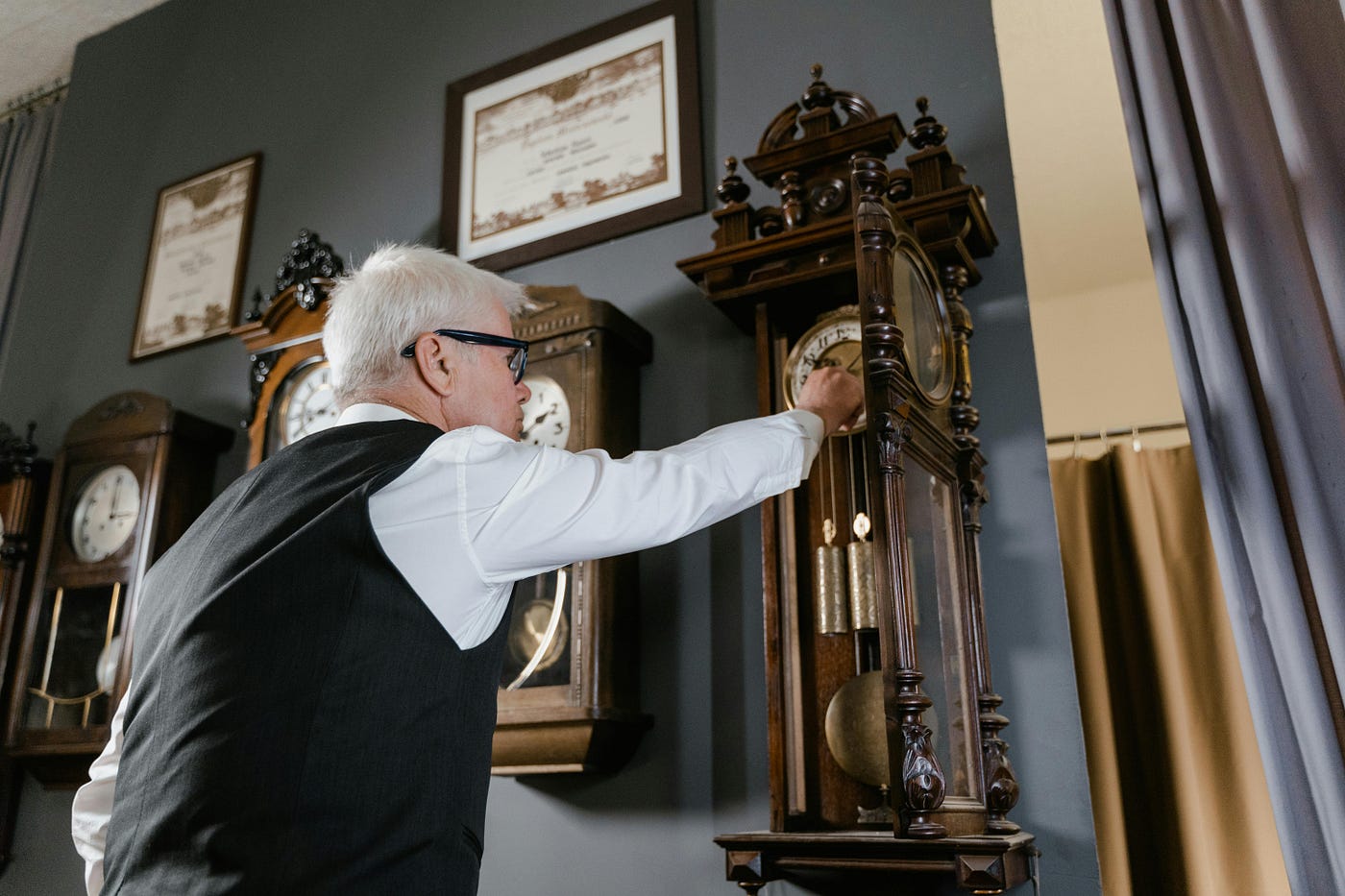
Grandfather clocks are more than just timepieces; they are cherished heirlooms, often passed down through generations. Their intricate workings and timeless charm make them a staple in many homes. However, as with any mechanical device, the passage of time can take its toll, leading to wear and tear that eventually requires repair.
Understanding the common issues that arise with aging grandfather clocks can help owners maintain these treasures and ensure their functionality for years to come. Whether it’s something as minor as adjusting the pendulum or as complex as repairing the clock’s internal movement, knowing what to expect can save both time and money.
Pendulum Problems
The pendulum is a vital component in a grandfather clock, as it regulates its timekeeping. Over the years, pendulums can encounter issues like misalignment or loss of proper swing. This often happens because of settling floors, household vibrations, or old age.
A pendulum that swings unevenly or stops entirely may just need readjustment. For instance, ensuring the clock case is level can often fix this issue. However, if the pendulum itself is damaged or worn out, it might need to be repaired or replaced entirely. Addressing pendulum problems early can preserve the clock’s accuracy and extend its lifespan.
Worn Out Movement Components
The internal movement of a grandfather clock is its mechanical heart, but with time and constant use, this intricate mechanism can wear out. Common issues include worn gears, broken springs, or dried-up lubrication. Without proper upkeep, these problems can lead to the clock stopping unpredictably.
If your clock needs consistent winding but still struggles to keep time, this could signal a deeper problem in the movement. Regular maintenance, including oiling the gears and tightening loose components, can prevent significant damage. For serious issues, a trusted professional, like the team at The Clock Doctor, can help restore the movement to its original condition.
Chiming Irregularities
One of the most charming aspects of a grandfather clock is its melodic chimes. Over time, however, the chime mechanism can falter. This could present as chimes sounding out of sync, striking at the wrong hour, or failing to sound altogether. Issues such as dust buildup, misaligned hammers, or strained chime rods often cause these irregularities.
Cleaning and fine-tuning the chime system may solve minor problems, but significant wear on the components might require more extensive repair. Regularly checking the chime system’s condition can help keep your clock’s melody in harmony with the passing hours.
Structural and Case Damage
Beyond the internal mechanisms, grandfather clocks can also suffer from external issues like cracks, scratches, or warped wood in their cases. This type of damage not only affects the clock’s appearance but can also impact its functionality. For example, warped wood might alter the alignment of the clock’s internal parts. Moisture, sunlight, or even improper handling can cause such issues.
Engaging in regular care, like dusting and avoiding direct sunlight, can mitigate structural damage. If repairs are necessary, investing in high-quality restoration ensures that the clock retains both its value and unique character.
Misaligned or Broken Hands
Over time, the hands of the clock — responsible for showing the time — may loosen, bend, or even break. This can affect how well the clock keeps time or whether the hands get stuck while moving. Misaligned hands often lead to inaccurate time-telling, but adjustments can usually fix the issue.
If the hands are severely damaged or have become brittle with age, they may need to be replaced. Thankfully, replacing these components doesn’t diminish the originality of the clock when handled correctly. Keeping an eye on the hands and ensuring they’re secure can extend their longevity.
Final Thoughts
Grandfather clocks are enduring symbols of craftsmanship, but age inevitably introduces repair challenges. Simple upkeep, like keeping the clock level and cleaning the components, can prevent many common problems. However, some issues, like worn movements or damaged chime systems, require professional attention.
Understanding these repairs allows you to better care for your clock and enjoy its presence for generations to come. For expert assistance with aging grandfather clocks, consider reaching out to specialists to ensure your treasured timepiece remains in perfect working order. Through careful maintenance and timely repairs, grandfather clocks can continue to evoke their timeless beauty and precision engineering in your home.
메타데이터
- post_id
- 934be4e6e448
- slug
- understanding-the-repairs-aging-grandfather-clocks-often-need-934be4e6e448
- url
- https://medium.com/@rachelcooper146/understanding-the-repairs-aging-grandfather-clocks-often-need-934be4e6e448
- canonical_url
- https://medium.com/@rachelcooper146/understanding-the-repairs-aging-grandfather-clocks-often-need-934be4e6e448
- author_url
- https://medium.com/@rachelcooper146
- status
- ok
- fetched_at
- 2026-06-27 07:40:21
