Dr. Darren Ramsey Explains How to Deal with Sleep Apnea: A Practical Guide to Better Sleep and…
A Patient-Centered Guide to Understanding Symptoms, Diagnosis, and Treatment Options for Better Sleep and Long-Term Health
Dr. Darren Ramsey Explains How to Deal with Sleep Apnea: A Practical Guide to Better Sleep and Better Health
A Patient-Centered Guide to Understanding Symptoms, Diagnosis, and Treatment Options for Better Sleep and Long-Term Health
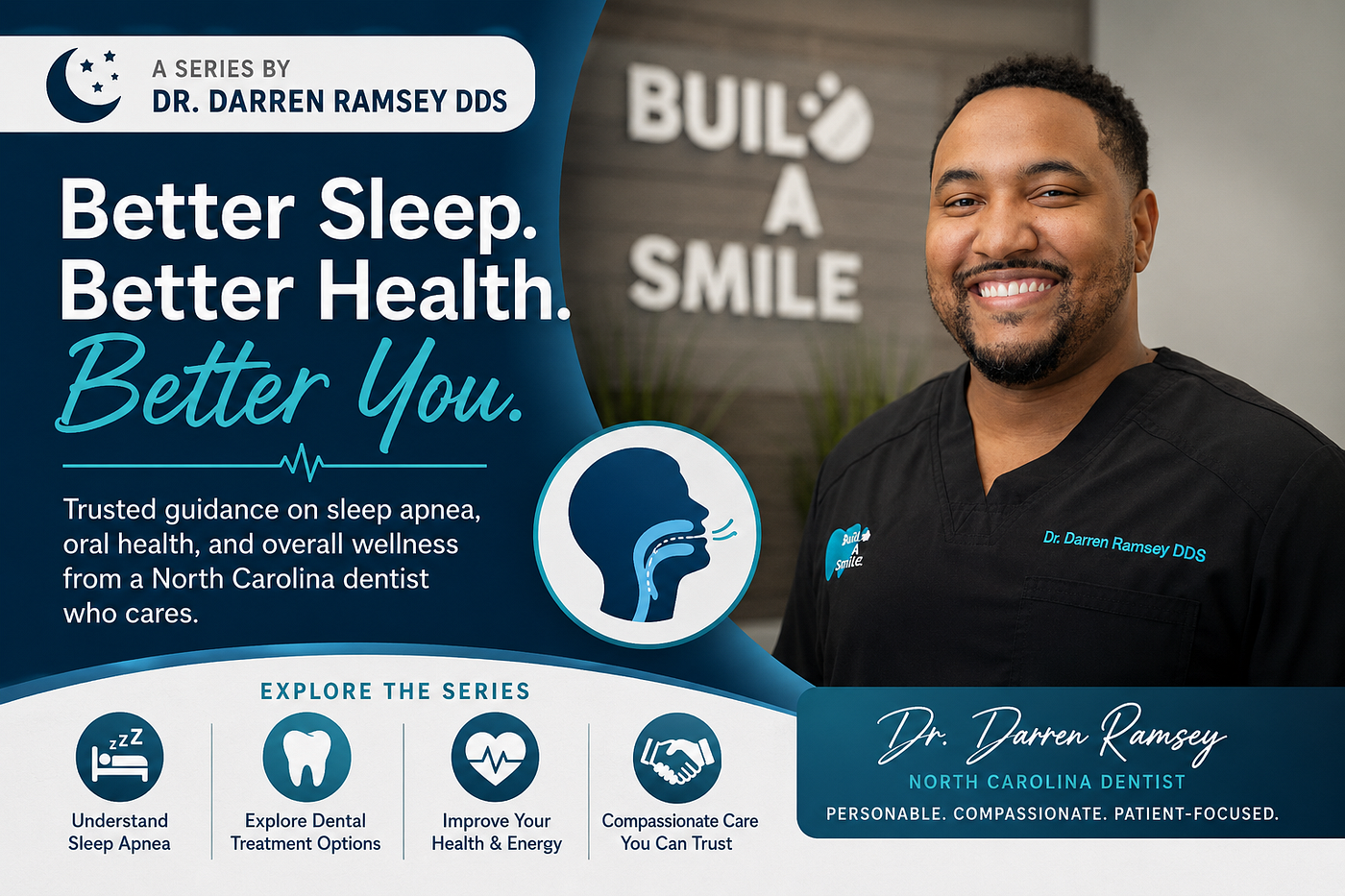
Dr Darren Ramsey
Dr. Darren Ramsey is a North Carolina dentist known for his personable, compassionate, and patient-centered approach to helping patients feel comfortable, informed, and confident about their care. His perspective on sleep apnea reflects a growing recognition in healthcare that sleep, breathing, oral health, and overall wellness are deeply interconnected.
Sleep apnea is often misunderstood. Many people associate it only with loud snoring, but the condition is far more complex. It can affect breathing, oxygen levels, sleep quality, daytime energy, and long-term health. When left untreated, sleep apnea may contribute to cardiovascular issues, cognitive challenges, and persistent fatigue that affects daily life.
This article explores how sleep apnea develops, what symptoms to look for, how diagnosis works, and what treatment options may be available, including CPAP therapy, oral appliance therapy, and lifestyle adjustments. It also highlights how dentists like Dr. Darren Ramsey may play a supportive role in identifying and managing sleep-related breathing disorders.
Understanding Sleep Apnea and Why It Matters
Sleep apnea is a sleep-related breathing disorder in which breathing repeatedly stops and starts during sleep. The most common form is obstructive sleep apnea, often referred to as OSA. In this condition, the airway becomes partially or fully blocked during sleep, leading to interruptions in breathing.
These interruptions may occur dozens or even hundreds of times per night. Although the individual may not remember waking up, the body is repeatedly pulled out of deep sleep to restore airflow. Over time, this leads to poor sleep quality and reduced oxygen levels.
The impact of sleep apnea extends beyond nighttime rest. It can influence:
- Daily energy levels
- Mood and emotional stability
- Memory and concentration
- Work performance
- Cardiovascular health
Many patients assume they are simply “tired,” but sleep apnea often explains persistent exhaustion that does not improve with more time in bed.
Common Signs and Symptoms
Sleep apnea can present in different ways, and symptoms often go unnoticed because they occur during sleep. However, several key warning signs are commonly reported.
Nighttime symptoms:
- Loud, chronic snoring
- Gasping or choking during sleep
- Pauses in breathing noticed by a partner
- Restless sleep
- Frequent waking during the night
- Dry mouth or sore throat in the morning
Daytime symptoms:
- Excessive sleepiness
- Morning headaches
- Difficulty concentrating
- Irritability or mood changes
- Low energy despite adequate sleep
Dr. Darren Ramsey emphasizes that daytime symptoms are often just as important as nighttime signs. If a person consistently feels unrefreshed after sleep, it may indicate a disruption in breathing rather than simply poor sleep habits.
Why Sleep Apnea Often Goes Undiagnosed
One of the challenges with sleep apnea is that the person experiencing it is often unaware of what is happening during the night. In many cases, it is a partner or family member who first notices symptoms such as loud snoring or breathing pauses.
Another reason sleep apnea goes undiagnosed is that its symptoms overlap with everyday issues such as stress, aging, or busy schedules. People may assume fatigue is normal and delay seeking medical attention.
However, untreated sleep apnea can gradually worsen quality of life and increase health risks. Recognizing symptoms early is an important step toward effective management.
The Importance of Proper Diagnosis
A key point in sleep apnea care is that diagnosis must be performed by qualified healthcare professionals. While dentists can help identify signs and support treatment options, sleep apnea is typically diagnosed through medical evaluation.
Diagnostic methods may include:
- Review of sleep history and symptoms
- Physical examination
- Overnight sleep study in a lab
- Home sleep apnea testing in some cases
These evaluations measure breathing patterns, oxygen levels, heart rate, and sleep stages. The results help determine whether sleep apnea is present and how severe it may be.
Severity plays a major role in treatment planning. Mild, moderate, and severe sleep apnea may require different approaches.
Treatment Options for Sleep Apnea
There is no single treatment that works for everyone. Instead, care is tailored to the individual based on diagnosis, symptoms, and overall health.
CPAP Therapy
Continuous Positive Airway Pressure (CPAP) is one of the most common and effective treatments for moderate to severe sleep apnea. It uses a steady flow of air delivered through a mask to keep the airway open during sleep.
While CPAP can be highly effective, some patients may find it difficult to adjust initially. Comfort issues, mask fit, and pressure settings often need refinement to improve long-term use.
When used consistently, CPAP can significantly improve sleep quality and reduce symptoms of sleep apnea.
Oral Appliance Therapy
Oral appliance therapy is another treatment option, particularly for mild to moderate cases or for patients who cannot tolerate CPAP.
These devices are custom-made by dental professionals and worn during sleep. They work by repositioning the lower jaw and tongue to help keep the airway open.
Dentists trained in dental sleep medicine play an important role in:
- Fitting the appliance
- Adjusting it for comfort
- Monitoring long-term use
- Ensuring dental health is maintained
Dr. Darren Ramsey’s patient-centered approach reflects the importance of comfort, personalization, and follow-up care in oral appliance therapy.
Lifestyle Adjustments
Lifestyle changes can support overall treatment but are not typically a standalone cure for sleep apnea.
Common recommendations may include:
- Weight management
- Regular physical activity
- Reducing alcohol intake, especially before bedtime
- Avoiding smoking
- Improving sleep position, such as side sleeping
These adjustments may reduce symptom severity and improve general health, especially when combined with medical treatment.
The Role of Dentistry in Sleep Apnea Care
Dentists are often among the first healthcare professionals to notice potential signs of sleep apnea. During routine exams, they may observe indicators such as:
- Teeth grinding (bruxism)
- Jaw structure concerns
- Airway limitations
- Reports of dry mouth or fatigue
While dentists do not diagnose sleep apnea, they can play an important role in screening and referral.
In cases where oral appliance therapy is appropriate, dentists become part of the treatment team. This collaborative approach ensures that patients receive coordinated care between medical and dental professionals.
Why Patient Education Matters
One of the central themes in Dr. Darren Ramsey’s approach is patient education. Many individuals delay treatment because they do not fully understand sleep apnea or fear that treatment will be uncomfortable.
Clear education helps patients:
- Recognize symptoms earlier
- Understand treatment options
- Feel more confident seeking care
- Reduce anxiety about diagnosis or treatment
A well-informed patient is more likely to follow through with evaluation and long-term care.
Emotional and Daily Life Impact
Sleep apnea does not only affect physical health. It can also influence emotional well-being and relationships.
Common effects include:
- Irritability and mood changes
- Reduced motivation
- Difficulty focusing at work
- Strained sleep for partners due to snoring
Once treated, many patients report noticeable improvements in energy, mood, and quality of life.
When to Seek Help
Anyone experiencing persistent symptoms such as loud snoring, daytime fatigue, gasping during sleep, or morning headaches should consider speaking with a healthcare provider.
Early evaluation is important because untreated sleep apnea can worsen over time. Treatment is most effective when the condition is identified early and managed appropriately.
Final Thoughts
Sleep apnea is a serious but manageable condition. With proper diagnosis, appropriate treatment, and ongoing care, patients can significantly improve their sleep and overall health.
Dr. Darren Ramsey’s patient-centered philosophy highlights the importance of comfort, communication, and collaboration in healthcare. Whether through CPAP therapy, oral appliance therapy, or lifestyle adjustments, the goal is to help patients achieve better sleep and better quality of life.
If symptoms are present, the most important step is simple: start the conversation with a qualified healthcare professional.
메타데이터
- post_id
- 93a93fcdfb8d
- slug
- dr-darren-ramsey-explains-how-to-deal-with-sleep-apnea-a-practical-guide-to-better-sleep-and-93a93fcdfb8d
- url
- https://medium.com/@drdarrenramsey/dr-darren-ramsey-explains-how-to-deal-with-sleep-apnea-a-practical-guide-to-better-sleep-and-93a93fcdfb8d
- canonical_url
- https://medium.com/@drdarrenramsey/dr-darren-ramsey-explains-how-to-deal-with-sleep-apnea-a-practical-guide-to-better-sleep-and-93a93fcdfb8d
- author_url
- https://medium.com/@drdarrenramsey
- status
- ok
- fetched_at
- 2026-06-24 18:57:25