We Received a Section 21 Notice in London — What We Didn’ t Know
It was early summer in London.
We Received a Section 21 Notice in London — What We Didn’ t Know

It was early summer in London.
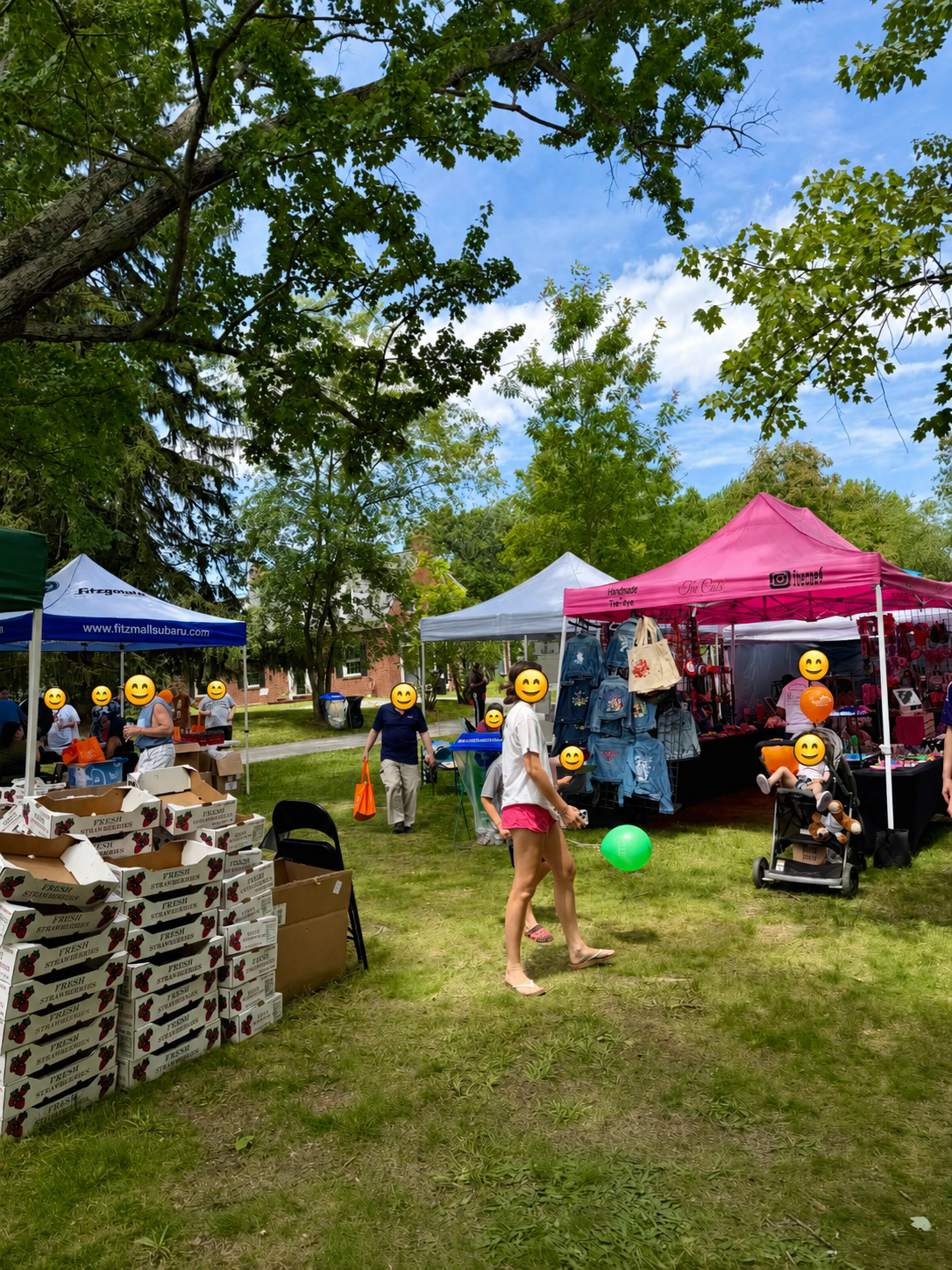
The trees were full of fresh green leaves, and flowers were beginning to bloom — wisteria, roses, and many others.
Everything felt calm and beautiful.
And then, suddenly, it felt as if all the colours had turned to grey.
The reason was a Section 21 notice.
Until the day before, we had a good relationship with our landlord.
She had even visited our home, speaking kindly, and mentioned taking the children to the garden next time.
But the very next morning, we received the notice.
We were completely shocked.
After doing some research, I realised what it meant: we could be required to leave our home within two months.
Two months.
For a family with two young children attending a local school, that felt impossibly short.
Coming from Japan, where tenant protections are generally stronger, I found the situation difficult to understand.
In the months leading up to this, we had been cooperating with our landlord on general repairs at the property.
We had agreed to certain arrangements and continued to support the process, even as the timeline extended beyond what we had initially expected.
During that period, I also raised a few questions about the tenancy terms.
Shortly after those discussions, we received the Section 21 notice.
The timing felt sudden.
Around that time, I began to hear that similar situations were happening to others as well.
Some parents at my children’s school mentioned that they had also received Section 21 notices.
I also learned that this was happening more frequently ahead of a new rental law coming into effect on May 1st, which is expected to strengthen tenant protections.
Ironically, it seems that some landlords are choosing to act before the law changes — leading to a surge in eviction notices.
A reform intended to protect tenants is, in some cases, creating unexpected consequences.
We moved to London two years ago.
English is not our first language, and everything here has been new to us.
My children now speak English fluently, but for me, handling a legal issue in English felt overwhelming.
So I started looking for help.
The first place I visited was a local advice centre.
I arrived early, but there was already a queue — a mother with a baby buggy, an elderly woman, and a young man.
Inside, I was asked to fill out a form explaining my situation — in English, on the spot.
It felt like an exam.
When the consultation began, I struggled to explain everything clearly.
I was given one possible solution.
But something didn’t feel right.
I decided to seek a second opinion.
I found a Citizens Advice hub that was open for just two hours that afternoon.
When I arrived, I felt very alone.
But the atmosphere was different.
The staff were kind and patient.
This time, I was able to explain my situation more clearly.
They listened carefully — and they agreed with my concerns.
They told me there were multiple possible approaches, not just one.
That made me feel incredibly relieved.
They also offered to send me information about how to challenge the Section 21 notice.
For the first time, I felt that someone truly understood.
With some time left before picking up my children, I decided to visit one more place — a local council office in London.
On the way there, the sky had cleared.
And for the first time that day, I felt a small sense of hope.
But what happened next was unexpected.
I explained my situation and asked if I could speak to someone about housing support.
However, I was told that I didn’t need to speak to anyone.
“You still have two months,” the staff member said. “You should go home and start looking for another flat.”
She also suggested moving to a more affordable area outside central London.
I was taken aback.
It didn’t feel like real support.
I tried to explain again, but the response didn’t change.
There was no offer to connect me with anyone.
I left feeling disappointed.
After visiting three different places, I realised how difficult it is to find clear and consistent guidance.
Even lawyers I know could not easily help, as housing law is a specialised area.
When time is limited, that makes everything even harder.
At the same time, I also discovered something else.
There were many kind people around me.
Some neighbours suggested practical steps, like speaking to letting agents.
Others offered something more.
One friend told me we could stay in their home anytime.
Another said their property might soon become available and offered it to us.
Some even offered to accompany me to advice centres and help with translation.
Hearing this, I felt deeply moved.
I was close to tears.
This situation has been difficult and uncertain.
But it has also shown me something important.
Even in a challenging situation, there are people who offer genuine kindness and support.
Life in London can be hard.
But it is also filled with people who are willing to help.
At this point, we still don’t have a clear answer.
This experience is still ongoing.
But I already know one thing:
we are not facing it alone.
A Japanese version of this story will follow.
메타데이터
- post_id
- 93acea4e2f5b
- slug
- we-received-a-section-21-notice-in-london-and-had-no-idea-what-to-do-93acea4e2f5b
- url
- https://medium.com/@london.story.notes/we-received-a-section-21-notice-in-london-and-had-no-idea-what-to-do-93acea4e2f5b
- canonical_url
- https://medium.com/@london.story.notes/we-received-a-section-21-notice-in-london-and-had-no-idea-what-to-do-93acea4e2f5b
- author_url
- https://medium.com/@london.story.notes
- status
- ok
- fetched_at
- 2026-06-21 22:26:41