Tango: some basics
Originating in the vibrant and bustling neighborhoods of Buenos Aires in the late 19th century, Tango emerged as a raw and emotive…
Tango: some basics
Originating in the vibrant and bustling neighborhoods of Buenos Aires in the late 19th century, Tango emerged as a raw and emotive expression of the struggles and joys of the working-class immigrants who populated the city’s outskirts. Born from a fusion of diverse cultural influences, including European ballroom dances, African rhythms, and indigenous music, Tango reflected the melting pot of identities and experiences that defined Argentina’s urban landscape at the time.

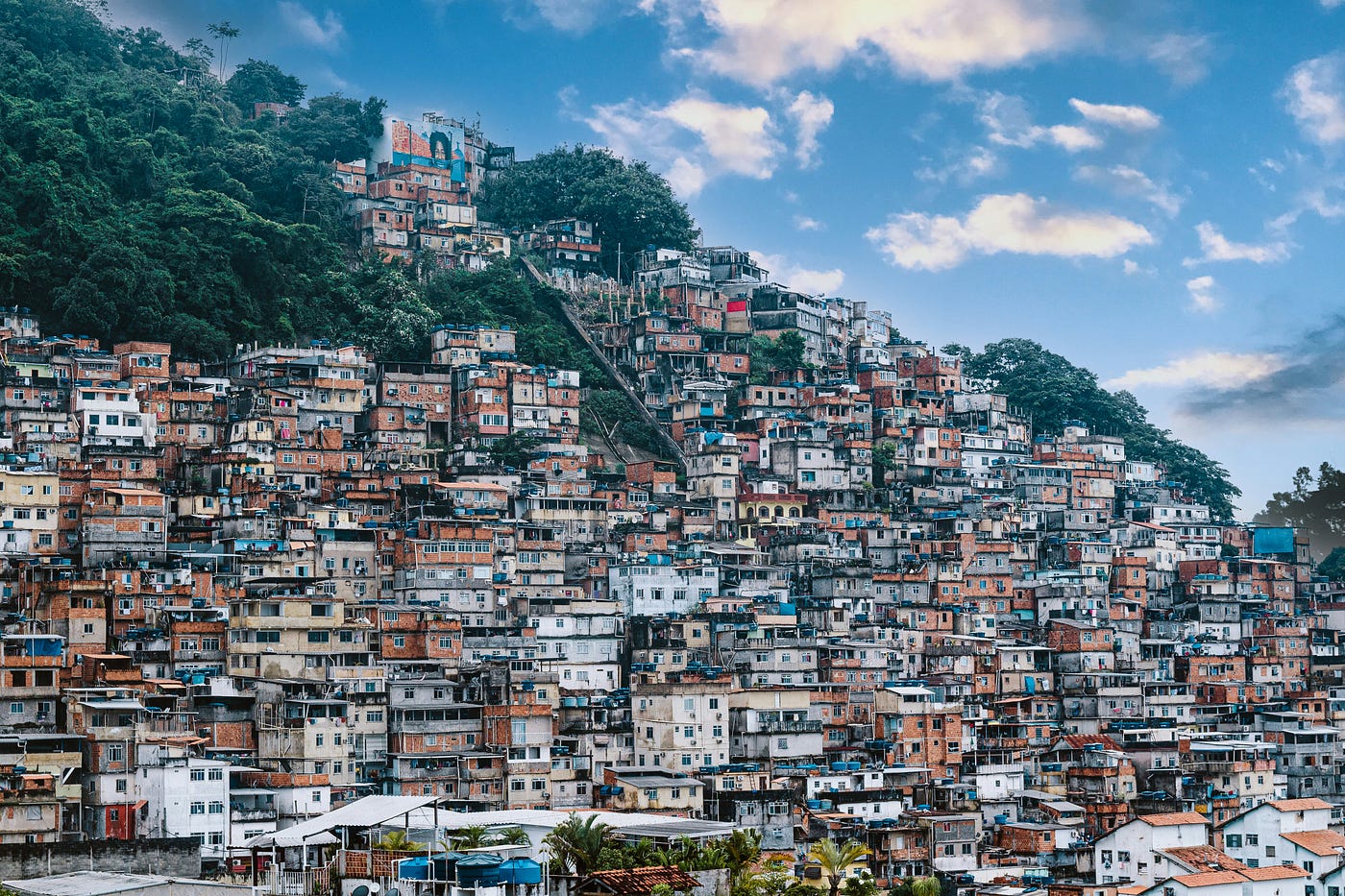
photo by https://vivitravels.com/en
The early days of Tango were marked by its association with the lower classes, particularly immigrants from Italy, Spain, and Africa, who sought refuge in the port city of Buenos Aires. These marginalized communities found solace and solidarity in the smoky, dimly lit milongas (Tango dance halls), where they could escape the hardships of daily life and immerse themselves in the sensual rhythms and intimate embrace of the dance.
Despite its humble origins, Tango soon captured the imagination of Argentine society and spread beyond the confines of the working-class neighborhoods to the salons and cafes of the city’s elite. By the early 20th century, Tango had become a symbol of national identity, celebrated for its passion, elegance, and poetic lyricism. Tango orchestras grew in number, and the genre was immortalized by artists like Astor Piazzolla and Carlos Gardel with their enduring melodies and poignant lyrics.
The Golden Age of Tango, spanning the 1930s and 1940s, saw the dance reach new heights of popularity both domestically and internationally. Tango orchestras toured Europe and the United States, captivating audiences with their virtuoso musicianship and seductive choreography. Hollywood films such as “The Tango Bar” and “The Four Horsemen of the Apocalypse” helped popularize Tango further, cementing its status as a global phenomenon.
However, Tango’s golden era was not without its challenges. The rise of authoritarian regimes in Argentina during the mid-20th century led to the suppression of cultural expression, and Tango fell out of favor as authorities sought to promote a more sanitized image of Argentine identity. Many Tango musicians and dancers fled the country, seeking refuge in Europe and the Americas, where they continued to keep the flame of Tango alive in exile.
Despite these setbacks, Tango experienced a revival in the latter half of the 20th century, fueled by a newfound appreciation for traditional dance forms and a growing interest in Argentine culture worldwide. Tango festivals sprung up across Europe and the Americas, attracting dancers and enthusiasts from diverse backgrounds who were drawn to the dance’s emotional intensity and technical complexity.
Today, Tango remains an integral part of Argentine cultural heritage, celebrated for its ability to transcend borders and unite people from all walks of life in the shared language of music and movement. In Buenos Aires, milongas continue to pulsate with the rhythm of Tango, where seasoned veterans and eager novices alike come together to dance, socialize, and honor the legacy of this timeless art form.
As Argentina looks to the future, Tango serves as a poignant reminder of the country’s resilience and creativity in the face of adversity. Whether performed in the streets of Buenos Aires or on stages around the world, Tango endures as a symbol of Argentine identity, a testament to the enduring power of music and dance to uplift the human spirit and forge connections across cultures and generations.
메타데이터
- post_id
- 943d66e2c698
- slug
- tango-some-basics-943d66e2c698
- url
- https://medium.com/@allLATAM/tango-some-basics-943d66e2c698
- canonical_url
- https://medium.com/@allLATAM/tango-some-basics-943d66e2c698
- author_url
- https://medium.com/@allLATAM
- status
- ok
- fetched_at
- 2026-06-28 04:42:08