Best Time to Trek Everest Base Camp: What Every Season Really Looks Like
Choosing when to walk the EBC trail can make the difference between a trek full of clear mountain views and one spent staring into fog. The…
Best Time to Trek Everest Base Camp: What Every Season Really Looks Like
Choosing when to walk the **EBC trail **can make the difference between a trek full of clear mountain views and one spent staring into fog. The Khumbu region has four distinct seasons, and each one changes the trail underfoot, the crowd at the teahouses, and the chance of actually seeing Everest when you finally reach base camp. If you are planning your trip to the roof of the world, understanding the seasonal patterns is the first real step in your preparation, right alongside sorting out permits and training your legs for the climb.
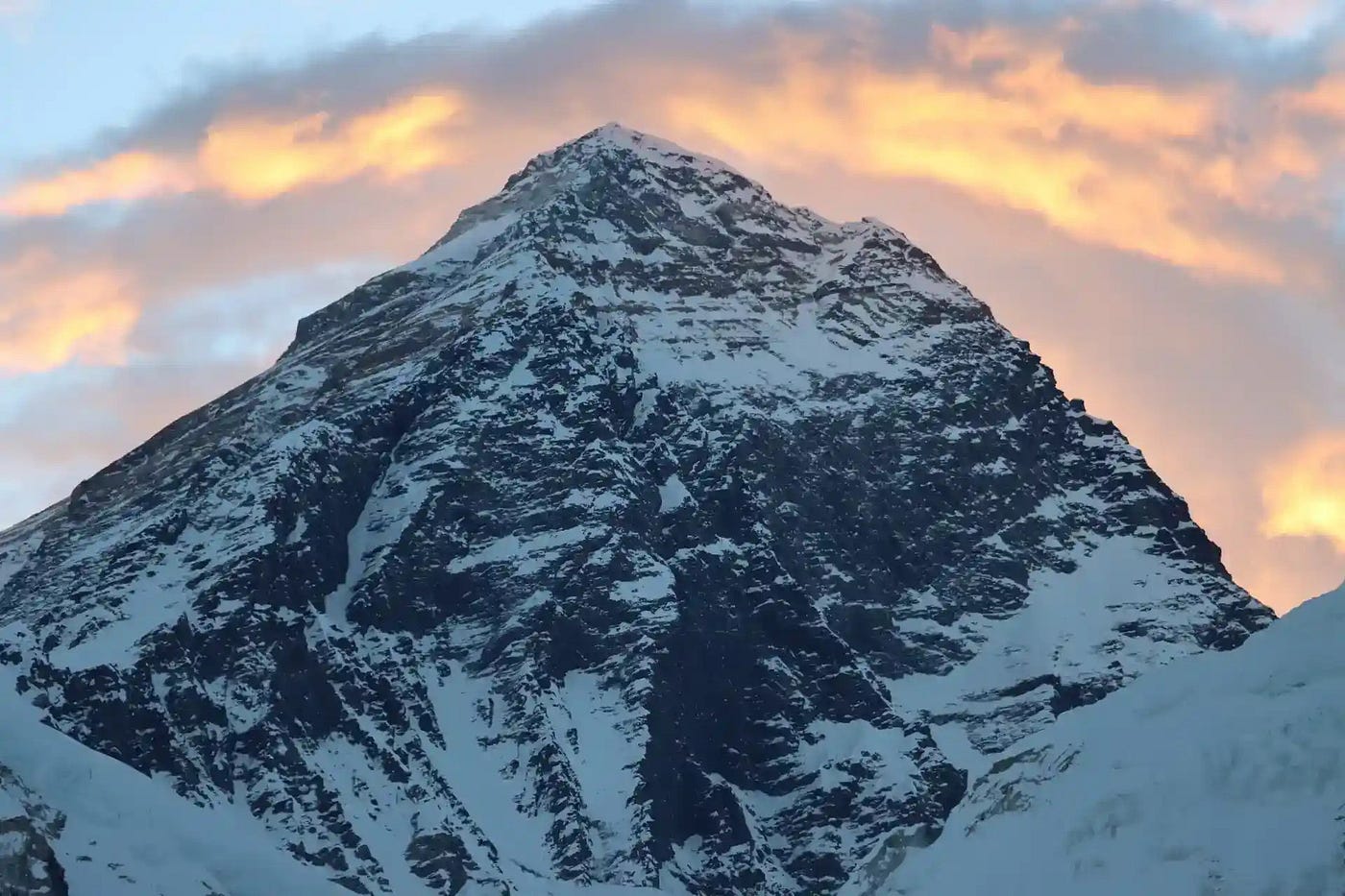
Why Season Matters So Much on the EBC Trail
The Everest region sits at extreme altitude, and weather here is not a background detail, it decides whether your flight to Lukla takes off, whether the passes are walkable, and whether Kala Patthar rewards you with a sunrise view of Everest or a wall of cloud. Because the trek climbs from around 2,860m in Lukla to 5,644m at Kala Patthar, small shifts in season create big shifts in temperature, snowfall, and trail traffic. Picking the right window is not about comfort alone, it is about safety, success rate, and getting your money’s worth out of a trip that many people only take once.
Autumn: September to November
Autumn is widely regarded as the finest season on the EBC trail, and for good reason.
- Skies are crystal clear right after the monsoon washes the dust out of the air, giving some of the best possible views of Everest, Lhotse, and Ama Dablam
- Daytime temperatures in Namche Bazaar hover comfortably, while nights get cold but manageable at teahouse altitudes
- Trail conditions are dry and stable, with minimal risk of sudden snowstorms
- This is peak season, so Lukla flights run frequently, though they often reroute through Manthali or Ramechhap during October and November to ease congestion
- Teahouses are fully open and well stocked, since this is their busiest earning period
- The trail is famously more crowded than spring, so expect company at viewpoints and at Gorak Shep near base camp
If your priority is maximum visibility and a dependable weather window, September through November is the benchmark against which every other season is measured.
Spring: March to May
Spring runs a close second and brings its own character to the EBC trail.
- Rhododendron forests bloom lower on the trail, especially through the approach to Namche, adding color that autumn simply does not have
- Weather is generally stable in March and April, though it can turn hazy by May as heat rises from the lowlands
- Daytime temperatures are pleasant for walking, while high camps like Lobuche and Gorak Shep stay cold
- This season overlaps with the Everest expedition period, so the trail carries extra energy from climbing teams headed up toward base camp
- Like autumn, spring is peak season, meaning flights, teahouses, and permits are all in full operation, alongside the usual crowding
- Visibility tends to be excellent in the early weeks and can soften slightly as the season progresses
Trekkers who want blooming scenery and don’t mind sharing the trail with expedition teams often lean toward spring.
Winter: December to February
Winter is the quiet season on the EBC trail, and it suits a specific kind of trekker.
- Trails are far less crowded, and teahouse bookings are easy without advance planning
- Distant mountain views can be exceptionally sharp on clear days, since the air holds less haze
- Temperatures drop sharply at night, especially above Dingboche, and proper cold weather gear becomes essential rather than optional
- Snowfall can close sections of the trail near Lobuche and Gorak Shep, and Lukla flights face a higher chance of delay due to weather
- Some teahouses at higher elevations reduce services or close entirely, so route planning needs extra care
- This season demands a stronger tolerance for cold and a flexible itinerary
Winter rewards patient trekkers with solitude and dramatic clarity, but it asks for serious preparation in return.
Monsoon: June to August
Monsoon is generally avoided on the EBC trail, and the reasons are practical rather than aesthetic.
- Daily rainfall at lower altitudes brings mud, leeches, and slippery stone steps
- Clouds regularly obscure the high peaks, cutting down the payoff views that draw people to this trek in the first place
- Lukla flights face frequent delays and cancellations due to poor visibility
- Landslide risk increases on certain sections of the lower trail near the Dudh Koshi valley
- Humidity and warmth at lower elevations contrast sharply with the cold higher up, making layering trickier
- Very few trekkers choose this window for EBC specifically, unlike rain shadow regions such as Upper Mustang or Dolpo, which stay dry through monsoon
Unless your schedule leaves no other option, monsoon is the season to plan around rather than plan for.
A Quick Comparison
- Best overall views: Autumn, thanks to clear post monsoon skies
- Best scenery variety: Spring, thanks to rhododendron blooms
- Best for solitude: Winter, with far fewer trekkers on the trail
- Season to avoid: Monsoon, due to rain, cloud cover, and flight disruption
Practical Factors Beyond the Calendar
- Flight reliability to Lukla matters as much as ground weather, since a grounded flight can eat days from your itinerary before you even start walking
- Teahouse availability shifts by season, autumn and spring keep every lodge open, while winter can mean fewer beds at the highest stops
- Acclimatization days should never be skipped regardless of season, altitude sickness risk does not disappear just because the sky is clear
- Gear needs change significantly between a mild October trek and a January one, so pack according to the season you choose, not a generic list
- Permit and guide requirements apply year round on the EBC trail, including the Sagarmatha National Park Entry Permit and the Khumbu Pasang Lhamu Rural Municipality Permit
Final Thoughts
There is no single perfect month for the EBC trail, only the season that fits what you are looking for. Autumn gives you the clearest skies and the most reliable logistics. Spring offers blooming trails and expedition season energy. Winter rewards those chasing solitude and can handle the cold. Monsoon, in most cases, is best left off the calendar entirely. Whichever window you choose, the walk to the base of the world’s highest mountain rewards preparation as much as timing, so match your season to your priorities and start training your legs well before you land in Lukla.
메타데이터
- post_id
- 9458c2d93ba9
- slug
- best-time-to-trek-everest-base-camp-what-every-season-really-looks-like-9458c2d93ba9
- url
- https://medium.com/@5ktreks/best-time-to-trek-everest-base-camp-what-every-season-really-looks-like-9458c2d93ba9
- canonical_url
- https://medium.com/@5ktreks/best-time-to-trek-everest-base-camp-what-every-season-really-looks-like-9458c2d93ba9
- author_url
- https://medium.com/@5ktreks
- status
- ok
- fetched_at
- 2026-08-10 04:00:15