The Strategic Blueprint: Navigating Pest Management Decisions in Tampa
Living in the Tampa Bay area offers an enviable lifestyle defined by vibrant coastal weather and beautiful surroundings. However, for…
The Strategic Blueprint: Navigating Pest Management Decisions in Tampa

Living in the Tampa Bay area offers an enviable lifestyle defined by vibrant coastal weather and beautiful surroundings. However, for homeowners and property managers, the region’s unique environment presents a distinct set of challenges that make professional pest management a necessity rather than an optional luxury. In this climate, the “set it and forget it” mentality often leads to costly complications. Making informed decisions about how to protect your property requires an understanding of local dynamics, structural vulnerabilities, and the environmental factors that drive pest behavior.
For a complete breakdown of how to protect your property from recurring issues, check out the resources at https://www.tampapestcontrol.pro/services/commercial-pest-control/
The Reality of the Tampa Ecosystem
When individuals first consider living in Tampa, pests are rarely the primary focus; instead, the conversation centers on weather, beaches, and lifestyle. However, the reality of Florida homeownership quickly reveals that pest activity is a constant factor. Unlike other regions that experience a “pest season,” Tampa’s year-round warmth and high humidity create a perpetual cycle of activity.
Deciding how to manage a property effectively starts with acknowledging that different pests essentially “take turns” throughout the year. When one species becomes less noticeable, another typically emerges, driven by shifts in temperature or rainfall. Consequently, a successful management plan must be proactive and adaptive, moving away from a reactive “why is this happening?” mindset toward a preventive “how do I make this less likely?” approach.
Environmental Drivers: Moisture and Humidity
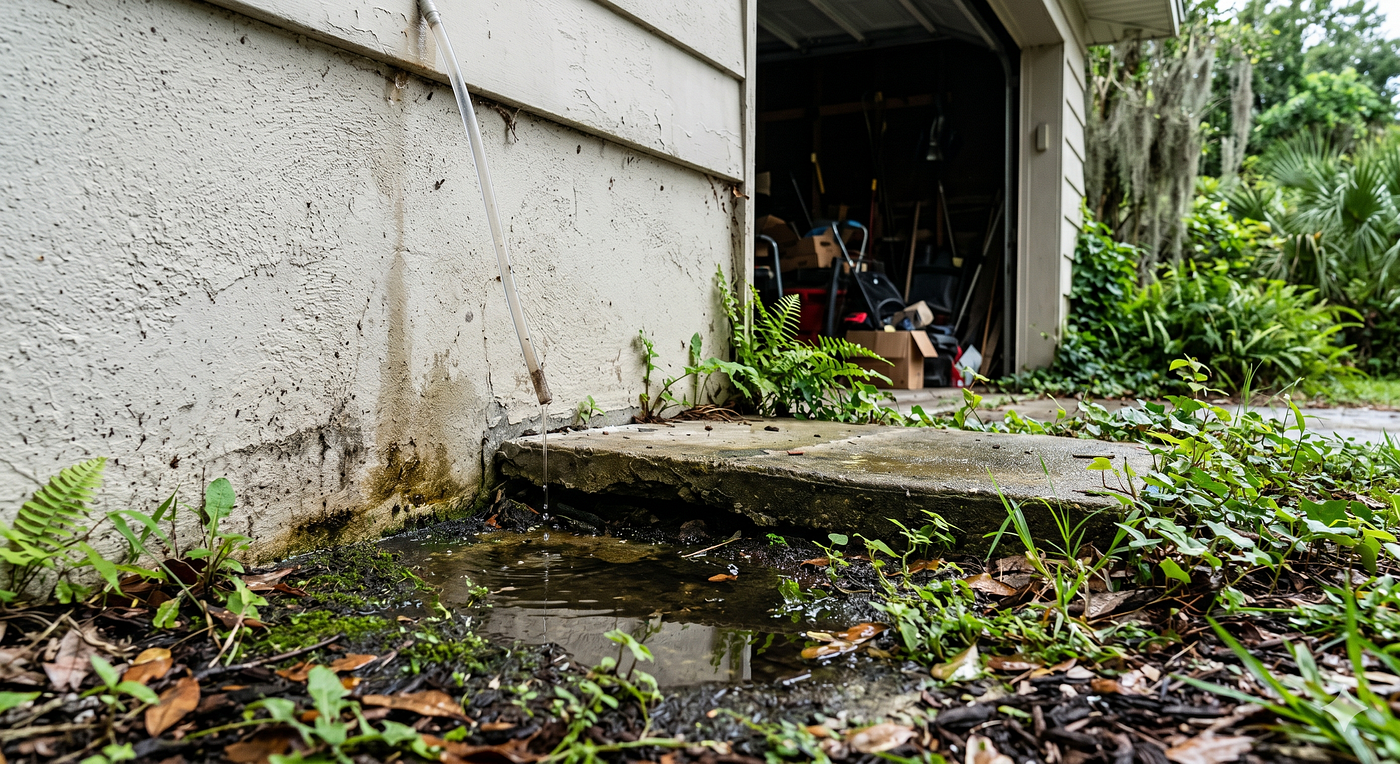
One of the most critical factors in any pest management decision in Tampa is the management of moisture. Humidity is a constant presence in the region, and it plays a far more significant role in pest attraction than many homeowners initially realize.
The Impact of Humidity
High humidity levels create favorable conditions for a variety of insects, such as silverfish and centipedes, which thrive in damp air. This moisture acts as an invisible bridge, allowing pests to move comfortably from the saturated outdoors into the slightly drier environment of a home without drying out. Key areas that often harbor higher humidity include:
- Under-Sink Areas: These spaces provide both darkness and potential condensation from cold water pipes.
- Bathroom Corners: Poor ventilation in these rooms can cause steam to linger, creating a tropical micro-climate.
- Storage Rooms: Areas with limited airflow often become damp, attracting moisture-loving pests.
The Rain Factor
Strategic decisions must also account for Tampa’s heavy rainfall. Significant rain events saturate the ground, flooding the natural habitats of many pests. When their outdoor homes become uninhabitable, pests relocate to the nearest dry shelter — which is often your home. This is not a random occurrence; it is a practical survival response that frequently leads to a surge in indoor activity immediately following a storm.
Identifying and Fortifying Structural Vulnerabilities
A major component of pest management is identifying the physical ways pests gain entry. Many homeowners overlook small structural gaps, assuming they are too insignificant to matter, yet these are often the primary entry points.
The Scale of the Problem
Pests are capable of exploiting spaces that seem impossibly small to humans. For example:
- Insects: A crack only 1/32 of an inch wide is sufficient for termites or ants to enter.
- Rodents: A mouse can squeeze through an opening only one-quarter of an inch wide, while a rat requires only half an inch.
Critical Inspection Points
Decision-makers should focus their maintenance efforts on several high-risk zones where gaps frequently develop over time due to home settling and weather-induced expansion:
- Utility Lines: Voids often exist where pipes or wires enter the foundation or siding.
- Doors and Windows: Worn weather stripping or door sweeps provide direct access.
- The Roofline: Fascia boards and soffits are primary targets for roof rats and other wildlife.
Interior Management: Hotspots and Storage Habits
Even a meticulously clean home can face pest issues if the underlying conditions are favorable. Management decisions must extend beyond cleanliness to address the physical environment inside the home.
Focus on Hotspots
Kitchens and bathrooms are the primary “hotspots” because they provide the three things pests need most: water, food, and hidden spaces.
- Water Access: Leaky pipes, standing water, and condensation are major attractants.
- Hidden Voids: The areas behind appliances and under-sink cabinets are rarely disturbed, making them ideal for nesting.
Strategic Storage
How you store your belongings can significantly affect pest activity.
- The Cardboard Problem: Cardboard is a poor choice for long-term storage in Tampa because it absorbs moisture and can actually serve as a food source or nesting material for pests.
- The Plastic Solution: Switching to plastic storage bins with airtight lids is a simple but effective management decision that prevents pests from accessing stored items.
- Elevation: Keeping items off the floor, particularly in garages and attics, removes hiding spots and makes inspections much easier.
The Multi-Factor Approach to Prevention
Perhaps the most important lesson in Tampa pest management is that infestations rarely have a single cause. Instead, they are usually the result of a combination of factors — a small gap, a bit of moisture, and a quiet place to hide.
If you only address one part of the problem, the issue is likely to return. Effective management requires a consistent, multi-faceted strategy:
- Seal Entry Points: Regularly inspect the exterior and use high-quality sealants to close gaps.
- Manage Moisture: Fix leaks immediately and improve ventilation to lower humidity.
- Monitor Early Signs: Pay attention to subtle indicators like small droppings, unusual smells, or occasional sightings.
- Organize for Prevention: Reduce clutter and use proper storage materials to eliminate nesting sites.
Effective **pest Control** requires consistency, especially during the heavy rain seasons when insects are actively driven indoors.
Final Thoughts: A Mindset of Consistency
Choosing the right pest management path in Tampa is about moving from reaction to prevention. By understanding that the environment — warmth, rain, and humidity — is the primary driver of activity, you can make decisions that fortify your home against the local ecosystem.
Consistent monitoring and small, proactive maintenance steps are the most effective tools for maintaining a pest-free home. When you address the structural, environmental, and behavioral factors together, pest management feels less like a series of random battles and more like a manageable, integrated part of Florida living.
Sometimes, the best step you can take is consulting with a dedicated **pest control company** to evaluate your home’s unique structural vulnerabilities.
For more insights, in-depth articles, and comprehensive strategies to protect your property, be sure to follow our feed on the **Tampa Pest Removal homepage**.
메타데이터
- post_id
- 946f04dfa67c
- slug
- the-strategic-blueprint-navigating-pest-management-decisions-in-tampa-946f04dfa67c
- url
- https://medium.com/@tampapestscontrol/the-strategic-blueprint-navigating-pest-management-decisions-in-tampa-946f04dfa67c
- canonical_url
- https://medium.com/@tampapestscontrol/the-strategic-blueprint-navigating-pest-management-decisions-in-tampa-946f04dfa67c
- author_url
- https://medium.com/@tampapestscontrol
- status
- ok
- fetched_at
- 2026-07-24 15:40:05