I Wanted Rue to Live: Euphoria and the Lost Hope of a Generation
Like a lot of people, I was not a fan of Season 3 euphoria. For me, Season 1 was exceptionally crafted storytelling, and Season 2 was good…
I Wanted Rue to Live: Euphoria and the Lost Hope of a Generation
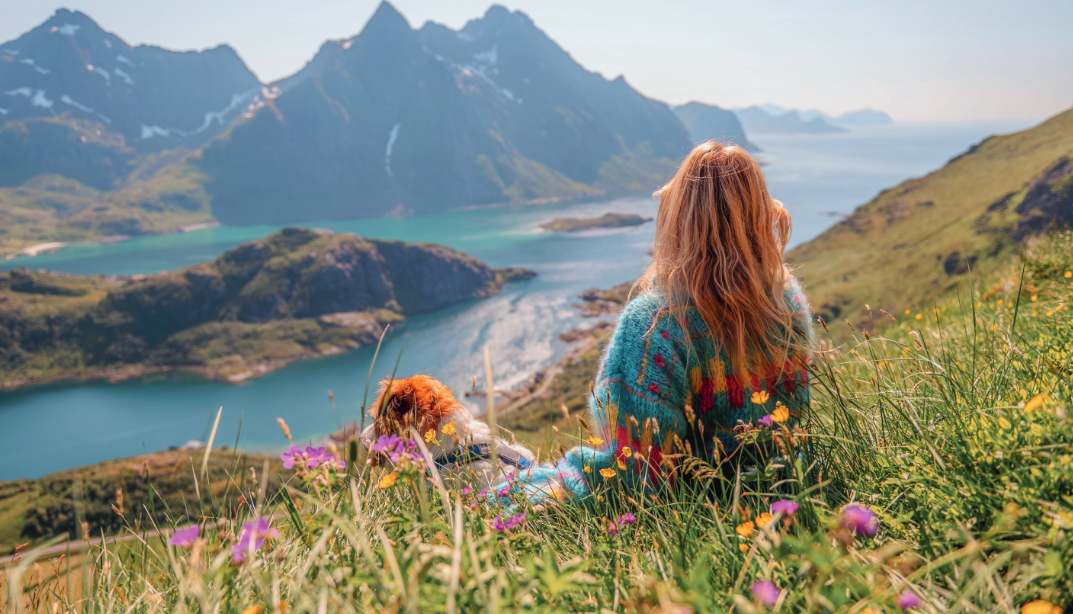
Photo by peter bucks on Unsplash
Like a lot of people, I was not a fan of Season 3 euphoria. For me, Season 1 was exceptionally crafted storytelling, and Season 2 was good - though I always disliked the more graphic content.
I was invested in Rue’s story and needed to see it through to the end, so sat through a whole lot of chaos, peril, and intensity to stick out season 3 for her. It seemed a bizarre and confusing mess with Nate running around on his own being terrorised, Jules more or less written out of the storyline completely, the Cassie-zilla sequence (what?!), Maddy dropping Rue in it with Alamo (she would never be so stupid) and so much more.
But by the end of the season finale I thought you know what, this new iteration of euphoria shows the tonal shift of a generation. Euphoria Season 1 came out in 2019 before the pandemic. It captured the messy, emotional intensity of being 17, and the raw, all consuming grief of losing someone you don’t know how to live without.
Despite all the pain, and Rue’s dangerous dance with drug addiction, there was still a sense of hope. A feeling that the future might bring better days ahead. That she just had to make it through this excruciatingly difficult chapter and then there’d be some sort of salvation at the other side.
Season 2 showed more of the extreme highs and lows of Rue’s inner world, her devastating relapse, then following short lived sobriety. This time, in the real world we were in 2022, well into the pandemic. The realistic depiction of Rue’s harrowing emotional turmoil felt intimately entwined with the long lonely dark nights of the soul many of us experienced during Lockdowns.
By the end of season 2 there was still, somehow, a sense of hope. Then years later, that hope was dashed. Season 3 came after fans waited through many delays of strikes, lots of the main cast being now booked and busy successful Hollywood stars with clashing schedules, and of course the tragic deaths of 2 of the main cast; Angus Cloud who played beloved Fez, and Eric Dane who played Nate’s dad Cal Jacobs.
So by the time Season 3 was released, a lot had changed in the real world, and in the story world of euphoria. We went from Petra Collin’s artistry of moody lighting and glitter tears combined with the iconic Labyrinth Soundtrack to a brightly lit, harsh, and disturbing new reality where there was more distance put between the audience and the characters.
We lost the visual and musical identity of Season 1 and 2, which combined with Zendaya’s raw and expert performance as Rue, made euphoria the landmark show that it became. Labyrinth left the show in Season 3 leaving core moments in the plot to hit very differently without his score. The complexity and context of the character’s backstories were missing from some of the earlier Season 3 episodes and it all felt so far from what we had originally connected to.
As much as I hated this at the time, by the final episode of Season 3 I had accepted that euphoria was not what it once was. And I realised that this mirrors the shift many of us experience in real life from young hope for the future to hopes dashed as we get older. I think this ideological hope for the future followed by disillusionment can be shared by all generations.
But I also think there’s something unique about the way the millennial generation is placed as the only one to be able to remember life before and after the internet during our formative years. We went from knowing life offline to suddenly being immersed in the online world but with no guidebook to navigate it, just clumsily fumbling our way through the Mean Girls-esque Myspace Top 8, predatory groomers finding us on MSN, and seeing graphic porn flash up from an innocent google search of tigers for a school project.
In many ways, Euphoria Season 3 felt like it embodied this sudden bombardment and assault on the senses that we experienced as pre-teens / teens first being introduced to the internet. It also mirrored for me, the pre pandemic hope to post pandemic abyss.
There was once hope for Rue, and for the futures of all the characters (in Seasons 1 and 2). Then Season 3 came along 5 years later, moving the characters out of high school and into their mid-20s. They were hit with the harsh reality of this messed up world, which feels like it’s only got darker, scarier and more harsh since the pandemic.
Ultimately the ending is not a happy one. But it is a realistic one. As much as I wanted Rue to survive, I kind of always knew she wouldn’t make it. She struggled so much throughout her life, fought so many mental battles, and tried so hard to make it. She was a deeply flawed character making a long laundry list of mistakes, but she was incredibly loveable. We all wanted her to get her light at the end of a tunnel.
The hopelessness of her death was devastating to watch, especially seen through the eyes of her NA sponsor Ali — beautifully played by Colman Domingo — who has to add yet another name to his memorial book. Every page represents his many failed attempts to save brave young people battling addiction, who face the impossible task of surviving in the hellscape that is America’s drug crisis.
Rue had finally found a way to be sober for a time, and it was evil drug lord and human trafficker Alamo’s decision to kill her that led to her taking a fentanyl laced pain killer. It felt cruel and gut wrenching to witness her complicated journey end like this, especially when she had finally found a way to want to live.
In her final moments we saw her dream of returning home, passing memories of her sister Gia, first love Jules, best friend Fez and finally reaching out for her mum and holding her dad, which is where this whole story started. Rue’s drug addiction began when her dad was dying and got worse when it became her means to deal with the grief of losing him.
Anyone can experience excruciating life circumstances and all-consuming emotional pain, like grief, that might make the escapism of drug taking appealing in the first place. And anyone can think they’re taking one type of drug when it’s actually laced with another, more deadly drug. In unregulated street drug markets, substances can be contaminated with unpredictable and sometimes fatal additives.
Maybe one of the reasons this felt so close to home was because it could have been me (thankfully I am now sober), or any other teenager making impulsive risky decisions thanks to a not yet developed prefrontal cortex, emotions that feel too big to contain, and the chaos causing effects of undiagnosed ADHD.
It could have been any of the people I was/am close to who battled, or are still battling, their own drug addictions. Rue could be any one of us. It is not a moral failing to find oneself in the throes of drug addiction, or to feel you have no where else to turn but to alcohol and/or drugs. And it’s not uncommon to accidentally overdose, especially in the current crisis in the US, where euphoria is set.
The US is experiencing a severe overdose crisis, covered in other poignant recent stories such as the novel Demon Copperhead by Barbara Kingsolver, TV Series Dopesick, and movie Beautiful Boy. The ending of euphoria is sadly a very believable outcome in the context it was written in given the realities of the fentanyl-driven overdose crisis in the US.
I wanted Rue to live. I wanted to have hope. It filled me with despair to see her die, and I couldn’t stop bursting into tears all day after watching the Series Finale. But I understand why she couldn’t survive. Maybe art isn’t supposed to offer us only hopeful happy endings. Maybe it’s also supposed to mirror the reality we’re living in, and in doing so, give us space to process the many lost hopes of our generation.

Photo by Yuriy Vertikov on Unsplash
메타데이터
- post_id
- 94b3d8233cef
- slug
- i-wanted-rue-to-live-euphoria-and-the-lost-hope-of-a-generation-94b3d8233cef
- url
- https://medium.com/@jasminesarairving/i-wanted-rue-to-live-euphoria-and-the-lost-hope-of-a-generation-94b3d8233cef
- canonical_url
- https://medium.com/@jasminesarairving/i-wanted-rue-to-live-euphoria-and-the-lost-hope-of-a-generation-94b3d8233cef
- author_url
- https://medium.com/@jasminesarairving
- status
- ok
- fetched_at
- 2026-06-09 15:37:30