Why Investor Hopes for Rate Cuts Could Be Misplaced
Explore the untold story of inflation, global risks, and central bank divisions shaping the future.
Why Investor Hopes for Rate Cuts Could Be Misplaced
Explore the untold story of inflation, global risks, and central bank divisions shaping the future.
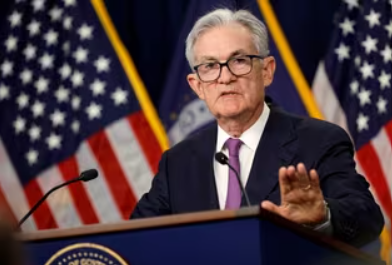
Image used from livemint
I’ve been watching the inflation data come in month after month, and I have to tell you, the conversation that most investors are still having doesn’t match what the numbers are actually showing anymore. For most of this year, the dominant assumption in financial circles was pretty clear: inflation was coming down, rate cuts were coming, and borrowing costs would eventually ease. I understood why people believed that. It looked like it was heading that way.
But something shifted over the past few months, and I think the people who haven’t updated their thinking yet are setting themselves up for a real shock. So today I want to walk you through what the data is actually telling us, why I think the possibility of higher interest rates is being seriously underestimated, and what I’m personally doing with my own money right now in response.
We’ve Been Asking the Wrong Question About Interest Rates
For months, the question dominating every investment conversation has been some version of “when are rates coming down?” Every Fed meeting, every inflation report, every jobs number got filtered through that single lens. Rate cuts were the assumed destination. The only debate was about timing.
I’ve been guilty of framing things that way myself. But here’s what I think most people are missing right now. The latest economic data isn’t pointing toward rate cuts anymore. It’s actually starting to point the other direction. And if that’s true, then the question we should all be asking isn’t when rates come down. It’s whether we’re genuinely prepared for a scenario where rates go up instead.
The Federal Reserve’s preferred inflation measure is called PCE, which stands for Personal Consumption Expenditures. A few months ago, PCE was sitting at 2.9% and appearing to drift toward that elusive 2% target the Fed has been chasing. The narrative around rate cuts made sense at that point. But since then, PCE has moved to 3.5%, then to 3.8%, and now it’s sitting at 4.1%. That is three straight months of inflation moving in the wrong direction, not the right one. Core PCE, which strips out food and energy and is supposed to give a cleaner read on underlying price pressures, has also moved higher to 3.4%.
These are not the numbers of an economy where inflation is being successfully tamed. These are numbers that quietly signal a problem is building again.
How Interest Rates and Inflation Actually Work Together
Let me take a step back and explain the basic mechanics here, because I think it helps clarify why the current data matters so much for what happens next.
The Federal Reserve controls something called the Fed funds rate, which is essentially the rate that banks charge each other for overnight borrowing. When the Fed lowers this rate, it becomes cheaper for banks to borrow from each other, and they pass that savings along by lending to us at lower rates. Cheaper borrowing means more people take out loans. More loans mean more spending. More spending pushes up demand for goods and services. And when demand rises faster than supply can respond, prices go up. That’s inflation.
So here’s the key tension: if inflation is already running at 4.1% and moving higher, cutting rates would essentially pour gasoline on a fire that’s already burning. Lower rates would encourage more borrowing, more spending, more demand, and ultimately more inflation. The Fed knows this, which is why the entire conversation around rate cuts has quietly shifted over the past few months even if most headlines haven’t caught up yet.
The opposite move, raising rates, does the reverse. It makes borrowing more expensive, which discourages people and businesses from taking on new debt. Less borrowing means less spending. Less spending means demand cools. Cooling demand means prices rise more slowly. That’s how rate hikes fight inflation. And given where the PCE numbers are right now, a rate hike later this year is looking considerably more likely than most investors currently seem to believe.
The Four Things I’m Watching Most Closely Right Now
Let me walk you through the specific factors I’m tracking that I think will determine where inflation, and therefore interest rates, go from here.
The first is the trend itself. Three straight months of rising PCE isn’t noise. When you see a clear directional move over multiple consecutive data points, that tends to mean the trend has some momentum behind it. Trends that build over three months don’t typically reverse immediately just because investors hope they will.
The second is energy. This is the one that I think gets underestimated the most in casual conversation about inflation. When people think about oil prices going up, they think about what they pay at the gas pump. And yes, that’s real and it matters. But rising oil prices affect the cost of virtually everything else too. Transporting goods across the country costs more. Manufacturing products costs more. Airlines raise ticket prices. Shipping costs go up. Every stage of production that involves energy, which is essentially all of them, gets more expensive. The ongoing uncertainty around Middle Eastern energy markets means this isn’t a factor that’s going away quickly. Even when oil prices aren’t spiking on a given day, the risk premium that comes from supply disruption uncertainty keeps pressure on energy costs, which keeps pressure on broader inflation.
The third factor is tariffs. This one is simple but important. Tariffs on imported goods raise the cost of those goods for whoever brings them in. Businesses that import raw materials or finished products face higher costs, and eventually those costs get passed along to consumers through higher prices. That’s not a political statement about whether tariffs are good or bad policy. It’s just a description of how they flow through to inflation. As long as significant tariffs remain in place on a wide range of imported goods, they act as a persistent upward pressure on prices that makes it genuinely harder for the Fed to get inflation back toward its target.
The fourth factor is how the Fed is now communicating. Under Chairman Warsh, the Federal Reserve has deliberately pulled back from giving markets detailed forward guidance about what it plans to do with rates. The era of the Fed essentially pre-announcing its moves is, at least for now, over.
What that means in practice is that incoming economic data becomes much more important for understanding where rates are headed, because there’s less Fed signaling to lean on. And as I said, the incoming data right now is moving in the wrong direction.
The Shift Nobody Prepared For
Here’s the thing that strikes me most about where we are right now. Just four or five months ago, the word on everyone’s lips was rate cuts. Every financial publication, every podcast, every conversation I had with other investors was oriented around when cuts would come and how to position for them.
Today, the actual conversation at the Federal Reserve level, if you read the meeting minutes carefully, is about scenarios where inflation stays elevated and what that would require in terms of policy response. The Fed has raised its own inflation outlook for the year. A few participants explicitly said there was a case for raising rates even at the most recent meeting. The dot plot of individual Fed member expectations narrowly tilted toward one hike this year, not cuts.
The market hasn’t fully absorbed this yet. There’s still a lot of money positioned for a rate cut environment rather than a rate hike environment. And if inflation continues on its current trajectory, that positioning is going to look significantly wrong.
I want to be fair and honest here: nobody knows for certain what the Fed will do. The Fed itself doesn’t know yet. Everything depends on incoming data over the next few months. If the Strait of Hormuz situation resolves cleanly and energy prices fall sharply, inflation could cool faster than current trends suggest. The Fed explicitly noted this possibility in its own projections. But the risk that things don’t go that smoothly is real and I think it’s being systematically underpriced by most investors.
What I’m Actually Doing With My Own Money Right Now
I want to be real with you about what I’m personally doing in response to all of this, because I think that’s more useful than just laying out the problem without addressing what to do about it.
The first thing I’m doing is staying financially flexible. That means keeping some cash available rather than being fully invested in everything at once. I’m not going to the Warren Buffett extreme of sitting on enormous cash piles.
But having some liquidity means I’m not forced to sell things at bad prices if something unexpected happens, and it gives me the ability to take advantage of opportunities if markets reprice.
The second thing I’m doing is avoiding unnecessary debt wherever I can. In a rising rate environment, borrowing costs more, and debt that seemed manageable when rates were lower can start to feel heavier when rates move up. The less debt you’re carrying into an environment where rates might go higher, the better positioned you are.
Third, I’m continuing to invest consistently through dollar cost averaging. My core plan hasn’t changed. I’m putting money into ETFs, index funds, and individual stocks on a regular schedule, regardless of what the short-term noise is doing. Dollar cost averaging means I’m buying more shares when prices are lower and fewer when prices are higher, which smooths out the volatility over time. Market timing is hard. Consistent, disciplined investing is much more reliable over long periods.
Fourth, and this is the thing I think matters most right now, I’m preparing for multiple outcomes rather than just the one I hope will happen. Hope is not an investment strategy. The data right now tells me inflation is moving in the wrong direction and the probability of a rate hike is higher than most people are prepared for. That doesn’t mean I’m certain it will happen. It means I’m not going to be caught off guard if it does.
My Honest Take on Where This Is Going
Let me tell you directly where I stand on this, because I think the straightforward version is more useful than hedging everything into uncertainty.
I think the rate cut story that dominated the first part of this year is probably not the story of the rest of this year.
Three consecutive months of rising PCE, persistent energy uncertainty from geopolitical disruptions, ongoing tariff pressures on goods costs, and a Fed that has explicitly raised its own inflation outlook all point in a direction that’s uncomfortable for anyone positioned for easing monetary conditions.
Does that mean rates will definitely go up? No. Does it mean cuts are off the table entirely? Maybe not permanently. But the window for cuts in the near term has essentially closed based on the current data, and the window for hikes is meaningfully open in a way it wasn’t six months ago. And the fact that most investors are still mentally oriented toward rate cuts means there’s a real adjustment coming if the inflation numbers don’t cooperate over the next few months.
The most important takeaway I want to leave you with is this: in investing, the people who get hurt the most are those who build their entire strategy around what they hope will happen and then fail to update when reality starts showing something different. The data is showing something different right now. Updating accordingly isn’t pessimism. It’s just paying attention.
What do you think? Are you still positioned for rate cuts, or have you started adjusting your thinking based on where inflation is heading? I’d genuinely love to hear what you’re seeing in the comments.
메타데이터
- post_id
- 94d962a3f44c
- slug
- why-investor-hopes-for-rate-cuts-could-be-misplaced-94d962a3f44c
- url
- https://medium.com/geopolitics-beyond/why-investor-hopes-for-rate-cuts-could-be-misplaced-94d962a3f44c
- canonical_url
- https://medium.com/geopolitics-beyond/why-investor-hopes-for-rate-cuts-could-be-misplaced-94d962a3f44c
- author_url
- https://medium.com/@quotesnjokes07
- status
- ok
- fetched_at
- 2026-07-16 15:25:30