The Human Firewall: Why Cybersecurity Starts With People, Not Technology
When we think of cybersecurity, we imagine firewalls, antivirus software, and complex encryption algorithms. But ask any expert, and…
The Human Firewall: Why Cybersecurity Starts With People, Not Technology
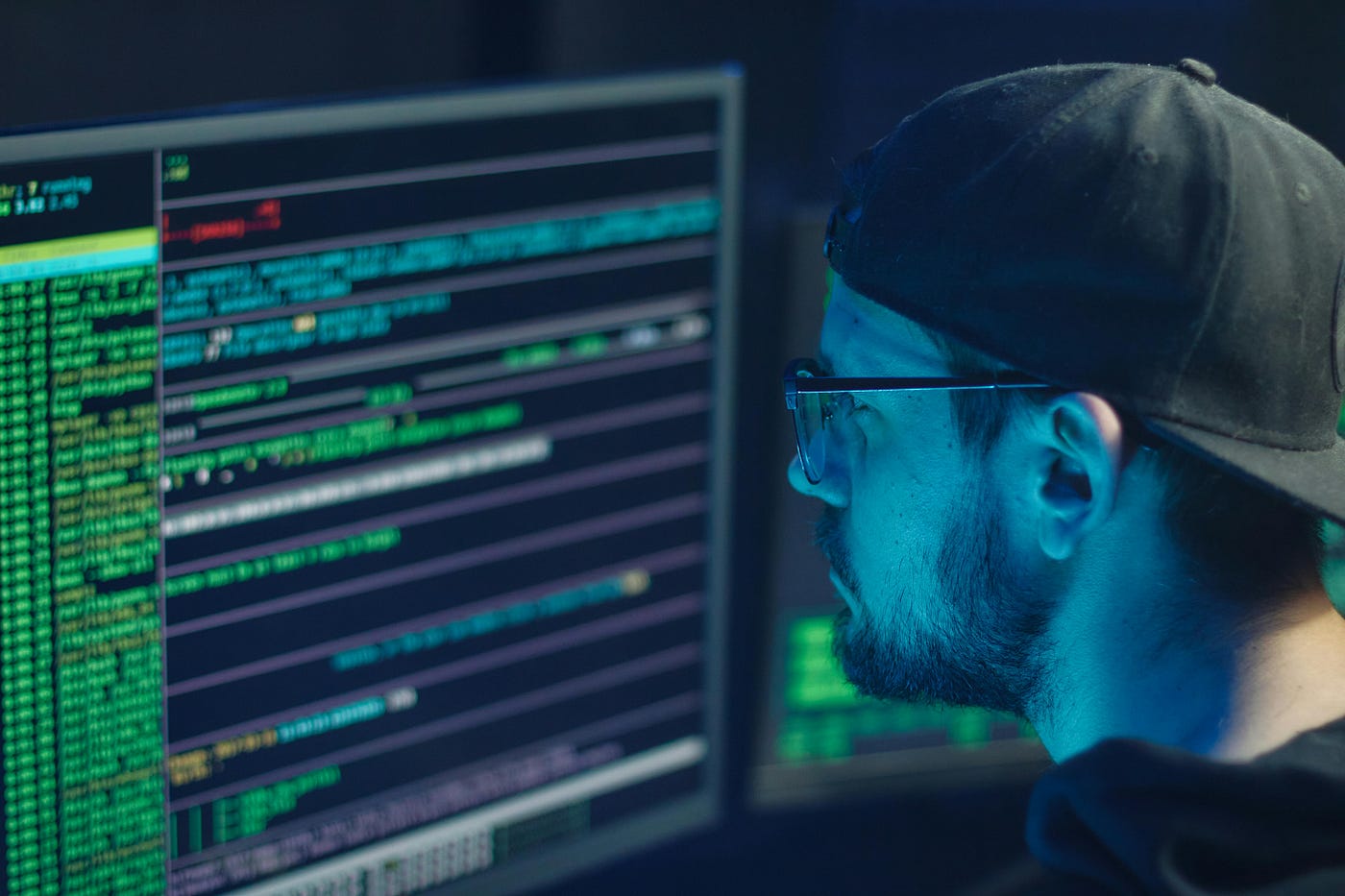
When we think of cybersecurity, we imagine firewalls, antivirus software, and complex encryption algorithms. But ask any expert, and they’ll tell you the same truth:
“Your company’s biggest cybersecurity threat isn’t a hacker — it’s a distracted employee.”
Welcome to the reality of human error in cybersecurity — a vulnerability no firewall can patch.
👤 Humans: The Weakest Link
According to IBM’s “Cost of a Data Breach” report, over 95% of breaches involve human error.
Phishing emails, weak passwords, clicking on fake links, and accidental data sharing — all come down to one thing: untrained or unaware users.
🧠 The Psychology Behind Breaches
Cybercriminals don’t just hack systems — they hack minds. This technique is called social engineering, and it preys on:
- Curiosity (“Click to see who viewed your profile”)
- Fear (“Your account will be disabled. Act now!”)
- Trust (“This is HR, we need your credentials”)
- Urgency (“Complete the payment today to avoid penalty”)
These are not just messages — they’re psychological traps, and they work.
📉 Real-World Case: The $100M Phishing Scam
Between 2013 and 2015, a hacker impersonated vendors of Google and Facebook using fake invoices and emails. Both tech giants paid out over $100 million combined, thinking the requests were legit.
Guess what? There was no malware, no virus. Just email. That’s the power of exploiting human error.
🔐 Building the Human Firewall
You can’t install software to fix people, but you can train them to become your strongest line of defense:
1. Ongoing Cybersecurity Awareness Training
Quarterly workshops, simulated phishing tests, and daily reminders are essential.
2. Security-First Culture
Make it clear: cybersecurity isn’t just the IT team’s job — it’s everyone’s responsibility.
3. Password Hygiene
Teach employees to use password managers, enable MFA, and avoid reusing passwords.
4. Reporting Culture
Encourage employees to report suspicious activity immediately — without fear or delay.
5. Zero Trust Model
Stop assuming anything is secure by default. Validate every login, access request, or privilege escalation.
🧠 Pro Tip:
Don’t just train people — involve them. Gamify cybersecurity. Offer rewards for spotting phishing attempts. Make security fun and participatory.
Because fear-based training is forgettable. But experience-based awareness is powerful.
📌 Summary:
Cybersecurity isn’t just a tech problem — it’s a human one. A single click can cost millions. But the right mindset can stop attacks before they begin.
Your employees aren’t liabilities. With the right approach, they become your greatest asset — a human firewall that thinks before it clicks.
💬 Final Note: Loved this breakdown of human psychology in cyber threats? 🔐 Follow for more powerful cybersecurity stories — and read with a Medium membership to support content that protects people, not just systems.
메타데이터
- post_id
- 94f7b3dfb336
- slug
- the-human-firewall-why-cybersecurity-starts-with-people-not-technology-94f7b3dfb336
- url
- https://medium.com/devsecops-ai/the-human-firewall-why-cybersecurity-starts-with-people-not-technology-94f7b3dfb336
- canonical_url
- https://medium.com/devsecops-ai/the-human-firewall-why-cybersecurity-starts-with-people-not-technology-94f7b3dfb336
- author_url
- https://medium.com/@sandeshkumarsonigzr1807
- status
- ok
- fetched_at
- 2026-07-14 00:49:32