Digital Infrastructure as an Asset Class: What Investors Need to Know in 2026
Digital infrastructure is a promising asset class in 2026. Investing in Digital Asset infrastructure provides stable growth and long-term…
Digital Infrastructure as an Asset Class: What Investors Need to Know in 2026
Digital infrastructure is a promising asset class in 2026. Investing in Digital Asset infrastructure provides stable growth and long-term value through data centers, cloud platforms, and high-speed connectivity networks.
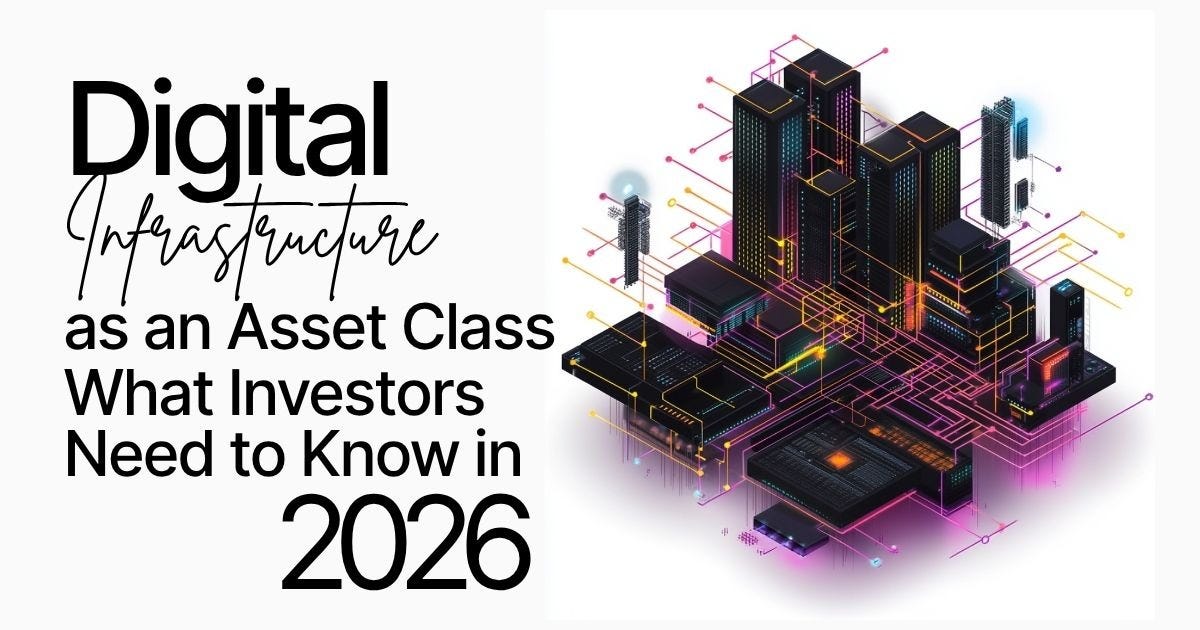
Digital infrastructure has grown as one of the most promising investment opportunities in 2026. As the world becomes increasingly connected, assets like data centers, cloud networks, and edge computing platforms are gaining recognition not just for their operational importance, but as an investable class. Treating digital infrastructure as an asset class allows investors to participate in the growth of global digital ecosystems while benefiting from long-term stability and innovation.
Understanding Digital Asset Infrastructure
Digital asset infrastructure refers to the physical and virtual systems that support digital services. This includes data centers, fiber-optic networks, cloud platforms, and other foundational technologies that enable online services, remote work, and digital commerce.
Unlike traditional infrastructure such as roads or bridges, digital infrastructure supports the backbone of modern economies. It is scalable, flexible, and increasingly in demand as businesses and consumers rely on cloud computing, streaming, and real-time data access. Investment in digital asset infrastructure offers exposure to both technological innovation and essential services.
Why Investors Are Interested in Digital Infrastructure
Investors are recognizing digital infrastructure as a stable and high-potential asset class for several reasons. Demand for data storage and high-speed connectivity continues to grow. Enterprises are moving operations to the cloud, governments are upgrading networks, and the adoption of IoT, AI, and 5G technologies is expanding rapidly.
Digital asset infrastructure benefits from long-term contracts, recurring revenues, and essential usage, making it a lower-risk, income-generating investment. In addition, its growth is tied to technology adoption rather than economic cycles, providing diversification in an investment portfolio.
The scalability of digital infrastructure means investors can participate in small or large capacities. From shares in data centers to ownership of fiber networks or cloud services, digital infrastructure provides a range of investment options that suit different risk profiles and goals.
Key Components of Digital Asset Infrastructure
Digital asset infrastructure covers several core components. Data centers form the backbone, housing servers, storage systems, and networking equipment that power the internet and cloud services. Connectivity networks, including fiber-optic cables and wireless infrastructure, ensure fast and reliable data transfer.
Cloud and distributed computing platforms allow businesses to process and access data efficiently. These systems enable real-time analytics, AI applications, and remote services. Cybersecurity infrastructure is increasingly part of digital asset infrastructure, protecting networks, applications, and sensitive data from threats.
Investing in these components means participating in a sector that is essential for business operations, government services, and personal connectivity. The combination of essential service provision, scalability, and technological relevance makes digital infrastructure a unique asset class.
Advantages of Digital Asset Infrastructure Investments
Investing in digital asset infrastructure offers several positive attributes. The first is stability. Many components, such as data centers and connectivity networks, operate under long-term contracts, ensuring predictable revenue streams.
Growth potential is another advantage. The increasing global demand for data processing, cloud services, and high-speed connectivity creates opportunities for appreciation and income. Investors can benefit from rising usage of digital platforms, AI, 5G networks, and other emerging technologies.
Digital infrastructure investments also provide portfolio diversification. Unlike equities or traditional real estate, digital infrastructure’s performance is tied to technological adoption and digital economy growth. It can complement other investments, offering both income and capital appreciation potential.
Another advantage is adaptability. Digital assets can scale with demand, and upgrades or expansions often enhance value. Unlike physical infrastructure with fixed capacity, digital systems can expand efficiently to accommodate new users, services, or technologies.
Risks and Considerations
While digital asset infrastructure is a positive and growing asset class, investors should consider certain factors. Technological change is constant, so assets require regular upgrades and maintenance. Regulatory considerations may affect digital networks, data storage, or cloud operations. However, these challenges are generally manageable. Experienced operators design infrastructure to adapt to new technology standards, and regulatory compliance is integrated into long-term planning. Choosing the right partners and operators reduces exposure to operational risks while preserving growth potential.
Future Outlook in 2026
The outlook for digital asset infrastructure in 2026 is strong. Demand for data, high-speed connectivity, and cloud services continues to accelerate globally. AI, machine learning, and the Internet of Things will increase reliance on robust digital infrastructure.
Investors can expect both stable income and long-term growth from digital infrastructure. Strategic investment in data centers, cloud platforms, and connectivity networks positions portfolios to benefit from the expansion of digital economies.
Innovative regions are also contributing to growth. Investments in new fiber networks, regional cloud platforms, and edge computing hubs provide opportunities for early entry and appreciation. Global adoption of 5G and advanced networking technologies further enhances the long-term potential.
How to Invest in Digital Asset Infrastructure
Investors can access digital asset infrastructure through direct investment, infrastructure funds, or public companies specializing in digital networks, data centers, and cloud platforms. Direct ownership allows control over specific assets, while funds and public equities offer exposure with diversified risk.
Partnering with experienced operators or advisory firms ensures investments are aligned with current trends and technological standards. Professional expertise can guide decisions on site selection, network expansion, and system upgrades, maximizing returns while minimizing operational risks.
Investors should evaluate the scalability, technology, security, and operational track record of any infrastructure asset before committing capital. Understanding usage patterns, contractual revenue, and long-term demand is critical for informed decisions.
Conclusion
Digital infrastructure has become a compelling asset class in 2026. Its combination of stability, growth potential, and essential service provision makes it attractive to a wide range of investors. Digital asset infrastructure supports the backbone of modern economies, from cloud computing to high-speed networks, providing both income and long-term appreciation.
Professional Digital Asset infrastructure solutions ensure that investments are managed efficiently and securely. Partnering with a trusted Digital Asset infrastructure Company provides access to expert guidance, operational excellence, and scalable opportunities in this rapidly growing sector.
메타데이터
- post_id
- 952ab596d16e
- slug
- digital-infrastructure-as-an-asset-class-what-investors-need-to-know-in-2026-952ab596d16e
- url
- https://medium.com/@coinscapture/digital-infrastructure-as-an-asset-class-what-investors-need-to-know-in-2026-952ab596d16e
- canonical_url
- https://medium.com/@coinscapture/digital-infrastructure-as-an-asset-class-what-investors-need-to-know-in-2026-952ab596d16e
- author_url
- https://medium.com/@coinscapture
- status
- ok
- fetched_at
- 2026-07-28 06:17:56