Comprehensive Guide: How Hedge Funds Use Kdb+ in Quantitative Trading
Kdb+ (often referred to simply as Kdb) is a high-performance time-series database and query language, widely used by hedge funds…
Comprehensive Guide: How Hedge Funds Use Kdb+ in Quantitative Trading
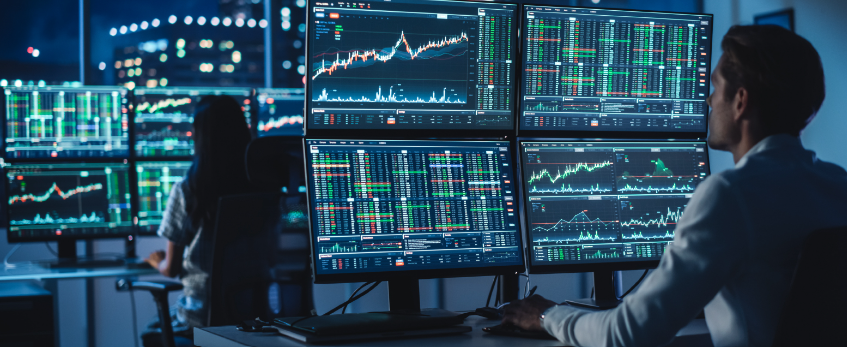
Kdb+ (often referred to simply as Kdb) is a high-performance time-series database and query language, widely used by hedge funds, investment banks, and trading firms for managing vast amounts of financial data. Created by Kx Systems, Kdb+ and its associated query language, q, have become a backbone of the infrastructure supporting many quantitative trading operations. Its primary strength lies in its ability to handle large volumes of real-time and historical data with ultra-low latency, making it ideal for high-frequency trading (HFT) and systematic trading strategies.
This guide provides a comprehensive overview of how hedge funds use Kdb+ in various aspects of their trading and investment operations.
1. What is Kdb+?
Kdb+ is a high-performance columnar database with an integrated query language called q. It is optimized for handling time-series data, which is crucial in finance, where analyzing tick-by-tick data from financial markets is essential. Kdb+ is designed to handle:
- Massive data volumes: Capable of processing millions of records per second.
- Real-time and historical data: Can store and query live market data and historical time-series data seamlessly.
- Low-latency queries: Particularly important in high-frequency trading, where microsecond-level decisions can impact profits.
Why Hedge Funds Use Kdb+:
- Speed and Efficiency: Kdb+ is extremely fast when it comes to querying time-series data, a key requirement in high-frequency trading and backtesting.
- Scalability: Kdb+ can handle petabytes of data, ensuring scalability as data volumes grow over time.
- Integration with Financial Data Feeds: Kdb+ integrates well with various real-time data feeds like Bloomberg, Reuters, and direct exchange feeds, which are critical for hedge funds.
2. Key Applications of Kdb+ in Hedge Funds
a. High-Frequency Trading (HFT)
In high-frequency trading, hedge funds execute large numbers of trades at very high speeds, often measured in microseconds. Kdb+ enables this by managing the flow of market data and providing instant access to the most recent price ticks, quotes, and order book updates.
- Low-Latency Data Processing: Kdb+ is critical for processing and analyzing market tick data in real-time, allowing quants and traders to make ultra-fast trading decisions.
- Order Book Management: Kdb+ is often used to store order book data, which helps quants monitor market liquidity and identify profitable trade opportunities in microsecond windows.
- Signal Generation: Hedge funds use Kdb+ to store and query market indicators, price movements, and trade signals that help them identify trading opportunities and execute them quickly.
Example:
In a typical HFT strategy, Kdb+ stores the latest tick data from the exchange. As new data flows in, traders and algorithms can instantly access order book changes, compare it to historical trends stored in the database, and execute trades within milliseconds.
b. Real-Time Market Data Analytics
Kdb+ excels at handling live streaming data from stock exchanges, futures markets, and other financial instruments. Hedge funds use Kdb+ to capture this data in real-time and analyze it on the fly to gain trading insights.
- Monitoring Market Activity: Traders can use Kdb+ to monitor market activity across multiple asset classes (equities, bonds, derivatives) in real-time.
- Live Data Feeds: Kdb+ integrates seamlessly with major real-time data providers, such as Bloomberg, Reuters, and direct exchange feeds like NYSE or NASDAQ, ensuring that hedge funds can work with the most current market information.
- Alert Systems: Traders set up alerts and triggers in Kdb+ to notify them when certain thresholds or patterns occur in the market, such as a stock reaching a specific price or volatility spike.
Example:
A hedge fund might use Kdb+ to monitor currency markets in real-time, looking for arbitrage opportunities between different currency pairs. As the system captures market data, it flags pricing discrepancies that can be exploited for profit.
c. Historical Data Analysis and Backtesting
Historical data analysis is crucial for developing and testing trading strategies. Kdb+ allows hedge funds to store and analyze massive amounts of historical time-series data efficiently.
- Backtesting Trading Strategies: Quants use Kdb+ to backtest trading strategies by running them against years of historical market data. This allows them to assess how the strategy would have performed in past market conditions.
- Event-Driven Analysis: Hedge funds use historical data to understand how certain macro events (e.g., central bank announcements, earnings reports) affect the markets. Kdb+ makes it possible to query this data quickly.
- Optimization of Strategies: By analyzing historical market patterns, quants use Kdb+ to fine-tune their strategies, optimizing for risk management, entry/exit points, and performance under different conditions.
Example:
A hedge fund testing a momentum-based strategy would pull years of price and volume data stored in Kdb+ to see how the strategy performs under various market conditions, such as bull markets, bear markets, or periods of extreme volatility.
d. Risk Management and Compliance
Risk management is a key concern for hedge funds, and Kdb+ is often used to monitor and manage real-time risk exposures across multiple portfolios and trading desks.
- Real-Time Risk Calculations: Hedge funds use Kdb+ to calculate real-time VaR (Value-at-Risk), stress test portfolios, and monitor exposure to various market risks (e.g., sectoral, currency, or geopolitical risks).
- Trade Surveillance and Compliance: Hedge funds must comply with stringent regulatory requirements. Kdb+ helps store and analyze trade data for compliance monitoring, allowing firms to ensure they are operating within the legal framework.
- Monitoring Position Limits: Kdb+ can track position limits in real-time, helping hedge funds ensure they are not overexposed to any particular asset class, sector, or geographic region.
Example:
A hedge fund managing a multi-strategy portfolio might use Kdb+ to monitor real-time exposure to various risk factors. The system could provide instantaneous updates on how market changes affect the portfolio’s overall risk profile, helping the firm react proactively.
e. Strategy Execution and Trade Management
Efficient execution of strategies is critical in fast-moving markets, and Kdb+ enables hedge funds to optimize the execution of trades by minimizing latency and managing execution strategies.
- Execution Algorithms: Kdb+ helps hedge funds execute their trades using advanced algorithms, such as TWAP (Time-Weighted Average Price) and VWAP (Volume-Weighted Average Price), by providing them with the data they need to execute at the best possible price.
- Order Management Systems: Many hedge funds use Kdb+ to build or enhance their Order Management Systems (OMS), which handle the routing, execution, and tracking of buy/sell orders in various markets.
- Execution Performance: Kdb+ can track and analyze the performance of trade executions, helping hedge funds optimize future trading strategies by learning from past trade execution patterns.
Example:
A hedge fund may use Kdb+ to calculate the VWAP over a specified period to ensure that their execution algorithms are minimizing slippage in high-volume trades.
f. Custom Dashboards and Reporting
Kdb+ is often used to build custom dashboards for portfolio managers, traders, and risk analysts, providing real-time visualizations of key performance indicators, trade activity, and market data.
- Visualization of Market Trends: Traders use Kdb+ dashboards to visualize trends in real-time, tracking price movements, volumes, and market orders.
- Risk Reporting: Custom dashboards built on Kdb+ provide risk managers with real-time risk exposures, ensuring that they can identify and mitigate potential threats to the portfolio.
- Performance Tracking: Hedge funds use Kdb+ to track the performance of various strategies or desks in real-time, providing senior management with instant updates on the firm’s profitability.
Example:
A hedge fund’s risk team could use a Kdb+ dashboard to track the intraday performance of the fund’s long/short equity strategy while simultaneously monitoring sectoral risks and correlation metrics.
3. Benefits of Using Kdb+ in Hedge Funds
a. Speed and Efficiency
The ability to store, process, and retrieve time-series data extremely quickly is one of Kdb+’s main advantages. This speed is especially important in high-frequency trading, where microseconds can determine the profitability of a trade.
b. Scalability
Kdb+ can handle massive datasets, scaling up to petabytes of data. This is crucial for hedge funds that need to store years of tick-level financial data while also processing live data feeds in real-time.
c. Integration with Existing Systems
Kdb+ can be integrated with many other systems and data sources. Hedge funds often use Kdb+ alongside their own proprietary trading platforms, OMS systems, and third-party data providers to create a seamless infrastructure for trading and analysis.
d. Versatility
Kdb+ is versatile enough to be used across various functions, from real-time analytics to backtesting strategies, risk management, and regulatory compliance.
4. Challenges of Using Kdb+
While Kdb+ offers significant benefits for hedge funds, it also comes with certain challenges, especially for firms or individuals unfamiliar with the system. Here are some of the key challenges:
a. Steep Learning Curve
The q language, which is the query language for Kdb+, can be difficult for newcomers to learn, particularly if they don’t have a strong background in programming or database management. Unlike SQL, which is widely used and taught, q is less common and has a distinct syntax that can seem counterintuitive to traditional programmers. This steep learning curve can slow down the adoption process for firms or individuals who are new to Kdb+.
- Specialized Knowledge: Since Kdb+ is not as widely used outside of finance, finding developers and quants who are proficient in q can be challenging, potentially leading to higher hiring or training costs.
- Limited Resources for Learning: Compared to popular programming languages like Python or SQL, there are fewer learning resources (books, courses, tutorials) available for q, making self-learning harder for quants and engineers.
b. High Initial Setup Costs
Implementing Kdb+ in a hedge fund environment typically requires substantial upfront investment, both in terms of technology infrastructure and human resources. Hedge funds need to invest in high-performance hardware capable of handling Kdb+’s data processing demands, as well as specialized talent to design and maintain the system.
- Hardware Requirements: Kdb+ is optimized for high-performance environments, which often means firms need to invest in robust hardware solutions to fully utilize its capabilities. This can be costly, especially for smaller hedge funds.
- Licensing Costs: Kdb+ licensing can be expensive, particularly for enterprise-level solutions. Smaller firms or funds just starting out may find the costs prohibitive, although Kx Systems does offer lower-cost or open-source versions for smaller-scale use.
c. Complex Maintenance and Scaling
As the volume of data increases, maintaining and scaling a Kdb+ infrastructure becomes more complex. While Kdb+ is designed to handle petabytes of data, scaling the infrastructure effectively requires specialized knowledge and careful planning.
- Data Management: Maintaining an efficient partitioning and sharding system to optimize performance as data volumes grow can be complex. Hedge funds often need dedicated teams to manage and monitor the database performance over time.
- Data Quality and Integrity: With vast amounts of real-time and historical data being ingested and processed continuously, ensuring data quality and integrity can be challenging. Poor data quality can lead to inaccurate backtesting results and faulty trading decisions.
d. Integration with Other Systems
While Kdb+ is powerful, integrating it with other systems in a hedge fund’s infrastructure (such as risk management, portfolio management, and trading platforms) can be complex and time-consuming.
- Custom Integrations: Many firms need to build custom integrations to connect Kdb+ with proprietary trading platforms or third-party systems. This requires significant development effort and ongoing maintenance.
- Compatibility: Kdb+ may not be fully compatible with some legacy systems, leading to additional challenges when trying to integrate across different platforms.
e. Limited Use Outside of Finance
Kdb+ has a specialized focus on time-series data and is primarily used in the finance industry. As a result, its ecosystem is limited compared to broader technologies like Python or SQL. This narrow use case means that the community around Kdb+ is smaller, which can limit the availability of resources, third-party tools, and support options.
- Small Community: While the Kdb+ community is highly knowledgeable, it is smaller compared to more mainstream programming languages and databases. This can make it harder to find solutions to specific problems or get support outside of financial industry-focused forums.
5. Conclusion
Kdb+ has become a critical tool for hedge funds and other financial institutions that rely on high-frequency trading, quantitative research, and real-time analytics. Its unmatched ability to handle large volumes of time-series data with ultra-low latency makes it a powerful solution for firms looking to gain a competitive edge in trading, risk management, and portfolio optimization.
While Kdb+ offers significant advantages, such as speed, scalability, and efficiency, it also presents challenges, particularly in terms of its learning curve, high setup costs, and the complexity of maintaining and scaling the infrastructure. However, for hedge funds and financial institutions that depend on high-performance data systems, Kdb+ remains an essential tool for driving alpha and optimizing trading strategies.
메타데이터
- post_id
- 9638ef43bb86
- slug
- comprehensive-guide-how-hedge-funds-use-kdb-in-quantitative-trading-9638ef43bb86
- url
- https://medium.com/@tzjy/comprehensive-guide-how-hedge-funds-use-kdb-in-quantitative-trading-9638ef43bb86
- canonical_url
- https://medium.com/@tzjy/comprehensive-guide-how-hedge-funds-use-kdb-in-quantitative-trading-9638ef43bb86
- author_url
- https://medium.com/@tzjy
- status
- ok
- fetched_at
- 2026-06-27 07:40:21