Personalization at Scale: Building Intelligent, Trust-Centric Experiences Across Every Digital…
Personalization at scale is about delivering less noise, more intelligence, and higher relevance across every moment of the customer…
Personalization at Scale: Building Intelligent, Trust-Centric Experiences Across Every Digital Touchpoint
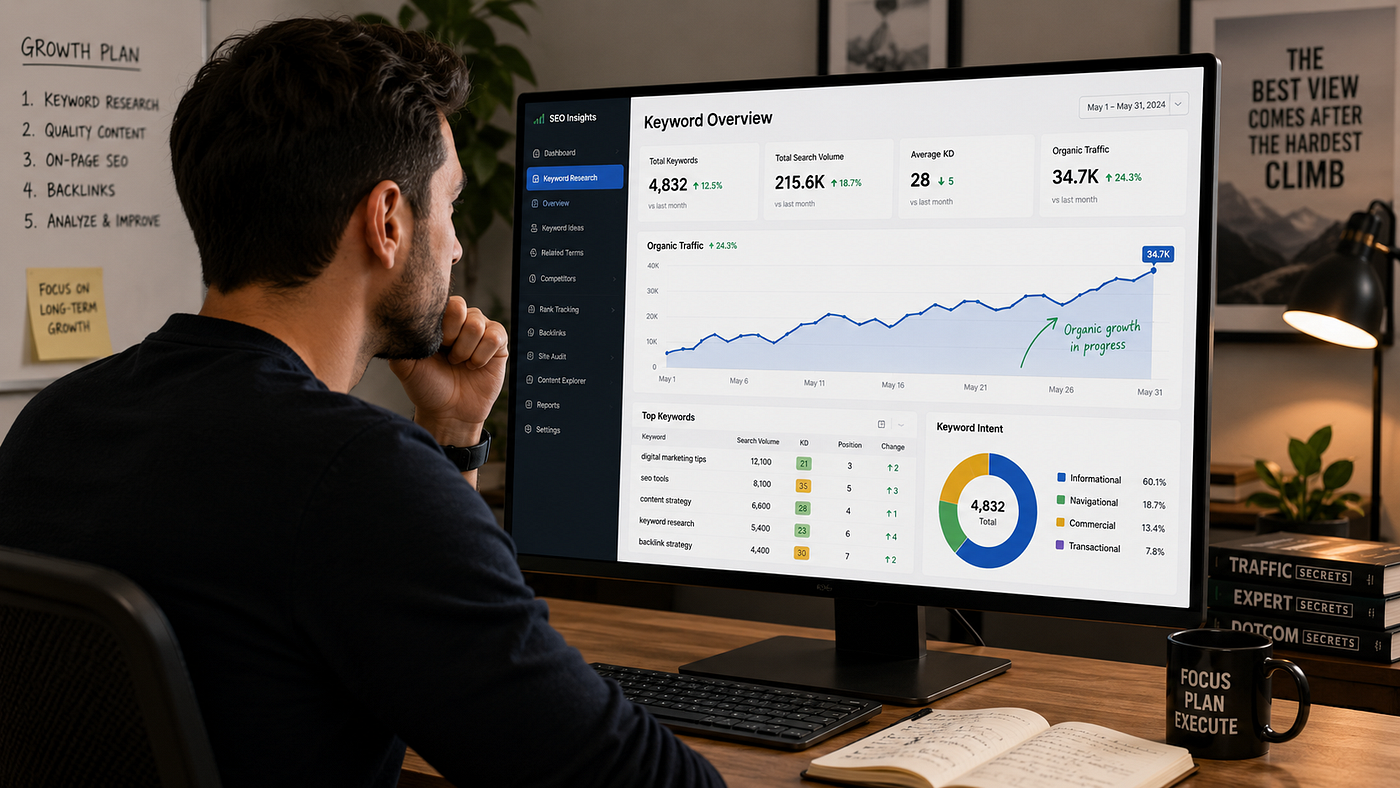
Modern web orchestration tools enable real-time decision-making across channels. (photo credit: eDesign Interactive)
Personalization at scale is about delivering less noise, more intelligence, and higher relevance across every moment of the customer journey.
Recent industry research consistently shows that consumers don’t just prefer personalization; they expect it. According to Salesforce’s State of the Connected Customer, 73% of customers expect companies to understand their unique needs and expectations, and nearly 70% say a connected experience is critical to winning their business. Meanwhile, McKinsey reports that effective personalization can lift revenue by 5–15% and increase marketing ROI by 10–30%.
But the rules have changed.
Today’s personalization is no longer powered by third-party cookies or static segmentation. It is driven by first-party data, AI systems, real-time behavioral signals, and privacy-first architecture. Brands that succeed are those that combine technology with trust-and treat personalization as a system, not a campaign.
One Size Doesn’t Fit Anyone Anymore
Modern personalization begins with a fundamental shift: customers are not segments-they are dynamic behavioral profiles in motion.
The most effective brands move beyond demographic segmentation into context-aware, intent-driven experiences that adapt in real time.
Example: Spotify’s Behavioral Intelligence at Scale
Spotify remains a benchmark in personalization with features like Discover Weekly and Daylist. Its recommendation engine continuously adapts based on listening behavior, time of day, and contextual signals.
Example: Sephora — Unified Commerce Personalization
Sephora integrates loyalty data, purchase history, and beauty preferences into a unified profile across digital and physical environments, enabling tailored product recommendations and in-store personalization.
Key Strategic Questions:
- Are you designing experiences around intent signals or static personas?
- Can your systems respond to behavioral change in real time?
- Is personalization consistent across web, email, paid media, and in-store experiences?
The New Challenge: Scaling Personalization in a Fragmented, Privacy-First Ecosystem
Scaling personalization is hard, not because of technology limitations, but because of data fragmentation, privacy regulation, and organizational complexity.
1. The End of Third-Party Data Dependency
With the deprecation of third-party cookies and the rise of privacy frameworks (GDPR, ePrivacy, and global consent requirements), brands must rely on first-party and zero-party data strategies.
2. Data Silos Are Still the #1 Barrier
Most organizations still struggle with disconnected systems: CRM, analytics, ecommerce, and media platforms operating in isolation.
This results in:
- Broken customer journeys
- Inconsistent messaging
- Poor attribution accuracy
A unified data layer is now essential.
3. Organizational Alignment Is the Real Bottleneck
The most advanced personalization stacks fail without cross-functional alignment.
Leading brands like Nike have invested in integrated digital ecosystems that connect product, app, and retail experiences into a single customer journey.
4. Trust Has Become a Growth Lever
Personalization without transparency is now a liability.
Consumers increasingly expect:
- Clear consent management
- Explainable data usage
- Control over personalization preferences
Trust is no longer compliance-it is conversion infrastructure.

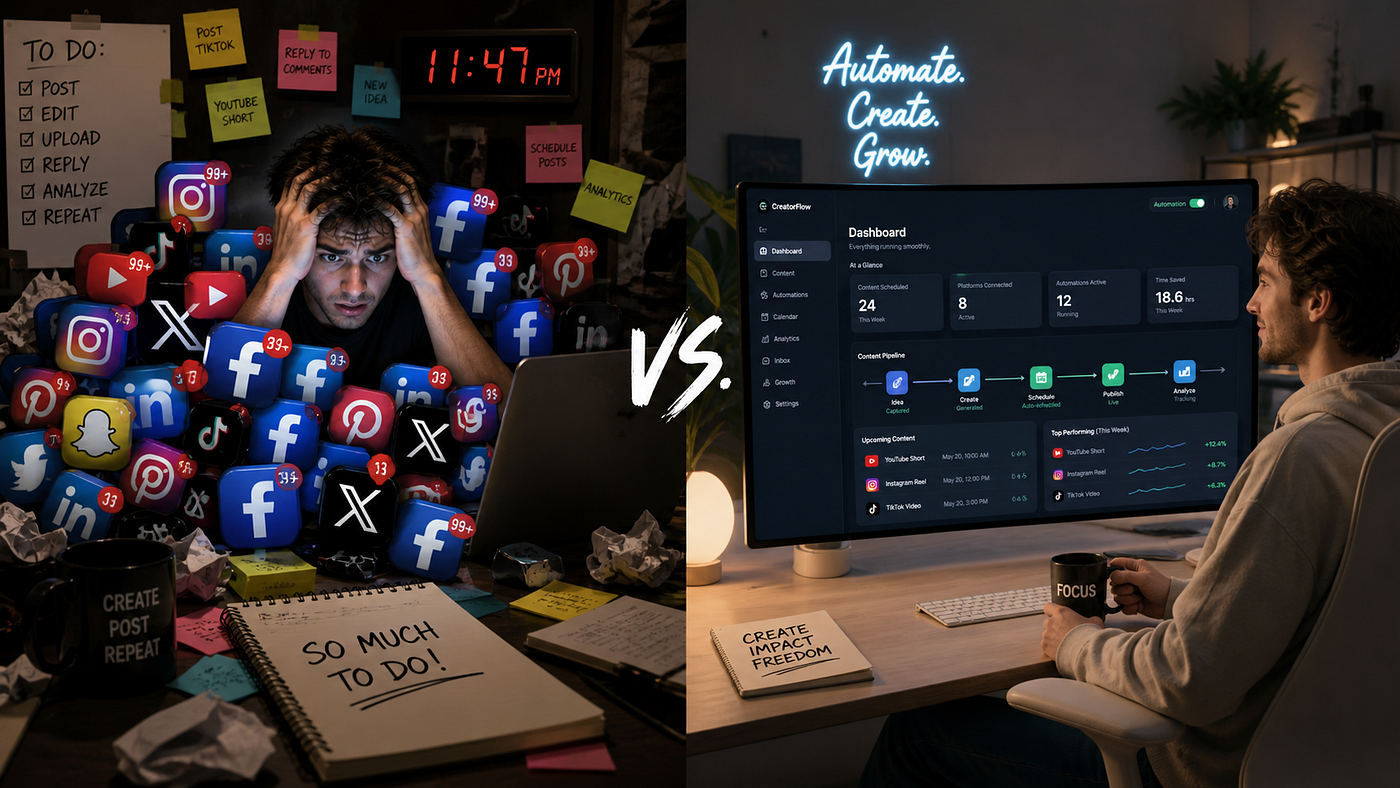
When done well, personalization doesn’t feel like marketing. It feels like relevance delivered at exactly the right moment. (photo credit: AI generated image)
The Modern Personalization
The online personalization ecosystem is powered by four interconnected layers:
1. Customer Data Platforms (CDPs)
CDPs unify behavioral, transactional, and identity data into a single customer profile.
Leading platforms include:
- Salesforce Data Cloud
- Segment (Twilio)
- Adobe Real-Time CDP
2. AI-Driven Decisioning & Machine Learning
AI is now the core engine of personalization, not just a supporting layer.
Example: Netflix — Multi-Model Personalization System
Netflix uses machine learning to personalize:
- Recommendations
- Artwork thumbnails
- Ranking of content rows
Its system processes billions of interactions to predict engagement probability at an individual level.
3. Journey Orchestration Engines
Modern orchestration tools enable real-time decision-making across channels.
Examples include:
- Adobe Journey Optimizer
- Salesforce Marketing Cloud
- HubSpot Smart CRM
These platforms allow brands to trigger experiences such as:
- Abandoned cart recovery sequences
- Behavioral email triggers
- Real-time web content adaptation
4. Real-Time Experience Layers (Web + App)
The modern website is no longer static-it is a dynamic experience layer powered by APIs and experimentation engines.
Example: Amazon — Continuous Optimization Loop
Amazon’s recommendation systems continuously adapt based on browsing and purchase history, as well as contextual signals, optimizing relevance at every interaction.
Web Design Is Evolving From Pages to Adaptive Systems
Modern web design is now deeply tied to personalization infrastructure.
Key shifts include:
✔ Headless & Composable Architecture: Brands are moving from monolithic CMS platforms to modular systems that allow real-time personalization across multiple front ends.
✔ Experimentation-Led Design: A/B testing has evolved into continuous experimentation systems using feature flags and AI optimization.
✔ AI-Augmented UX: Interfaces are increasingly adaptive:
- Dynamic layouts based on user intent
- Predictive search experiences
- Generative content modules
Advertising Has Shifted to Context + Intelligence
Digital advertising is undergoing its own transformation:
- Shift from third-party targeting → contextual + first-party signals
- AI-driven creative optimization (dynamic ad generation)
- Privacy-safe attribution modeling
- Cookieless identity frameworks (Google Privacy Sandbox, cohort targeting)
This means personalization is no longer just a UX function-it is now a full-funnel growth system spanning paid, owned, and earned channels.
Reflective For Your Team
- Are you building a unified customer data foundation, or managing fragmented systems?
- Can your personalization engine operate in real time, across channels?
- Is your marketing stack optimized for a cookieless, privacy-first future?
- How is AI actively influencing customer experience, not just reporting?
Personalization Is Not a Feature. It’s Your Infrastructure.
The most successful brands in 2026 treat personalization as a living system, powered by data, shaped by AI, and constrained by trust.
When done well, personalization doesn’t feel like marketing. It feels like relevance, delivered at exactly the right moment.
And that is what builds long-term loyalty.
Personalization at scale is about delivering less noise, more intelligence, and higher relevance across every moment of the customer journey.
If your organization is looking to implement advanced website personalization, modernize its digital ecosystem, or build AI-driven customer experiences, we can help design and scale that transformation.
Originally published at https://www.linkedin.com.
메타데이터
- post_id
- 96a0e36739ef
- slug
- personalization-at-scale-building-intelligent-trust-centric-experiences-across-every-digital-96a0e36739ef
- url
- https://medium.com/@eDesign/personalization-at-scale-building-intelligent-trust-centric-experiences-across-every-digital-96a0e36739ef
- canonical_url
- https://medium.com/@eDesign/personalization-at-scale-building-intelligent-trust-centric-experiences-across-every-digital-96a0e36739ef
- author_url
- https://medium.com/@eDesign
- status
- ok
- fetched_at
- 2026-08-19 09:25:09