Left behind by the system: How healthcare inequalities are putting lives at risk
When 23-year-old Sarah Ali from London called her GP practice about worsening stomach pain, she was told the earliest available appointment…
Left behind by the system: How healthcare inequalities are putting lives at risk
When 23-year-old Sarah Ali from London called her GP practice about worsening stomach pain, she was told the earliest available appointment was in ten working days.
“They advised me to ring at 8 am the next morning and try for an emergency slot,” she said. “I ended up in A&E two days later.”
Sarah’s experience is becoming increasingly common. Across England, patients are waiting longer to see their GPs as demand rises and staffing struggles to keep pace. Yet while delays affect people from all backgrounds, evidence suggests that some groups face even greater barriers to accessing healthcare.
Recent research has highlighted growing concerns about inequalities within the NHS, particularly for Black women during pregnancy and childbirth.
The latest MBRRACE UK report found that Black women are three times more likely to die during pregnancy or shortly after childbirth than white women. Asian women were found to be twice as likely to experience maternal death. These figures come at a time when maternal mortality rates across the UK have reached their highest levels in almost two decades.
According to the report, there were 13.41 deaths per 100,000 maternalities between 2020 and 2022, compared with 8.79 deaths per 100,000 between 2017 and 2019.
Dr Alpha Barry, a GP partner based in South London, believes the wider pressures facing primary care are contributing to inequalities throughout the healthcare system.
“People are not just waiting for minor issues,” he said. “Some are waiting with serious conditions and, in some cases, their health deteriorates before they receive treatment.”
His practice receives more than 100 appointment requests every morning.
“Even with triage systems and digital appointments, we are still not meeting demand,” he said. “It is exhausting for healthcare professionals and frustrating for patients.”
For many campaigners, however, workforce pressures alone do not explain the disparities experienced by Black women.
A 2022 survey by Black Equity Organisation found that more than 65 per cent of Black people reported experiencing racial discrimination within healthcare settings. Other studies have shown that Black patients are more likely to have reports of pain dismissed and less likely to receive adequate pain relief compared with white patients.
Researchers have also identified persistent misconceptions within medicine. One study found that a significant number of medical students endorsed false beliefs about biological differences between Black and white patients, including inaccurate assumptions about pain tolerance.
The consequences can be devastating.
The death of Black British dancer and YouTube influencer Nicole Thea brought national attention to the issue. Nicole died in 2020 at eight months pregnant after suffering a cardiac arrest. Family members later claimed concerns she raised during her pregnancy were not taken seriously.
Her mother, Samantha Antoine, said she believed racism played a role in her daughter’s death.
Not every experience reflects these failures.
Fatima, 29, gave birth prematurely to her son Yusef in December 2023 after unexpectedly going into labour months before her due date.

Despite facing complications, she praised the care she received.
“I was fortunate to receive exceptional support throughout my pregnancy,” she said. “Healthcare professionals listened to my concerns and helped me whenever I needed support.”
Fatima admitted she initially feared she would not receive adequate care because of previous experiences with the healthcare system.

“I had concerns because some of my health issues had not always been taken seriously in the past, but my experience during pregnancy was very positive.”
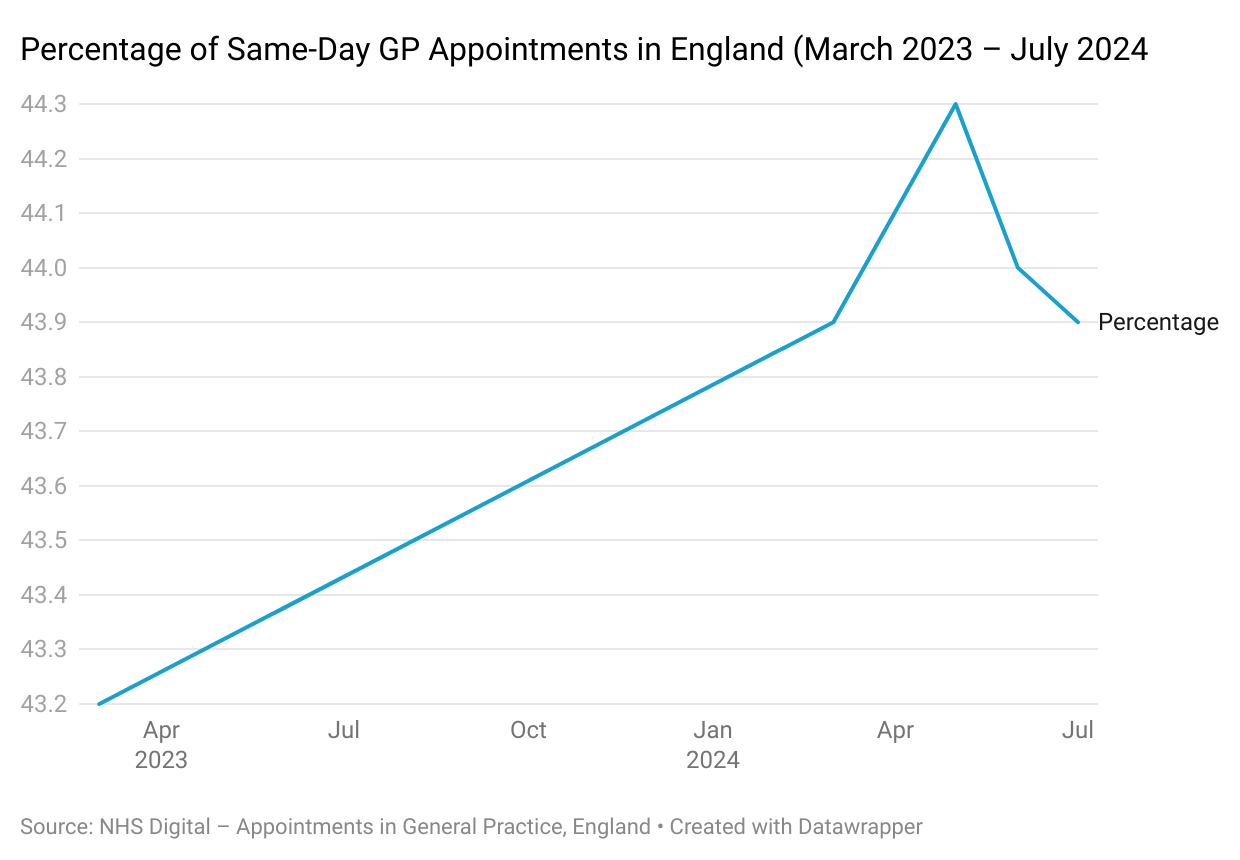
Meanwhile, access to healthcare remains a growing concern across England. NHS data show that same-day GP appointments have declined significantly in recent years, while staffing shortages continue to place pressure on frontline services.
Experts warn that unless investment improves both access to primary care and maternity services, existing inequalities are likely to persist.
For patients like Sarah, the issue is about more than statistics.
“I do not blame the doctors,” she said. “They are doing their best. But the system is not working for everyone.”
As healthcare services continue to face unprecedented demand, many are asking whether enough is being done to ensure that all patients receive the care they need, regardless of where they live or the colour of their skin.
메타데이터
- post_id
- 970eba892b92
- slug
- left-behind-by-the-system-how-healthcare-inequalities-are-putting-lives-at-risk-970eba892b92
- url
- https://medium.com/@up2115234/left-behind-by-the-system-how-healthcare-inequalities-are-putting-lives-at-risk-970eba892b92
- canonical_url
- https://medium.com/@up2115234/left-behind-by-the-system-how-healthcare-inequalities-are-putting-lives-at-risk-970eba892b92
- author_url
- https://medium.com/@up2115234
- status
- ok
- fetched_at
- 2026-06-15 20:49:13